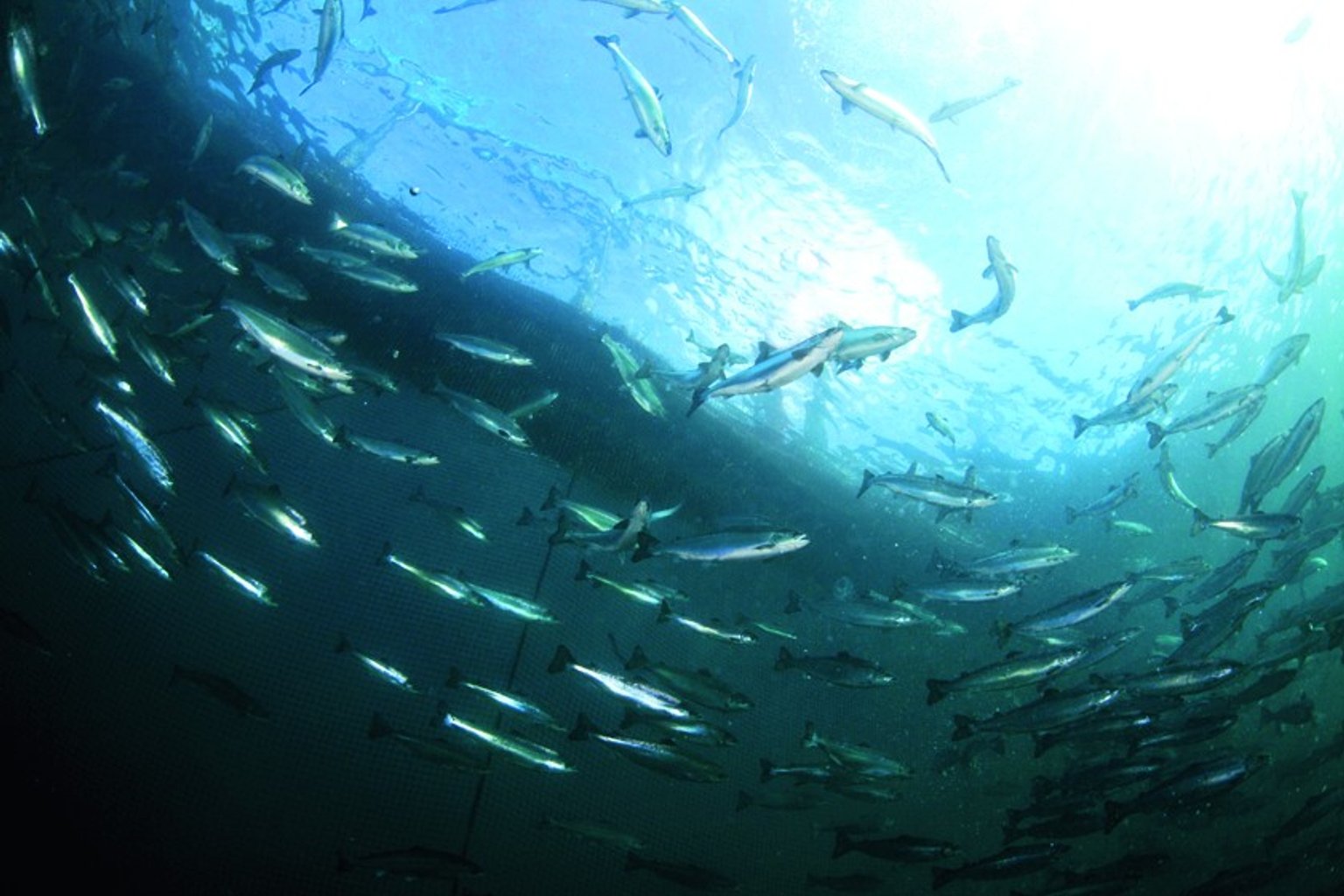
Tassal will inject salmon with antibiotics at sea this week to treat an early outbreak of a deadly bacterial disease, a method new to Tasmania.
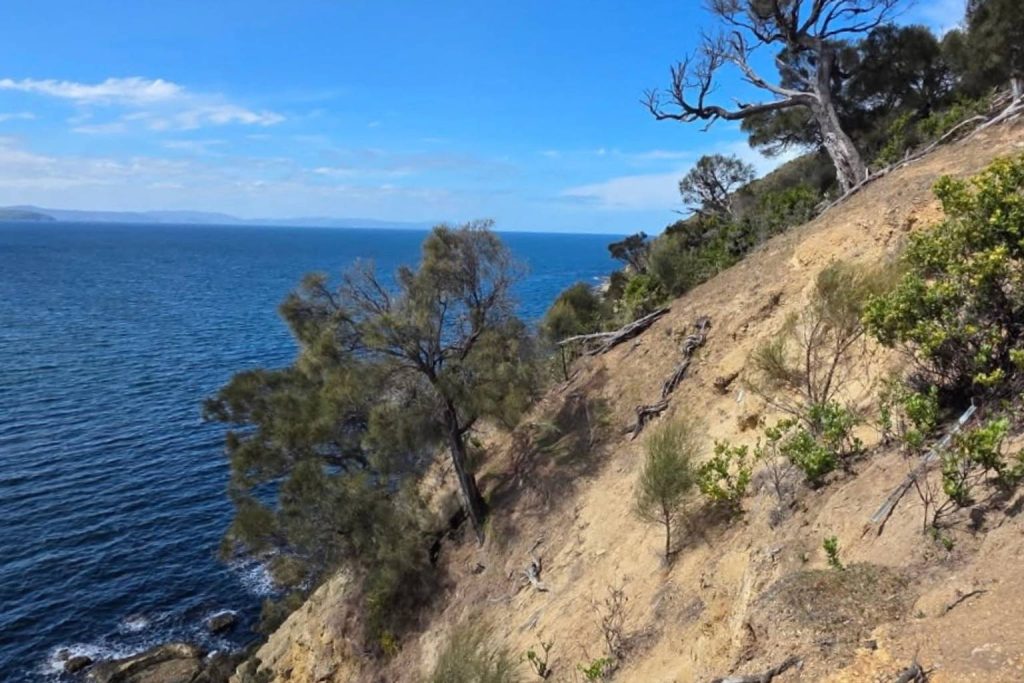
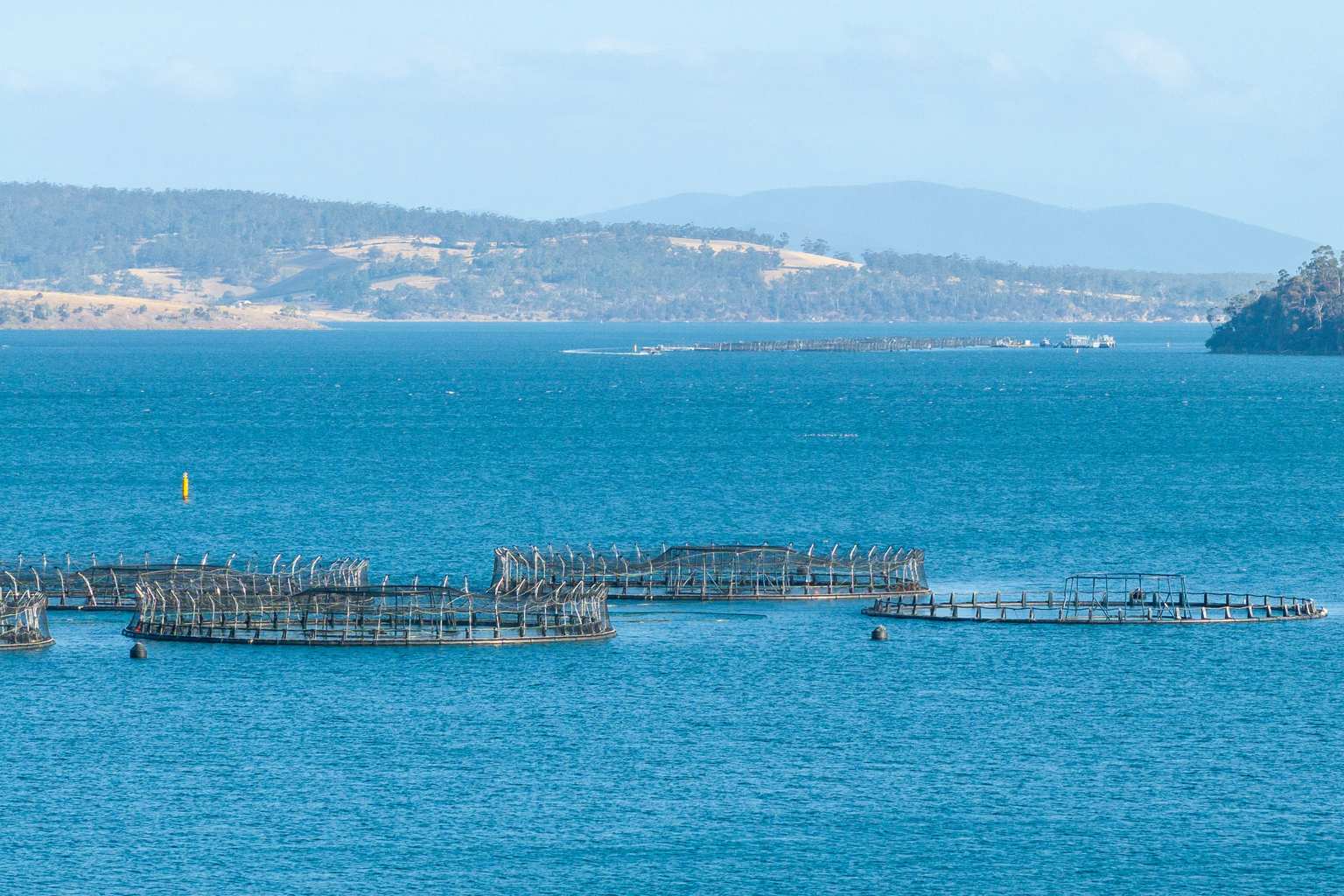
Fish at the company’s lease in Great Taylors Bay, in the D’Entrecasteaux Channel off South Bruny Island, have been infected with piscirickettsia salmonis, the disease behind last summer’s mass salmon deaths.
Each fish will be anaesthetised, injected with the antibiotic oxytetracycline, monitored through recovery and returned to its pen. The first pen is due to be treated on Thursday.
Tassal said treating fish early, while they were healthy enough to handle, protected their welfare and limited the spread of disease.
“Injecting OTC directly into individual fish uses only a fraction of the medicine needed for medicated feed and is expected to deliver a more targeted treatment,” a Tassal spokesperson said.
The company said the first treatment would use about 10 kilograms of the antibiotic, about 8% of a standard 10-day treatment through feed.
Tassal said florfenicol in feed was the most effective treatment and it was awaiting a permit to use it.
Its previous emergency permit for florfenicol was suspended after residues were detected in wild fish around treated pens.
Tassal said a technical assessment provided to regulators found environmental exposure from the injections was expected to be “low, localised and short-lived” and it would monitor water, sediment and marine life.
Independent Franklin MP Peter George said the outbreak, so long before summer, was “yet more proof that Atlantic salmon, a cold-water fish, does not belong in Tasmania’s rapidly warming waters”.

George said more than 20,000 tonnes of salmon died of the disease last year and a further 13,600 tonnes in the first half of 2026.
Greens MP Vica Bayley said the party opposed the use of florfenicol and that an outbreak in early October “paints a dire picture for the summer to come”.
“To simply be treating diseased fish with antibiotics isn’t a solution for the environment,” he said.
Bayley said salmon farming needed to move out of Tasmania’s inshore waters.

Neighbours of Fish Farming campaigner Jasmine Labelle Idrissi said the outbreak was “further evidence that intensive open-net salmon farming is incompatible with Tasmania’s coastal environment”.
“Our oceans are not an open-air pharmacy and mortuary for the salmon industry,” the group said.
Tassal said treated fish would be subject to withholding periods and testing before harvest.