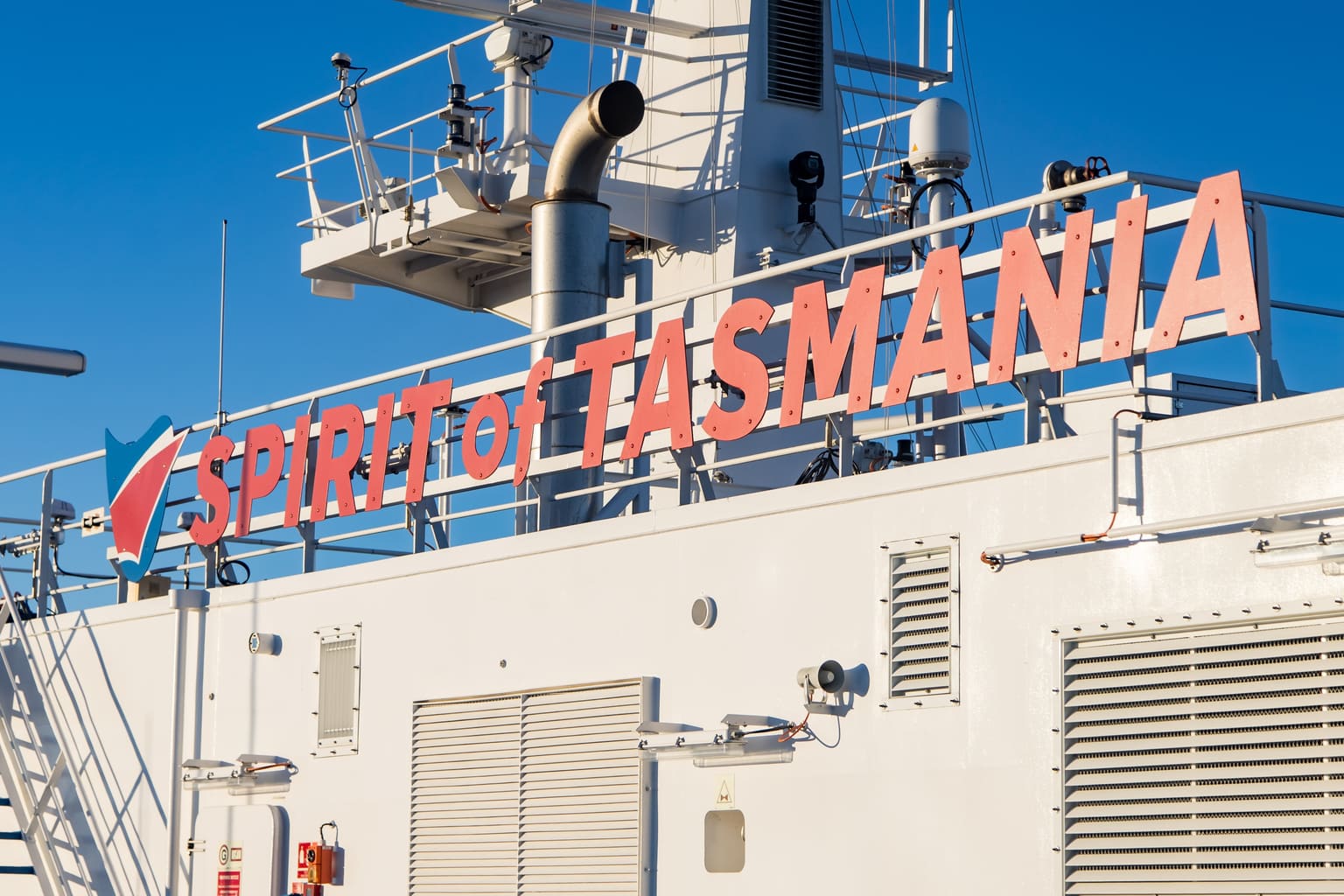
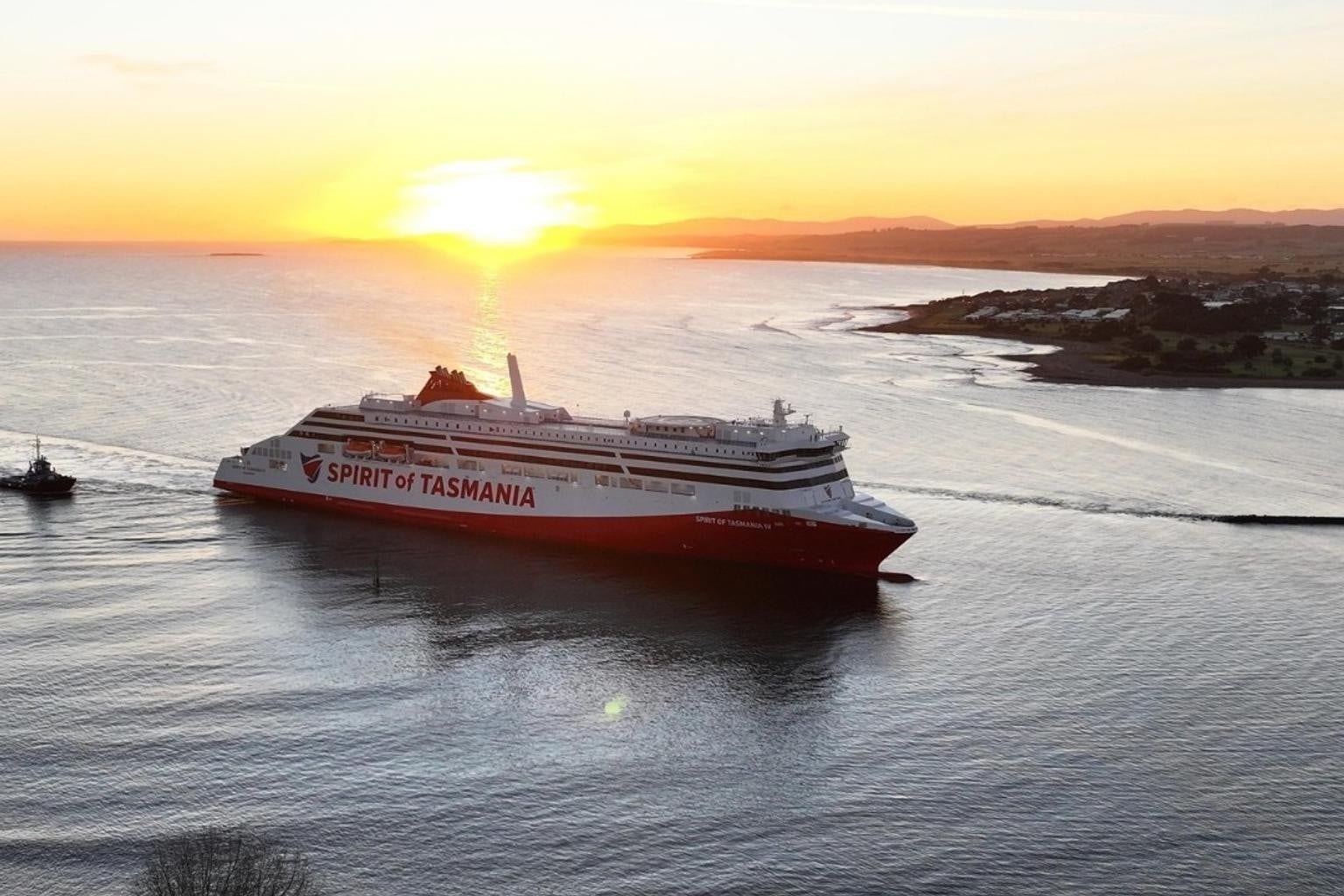
TT-Line has refused to give the auditor-general the legal advice it relies on to declare itself solvent, more than a year after he found the state-owned ferry operator was insolvent.
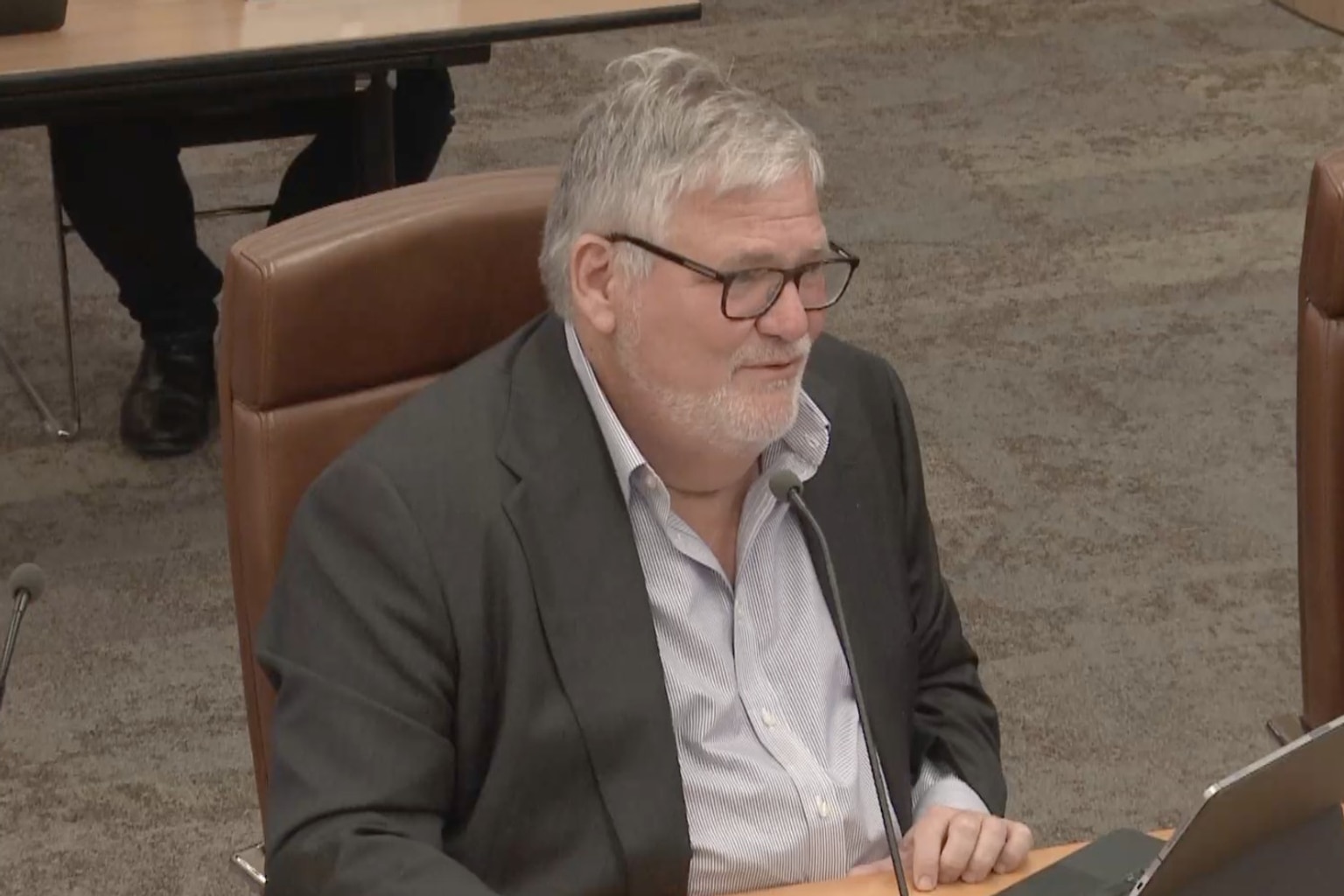
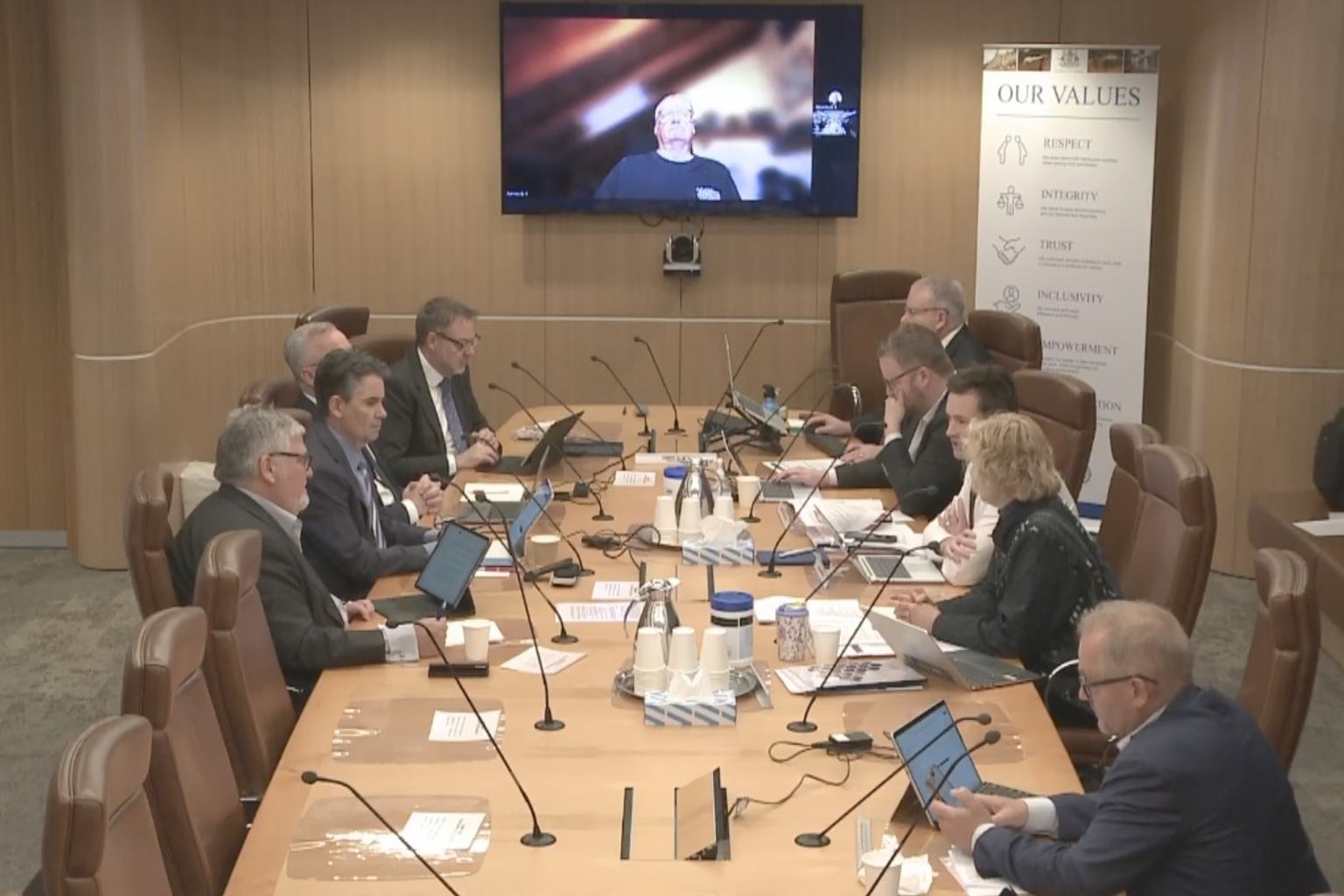
TT-Line chair Ken Kanofski told a parliamentary committee today that the advice was protected by legal professional privilege.
“He’s not a party to the advice,” Kanofski told the Public Accounts Committee.
“It’s for the use of the parties that have requested it.”
Labor MP Dean Winter then responded: “I think we’re on a slippery slope when we refuse to provide information to the auditor-general.”
Auditor-General Martin Thompson formed the view on July 11 last year that TT-Line was insolvent, based on the company’s financial forecasts.
He reported the matter to the Australian Securities and Investments Commission (ASIC).
He later told a parliamentary committee he had “reasonable grounds to suspect the directors of TT-Line were in breach of the requirements of the Corporations Act”.
The board has disputed his finding, saying it relied on specialist external advice.
TT-Line told the committee it had never received any correspondence from ASIC.
ASIC wrote to the committee earlier this year confirming that an audit breach report on TT-Line was lodged in July 2025.
Kanofski said the company gave the auditor-general “all information that he is entitled to receive” and would hand over the advice if it was legally required to.
“It would probably be quite helpful to me if I released it to you, but you can’t pick and choose,” he said.
Kanofski said shareholder ministers had been briefed on the advice by the company’s lawyers and TT-Line had been “enormously transparent”.
He said it was up to directors, not shareholders, to determine whether the company was solvent and the board was confident it could pay its bills as they fell due.
“It is directors that determine solvency,” he said.
He said the board’s view, based on specialist advice, was that TT-Line had passed a cash flow test “at all times” and the board also had a reasonable expectation it could raise more money if needed.
“My view and the view of the board is that we have belt and we have braces,” he said.

TT-Line’s annual report states there are “material uncertainties” that “may cast doubt” on its ability to continue as a going concern.
The company posted a $723 million loss for 2025-26 last month, mostly due to write-downs on the value of its ferries and terminals.
The committee heard it now has negative net assets of $215.8 million. Its debt sits at $1.121 billion.
The government announced a $506 million equity injection for TT-Line over four years in May, on top of $75 million in last November’s interim budget.
Kanofski said TT-Line had received $137 million in equity this financial year, with another $63 million expected before Christmas and $102 million budgeted in each of the next three years.
The committee heard TT-Line had previously breached its debt covenants with the Tasmanian Public Finance Corporation.
Chief Financial Officer Clark Whelan said those covenants were replaced on October 16 with a single new covenant.
TT-Line says it is meeting the new covenant, though it has not yet measured its position against it.