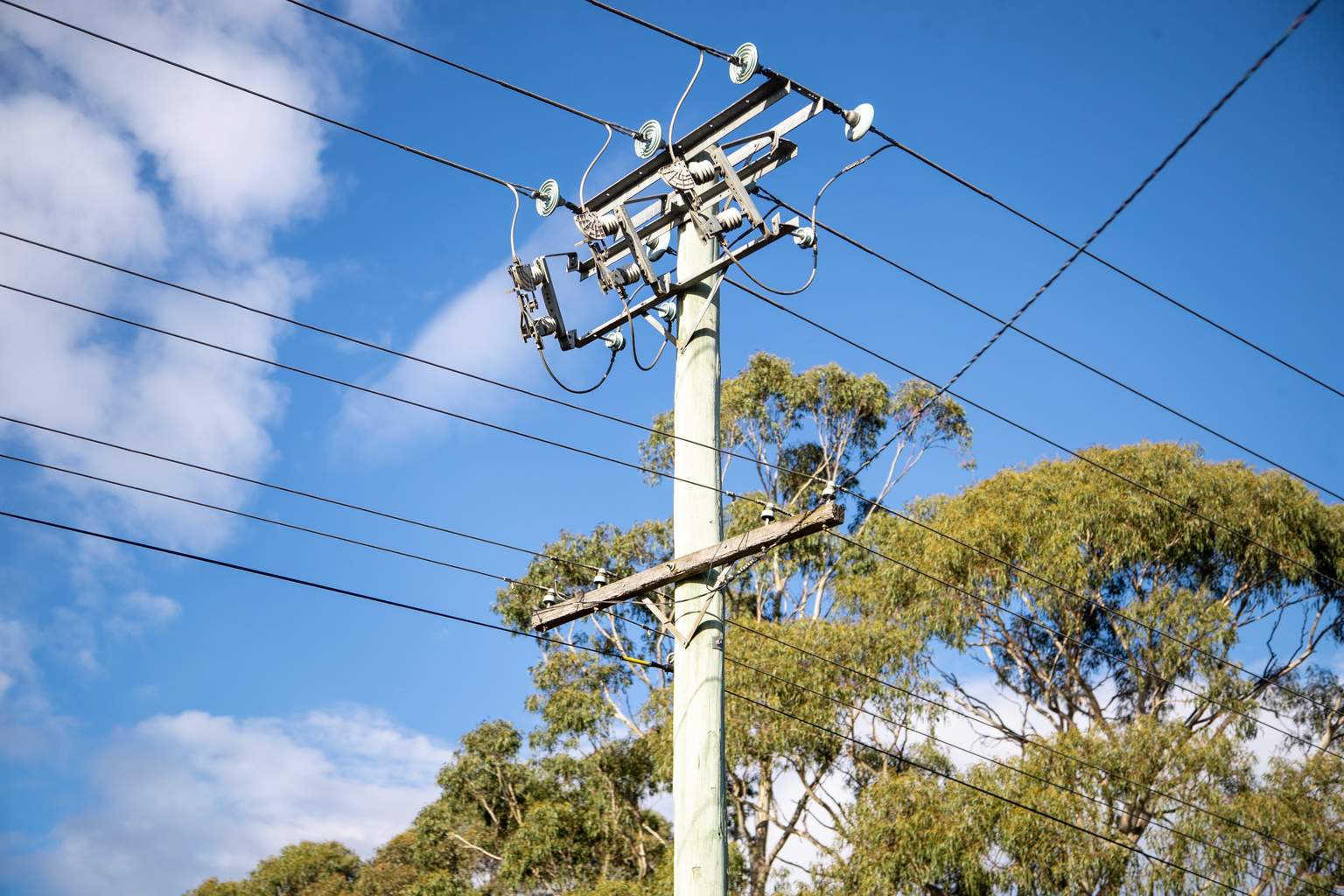
Tasmanian power bills will rise from next month, with the typical household paying just over $100 more a year.
The Tasmanian Economic Regulator today approved an average 4.23% increase to regulated electricity prices for residential and small business customers from July 1.
The rise applies to mainland Tasmania, including Bruny Island.
A typical household on the most common tariff, using 7,254kWh a year, will pay about $108 more. A small business on Tariff 22 faces an extra $61.
Regulator Joe Dimasi said the main driver was higher network costs approved for TasNetworks.
He said wholesale electricity costs had also risen slightly, but were offset by much lower Renewable Energy Target costs.
The increase still sits below Hobart’s annual inflation rate of 5.0%. Tasmanian regulated bills remain the lowest or second lowest in the national market.
Aurora Energy chief executive Nigel Clark said support was available for customers doing it tough.
“As Tasmanians ourselves, we understand that financial challenges are already being felt by households and businesses and I want to assure the community that we have support options available to help customers doing it tough,” he said.
Clark said the state government and Aurora had doubled funding for the energy hardship fund last week, from $350,000 to $700,000.

Other help includes payment plans, extensions and the Your Energy Support program.
“We encourage any customer who is struggling to manage their energy costs to contact Aurora Energy,” Clark said.
“The sooner they get in touch, the sooner we can help.”
From July 1, new flat rate tariffs will also be available, giving customers a single usage rate regardless of the time of day.
Solar customers gain too. The minimum feed-in tariff will rise 5.6% to 9.276c/kWh.