The Tasmanian government’s short-stay levy has been voted down in the upper house, after it was told there had been no economic modelling and that a key claim about who would pay came from an industry source.
The Legislative Council split six-all on Wednesday, with President Craig Farrell, the Labor MLC for Derwent, voting against the bill, as is convention.
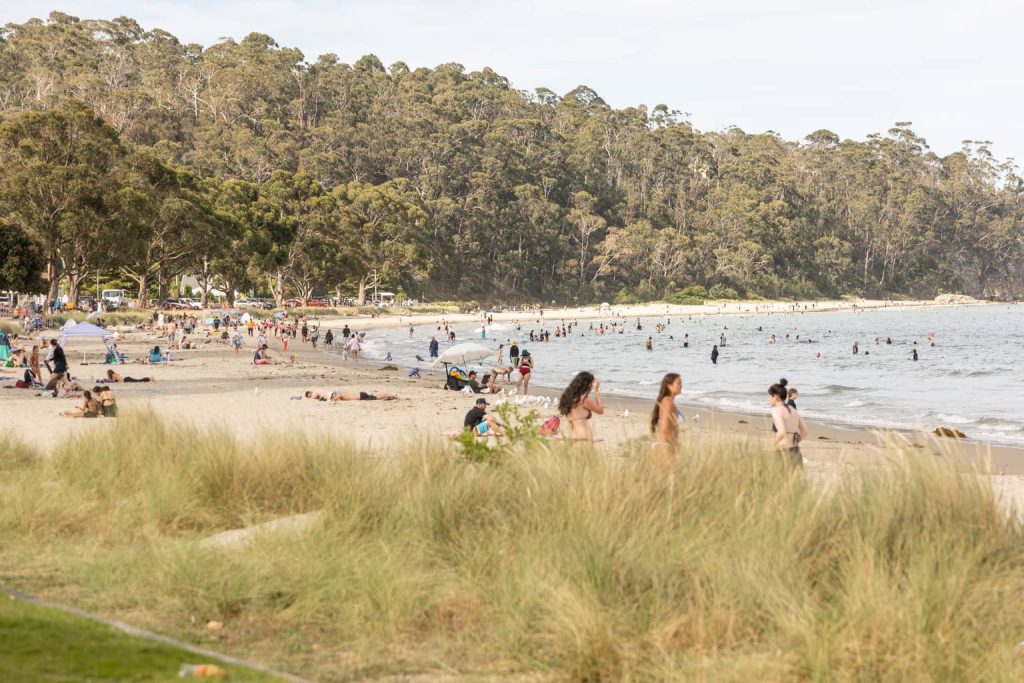
The levy would have added 5% to the total booking fee for short-stay accommodation booked through platforms for stays of less than 28 days.
The government had intended to introduce it from July 1, 2027.
It was a 2024 election commitment, with the government saying the money raised would go towards programs supporting first-home buyers.

Independent MLC Tania Rattray, who leads government business in the council, said the “cost and uncertainty of bespoke modelling would outweigh its likely value”.
“Economic modelling was not undertaken because the levy is small in the context of the overall travel expenditure and is not expected to significantly influence visitation decisions,” she said.
She also addressed the claim, repeated by the government since the election campaign, that 83% of short stays in Tasmania are used by non-locals.
Rattray told the upper house the figure was not based on a publicly available statistic, but had been supplied by an industry stakeholder.
She said the government still considered it a reasonable estimate.
Treasury expected the levy to raise about $7.3 million a year, down from an initial estimate of $11 million.
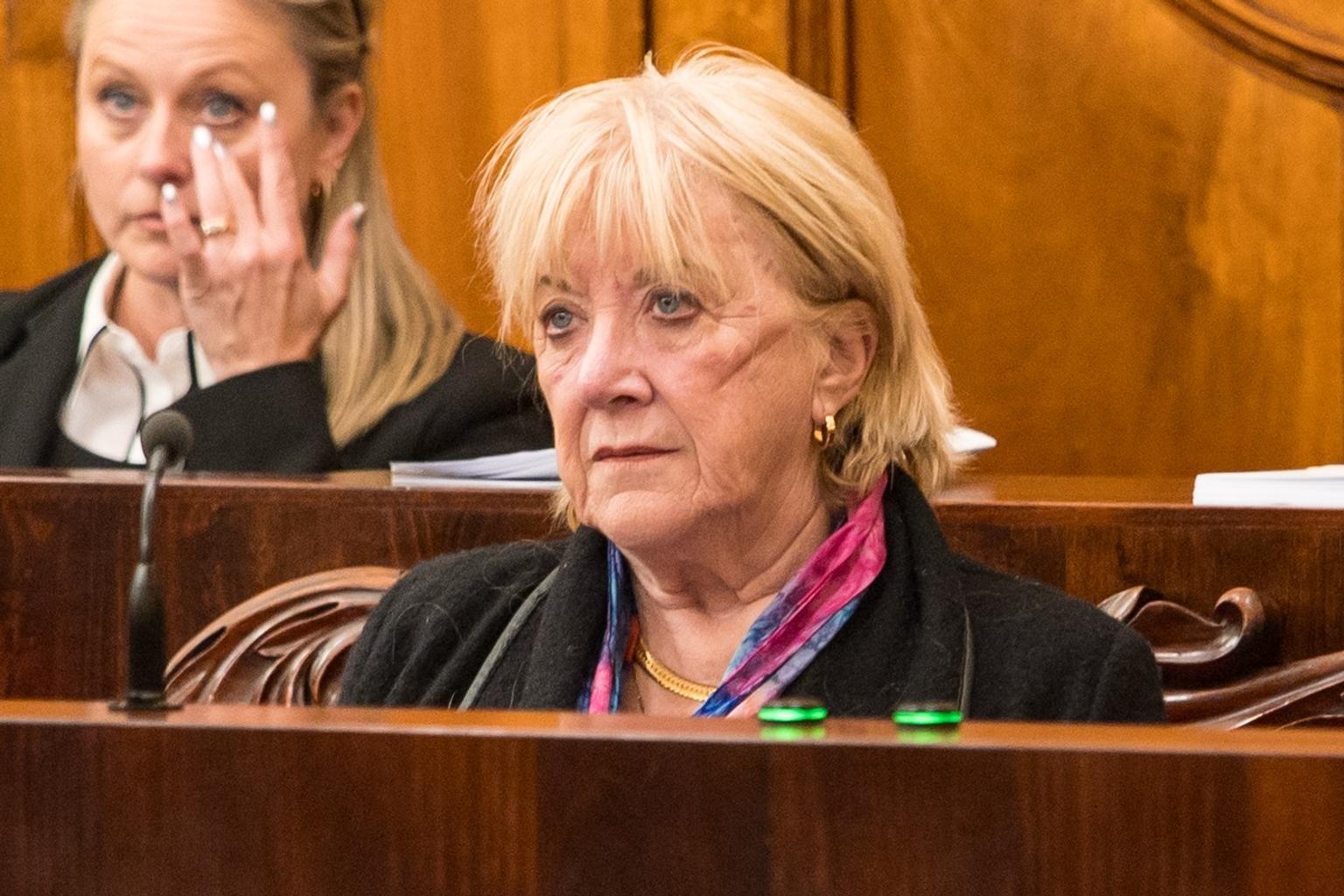
Independent Launceston MLC Rosemary Armitage said the housing crisis was real, but the bill had not been shown to fix it.
“… Good intentions don’t make bad legislation good,” she said.
Armitage said the government’s own second-reading speech had only claimed the levy “may” make more housing available for long-term rental.
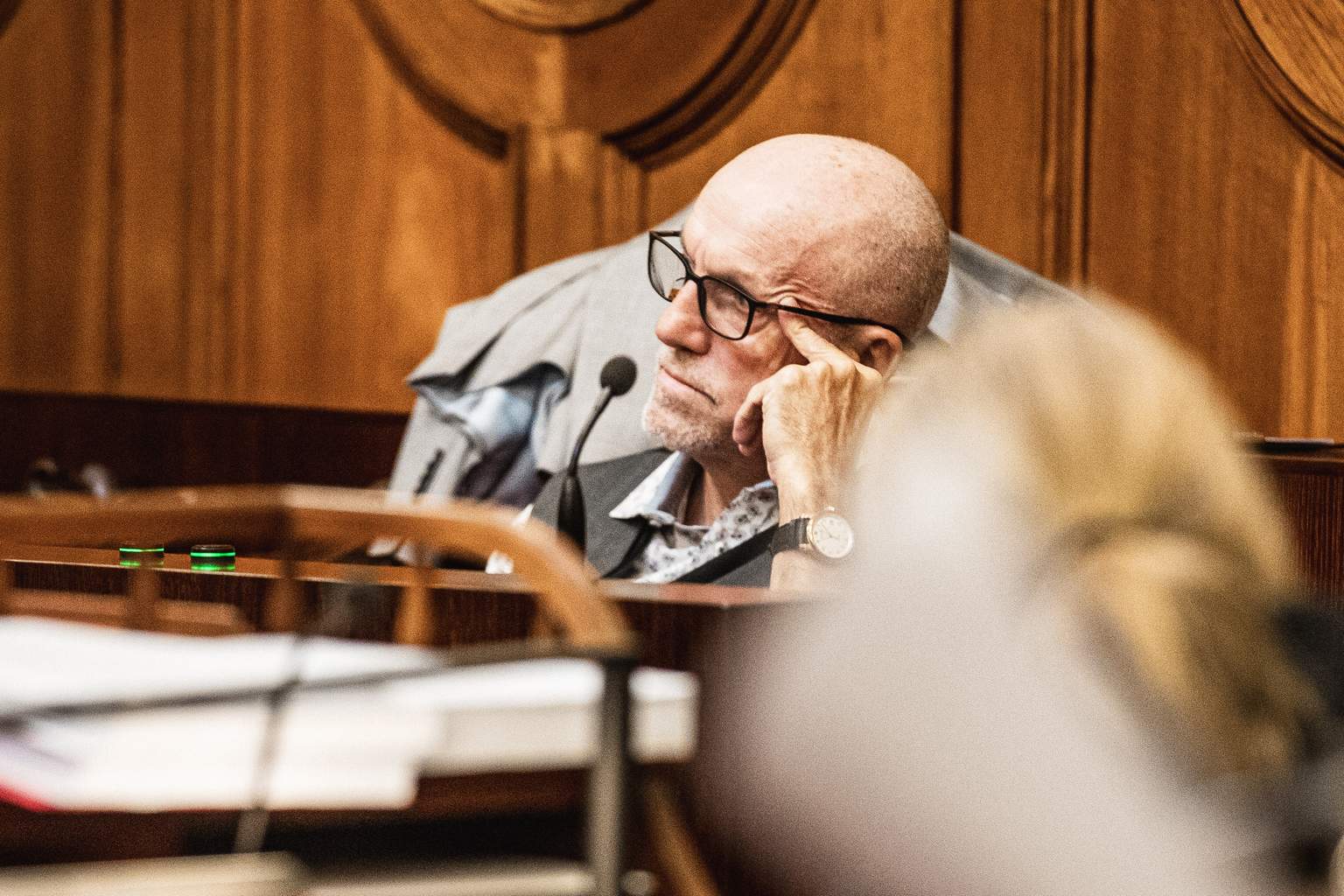
“‘May’ is not a housing strategy, is not evidence and is not enough when parliament is being asked to create a new tax,” she said.
Independent Mersey MLC Mike Gaffney said he had been told the 5% rate was decided with “no modelling, no debate”, because it seemed reasonable and was below Victoria’s 7.5%.
“This is nothing to our budget, it is about 1% of our projected operating deficit for 2025. It is about 0.1% of our annual spend and is a drop in the ocean of our total state debt,” Gaffney said.
“We don’t need $8 million, we need $800 million.”
Independent Montgomery MLC Casey Hiscutt said the promise to direct all the money to first-home buyers did not appear in the legislation.
“That’s not in the bill at all. There’s no legislative requirement,” he said.

“There is only a commitment and a policy but we know that commitments can change with only a few days.”
Independent Nelson MLC Meg Webb said the policy had been designed to be noticed rather than to work.
“The intent was to win votes, so it just needed to sound good as a media grab and bite on the day,” she said.
“It just needed to sound like it might be something that appealed to average Tasmanians out in the street as a reasonable thing to do.”
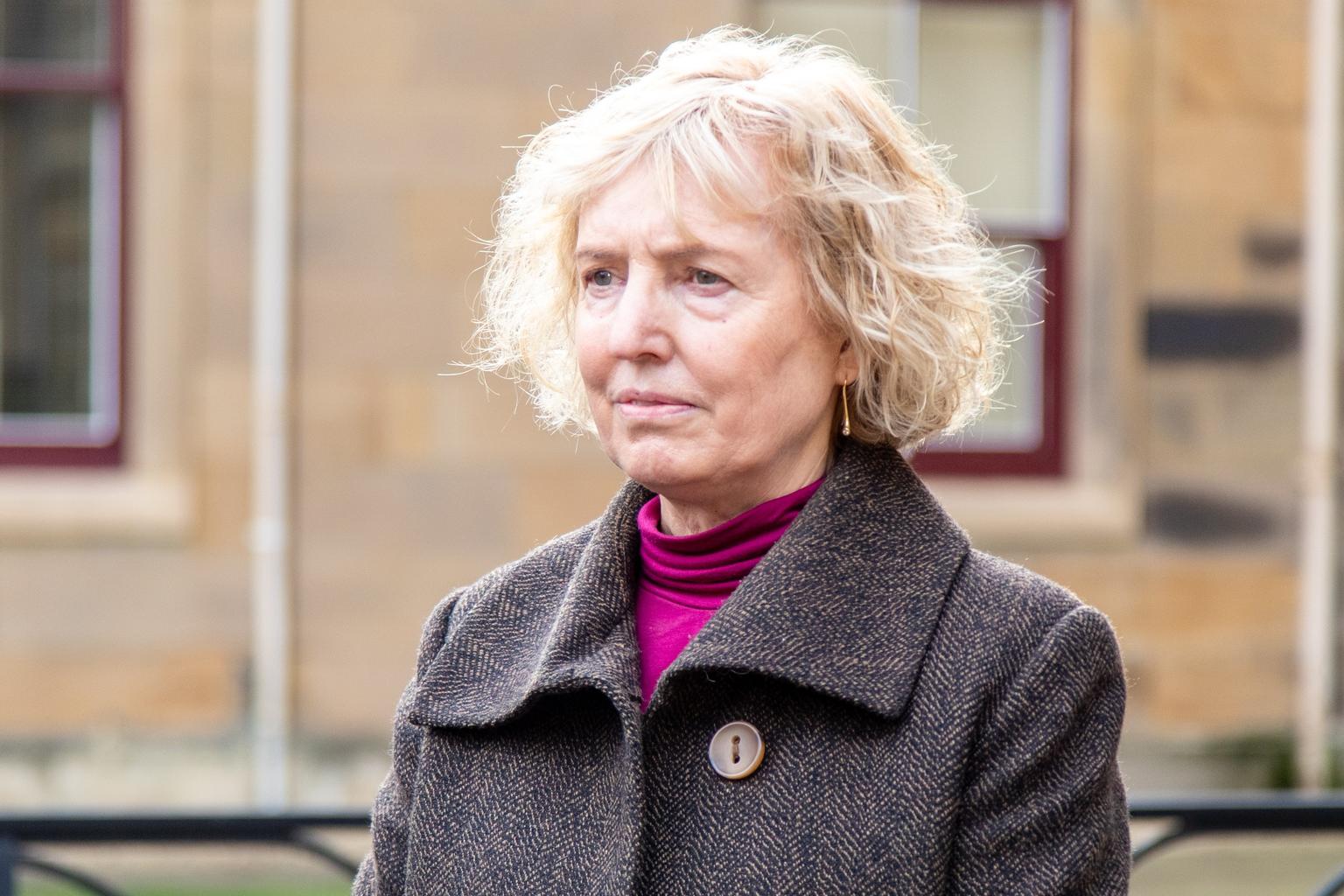
Independent Murchison MLC Ruth Forrest said she welcomed the government looking at new revenue but could not support the bill.
“I think we need to structure a system that works for all and fix the problems that sit underneath a lot of this. This won’t fix the housing crisis,” she said.
Labor MLC Luke Edmunds said the levy would take money from the regions for schemes that increased demand rather than supply. He said there was no evidence it would improve housing affordability.
“I’m opposing the short-stay levy because it raises a tax, not a housing solution,” he said.
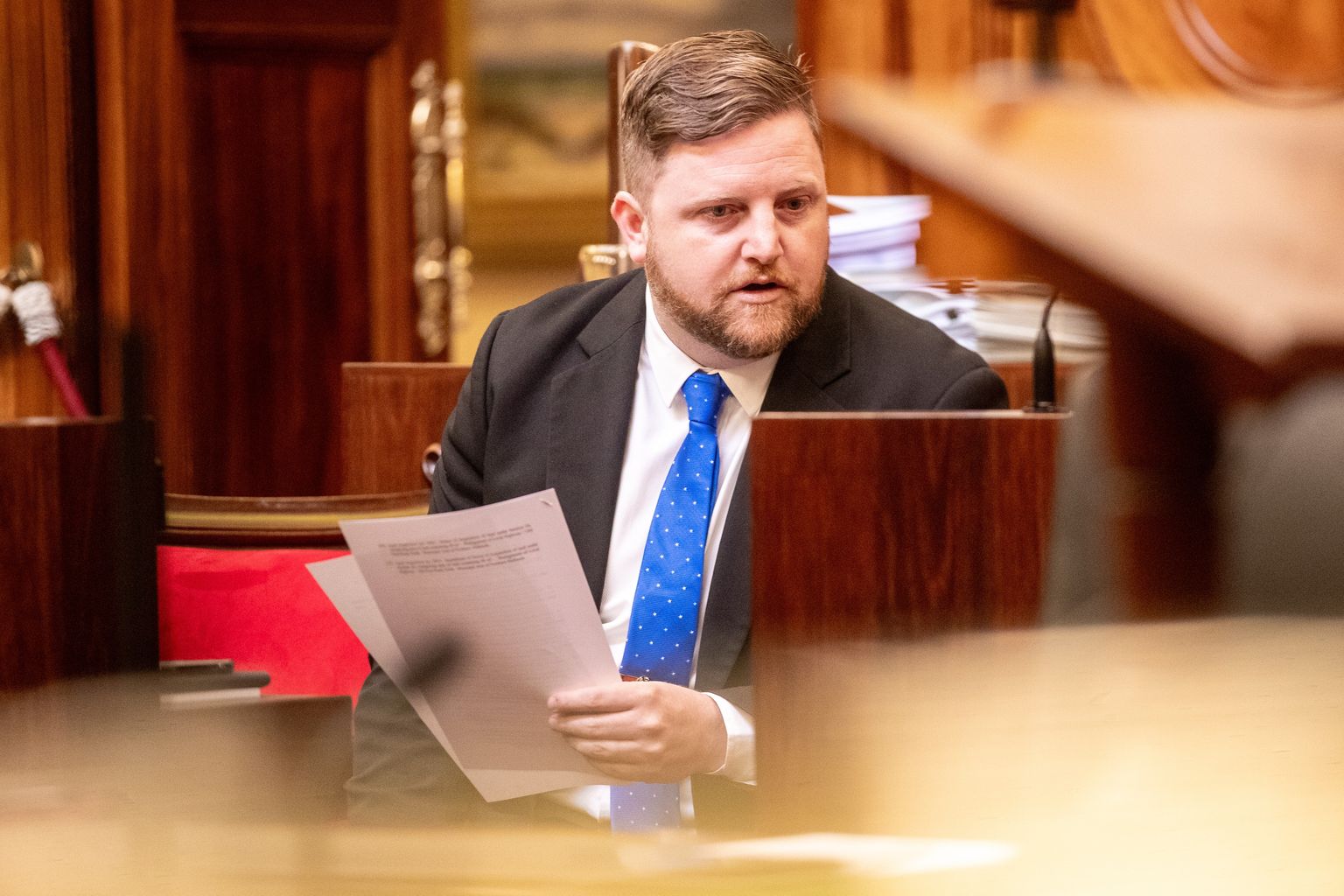
“The levy doesn’t build a single home. It doesn’t change planning settings, construction capacity, land release or development pipelines, the real drivers of Tasmania’s housing challenge.”
Greens MLC Cassy O’Connor voted for the bill as a revenue measure, while saying it would do very little to address the housing crisis.
In a statement, Treasurer Eric Abetz blamed the opposition for the bill’s defeat.
“The Tasmanian government’s modest 5% short stay levy, which would have been paid for overwhelmingly (over 80%) by interstate and international visitors, has been voted down by Labor,” he said.
“The Tasmanian government took this commitment to the election. It has been consulted on over years.”
“It had strong protections for hotels, motels, inns and other similar commercial accommodation.”
Labor MP and shadow treasurer Dean Winter said the bill had fallen apart under its own contradictions.
“Treasurer Eric Abetz brought a deeply flawed tourism tax to parliament without doing a single shred of economic modelling,” he said.
“Instead of delivering a clear and coherent strategy to fix Tasmania’s housing crisis, the Liberals cooked up legislation so riddled with contradictions that even the upper house couldn’t save it.”