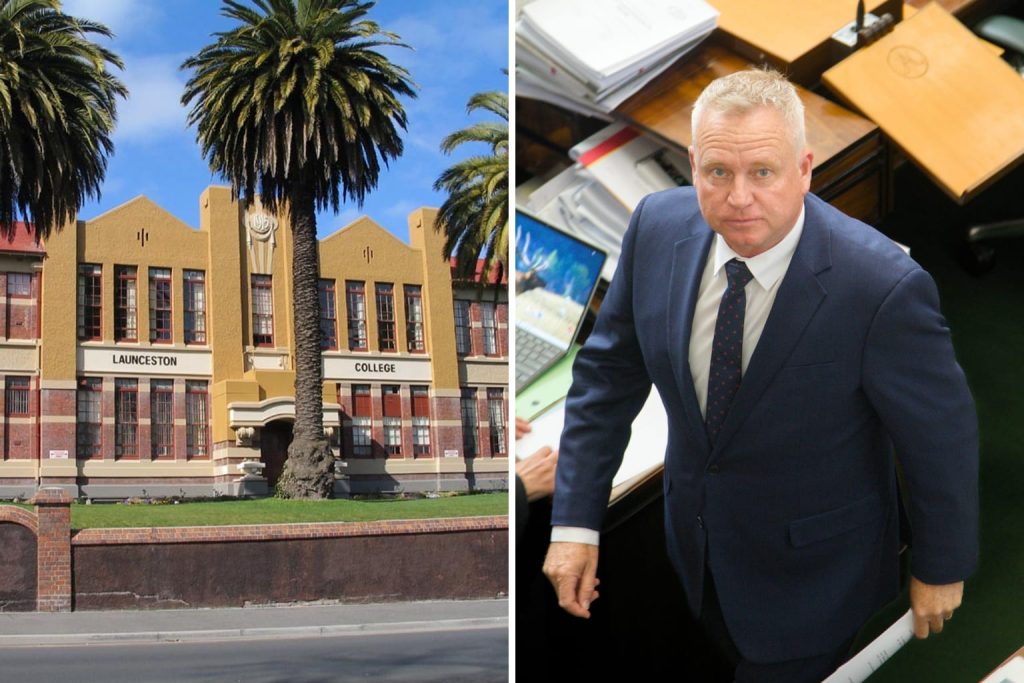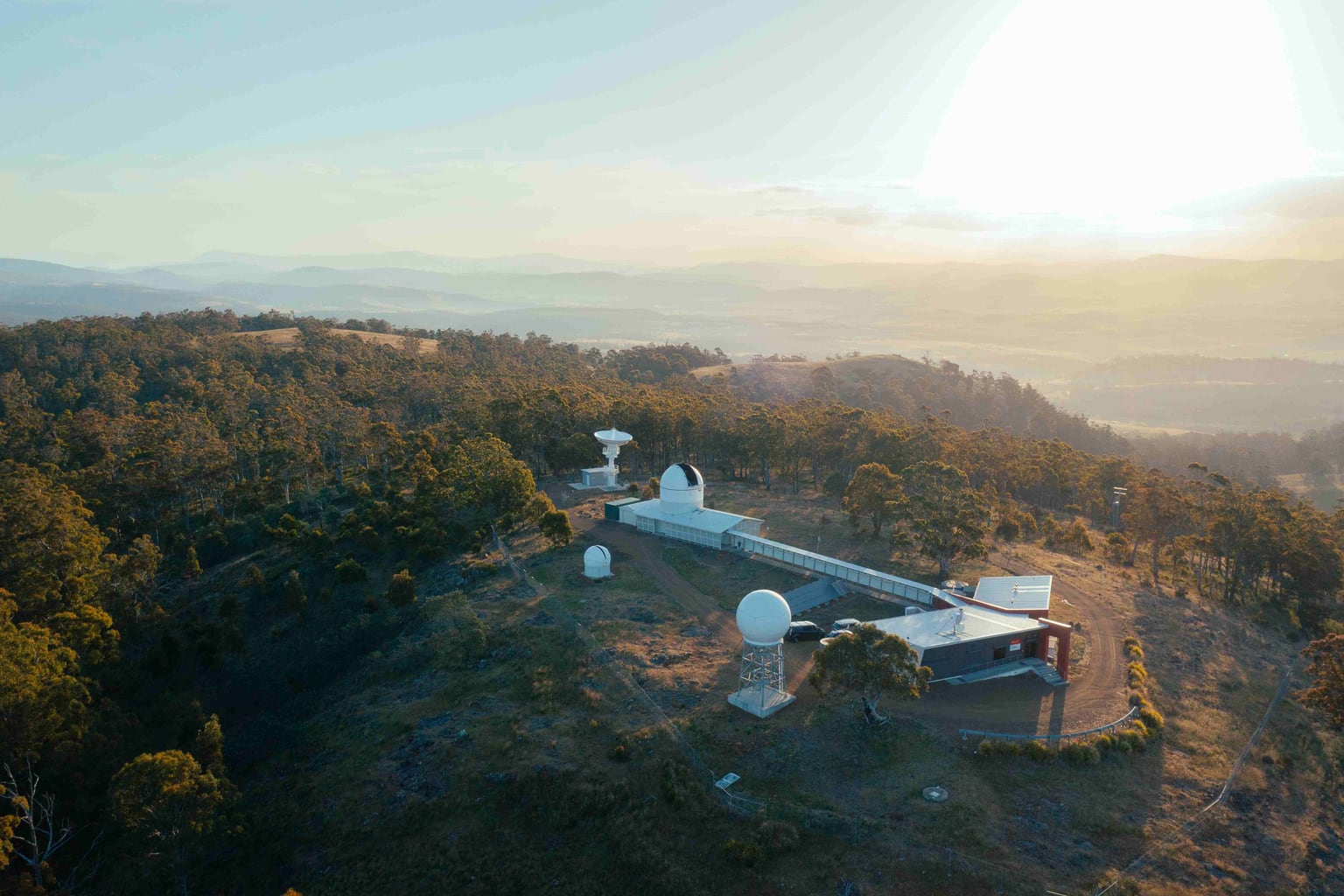
The University of Tasmania will help track satellites, space debris and other hazards in orbit as one of three university partners in a new $5 million national training centre.
The ARC Training Centre for Space Domain Awareness will be led by the University of Western Australia, in partnership with the University of Tasmania and UNSW Canberra.
The Australian Research Council will provide $5 million over five years through its Industrial Transformation Research Program. The university said contributions from the universities and 22 national and international partner organisations would bring the centre’s total value to $20 million.
The centre will bring PhD candidates and a postdoctoral researcher to Tasmania. It will also help build mission-control capability to coordinate space-monitoring operations, including ground services already running in the state.
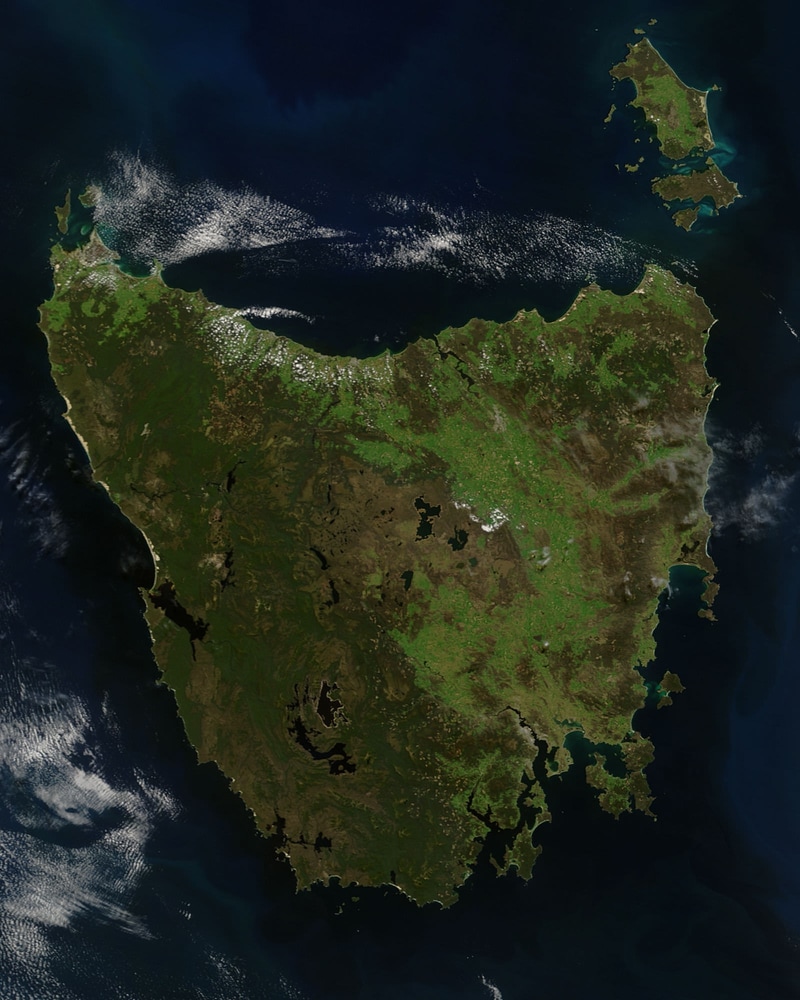
Researchers plan to combine data from sensors across Australia to build a fuller picture of activity in orbit, where satellites share space with defunct spacecraft, debris and natural objects.
University research space scientist Guifré Molera Calvés said Australia needed a clearer picture of what was happening in space.
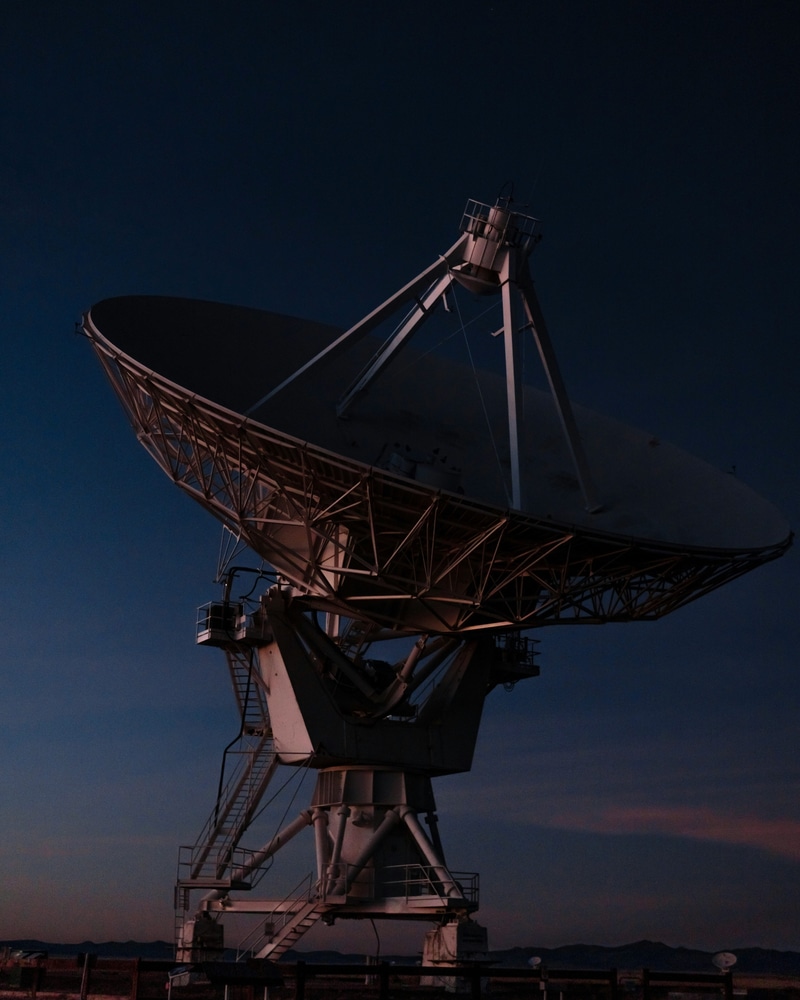
“Space is becoming more crowded, more strategically important and increasingly complex to manage,” Molera Calvés said.
“To protect the services we depend on every day, we need to know what is in orbit, where the objects are heading and whether they pose a risk to satellites, infrastructure or other space users.”
The Tasmanian team also includes Professor Jeffrey McGee, from the Institute for Marine and Antarctic Studies (IMAS) and Law and Adjunct Professor Tony Press from IMAS.
McGee said managing the space environment would require international cooperation as well as better technology.
“As more governments and private companies use space, international rules must keep pace with the emerging risks and opportunities,” he said.
Press said space activity also raised questions for Antarctica.
“As technology develops rapidly, it is important to ensure Antarctica remains free from military activity and conflict,” he said.
The Tasmanian researchers will work with more than 10 industry partners in Australia, Finland, Japan, the United Kingdom and the United States.
“This is an opportunity to train a new generation of space researchers in Tasmania while building the capability Australia will need in the years ahead,” Molera Calvés said.