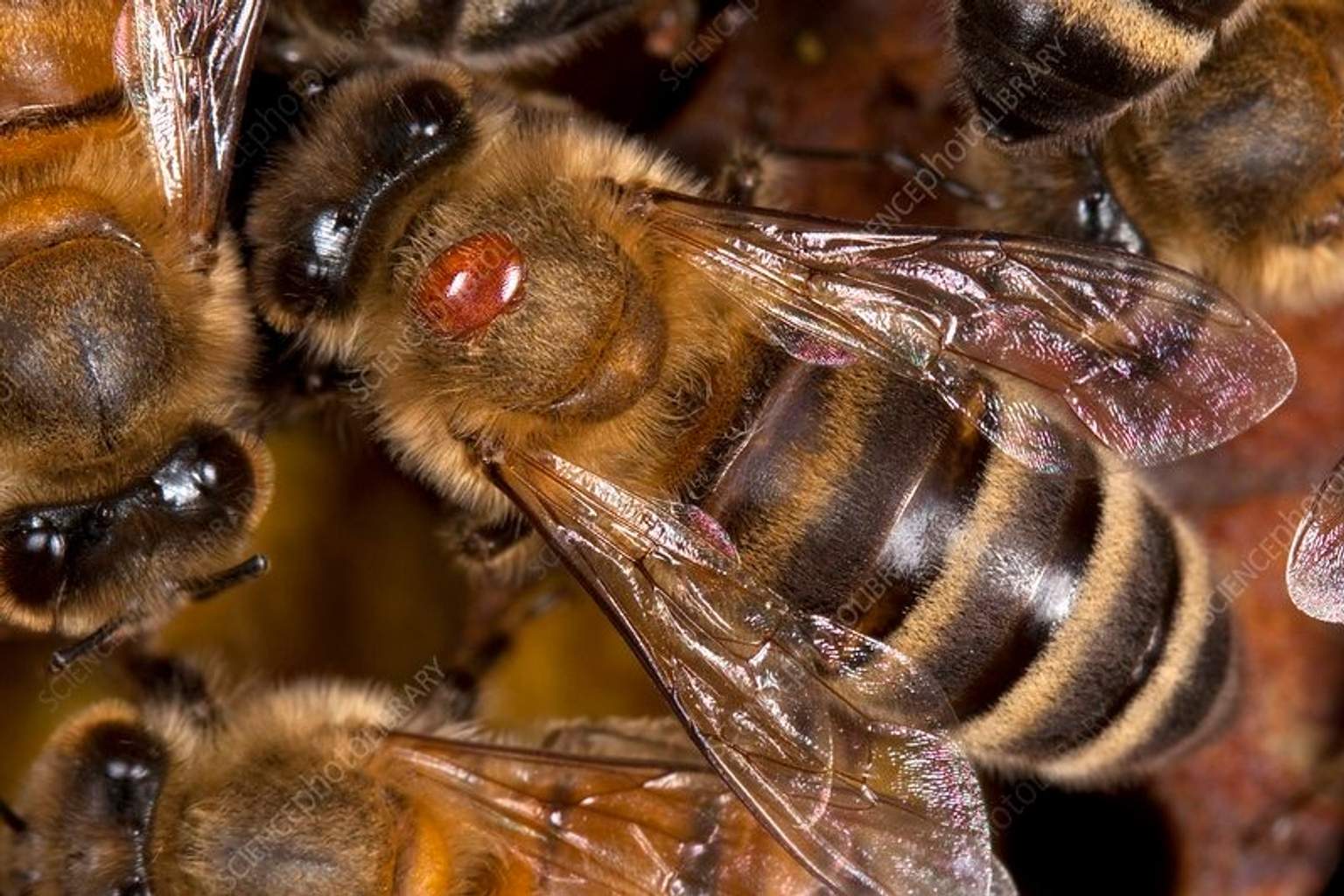
Tasmanian growers who rely on wild honey bees to pollinate their crops could face a serious hit if the Varroa mite reaches the state, a new study warns.
The Tasmanian Institute of Agriculture (TIA) study found many local crops depend on feral honey bee colonies, which cannot be treated for the parasite the way managed hives can.
Tasmania is currently Varroa-free. But the mite is now established across mainland Australia’s eastern and southern states, where it has hit European honey bee colonies hard.
TIA entomologist Jonathan Finch said the loss of wild bees could ripple through fruit, berry and seed crops.
“International experience suggests that Varroa can reduce feral honey bee populations by more than 90% within several years of establishment,” Finch said.
“A major decline in feral honey bees could reduce pollination services currently supporting Tasmanian crops, including fruit, berry and seed crops.”
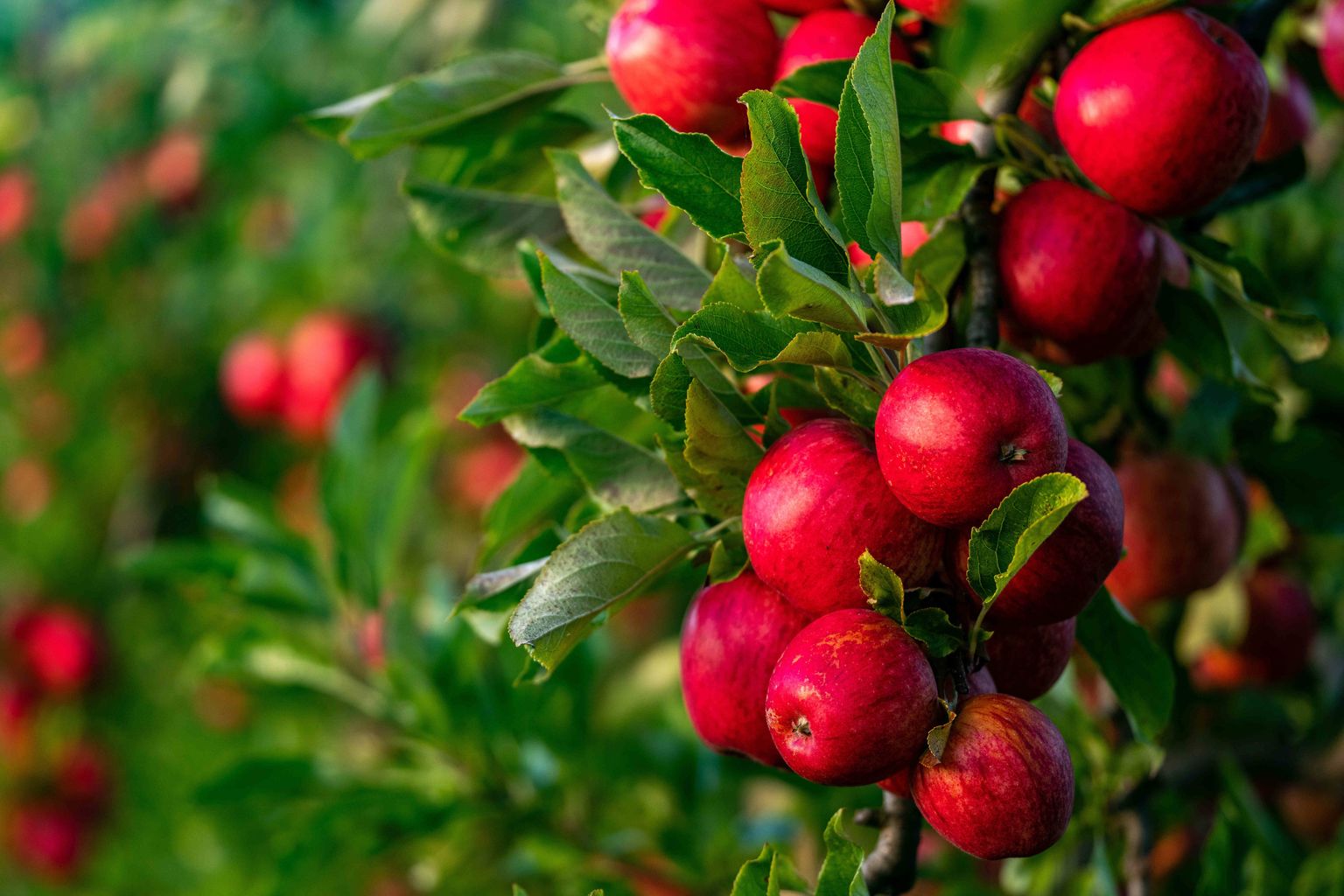
The study found apple production, particularly in the Huon Valley, showed the strongest reliance on wild bees.
Finch said apple growers who used few or no managed hives might need to rethink their pollination plans if feral bee numbers fell.
Vegetable seed production, by contrast, was found to be highly dependent on managed hives.
“If Varroa increases the cost and complexity of maintaining strong hives, that could have implications for seed growers as well as fruit and berry growers,” Finch said.
The researchers compared how many hives growers reported using against published benchmark rates to work out where wild bees were quietly doing the work.
The warning comes as the mainland battles a worsening outbreak.
Australia has spent more than $100 million on Varroa and treatment-resistant strains are now spreading that blunt the main chemical controls.
Finch urged growers who rely on managed hives to talk to their beekeepers about preparedness, including hive monitoring, treatment plans and future costs.
“The message is that growers should understand how much they currently rely on managed hives versus background pollination and plan ahead for a future in which feral honey bees may be less abundant and managed hives may become more expensive or harder to source,” he said.