A battery placed in a recycling bin is believed to have sparked a fire in a collection truck, prompting a warning for people to keep batteries out of household bins.
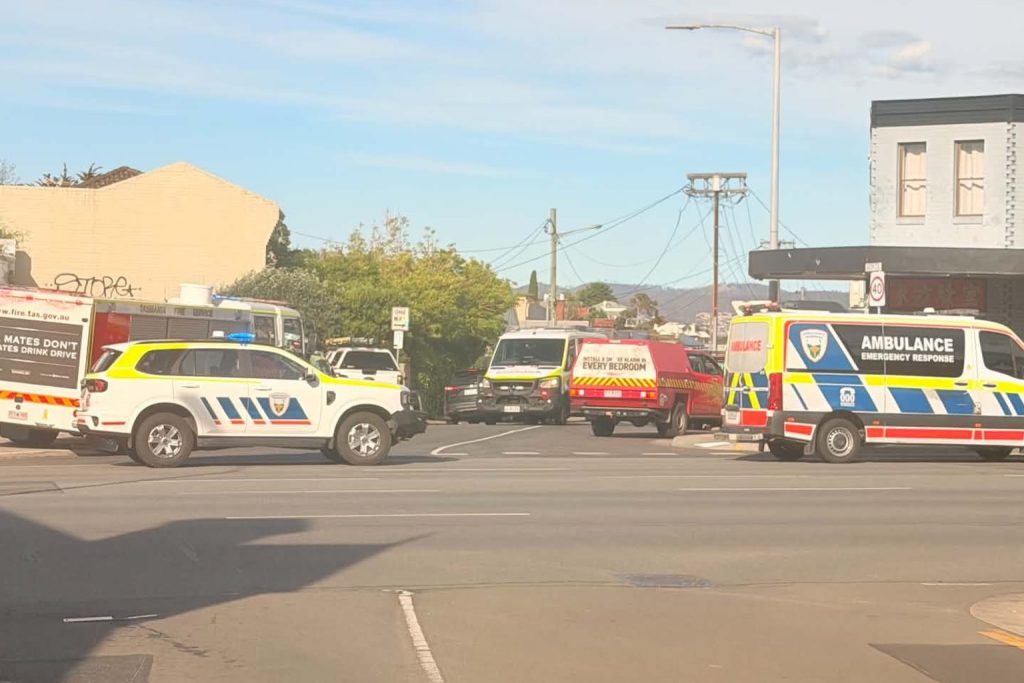
The Glenorchy City Council said its Jackson Street Landfill received a call on Monday reporting that a contractor-operated collection truck was on fire.
The council said the blaze caused “significant damage” to the truck and “put the driver’s safety at serious risk”.
Batteries can start fires if they are crushed or damaged during collection and processing.
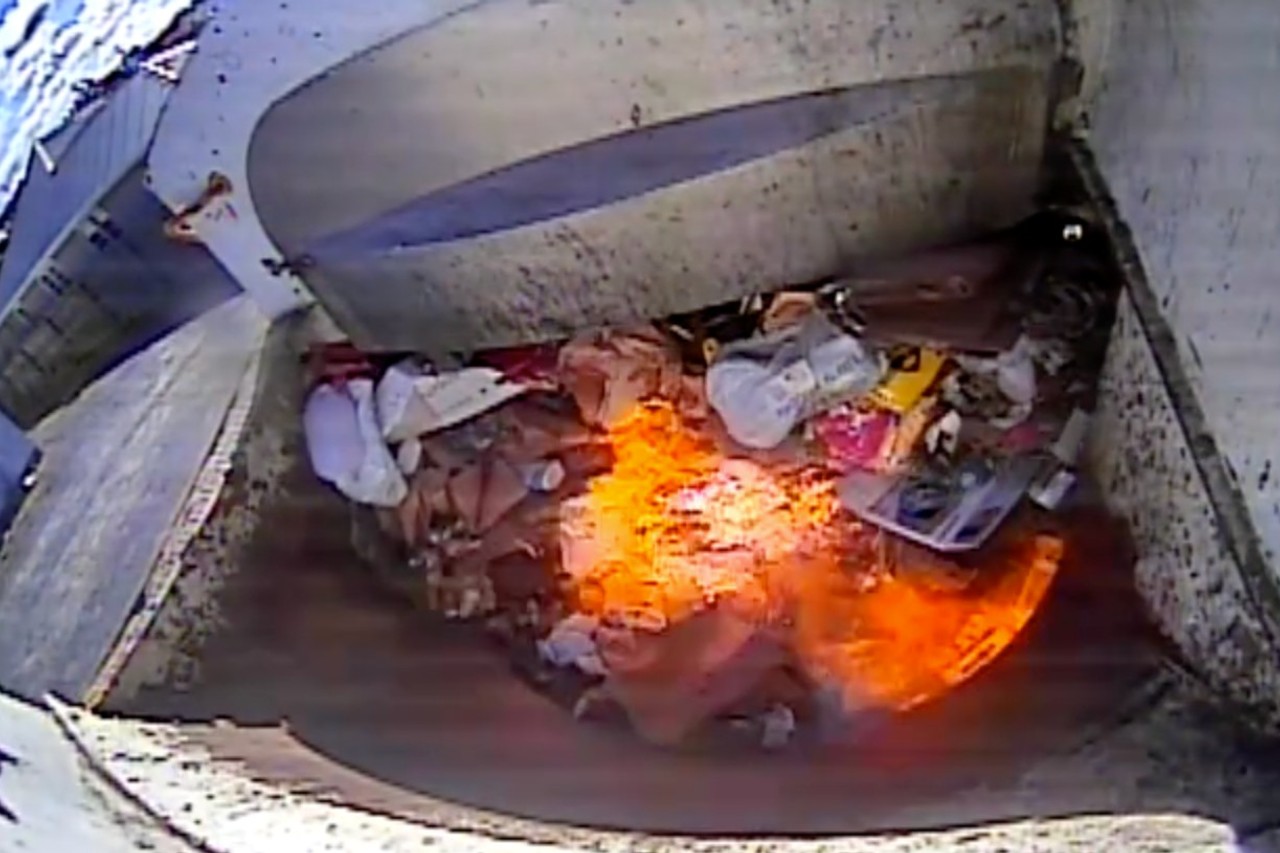
“One battery in the wrong bin can cause a serious fire,” the council wrote online.
Residents are being urged to take batteries to a battery recycling drop-off point rather than putting them in general waste or recycling bins.
The warning comes after the Hobart City Council and Tasmania’s major waste operators launched the ‘Flammable Five’ campaign.
The campaign targets batteries, e-waste, gas bottles, marine flares and vapes, which should not be placed in household bins.
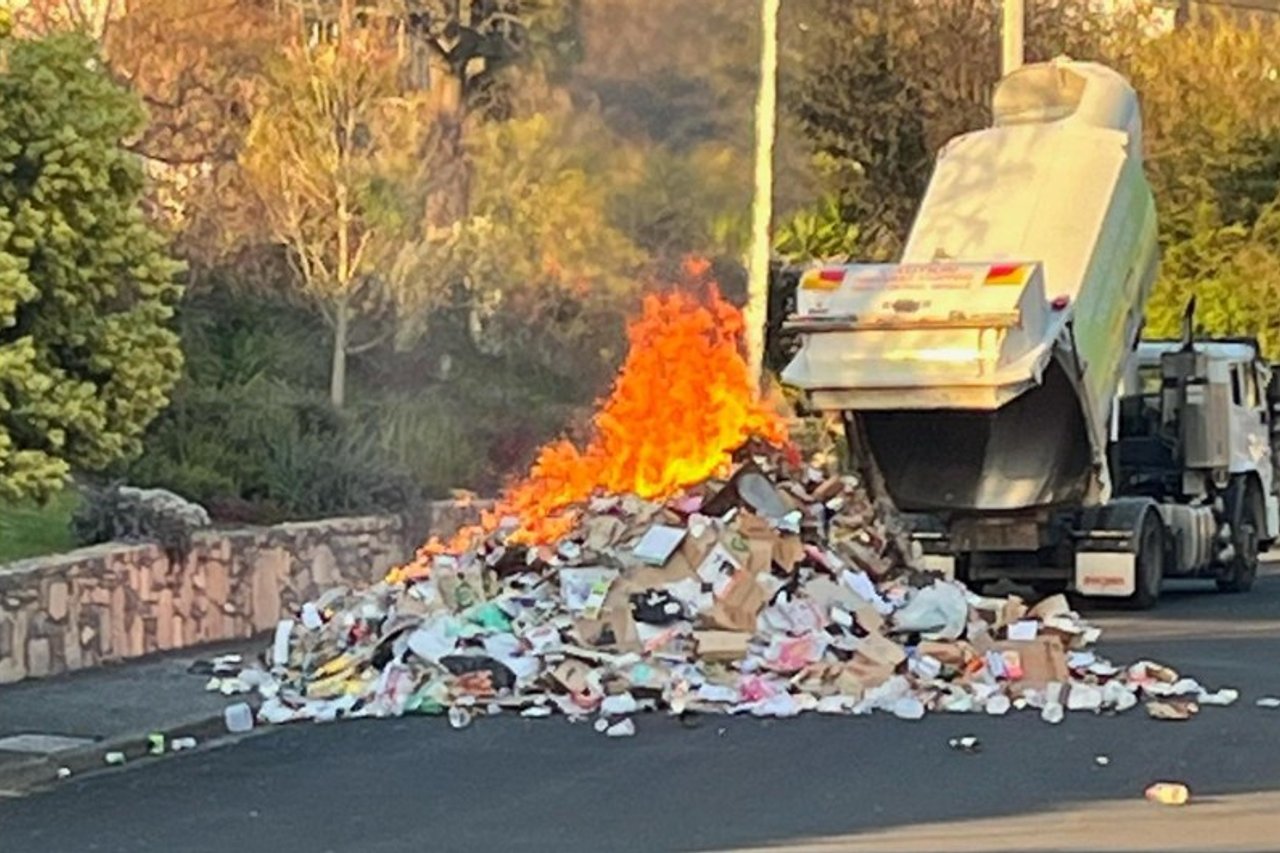
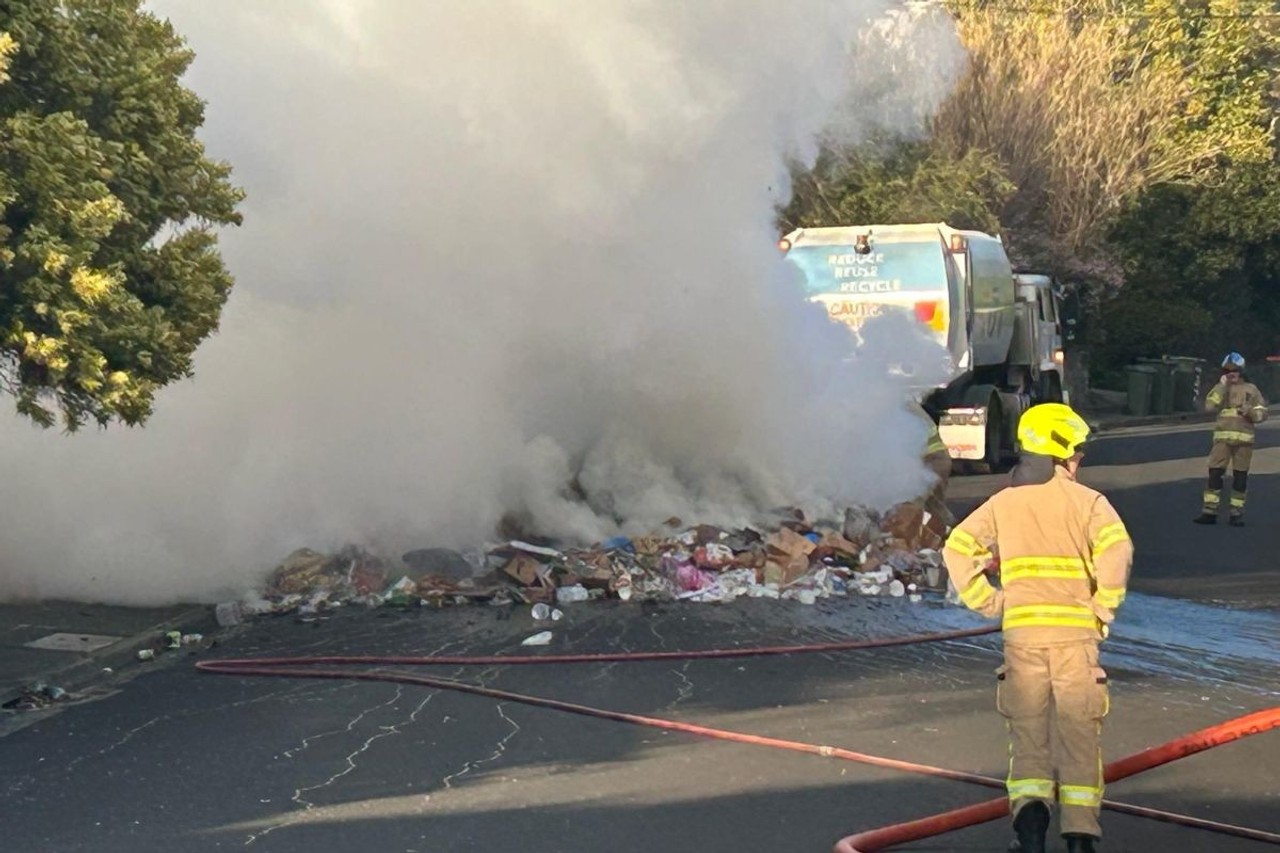
One of Hobart’s waste trucks caught fire in Sandy Bay last year after a flammable item ignited in the load.
The driver had to empty the smouldering load onto the street to stop the fire from spreading.
City of Hobart waste and circular economy program manager Fiona McAlpine said the campaign was about keeping waste workers safe.
“We operate the landfill at McRobies Gully and run a fleet of collection trucks every day,” she said.
“When batteries, vapes, gas bottles and other flammable items are disposed of incorrectly, they create a very real fire risk for the people who collect, sort and manage our waste.”