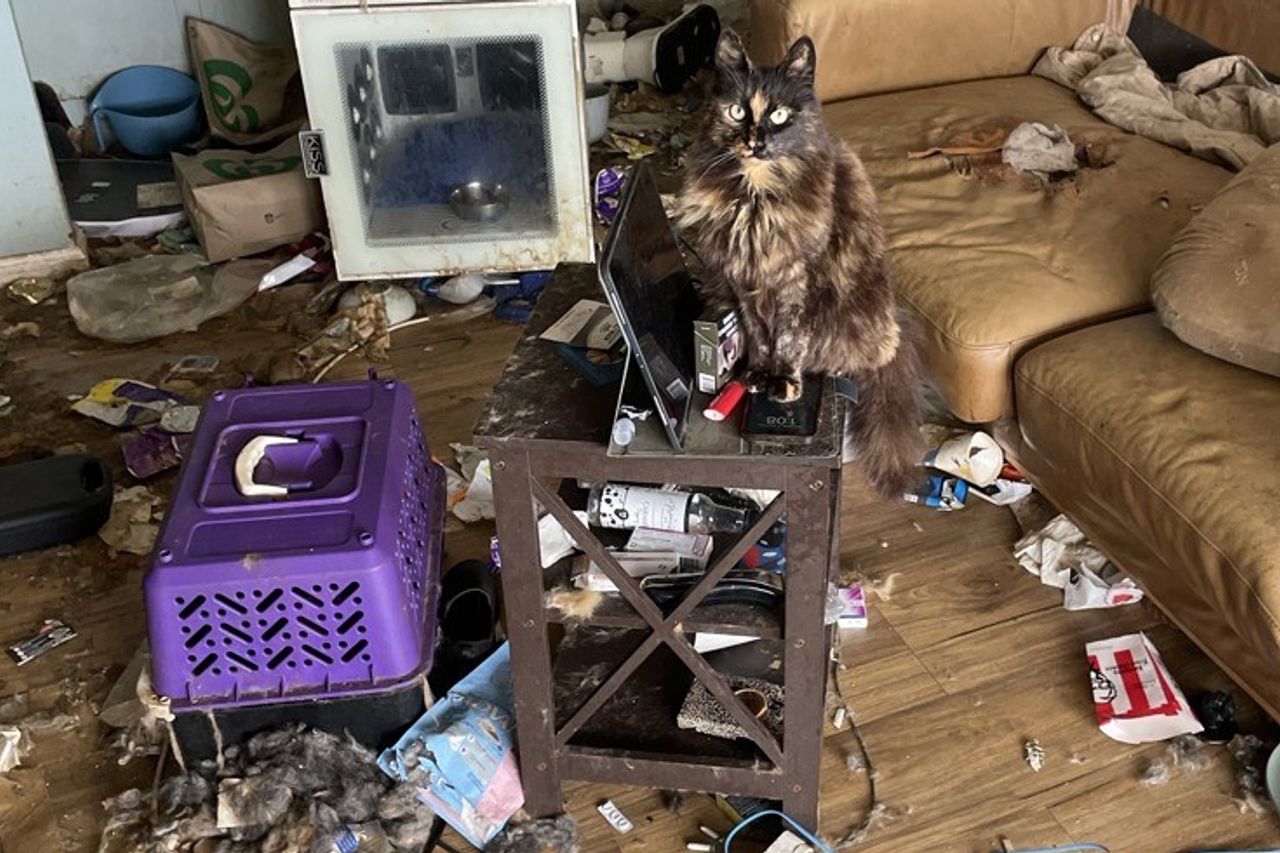
A Hobart woman has been banned from owning cats for the rest of her life after RSPCA inspectors found dozens of animals living in filthy conditions at her home, including dead kittens in her freezer.
Karen Blake, 67, pleaded guilty to one count of management of animals and 21 counts of animal cruelty.
The charges followed an RSPCA Tasmania investigation in December 2024, after inspectors received a complaint about the welfare of a large number of cats at her Midway Point property.
Inspectors were met with an “extremely strong” smell of urine, faeces and ammonia, with rubbish and waste covering nearly every surface.
Some areas contained animal faeces “several centimetres deep”.
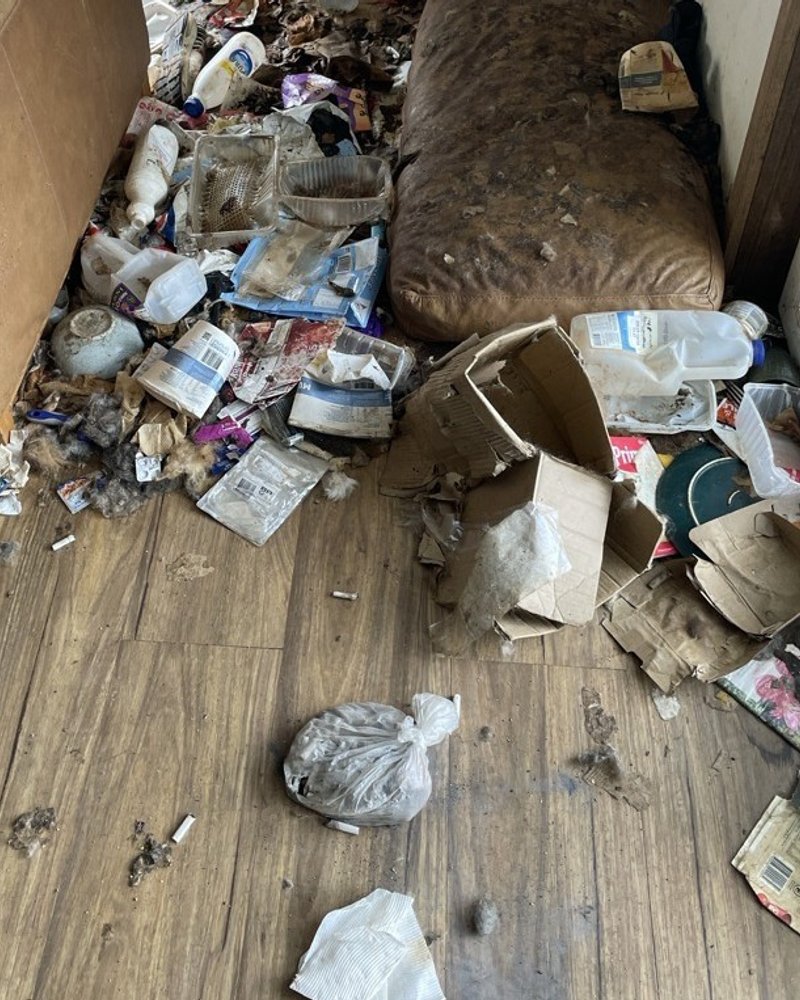
12 kittens were found dead in Blake’s freezer, while several more were found decomposing around the house.
In total, 69 cats and two dogs were seized from the property.
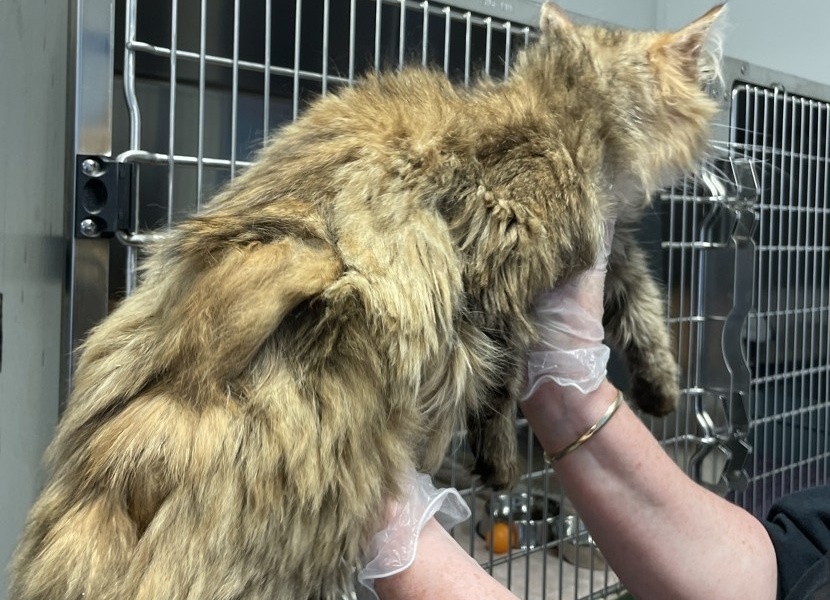
Many of the animals were suffering from poor body condition, matted coats, anaemia, dental disease and respiratory infections.
The RSPCA had visited the property several times between 2017 and 2024 following complaints from the public about smells and noises.
Blake’s lawyer told the court her client had struggled with anxiety, depression and agoraphobia.
They said Blake became overwhelmed in 2017 after her father died and she began caring for her mother.
Blake was sentenced to a wholly suspended six months’ imprisonment and permanently disqualified from owning cats.
She was also ordered to pay the RSPCA $27,000.
RSPCA Tasmania chief inspector Jayden Stirrup said the case showed the scale of the welfare concerns.
“This was a serious case of animal neglect involving a large number of animals whose basic welfare needs were not being met,” he said.
“The conditions these animals were living in were completely unacceptable and no animal should be left in an environment where their health and welfare are being seriously compromised.”
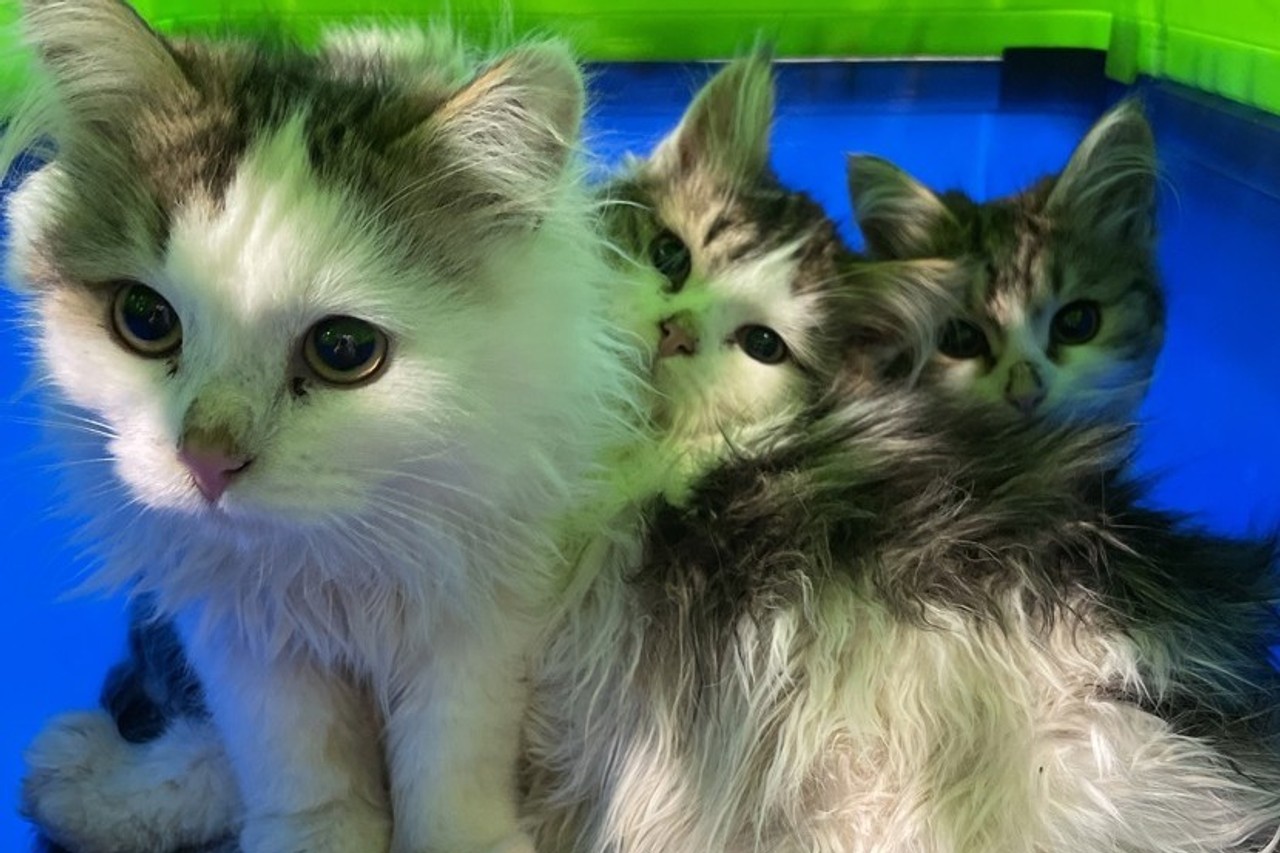
While many of the cats had to be put down, some were rehomed with help from Ten Lives.
“Animals depend entirely on their owners to provide appropriate living conditions, food, water and timely veterinary treatment when they are sick or injured,” Stirrup said.
“These are fundamental responsibilities of animal ownership and cannot be ignored.”