A record 62 scientists are preparing to fan out across Tasmania as part of the Young Tassie Scientists program, visiting more than 132 schools in what organisers say is the biggest effort in the initiative’s history.
The program connects students with researchers from a wide range of science fields through hands-on presentations and interactive demonstrations.
Since 2017 the program has consistently reached more than 27,000 Tasmanians every August, amounting to around 5% of the state’s population speaking with a Young Tassie Scientist face to face during National Science Week.
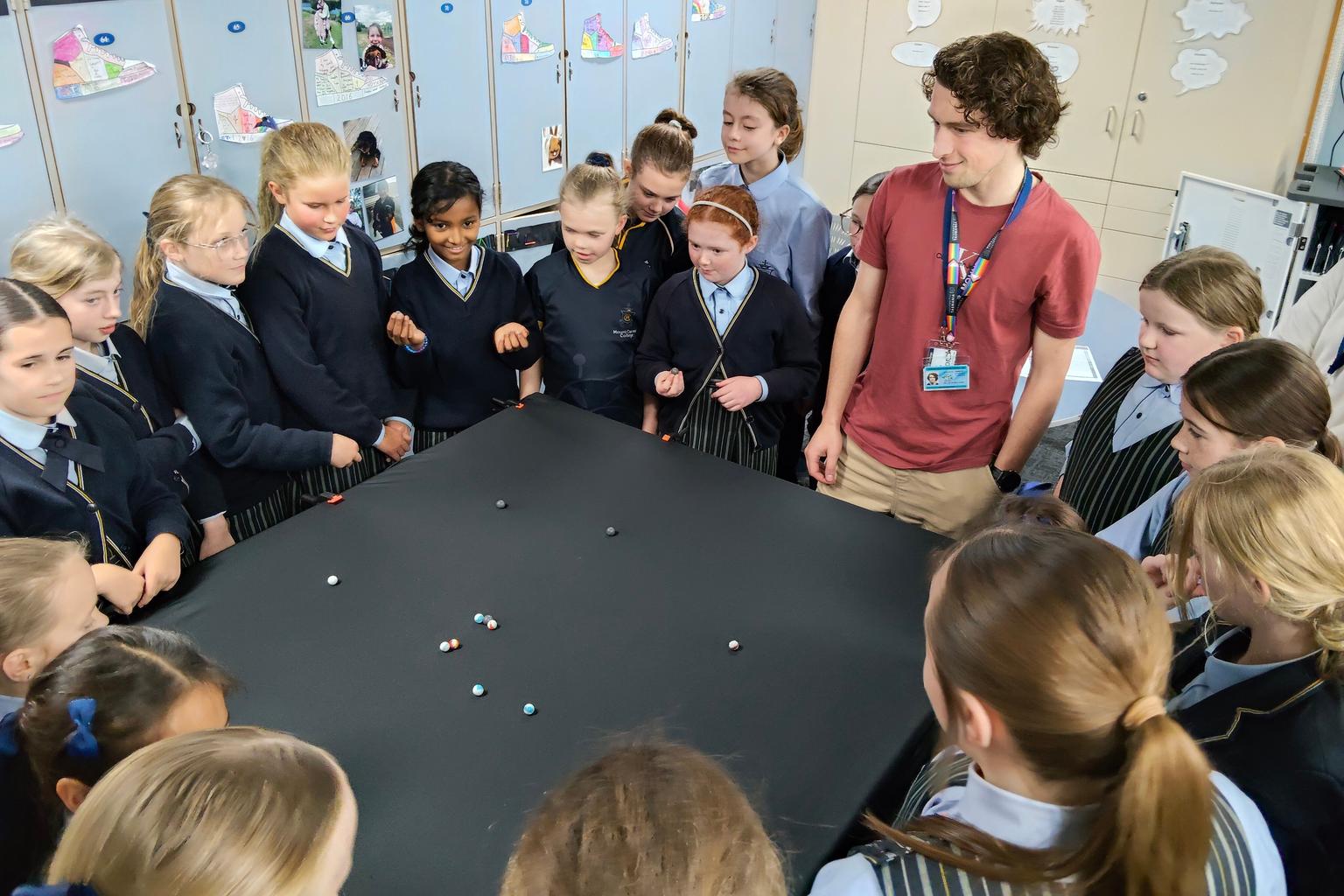
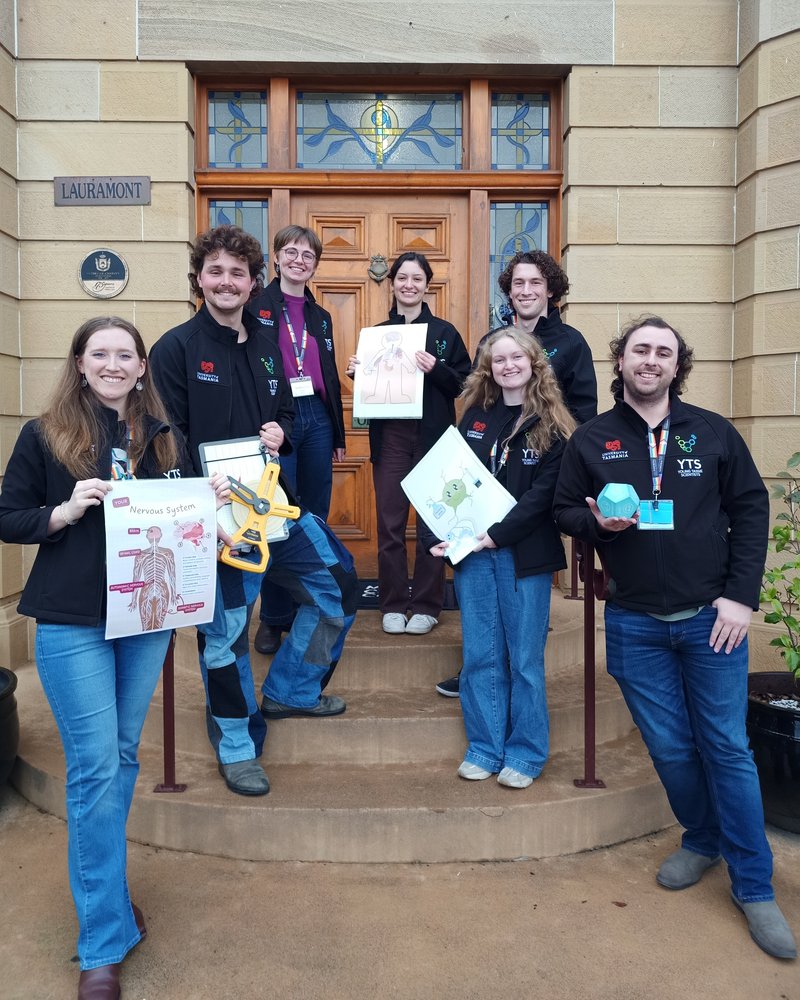
Training sessions took place at Mount Carmel College in Sandy Bay on Wednesday, giving presenters a chance to fine-tune their material before the statewide tour begins in 12 days.
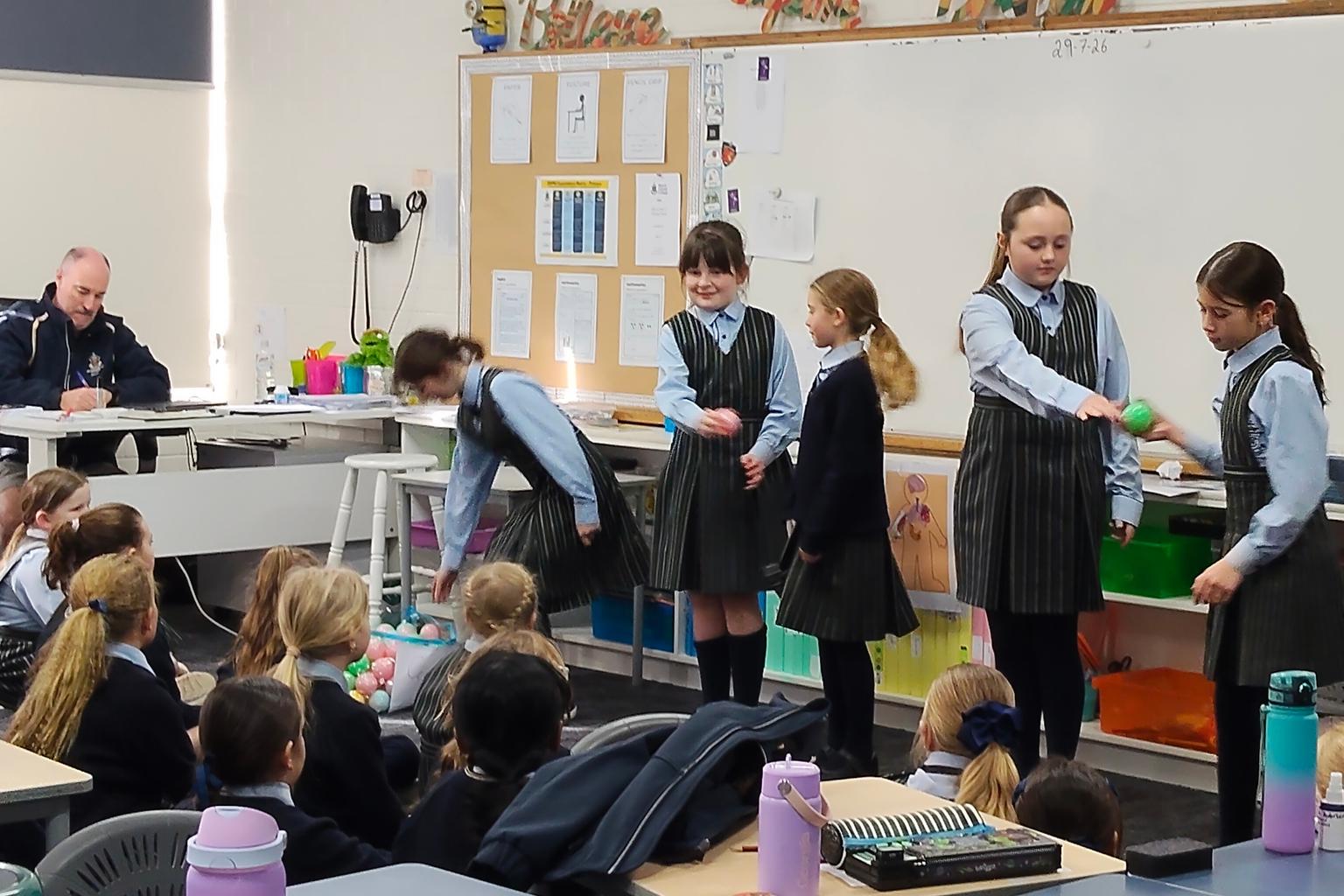
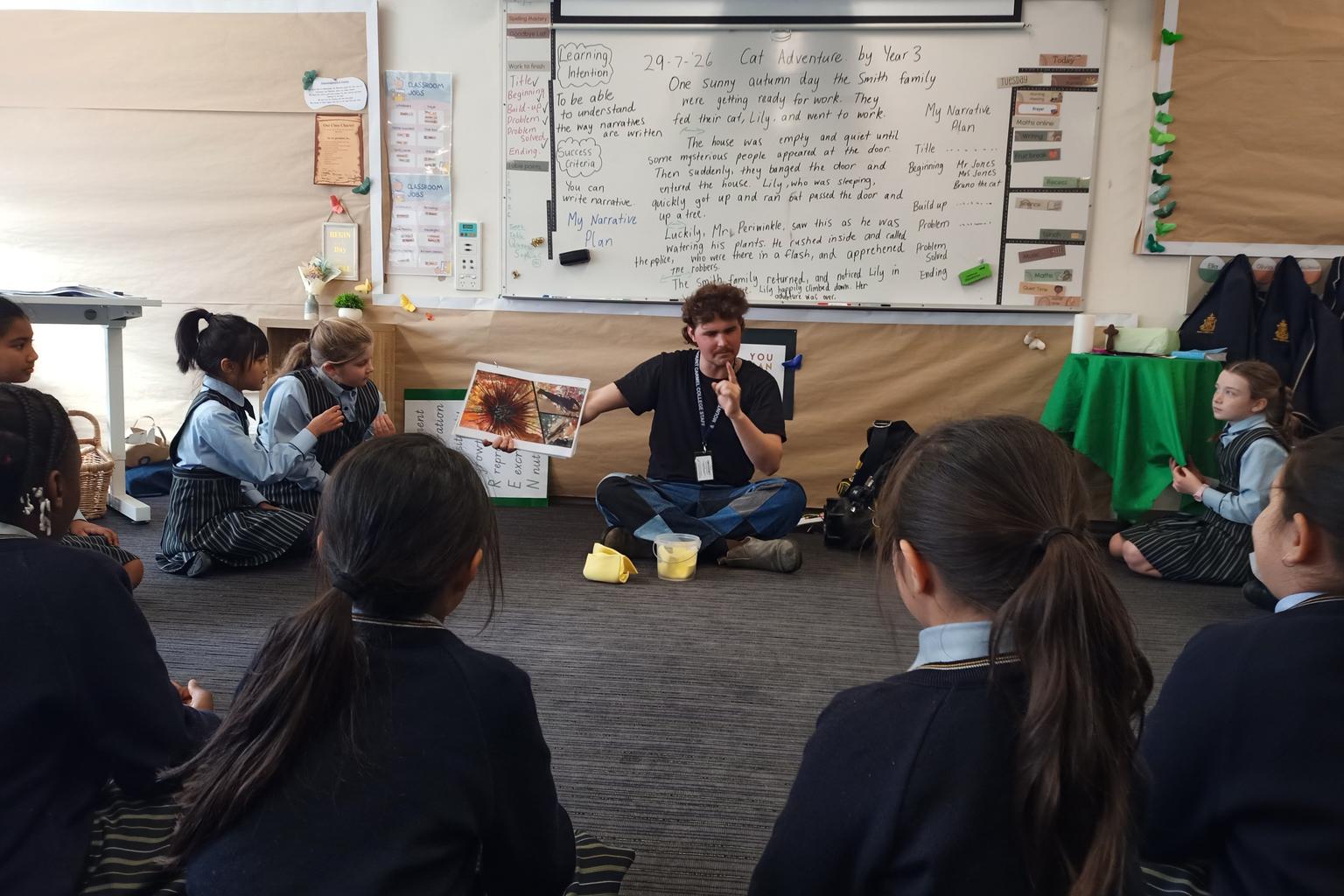
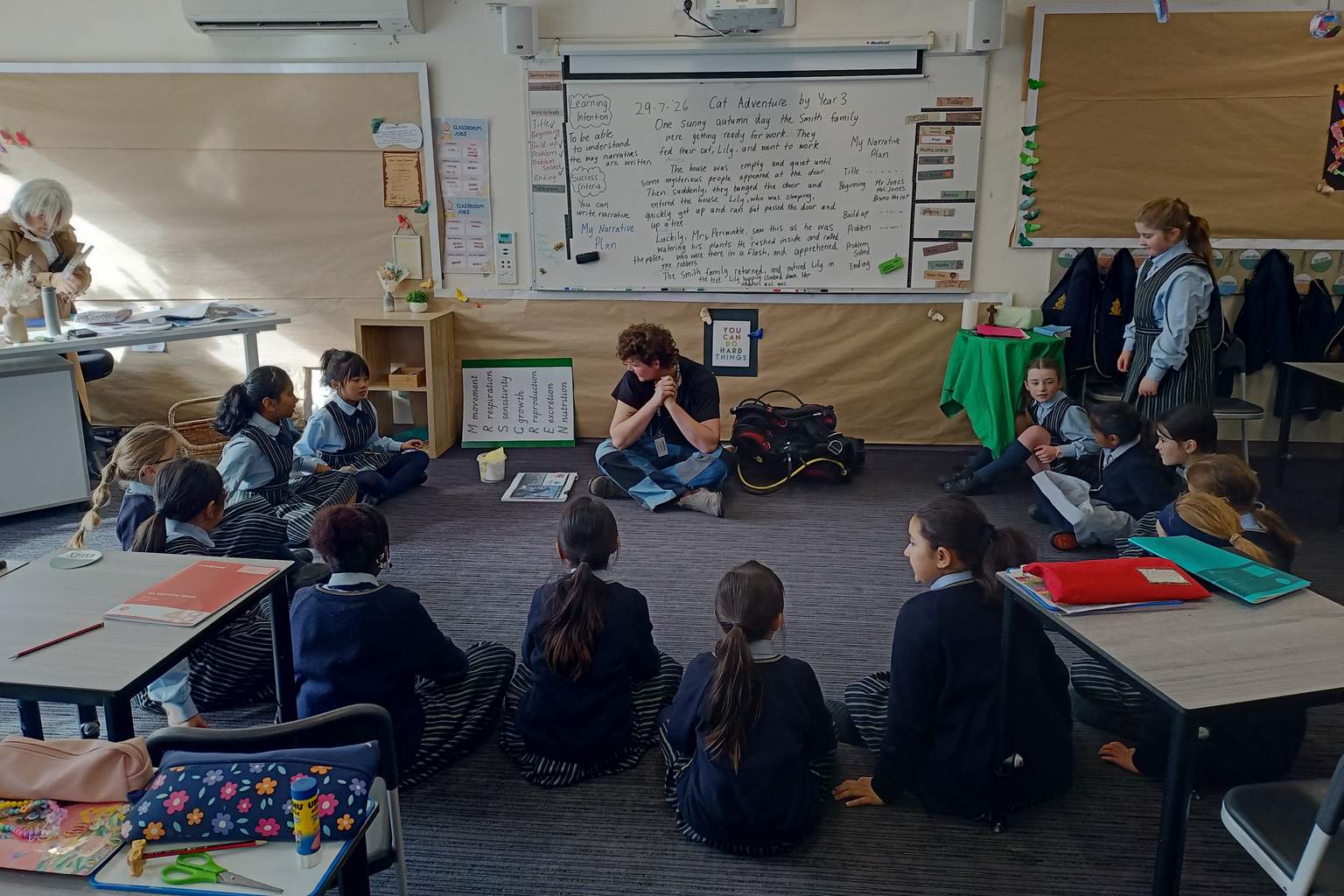
Marine scientist Nicolas Horniblow, from the University of Tasmania’s Institute for Marine and Antarctic Studies, delivered his first in-school presentation to year three students at the college.
“It was so cool just to see the level of engagement and knowledge that the year three cohort that I was presenting to actually had,” Horniblow said.
He will travel to West Coast schools during National Science Week, visiting Queenstown, Strahan, Zeehan and Rosebery.
Horniblow said the tour would give students in those communities a rare chance to learn about lesser-known Tasmanian marine creatures.
“What we’re trying to do with Young Tassie Scientists is nurture curiosity and inquisition about the world around them,” he said.
Astrophysicist Siska-Lut Buelens, an honours student originally from Belgium, is another presenter gearing up for the tour.
Her presentation focuses on exoplanets – planets outside our solar system that orbit stars other than the sun – and explains how scientists detect them using a technique called the transit method.
Buelens said she was particularly excited to visit Flinders Island and explore more of the state’s north-east.
She said working with Tasmanian students had already been eye-opening.
“There’s a lot of people who are very fascinated and interested in space, so that’s really exciting to see them engage,” Buelens said.
“Also, surprisingly, how much some of these young kids already know.”
The program is supported by the University of Tasmania and aims to spark curiosity and show students the many pathways into science careers.