The Tasmanian government has secured the numbers for its 5% short-stay levy, fending off a crossbench bid to redirect the money to homelessness services.
The Short Stay Levy Bill 2026 passed the House of Assembly on Thursday by 22 votes to 9. Labor opposed the bill, while the Liberals, Greens and crossbench MPs voted it through.
The levy is expected to raise between $7 million and $10 million a year.
The Liberals took the policy to the 2024 and 2025 elections, promising the money would go towards first home buyer support.
Treasurer Eric Abetz told the house no economic modelling had been done on the levy.
He said the revenue estimate had already dropped from an original $11 million as exemptions were added during consultation.
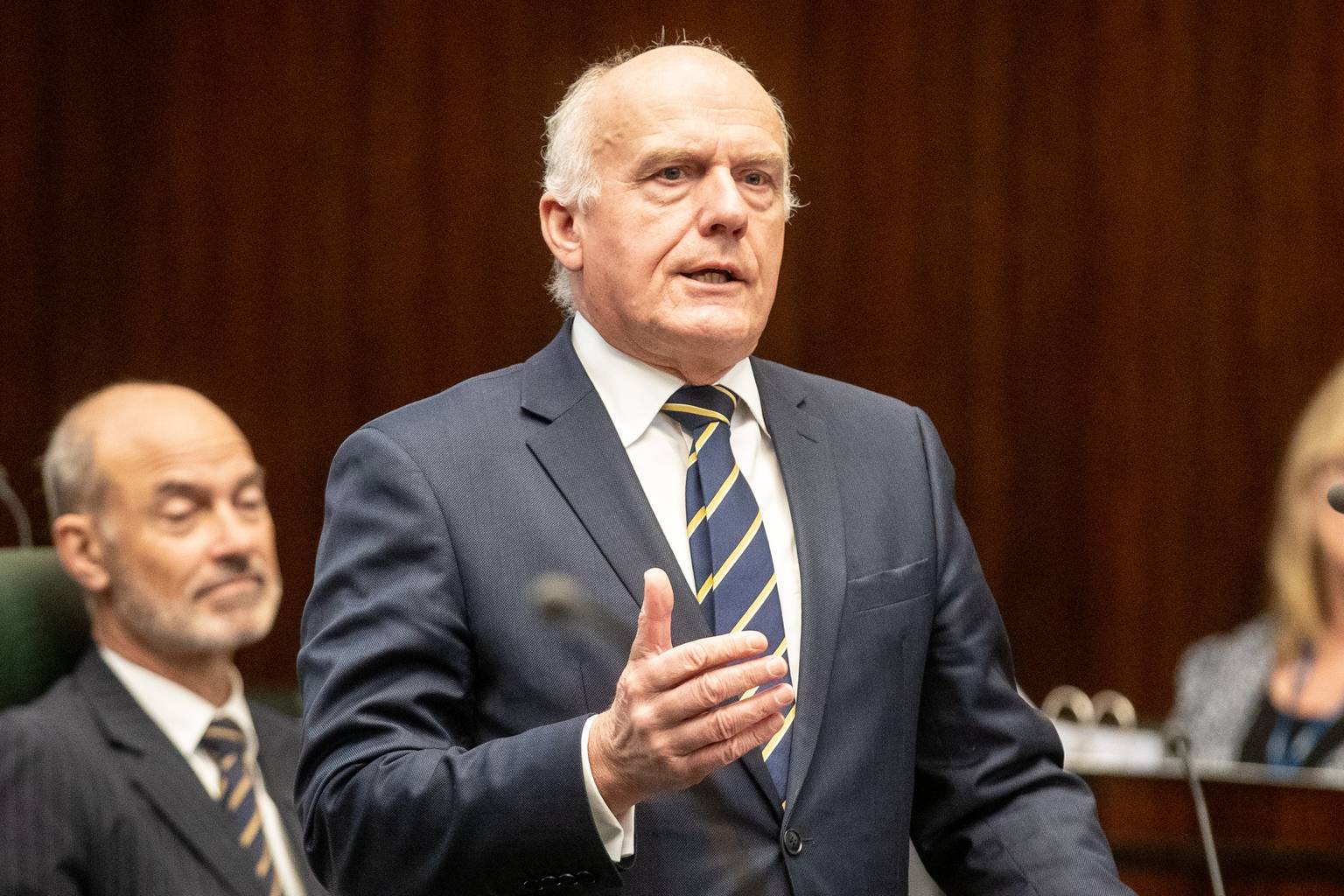
“The short stay levy will deliver a modest contribution that will stay in Tasmania – supporting housing supply, local services and the workers who underpin our tourism industry,” Abetz said after the debate.
“We have deliberately set the levy at 5%, which is significantly lower than the commissions charged by overseas platforms, meaning negligible impact on visitors and operators.”
During Thursday’s debate, a new exemption was added by Greens housing spokesperson Vica Bayley.
He secured support for a carve-out covering farm-stay and agritourism properties and said many businesses in the sector were diversifying to survive.
“This is intended to capture all those businesses that are genuinely deriving an income from primary produce and using farmstay as a secondary diversification method,” he said.
“In many ways, this mirrors the concept of someone using their spare bedroom in their house as a means to earn a little bit more income.”
A separate amendment from independent Clark MP Kristie Johnston prompted the longest debate of the day.
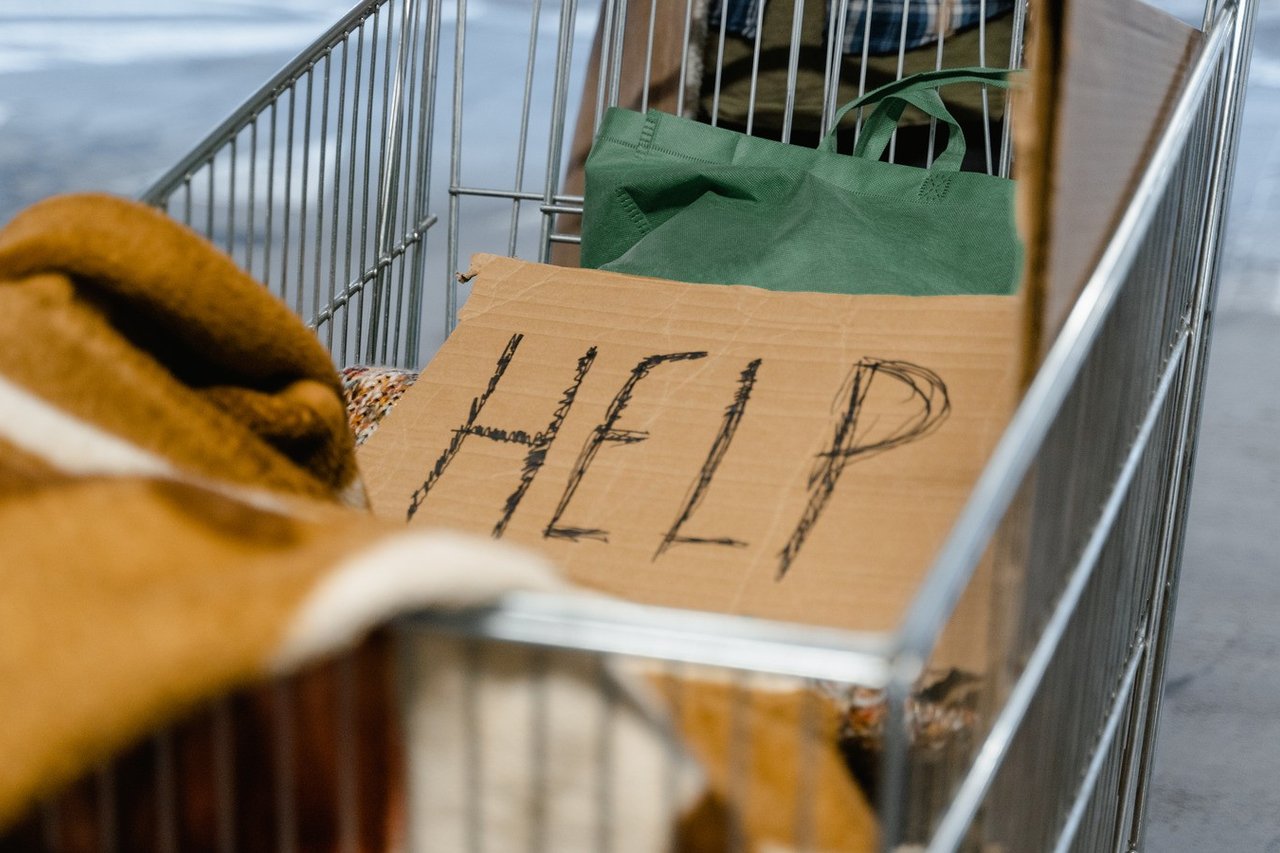
She moved to lock levy revenue into a dedicated fund for crisis accommodation and homelessness services.
The amendment was defeated 21 votes to 11, with Labor joining the Liberals to vote it down.
“I would suggest, with respect, that those who need a roof immediately over their head trump first homebuyers at the moment,” she said.
“Those who are sleeping in their cars, going from crisis accommodation to crisis accommodation, who are couch surfing, have an urgent and immediate need.”
Franklin Labor MP Dean Winter said the amendment would not deliver extra money for homelessness services, which are already funded to the tune of more than $50 million a year.
He argued the government would simply rebalance other budget lines to offset the change.
“The outcome of this, whilst well intended, is actually the same unless there’s a policy shift from government – and I don’t think there’s going to be a policy shift from government on the basis of this debate.”
A separate amendment from independent Clark MP Helen Burnet also passed.
It requires the state government to publish annual data on levy payers, bookings and revenue by municipality.

The Tourism Industry Council Tasmania remains opposed to the levy, with chief executive Amy Hills saying the bill had not been properly scrutinised.
“We have a housing crisis because the government has put a handbrake on housing development. It’s not the tourism industry’s fault,” she said.
“All this new tax will do is scare off visitors and drive down investment at a time when we can least afford it.”
She said the council would push for the Legislative Council to send the bill to a committee.