Ambulance Tasmania workers have secured a new three-year wage deal that will deliver pay rises of almost 9% over the life of the agreement.
The Tasmanian government announced that staff had accepted a new industrial agreement covering paramedics and emergency communications workers.
The deal includes salary increases of 3% in year one, 3% in year two and 2.75% in year three.
It also includes changes to the classification structure, targeted pay boosts for specialist roles and improved conditions aimed at supporting worker wellbeing.
Premier Jeremy Rockliff said he was “pleased” to have been able to deliver the agreement for Tasmania’s “hard-working ambulance staff.
“This agreement recognises the extraordinary commitment of our paramedics and emergency communications staff, provides fair salary increases, modernises the classification structure and strengthens conditions for the workforce that Tasmanians rely on every day.”
He said the agreement also delivers pay increases for specialist roles to properly recognise advanced skills and qualifications across the service.
“This marks another significant step forward in delivering fair and affordable wage outcomes across the public sector,” he said.
Now that workers have accepted the deal, it will be lodged with the Tasmanian Industrial Commission.
Once registered, salary increases and backpay dating to the first full pay period on or after December 1 2025, will be scheduled.
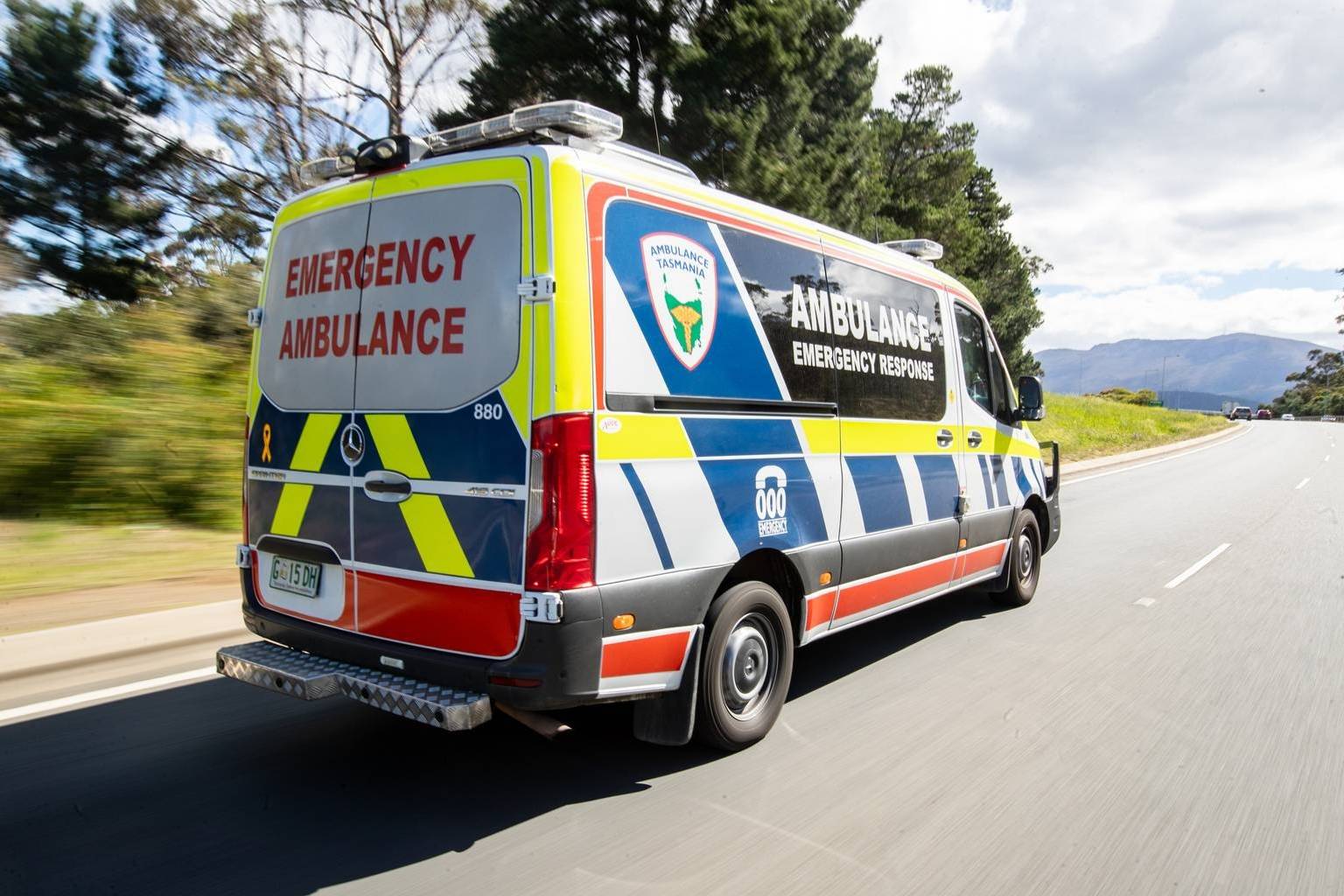
The wage deal comes as 15 graduate paramedics officially hit the road this week, ready to deliver frontline care across the state.
The graduates completed a six-week induction program covering clinical standards, operational procedures and professional expectations.
Their training included targeted learning sessions and scenario-based exercises designed to sharpen clinical reasoning, communication and teamwork.
Last week, a simulation took place at Seven Mile Beach where each graduate led a beachside resuscitation scenario under the guidance of experienced educators, clinical support officers and Surf Life Saving volunteers.
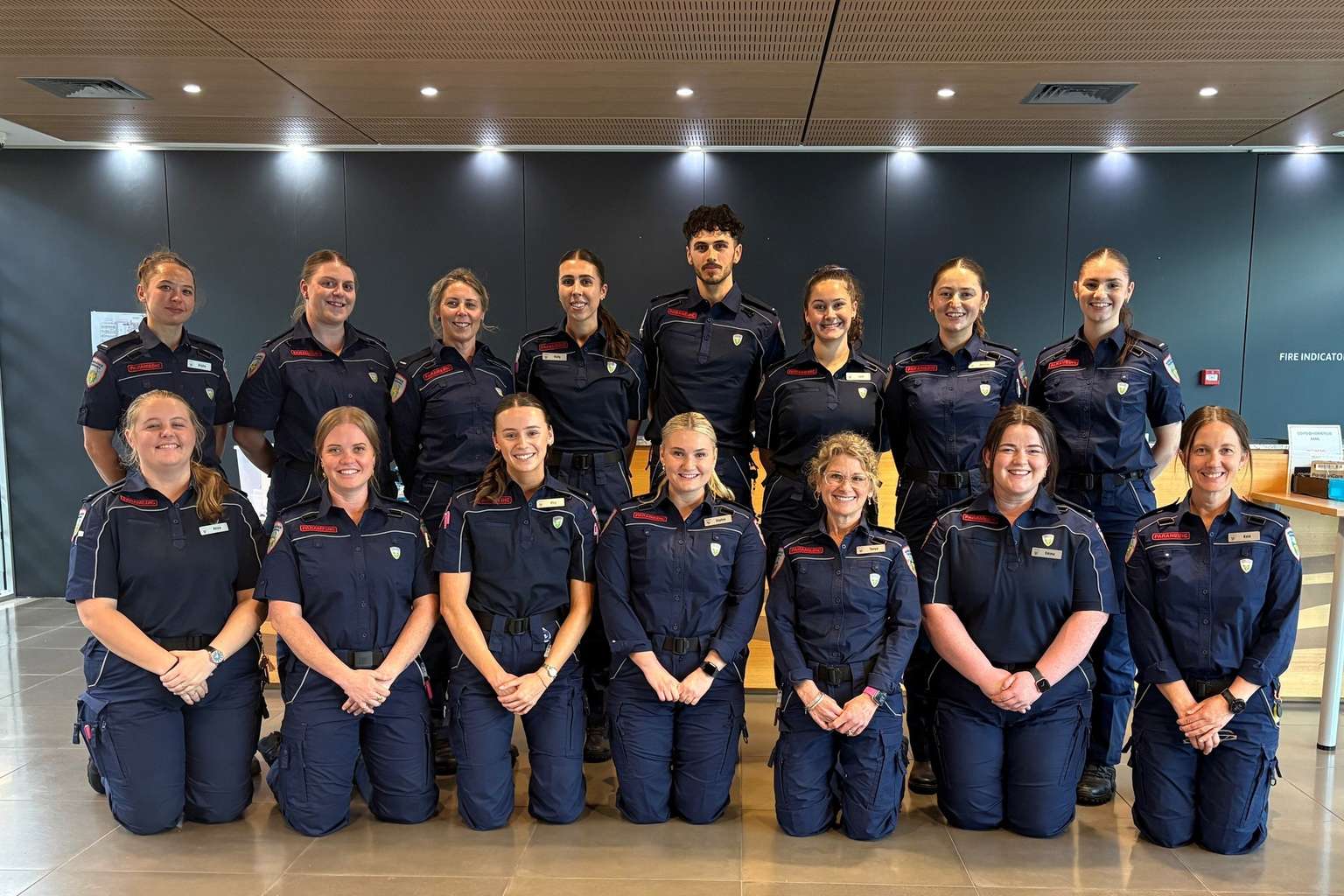
Twelve of the 15 new recruits studied at the University of Tasmania, with the remaining three relocating from interstate to join the service.