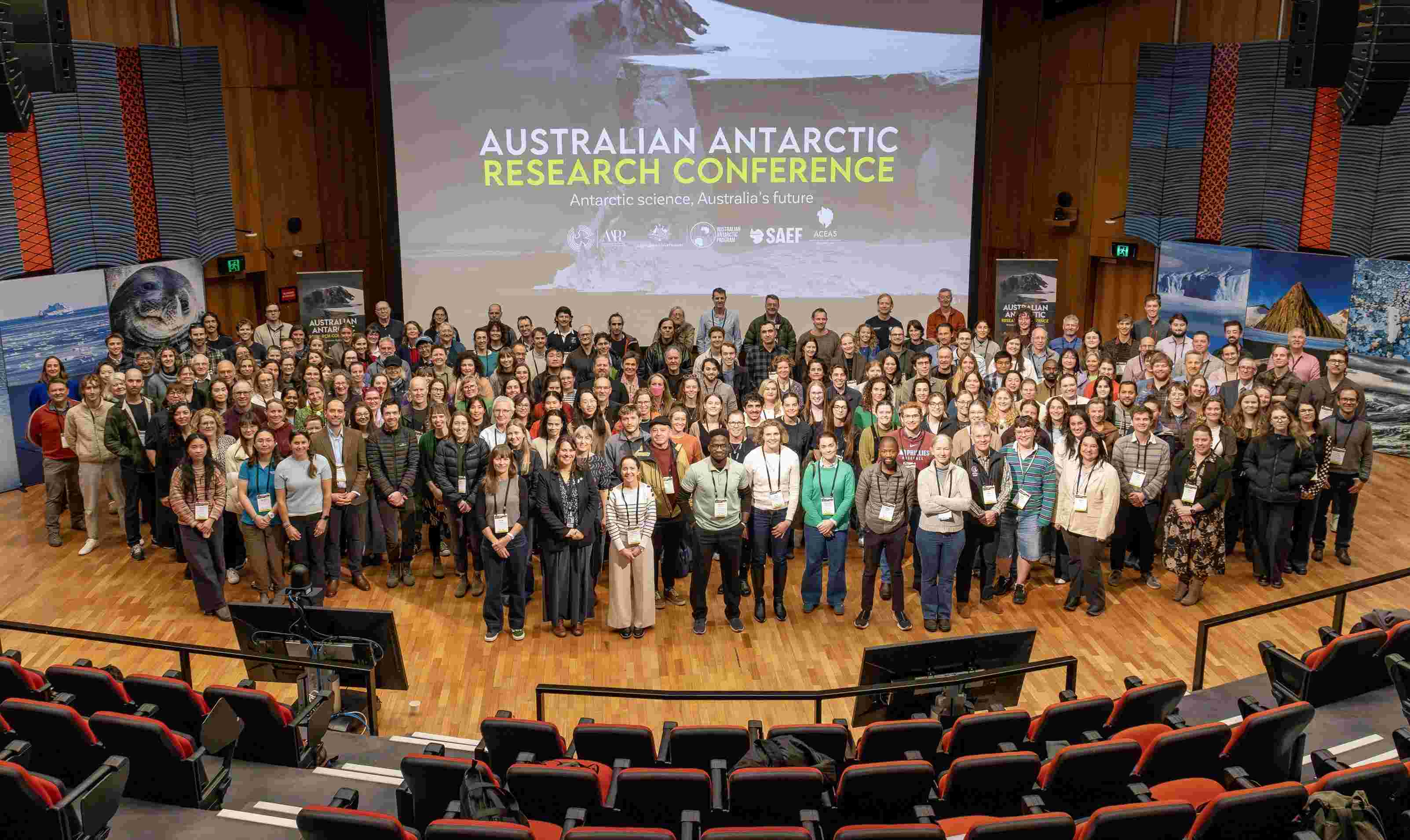
More than 400 polar researchers have spent the week in Hobart examining what a changing Antarctica could mean for Australia’s future.
The Australian Antarctic Research Conference, hosted by the University of Tasmania, has brought together researchers from Australia and overseas to discuss everything from sea ice and biodiversity to climate modelling, technology and decision-making.
Australian National University geophysicist Dr Mark Hoggard said one of the biggest challenges was understanding how changes in Antarctica would affect global sea levels.
That could have direct consequences for coastal communities in Australia and Pacific island nations.
“One of the biggest challenges facing Antarctic science is understanding what changes in Antarctica mean for global sea-level rise, particularly for coastal communities here in Australia and our Pacific island neighbours,” Hoggard said.
“This conference showcases Australia’s strength in bringing together the science needed to answer those critical questions and help communities prepare for the future.”
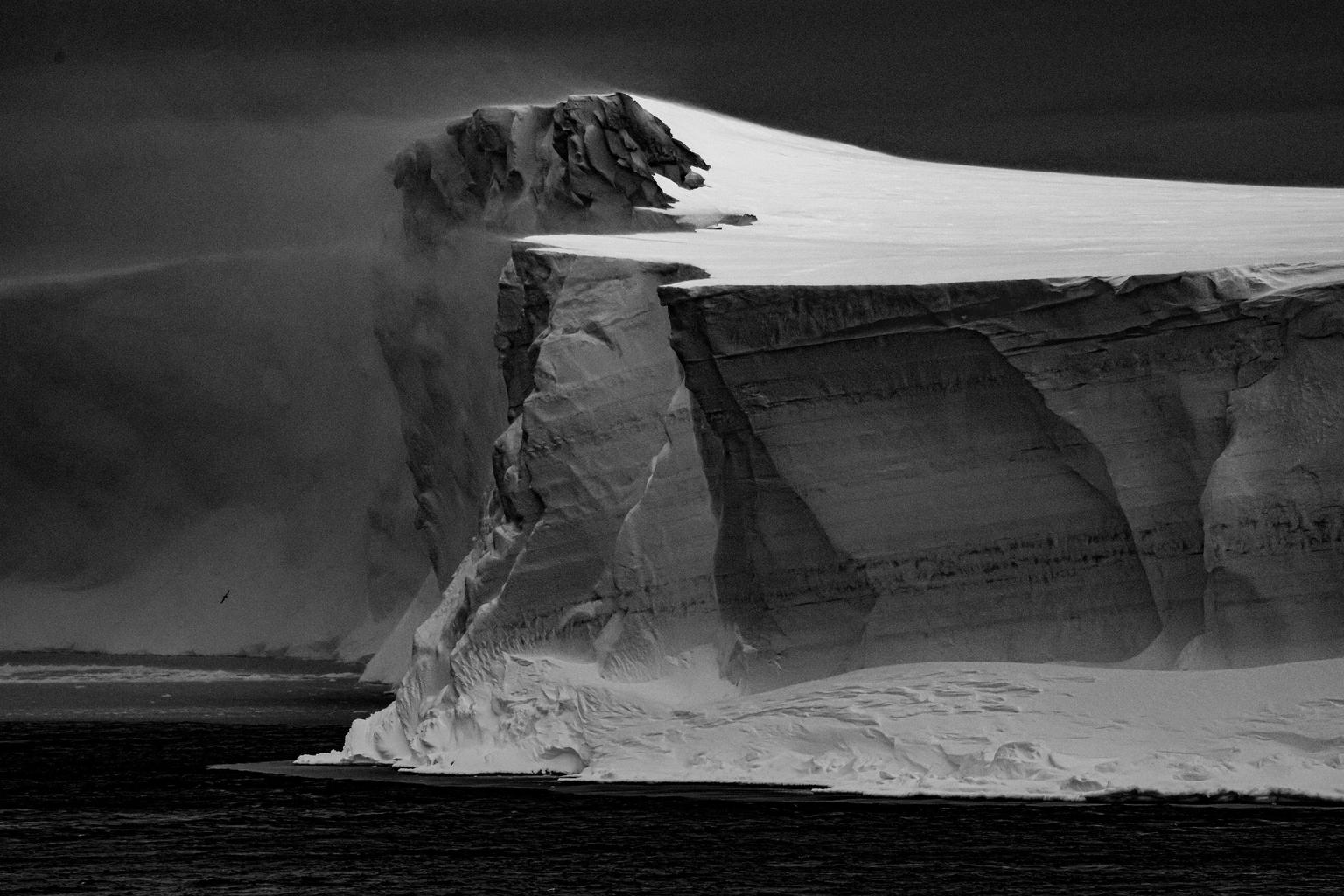
The conference has also highlighted the role Australian researchers play in shaping international decisions about Antarctica.
Professor Michael Bode, a mathematician with Queensland University of Technology’s Securing Antarctica’s Environmental Future program, said Australia was among a small group of countries leading global action on the continent.
“Decisions about Antarctica depend heavily on science,” he said.
The conference comes as researchers work towards the goals of the Australian Antarctic Science Decadal Strategy 2025-2035, which sets priorities for Antarctic and Southern Ocean research over the next decade.
The strategy recognises the importance of understanding changes in the region and their implications for Australia, while strengthening collaboration between universities, government agencies and other research organisations.
The Hobart conference has brought those different fields together, with discussions spanning the physical changes taking place in Antarctica and the Southern Ocean, the ecosystems affected by them and the technology and policy needed to respond.
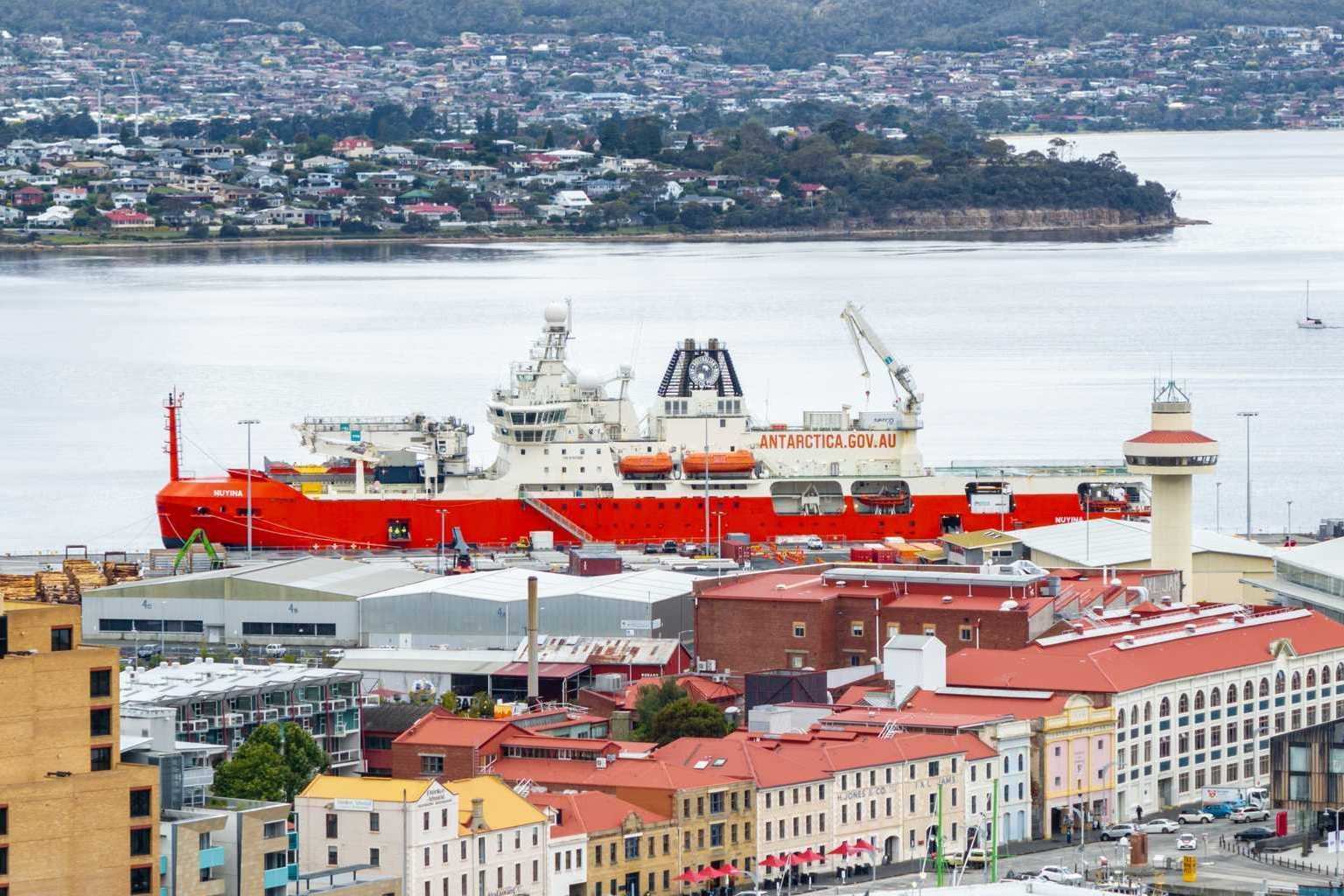
Organisers said the conference highlighted Hobart’s role as a centre for Antarctic research and Australia’s gateway to the region, while bringing the focus back to the far-reaching consequences of change in Antarctica and the Southern Ocean.