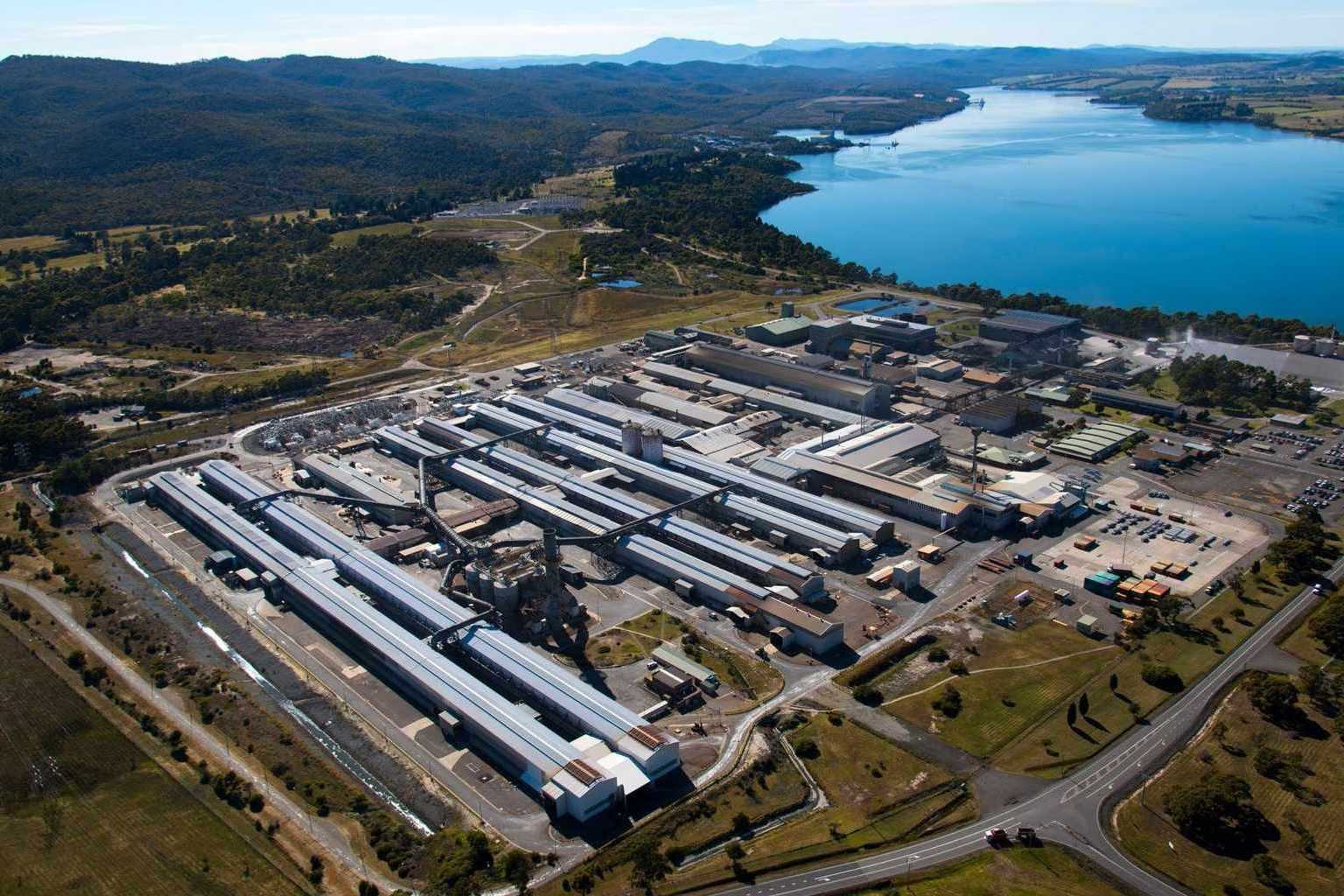
Bell Bay Aluminium’s future has been secured with a $200 million federal and state support package, protecting 550 jobs at the northern Tasmanian smelter.
The funding, spread over five years, comes on top of a new five-year electricity deal with Hydro Tasmania.
The smelter’s previous power contract was a 12-month stopgap due to expire on December 31.
Energy Minister Nick Duigan said the state had delivered “a globally competitive and lowest possible electricity price” for the smelter.
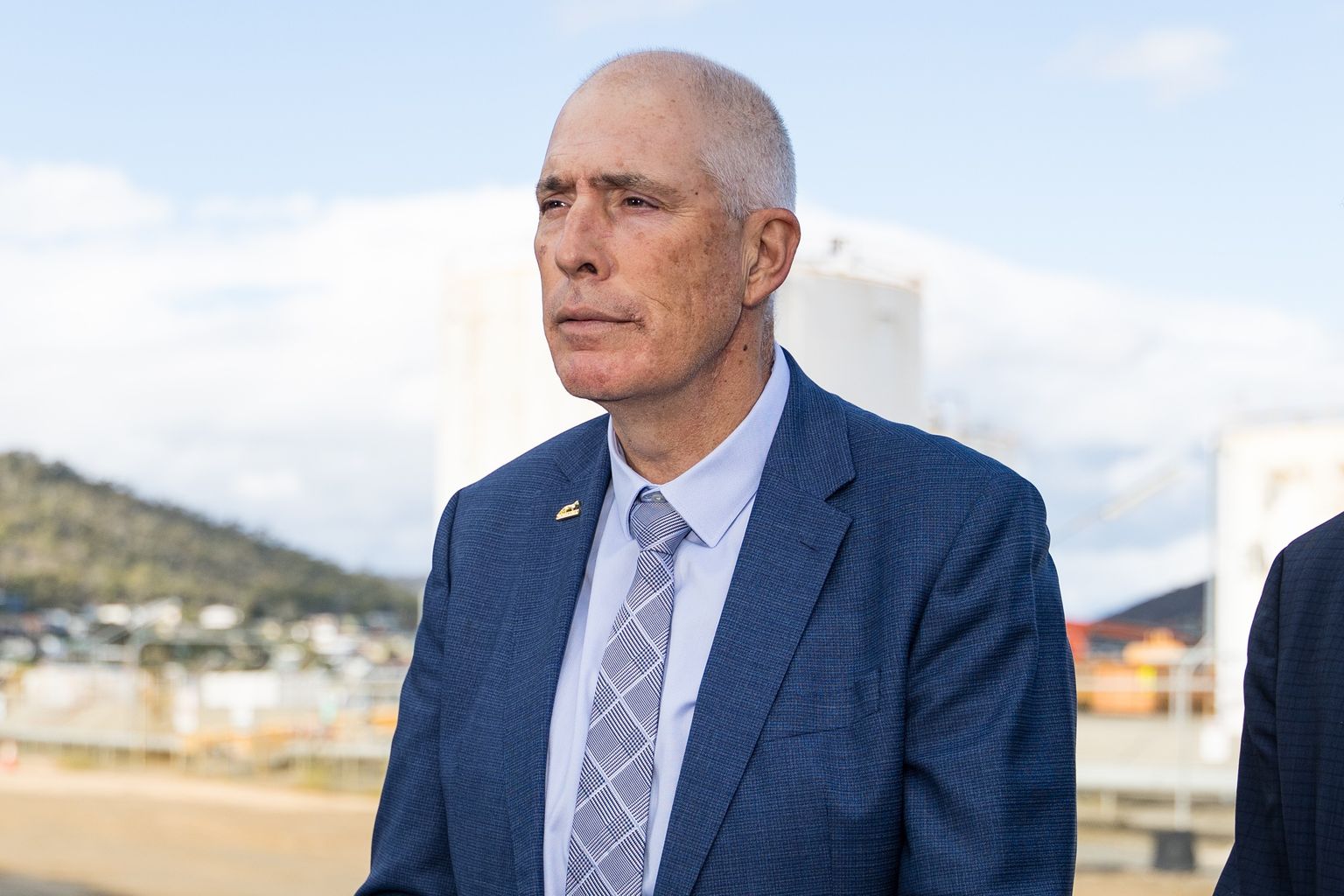
He had previously put the gap between what owner Rio Tinto needed and Hydro Tasmania’s commercial offer at around $60 million a year.
Duigan said the combined package would secure $5 billion of economic activity over the next five years.
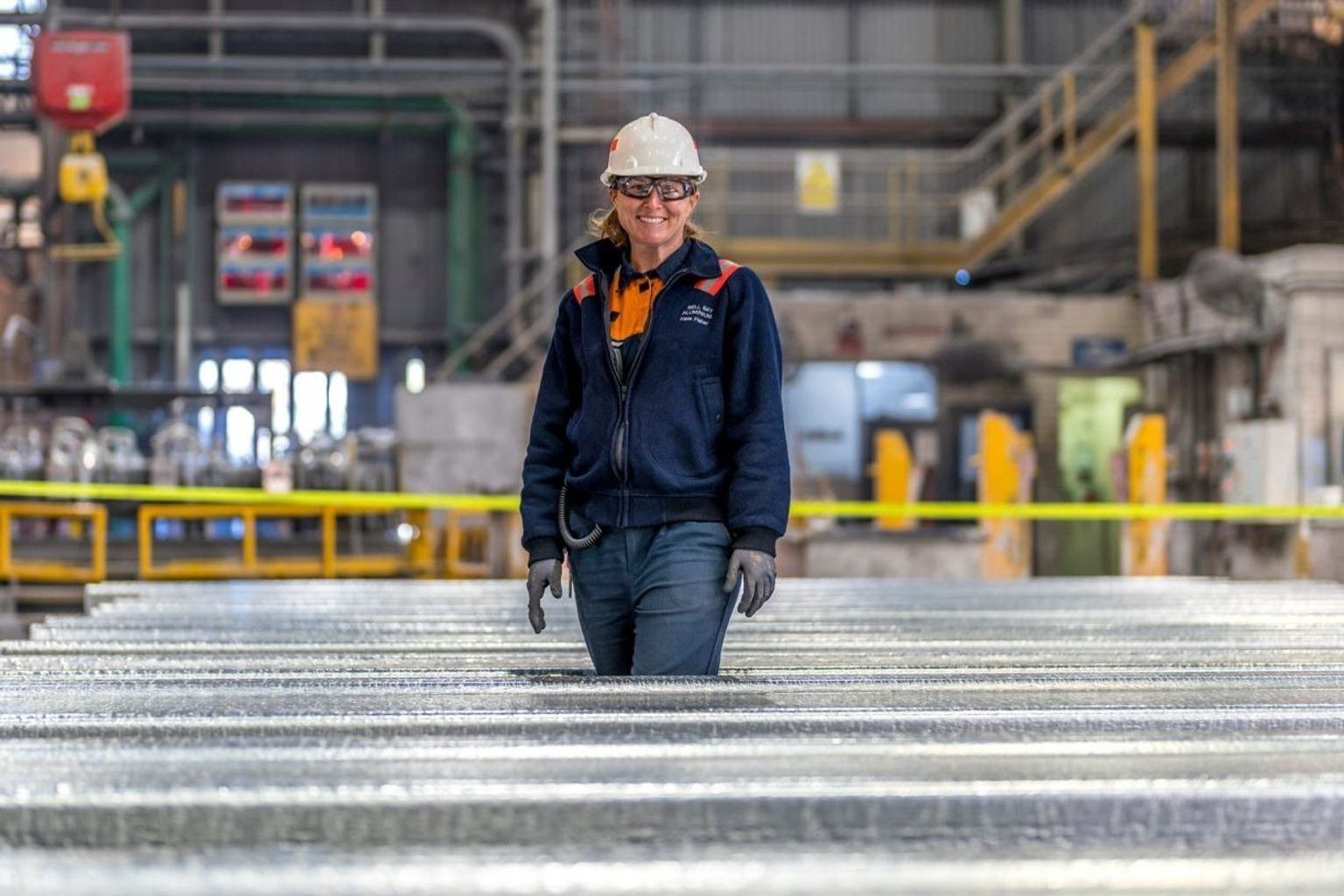
The smelter uses more than a quarter of Tasmania’s electricity and supports about 1,000 indirect jobs across the north, according to the governments.
The state government has previously said the smelter supports about 300 local businesses and contributes about $700 million a year to the Tasmanian economy.
It also underwrites major costs for TasPorts and about a quarter of TasNetworks’ costs.
Premier Jeremy Rockliff said the deal would give businesses in the supply chain “the confidence to invest, grow and do business”.
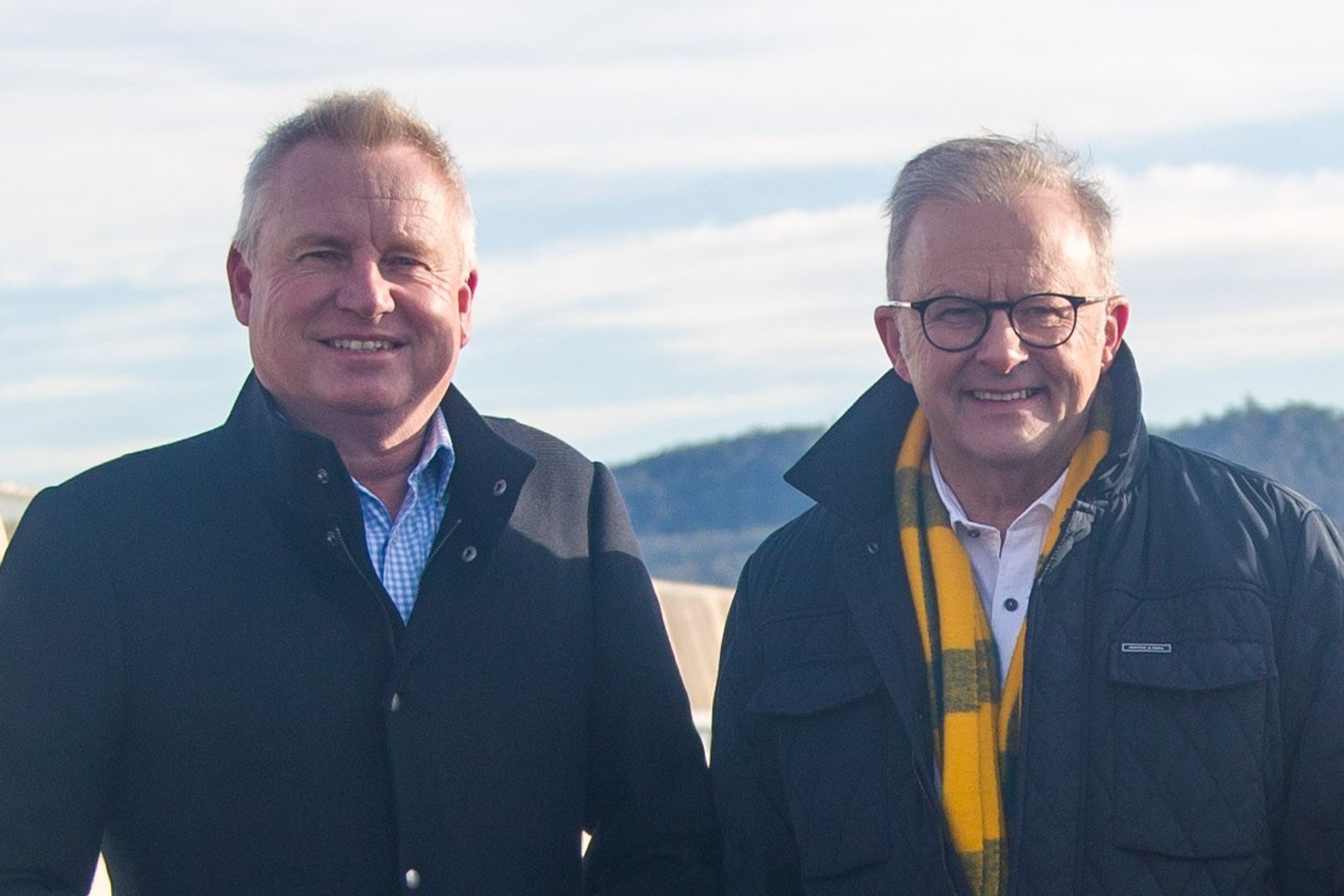
Prime Minister Anthony Albanese said the investment would support well-paid jobs and boost Australia’s sovereignty.
Bell Bay was left out of the federal government’s $2 billion Green Aluminium Production Credit scheme, which targets smelters switching from coal to renewable power.
Federal Industry Minister Tim Ayres said the funding would secure the smelter while a future industrial strategy for the Bell Bay region was developed.
“This joint investment secures hundreds of local jobs in regional Tasmania and provides certainty for the workers, their families and the businesses that rely on its ongoing operations,” he said.
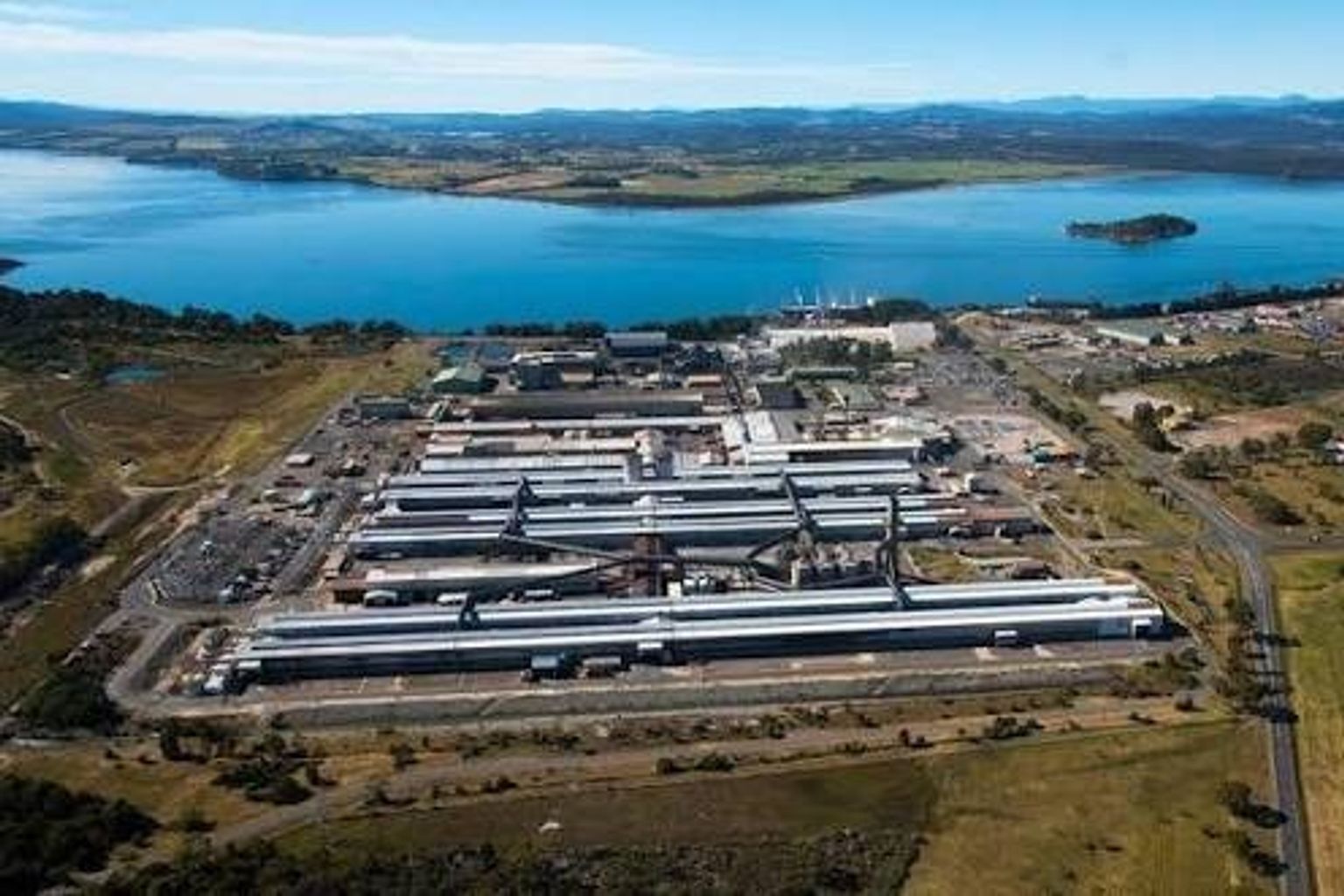
The nearby Liberty Bell Bay manganese smelter went into voluntary administration in March and a deal to sell it collapsed in June, leaving about 200 workers facing uncertainty.