The Huon Valley Council says one of Tasmania’s most threatening weeds has been found in the Huon Valley for the first time.
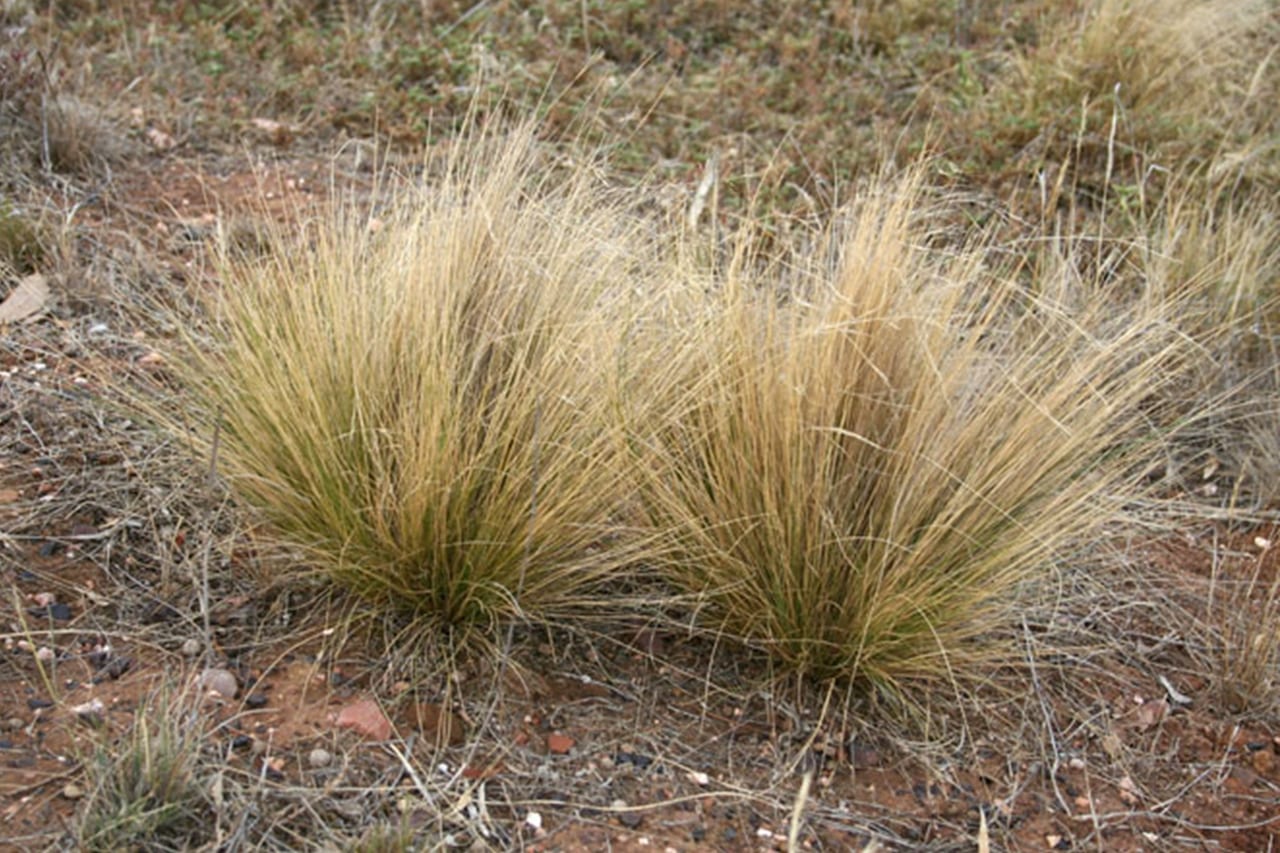
The council’s agenda for its November 25 meeting says contractors found a single young serrated tussock plant on Pelverata Road while treating other weeds.
The plant was treated and Biosecurity Tasmania was notified.
In an alert on Tuesday, Biosecurity Tasmania described serrated tussock as “one of the most threatening weeds to Tasmania’s agricultural productivity and natural areas”.
The South American grass can reduce a paddock’s carrying capacity by more than 95%.
“Serrated tussock offers little nutritional value and animals forced to graze on it can develop indigestible fibre balls in their stomachs, leading to severe loss of condition or even death,” the alert said.
“It also impacts dramatically on native grassy ecosystems, including native pastures common in hillier grazing country.”
Biosecurity Tasmania says the weed is widespread in grassy areas of the state’s south-east, with populations increasing in the Hobart, Kingborough, Brighton, Derwent Valley and Southern Midlands municipalities.
In the north, the largest of several scattered populations is in the Northern Midlands.
The weed was found in the Central Highlands for the first time in 2025 and in the Tarkine earlier this year, which Biosecurity Tasmania says “represent range and climatic extensions”.
The council says an earlier risk assessment had identified Pelverata Road as a likely entry route for the weed. It has since written to three nearby landowners.
Biosecurity Tasmania says serrated tussock is entering its flowering and seeding period, when mature seed heads break away and are “blown like tumbleweeds”.
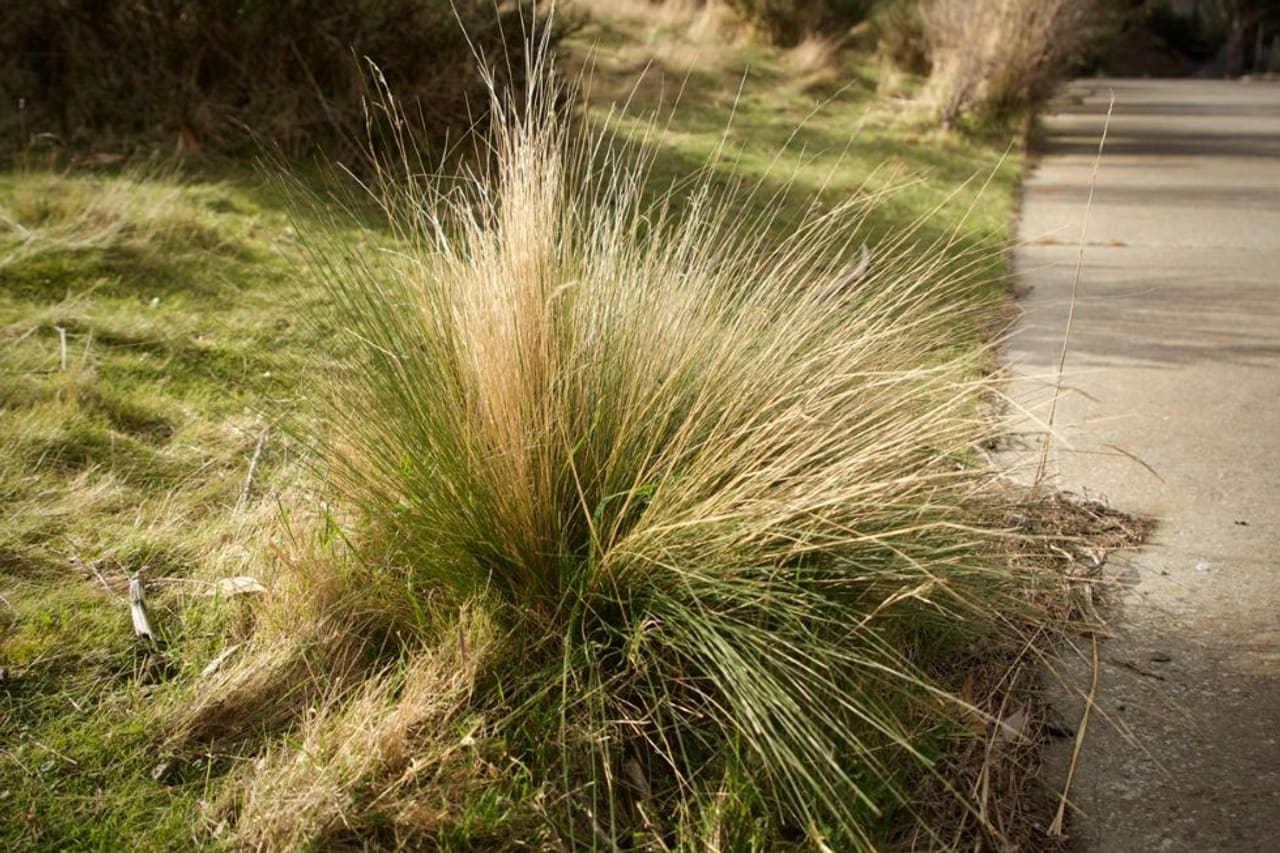
The council says the grass can easily be mistaken for native tussock.
It advises people to look for purple seed heads that turn golden brown and tightly rolled leaves that feel rough.
Anyone who spots a suspected plant is being asked to report its location, along with photos, to the council or Biosecurity Tasmania.