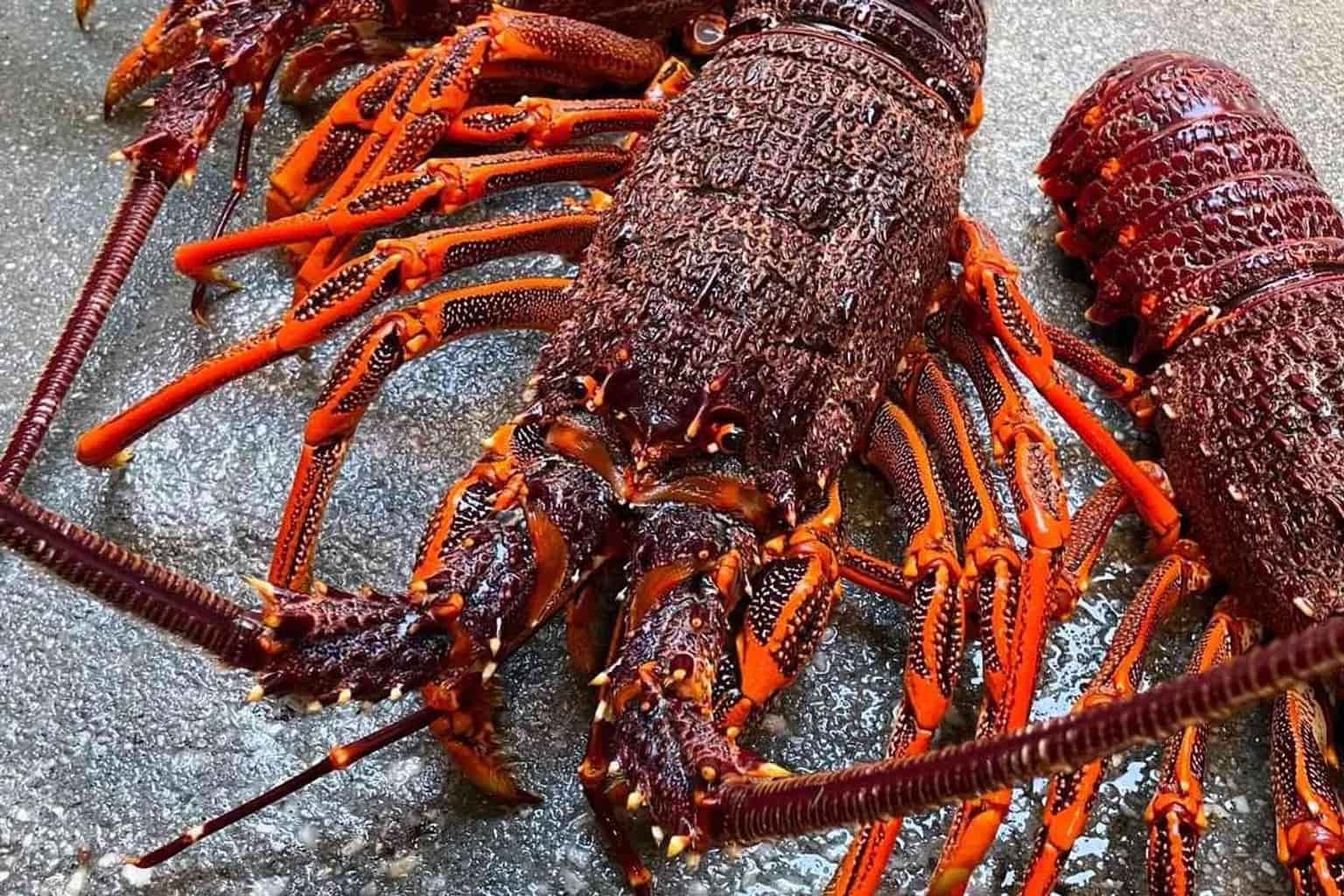
Rock lobster fishers have been ordered out of the southern D’Entrecasteaux Channel just days before their season opens.
It is the second summer in a row that antibiotic use at salmon farms has closed lobster grounds in the south-east.
The closure runs from Sunday, November 15, to February 14.
It covers the area around Tassal’s Great Taylors Bay and Meads Creek farms, where the company has been treating fish with the antibiotic oxytetracycline.
Commercial divers are also barred from taking sea urchins and periwinkles in the northern part of the channel.
Natural Resources and Environment Tasmania (NRE) released a market access plan last month.
It allows the department to shut wild fisheries near treated pens to keep antibiotic traces out of exports.
An NRE spokesperson said the closure was precautionary and “not related to any food safety concern”.
Tassal said the localised, temporary closure covered an area that accounted for around 1.6% of the state’s annual historical rock lobster catch.
The company said it was working with wild fishers on support and monitoring was underway so the area could reopen as soon as possible.
Independent Franklin MP Peter George said he was shocked by the decision.
“I am hearing from outraged fishers appalled at the closure and its impact on their livelihoods,” he said.
Greens leader Rosalie Woodruff said the government needed to “grow a spine, look after our wild catch sector and stand up to the salmon industry”.
“Unless the Liberal government takes action, having salmon companies close fisheries so they can dump antibiotics in the marine environment will become the new normal for years to come,” she said.
Environment Tasmania’s Rebecca Howarth said wild fishers were paying the price.
“Tasmanian wild fishers haven’t created this problem, yet they’re the ones losing access to their fishing grounds and facing disruption to their businesses,” she said.
The group said the closures would also slow divers’ work removing invasive long-spined sea urchins.
Parts of the south-east lobster fishery were also closed in November 2025, when salmon farms were using a different antibiotic, florfenicol.
The federal regulator suspended that permit on March 4 after traces of florfenicol were found in wild seafood more than 10 kilometres from salmon pens.
Salmon Tasmania has now applied for a new emergency permit to use florfenicol.
The Australian Pesticides and Veterinary Medicines Authority is taking public submissions until 12pm on November 16 and is expected to decide this month.
Neighbours of Fish Farming will hold a rally against antibiotic use on Parliament Lawns at 12:30pm on November 20.