Bird flu has reached Flinders Island for the first time as the highly contagious H5 strain continues to spread across Tasmania.
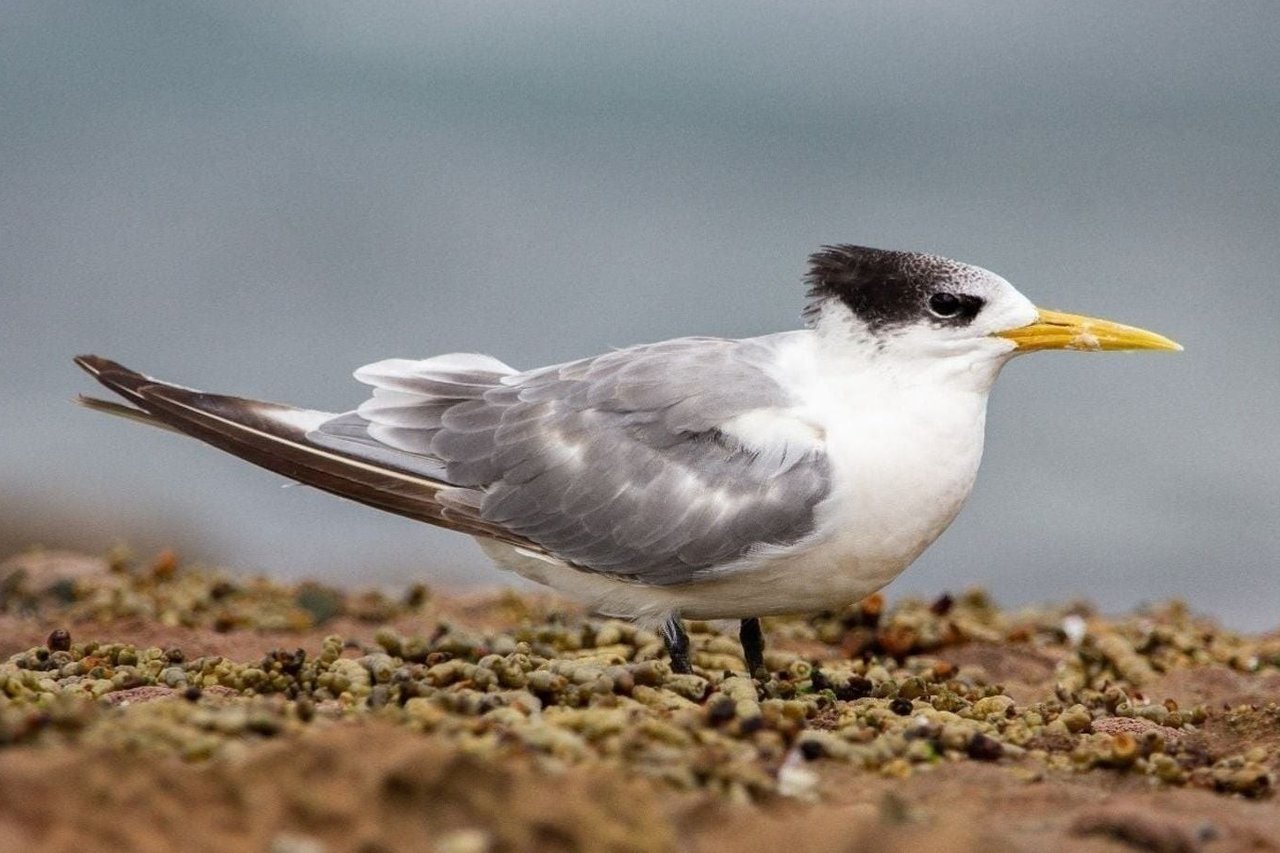
A greater crested tern tested positive on the island, marking the first confirmed case there, the Department of Natural Resources and Environment said.
The virus has also been detected in two more parts of the state.
A forest raven tested positive at Mawbanna in the north-west, while a peregrine falcon tested positive at Pipers River in the north.
Both species have tested positive previously. The latest detections take the number of confirmed bird flu sites in Tasmania to 33.
The virus was first detected in the state in mid-August, when a brown skua tested positive at Rocky Cape.
It has since been found across the north-west, King Island, the east coast and Flinders Island, as well as inland areas in the state’s north.
State Controller Justin Helmich said more detections were expected, including in areas close to sites where the virus had already been found.
“The reality is H5 bird flu is likely present throughout the Tasmanian environment,” he said.
“We expect to see more detections in new areas of the state as H5 bird flu continues to spread.”
Helmich said housing measures for poultry and captive birds remained in place to reduce the risk of transmission.
He urged owners to keep birds housed where practicable and maintain strict biosecurity.
That includes keeping poultry away from wild birds, protecting feed, water and bedding from contamination and limiting the movement of birds, equipment and people.
Owners should also watch birds closely and report any signs of illness, increased deaths or unusual behaviour.
The housing measures will remain in place until September 30, when they will be reviewed.
Helmich said the virus had not been detected in any domestic or commercial poultry in Tasmania. Chicken meat and eggs remain safe to eat.
Anyone who sees sick or dead birds should call the Emergency Animal Disease Hotline on 1800 675 888 or report it online.