Water restrictions could be needed in several Tasmanian communities this summer, with more than half of TasWater’s supply systems on watch ahead of a forecast dry season.
Of the 54 water supply systems TasWater assesses across the state, 32 are on “watch”. That means preparations are being stepped up so the utility can respond quickly if dry conditions persist.
TasWater said restrictions may be required in the coming months in Coles Bay, Gladstone, greater Launceston (including West Tamar, George Town and Hadspen), Lady Barron, Oatlands, Orford and Triabunna, Scamander and St Helens. Other areas could be added as conditions change.
All water restrictions across Tasmania were lifted in July, when stage 1 restrictions at Lady Barron on Flinders Island were removed after five months. Restrictions had ended in Orford and Triabunna, Oatlands, Scamander and Whitemark in June.
TasWater Head of Infrastructure Investment Planning Matt Jordan said the utility was preparing early.
“Restrictions aren’t confirmed at this stage, but they may be needed in some communities if dry conditions persist,” he said.
“We want to give customers as much notice as possible and help everyone understand what they can do to make their water go further.”
Rainfall is forecast to be below average across Tasmania from November to January, with temperatures likely to be warmer than usual, according to the utility.
TasWater said those conditions followed a Super El Nino weather event and persistently low rainfall in recent months and years, which had left many catchments drier than average.
Many Tasmanian communities rely on river-run supplies, which draw water directly from rivers and streams rather than large storage reservoirs. The utility said that made those systems more vulnerable during long periods of low rainfall.
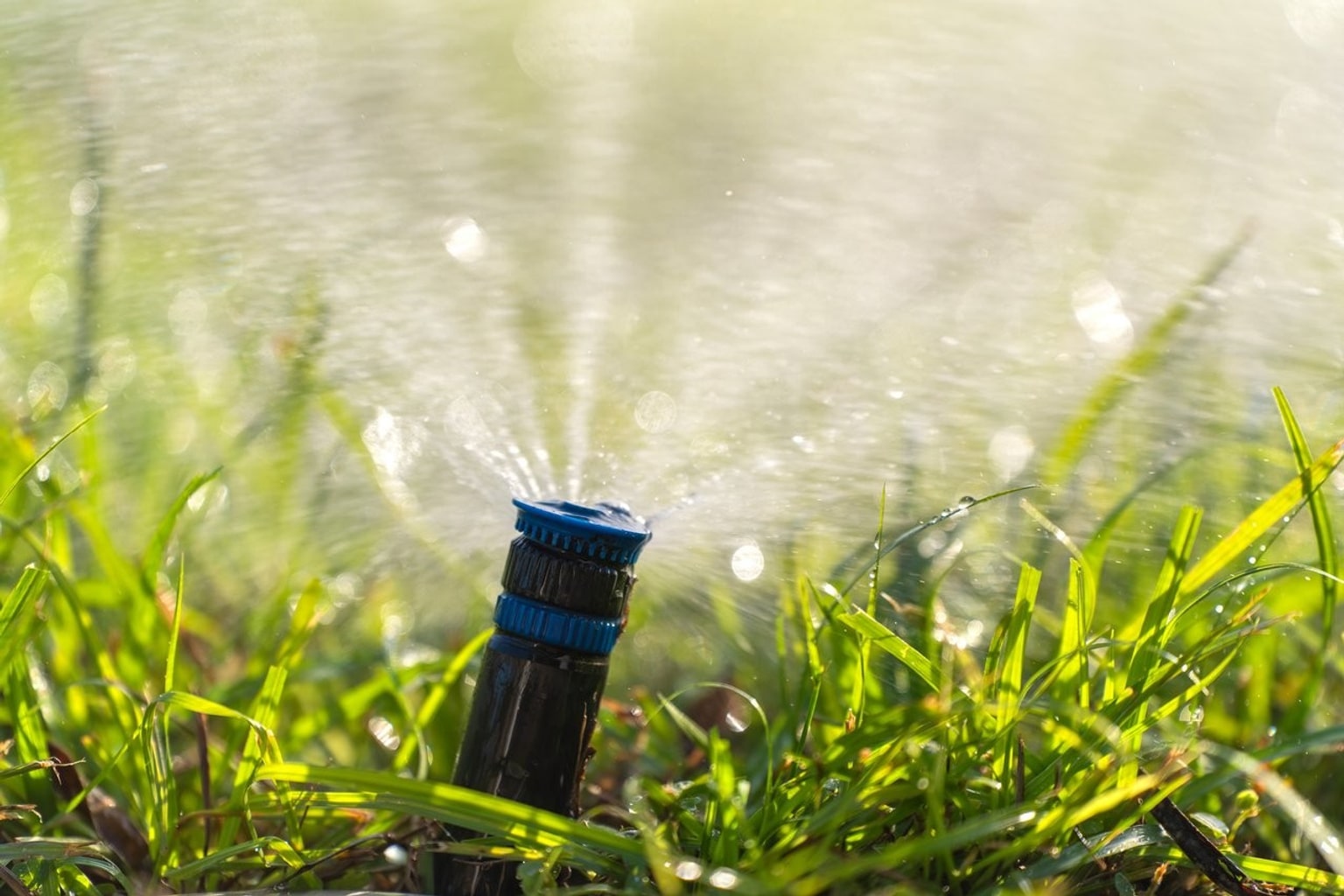
Jordan said residents could help by using water wisely as the weather warmed up.
“Small changes around the home and garden can make a real difference,” he said.
“Conditions can change quickly, so we’ll continue assessing rainfall, water source levels and demand throughout the warmer months and respond where needed.”