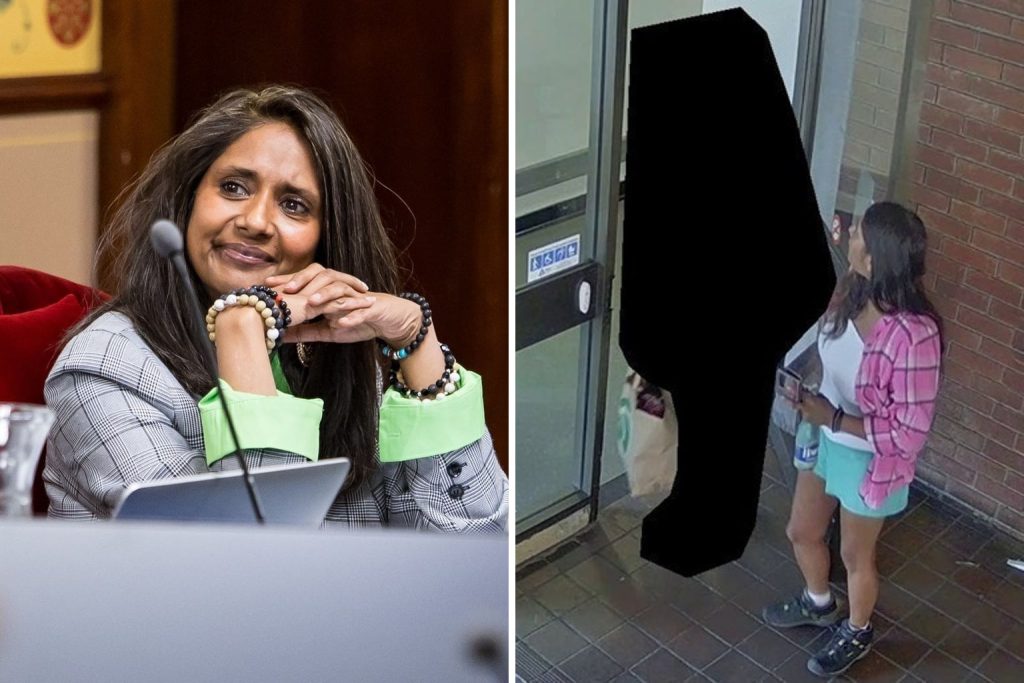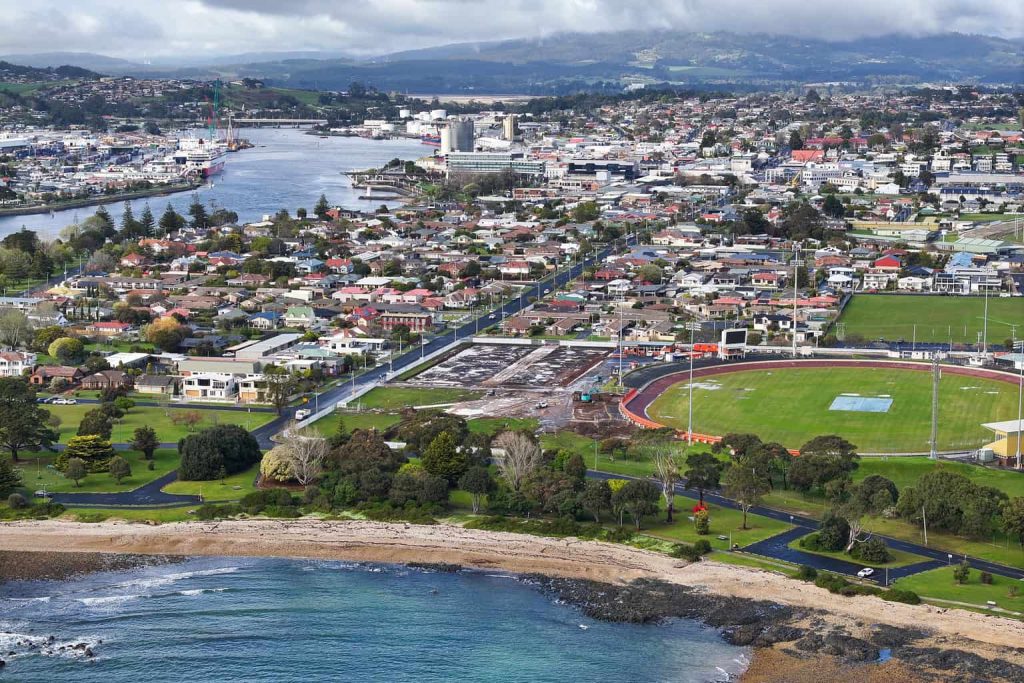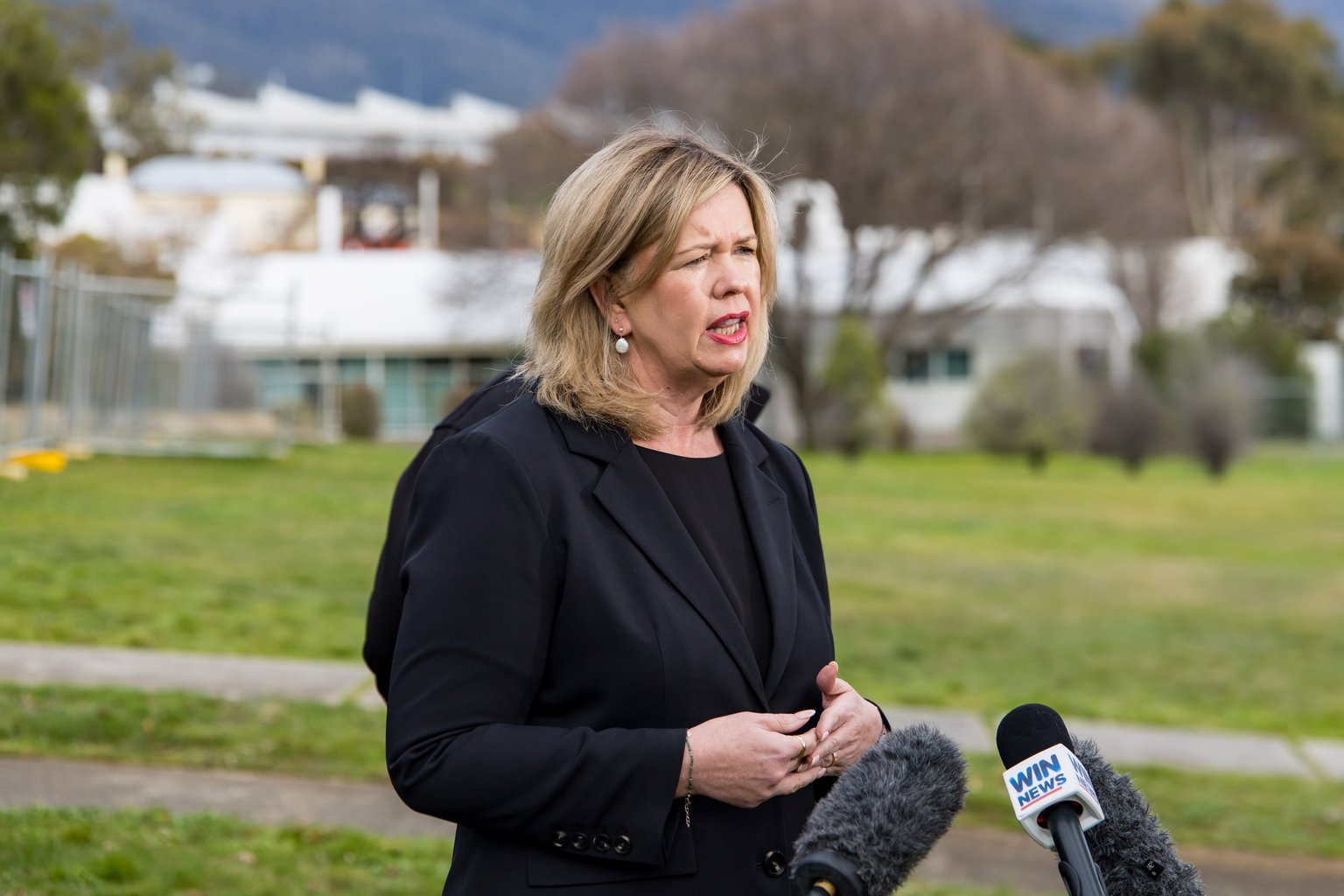
Tasmania’s Health Minister has acknowledged that structural racism still exists in the state and said more work is needed to stamp out unconscious bias, particularly within the health system.
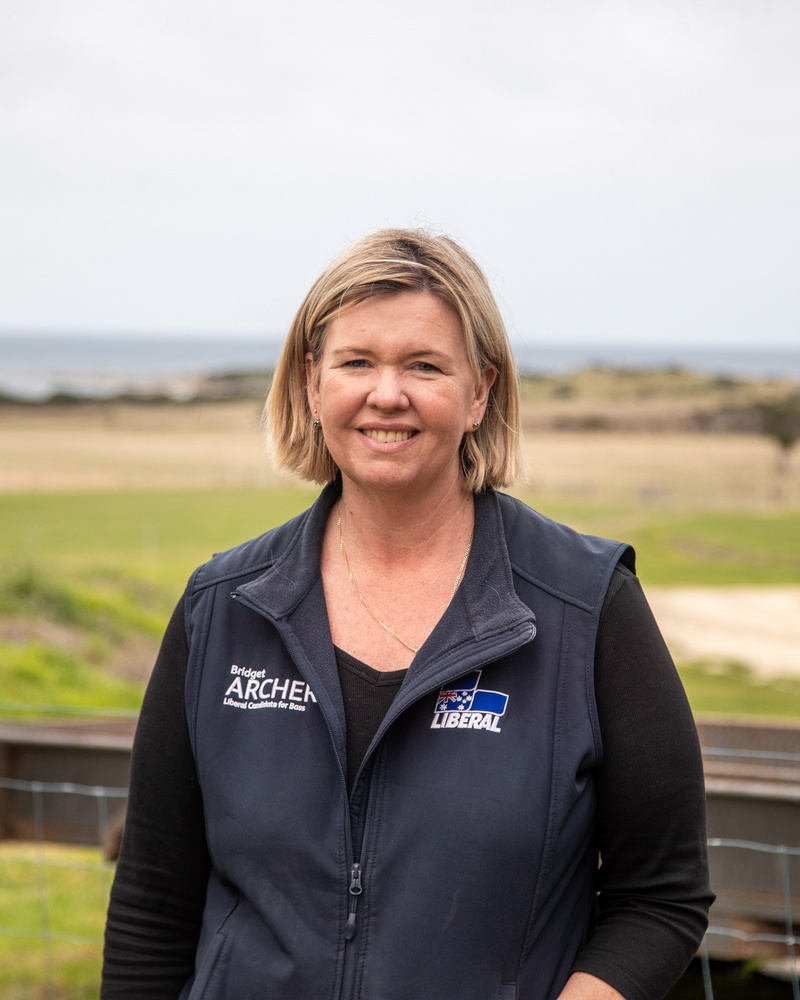
Bridget Archer gave evidence to a federal racism inquiry on Thursday, telling it that the legacy of colonisation in Tasmania had produced discriminatory structures affecting Aboriginal Tasmanians.
“From the history of colonisation in Tasmania, we have seen structures evolve that have been discriminatory to our Aboriginal Tasmanians,” Archer said.
She said many of those issues had been addressed over time but work remained around cultural safety and tackling unconscious bias.
Archer pointed to a recent indigenous health round table as an example of efforts to confront the problem.
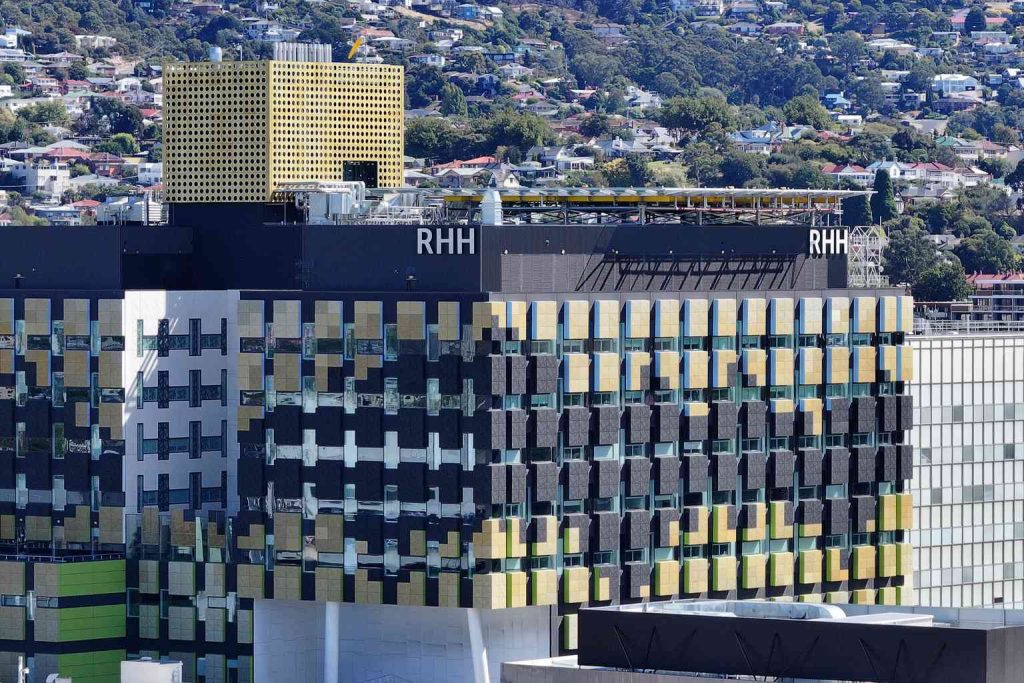
She said participants shared accounts of Aboriginal patients presenting to emergency departments being more likely to be assumed intoxicated rather than assessed on their symptoms.
“That was one example that we heard of throughout the course of that day,” she said.
“And some of that is just around breaking down those unconscious biases that people may hold.”
Archer said the government had appointed an indigenous health advisor and was undertaking work across agencies to address inequality.
She described the round table as “a really productive day” involving representatives from across the Tasmanian Aboriginal community having “really serious and honest conversations about what we can do to break down these sort of structural inequalities that still exist.”
Asked whether Tasmania’s Aboriginal community was divided, Archer said there had been “challenging conversations here in Tasmania over a long period of time.”
“It is really important and it is incumbent on all of us to listen to each other and hear sometimes the difficult things that people have to say and to listen to understand, not just to respond,” she said.
On the question of Aboriginal identity, Archer said it was not a matter for governments.
“Aboriginal people are the holders of identity,” she said.
“That is a matter for Aboriginal people to determine and not a matter for governments to determine.”