The Greens have called for a review of past Tasmanian parole board decisions, warning the use of fake AI-generated case law could be more widespread than the Susan Neill-Fraser case that brought it to light this week.
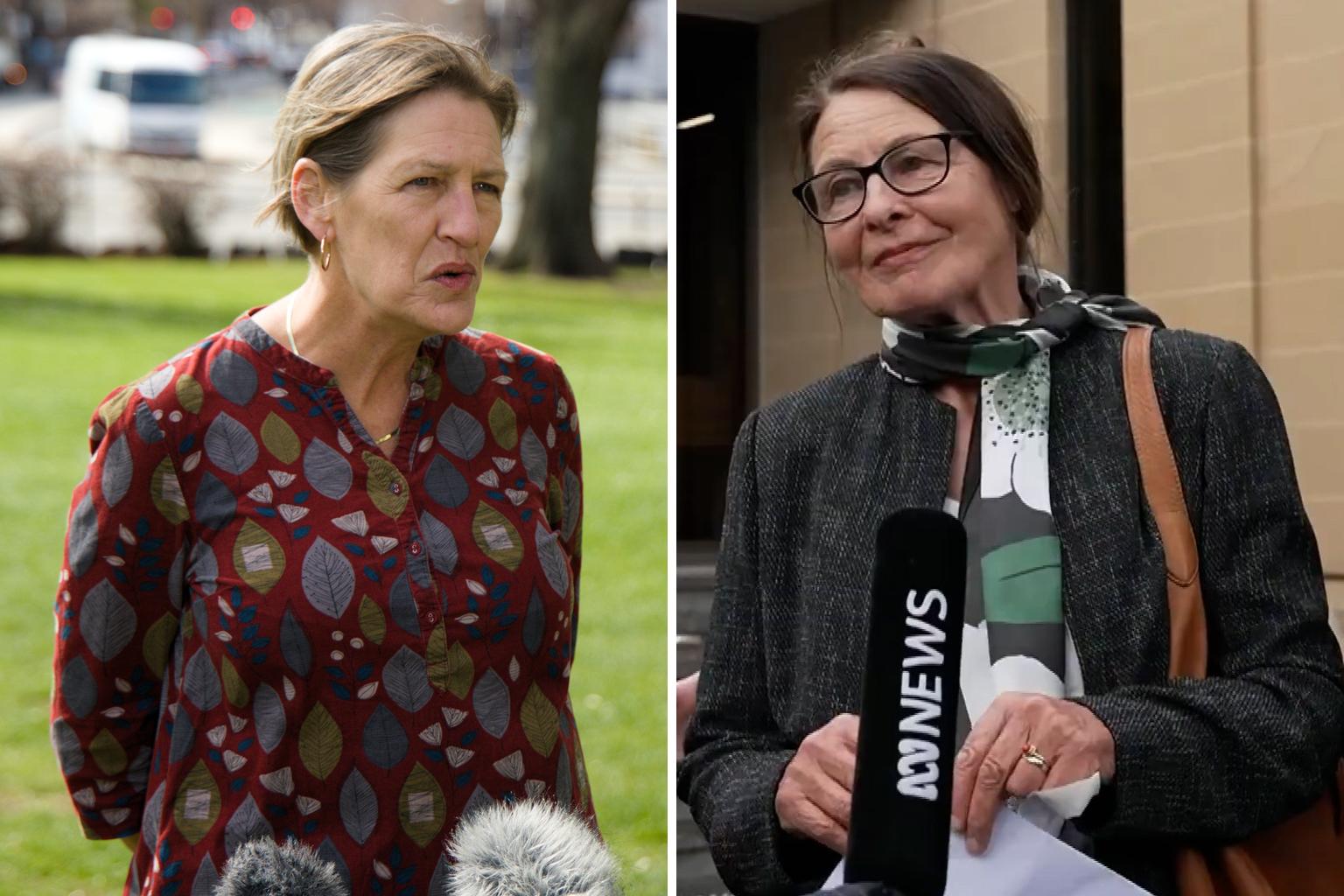
Greens MLC Cassy O’Connor said the board’s reliance on artificial intelligence was deeply disturbing and bordering on scandalous.
“You cannot delegate matters of justice to a robot, to artificial intelligence,” O’Connor said.
She said the board made decisions about people’s freedoms and parole conditions on a near daily basis.
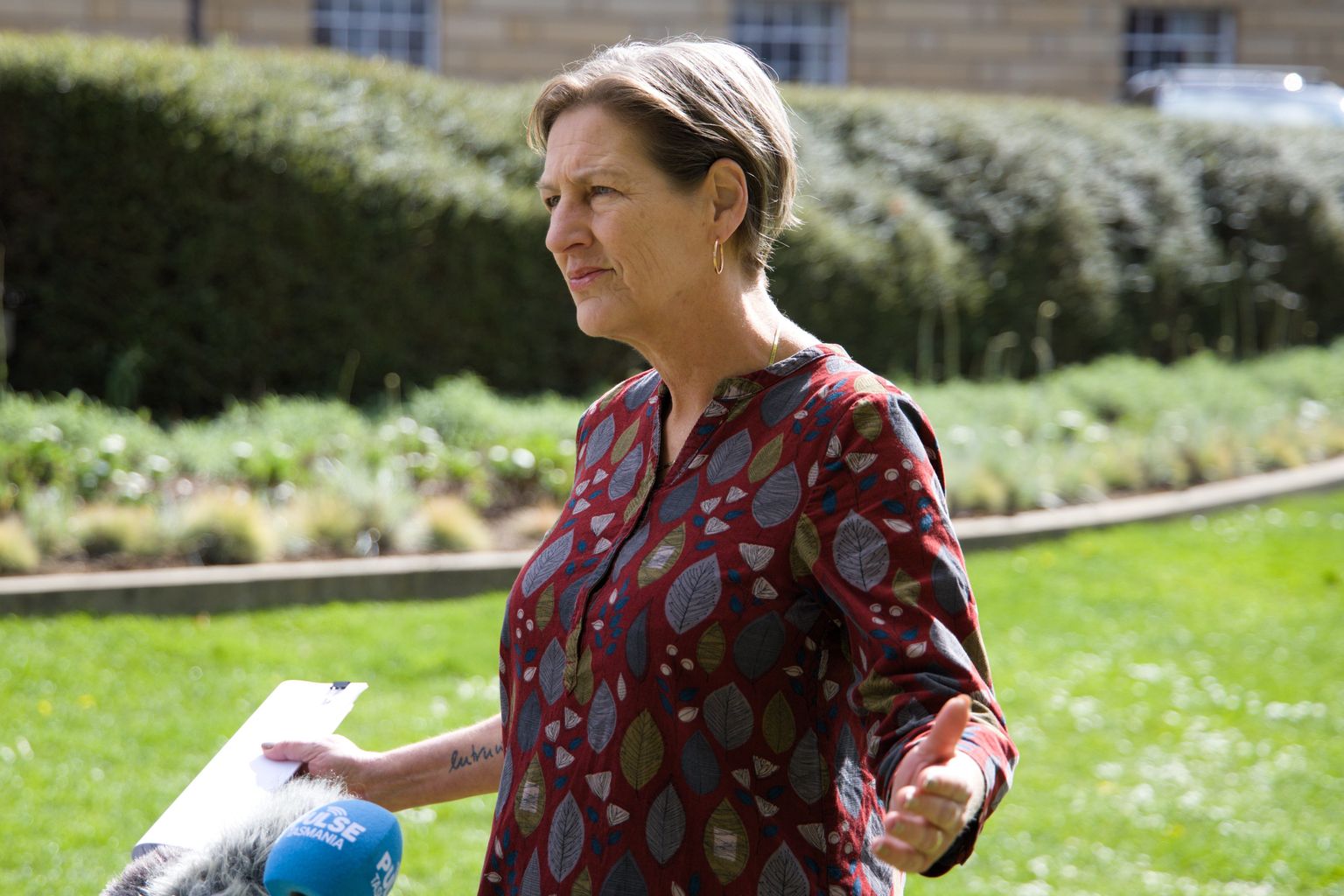
“There does need to be a review of previous parole board decisions to see whether AI slop, fake case law and hallucinations are contaminating decision-making,” she said.
“It may well be an isolated instance. I suspect not.”
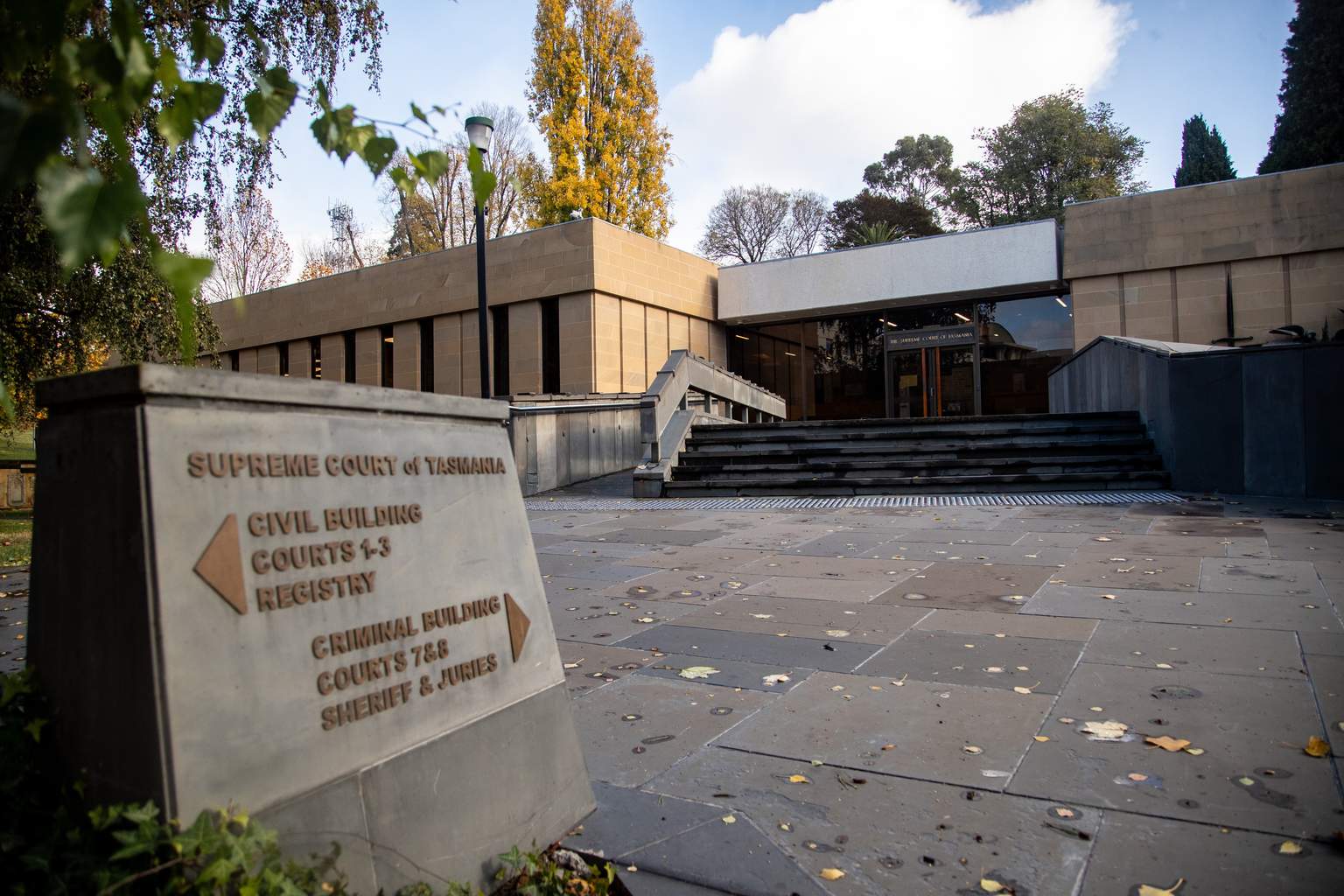
The issue emerged in the Supreme Court case brought by Susan Neill-Fraser, who successfully challenged a parole condition stopping her speaking publicly about her case.
A parole board staff member had used AI to draft a document justifying the condition and it cited case law that did not exist.
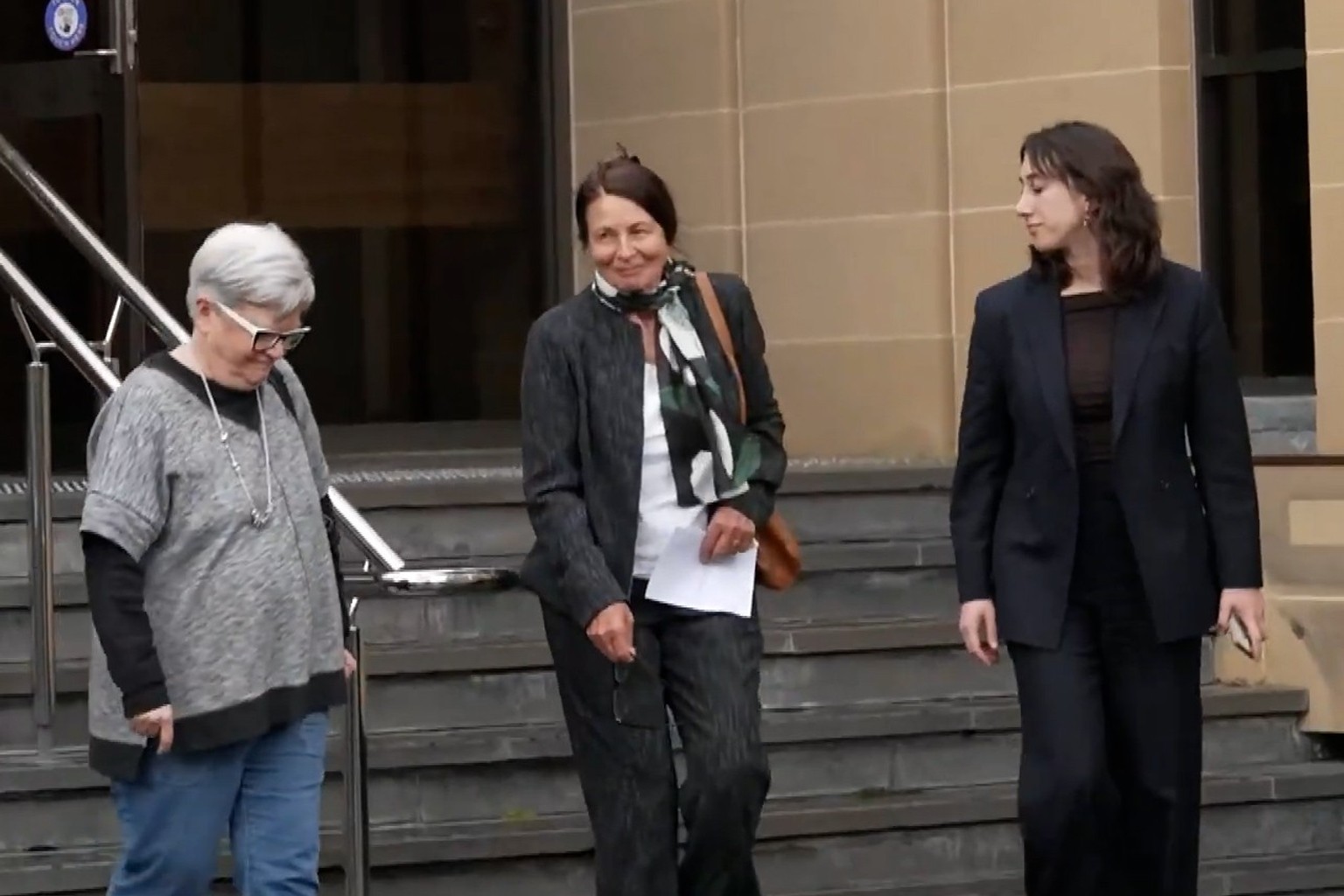
Human Rights Law Centre legal director Sarah Schwartz said the case revealed what she described as “serious deficiencies” with Tasmania’s parole system.
“It’s really concerning that the Parole Board of Tasmania, a public authority, used AI in generating this document that so severely has restricted our client’s fundamental freedoms, her freedom to speak in regard to her matter,” Schwartz said.
O’Connor said the Justice Department had $68 million cut across the forward estimates in the last state budget.
She questioned whether the department and the board had developed their own AI guidelines, as the government’s guidance recommends.
Labor MP Dean Winter also called for a review.
He said Neill-Fraser had one of the best resourced legal teams in the state and others may not be able to spot similar errors.
“The question is, how often has this happened?” Winter said.
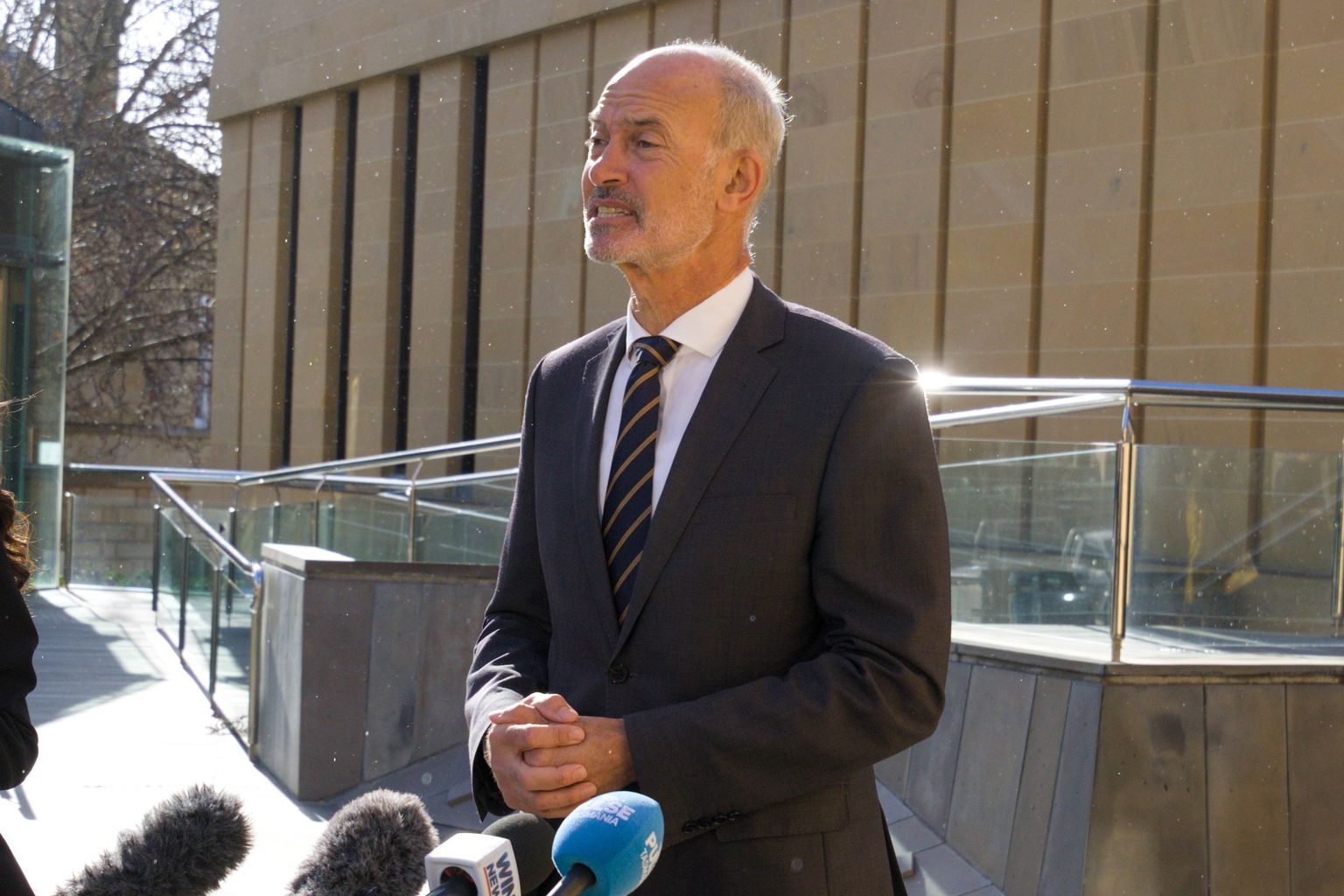
Attorney-General Guy Barnett said he would write to the board’s chair seeking an explanation about its professional standards.
“I will be seeking assurances around how the board will ensure this doesn’t happen again,” Barnett said.