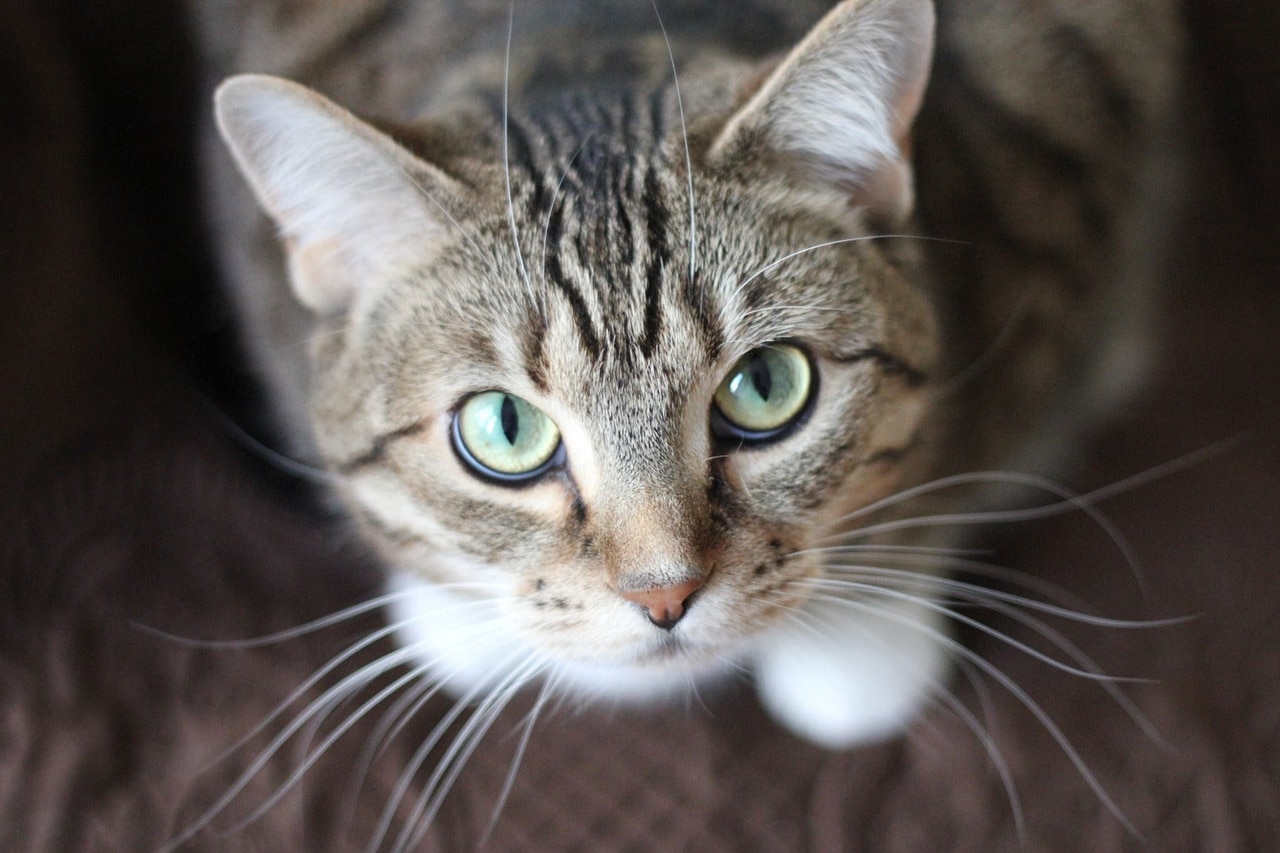
Tasmanians could be asked to register their cats under a new state cat management plan, after most people who responded to a public consultation backed the idea.
A report released today by the Department of Natural Resources and Environment shows 81% of respondents support compulsory registration.
The report also shows 71% support banning the feeding of stray cats and 90% want ads for cats to state whether the animal meets legal requirements.
Most respondents also support keeping cats on their owners’ property.
The 10-week consultation opened in March and drew 515 submissions from individuals, councils, vets, farmers and welfare and conservation groups.

Primary Industries Minister Gavin Pearce says the feedback will inform the new plan.
“Importantly, the community also emphasised that any new measures should be practical, affordable and supported by education and effective compliance and enforcement,” Pearce says.
The report does not commit to specific measures.
Councils were the largest group of organisations to make submissions, according to the report.
Many say they support stronger cat management but want the state government to fund or run any new system.
Sorell Council says it would support a statewide cat database if it were managed and funded by the state government.
“Council does not support a universal council-administered annual cat registration system currently,” its submission says.
“While registration may improve owner accountability and provide better data on cat ownership, transferring this responsibility to local government would create significant administrative, compliance and enforcement pressures.”
Huon Valley Council says it supports legislated containment, but the cost should not fall on ratepayers.
“Cost-shifting to local government must be avoided,” its submission says.
Kingborough Council already requires cats on Bruny Island to be registered and contained. It supports registration and says a consistent statewide framework is “a key priority”.
Conservation groups including the Biodiversity Council and Landcare Tasmania support statewide 24-hour containment.
Landcare Tasmania suggests a 12 to 24-month transition, while the Biodiversity Council wants a single start date with no exemptions for existing cats.
RSPCA Tasmania supports full containment over a longer timeframe.
“A transition period (approximately 10 years) would allow communities to adjust to full containment expectations,” its submission says.
Some national animal welfare groups, including the Australian Pet Welfare Foundation and PetRescue, prefer voluntary containment and community desexing programs to mandatory rules.
The Australian Veterinary Association says managing stray cats should be humane, coordinated and based on evidence.
“The AVA does not support simplistic or punitive approaches to feeding bans,” its submission says.
Submissions also addressed the rule that only allows cats to be humanely killed on private land, other than farmland, more than one kilometre from a home.
Suggestions ranged from removing the limit altogether in rural areas to increasing it to three kilometres.
Several groups say any changes would need more capacity at the state’s cat management facilities.
“Currently many cats that are being trapped are being released as there is no space in the Cat Management Facilities,” West Tamar Council’s submission says.
The Tasmanian Conservation Trust chose not to answer the consultation questions.
“It is time to stop asking cat owners and others in the community to take responsibility for controlling cats while the state government fails to take responsibility,” its submission says.