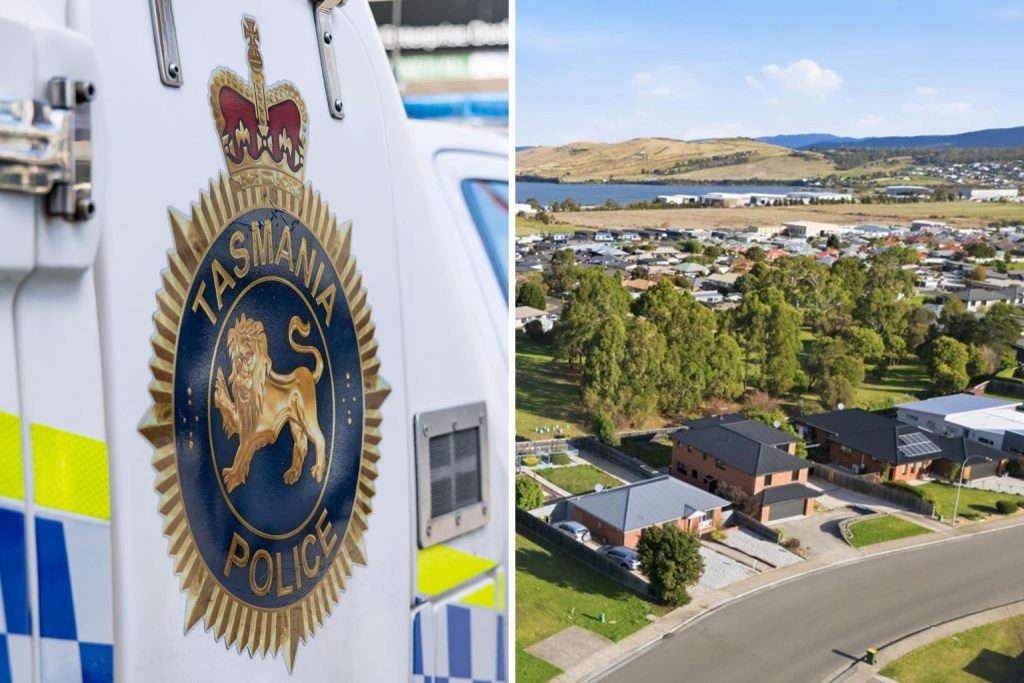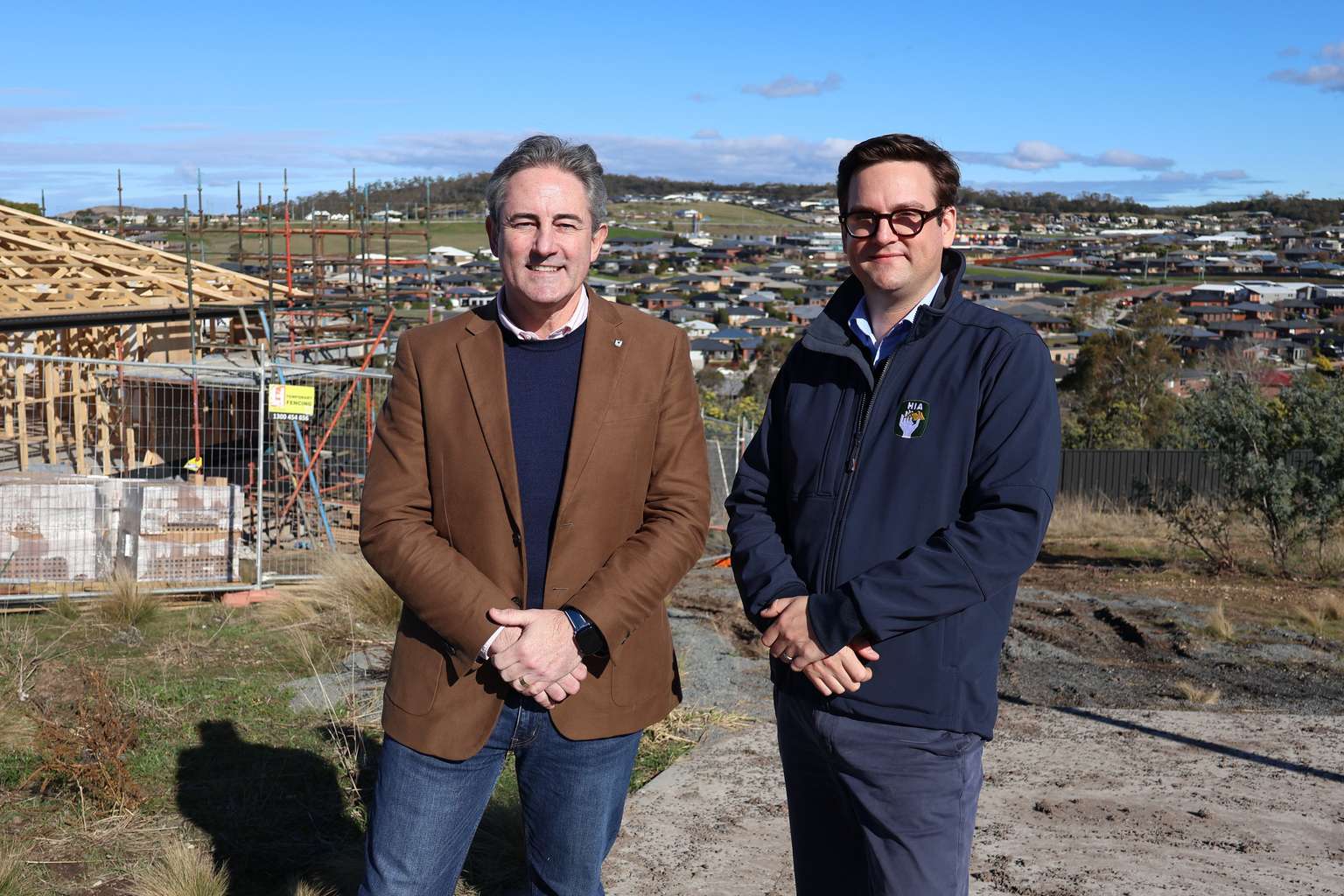
Clarence approved 74 more homes than any other Tasmanian council over the past year, new figures show, with new housing approvals outpacing every other local government area in the state.
Australian Bureau of Statistics data shows 291 dwellings were approved in Clarence in the 12 months to June 2026, 74 more than second-placed Launceston (217). Glenorchy recorded 205 approvals and Hobart 197.
Most approvals were for detached houses (268), while a further 23 apartments also received the green light.
Clarence Mayor Brendan Blomeley said the figures reflected the area’s continued growth and its appeal as a place to live, invest and raise a family.
“Clarence offers an enviable combination of established neighbourhoods, growing communities, employment opportunities, natural areas and strong connections to other cities and the airport,” he said.
“These figures reinforce what we already know: Clarence is growing and we must continue planning carefully so that growth strengthens our city and maintains the lifestyle our community values.”
He said Clarence has enough land already zoned residential to accommodate growth at the current rate for the next seven years.
“Much of that land is privately owned, so it is ultimately a matter of when private owners choose to develop it and make residential lots available for sale,” he said.
“For the 12-months to June 2026, we also received 220 building applications lodged for new dwellings, which tells us our growth rate is likely to remain steady in the near future.”
Housing Industry Association Tasmania executive director Benjamin Price said the result was encouraging but approvals were only the first step.
“These aren’t just numbers on a spreadsheet,” he said.
“Every one of these approvals is a family closer to a place to live and a local builder with work on the books.”
“The real test is what happens next.”
“Approvals are the first step, but we need those homes finished and people living in them and we need this kept up year on year.”
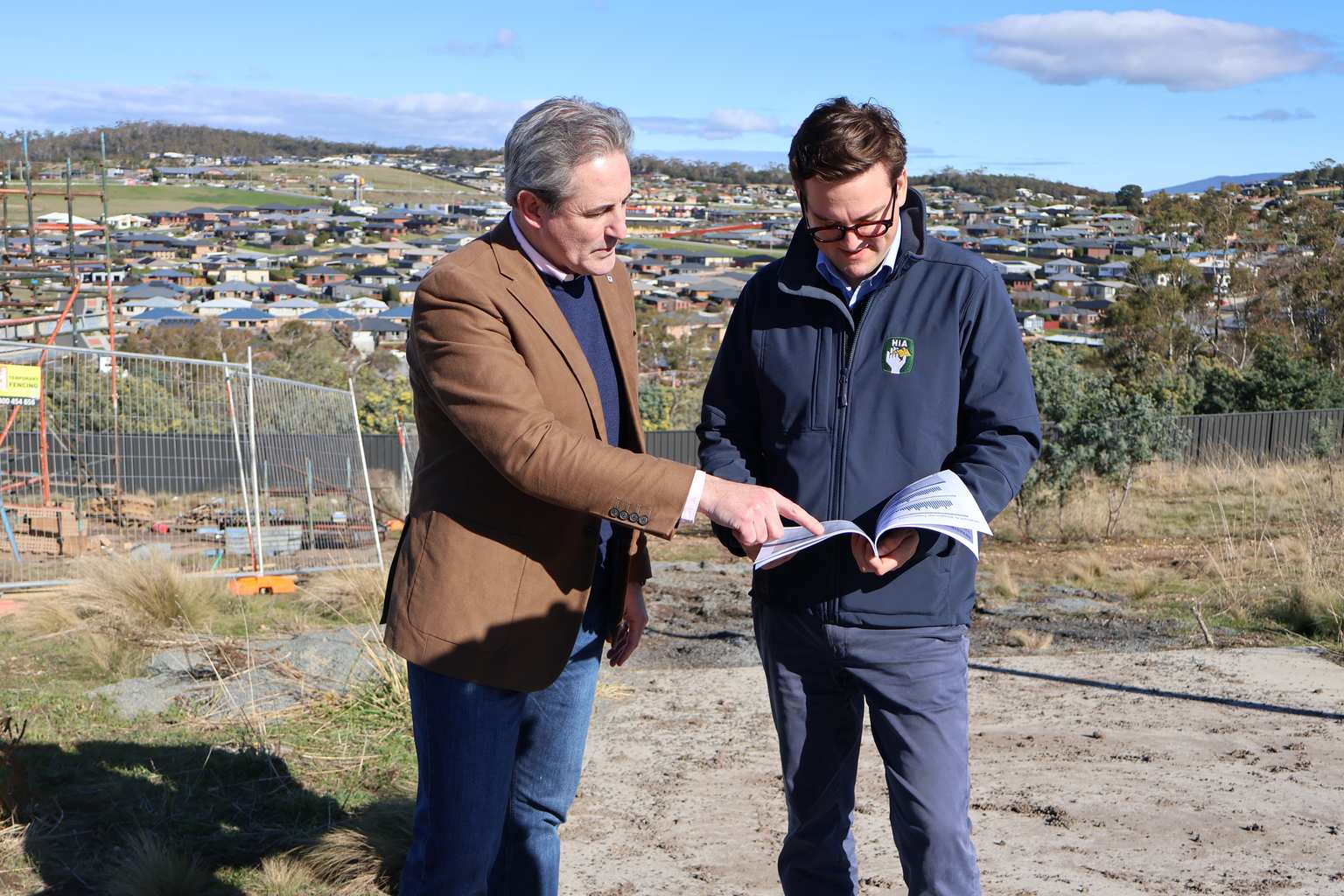
Blomeley said recent residential growth had been particularly evident in Rokeby, Risdon Vale and parts of Howrah, creating increasing demand for infrastructure, services and community facilities.
“Council’s role is to plan responsibly for growth and ensure our roads, footpaths, stormwater systems, open spaces, community facilities and services can respond to increasing demand,” he said.
“We are also here to advocate for the needs of our growing communities. We already know, for example, that Clarence needs more community sporting facilities.”
The City of Clarence’s 2026-27 budget includes a capital works program of more than $32 million, including almost $15 million for the transport network, $3.2 million for stormwater infrastructure and more than $2 million for sporting facilities.
“Growth brings opportunities, but it must be well planned and supported by coordinated investment from all levels of government so that new and existing residents continue to enjoy a connected, liveable and sustainable city,” Blomeley said.