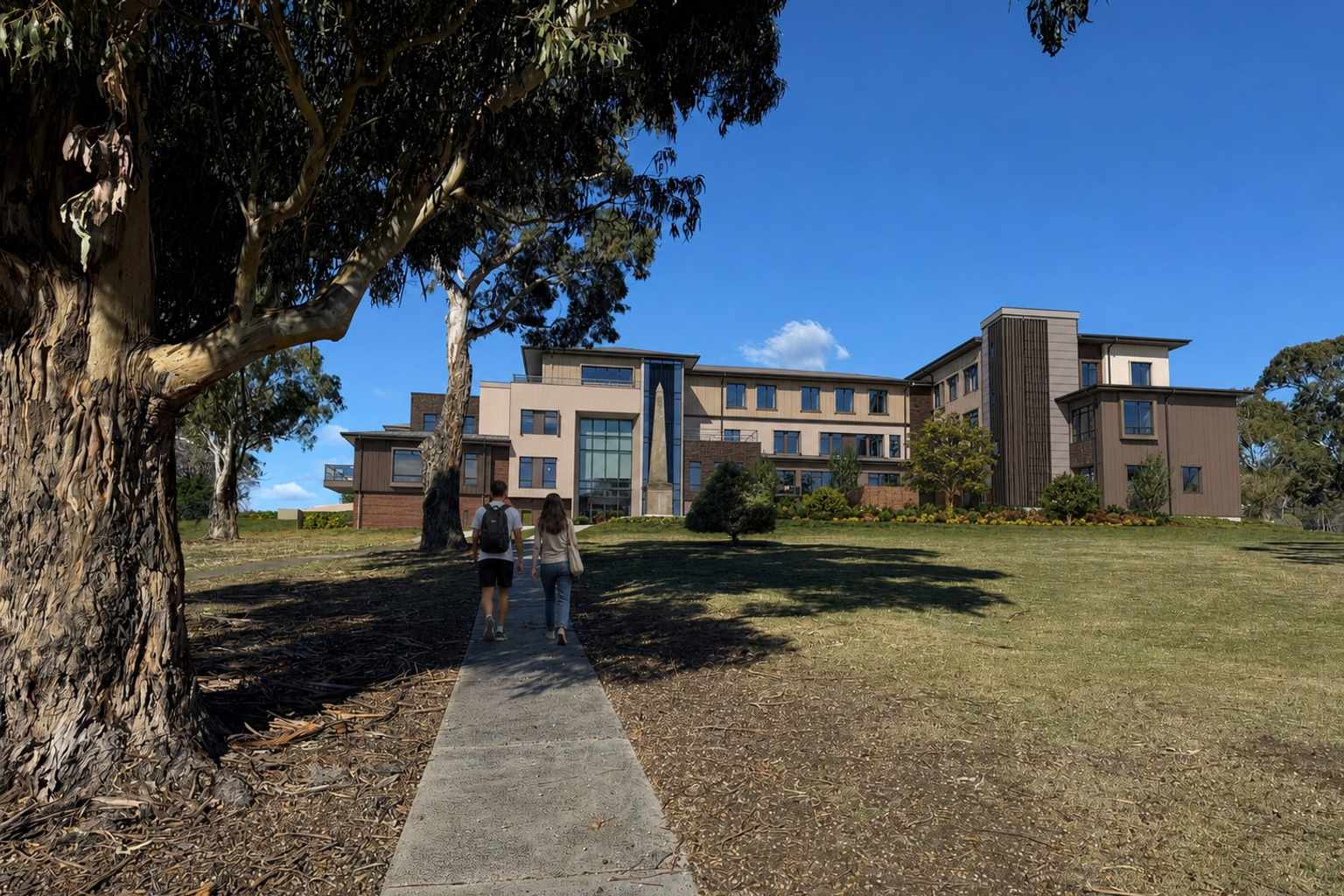
Construction has begun on a $47 million mental health precinct at St Johns Park in New Town that will include Tasmania’s first residential eating disorder treatment centre.
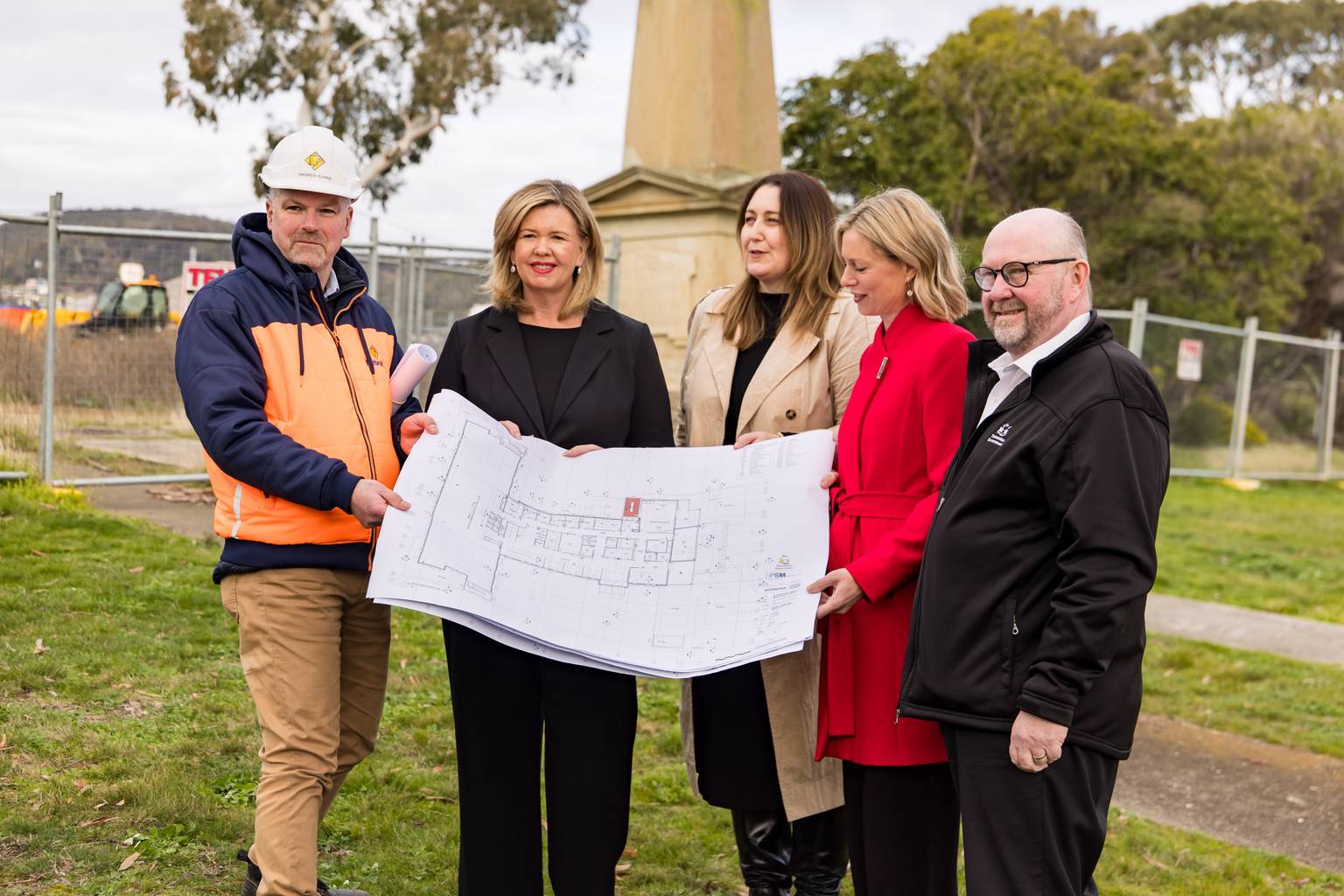
Health Minister Bridget Archer joined federal Assistant Minister for Health Rebecca White and Assistant Minister for Mental Health and Suicide Prevention Emma McBride today to mark the start of works on the jointly funded state and federal facility.
The precinct will house 15 mental health inpatient beds and 12 eating disorder beds, along with a Recovery College and Safe Haven similar to those at the Peacock Centre.
“It has taken some time to get to the start of these works, so we’re really excited to be here today and see them kicking off,” Archer said.
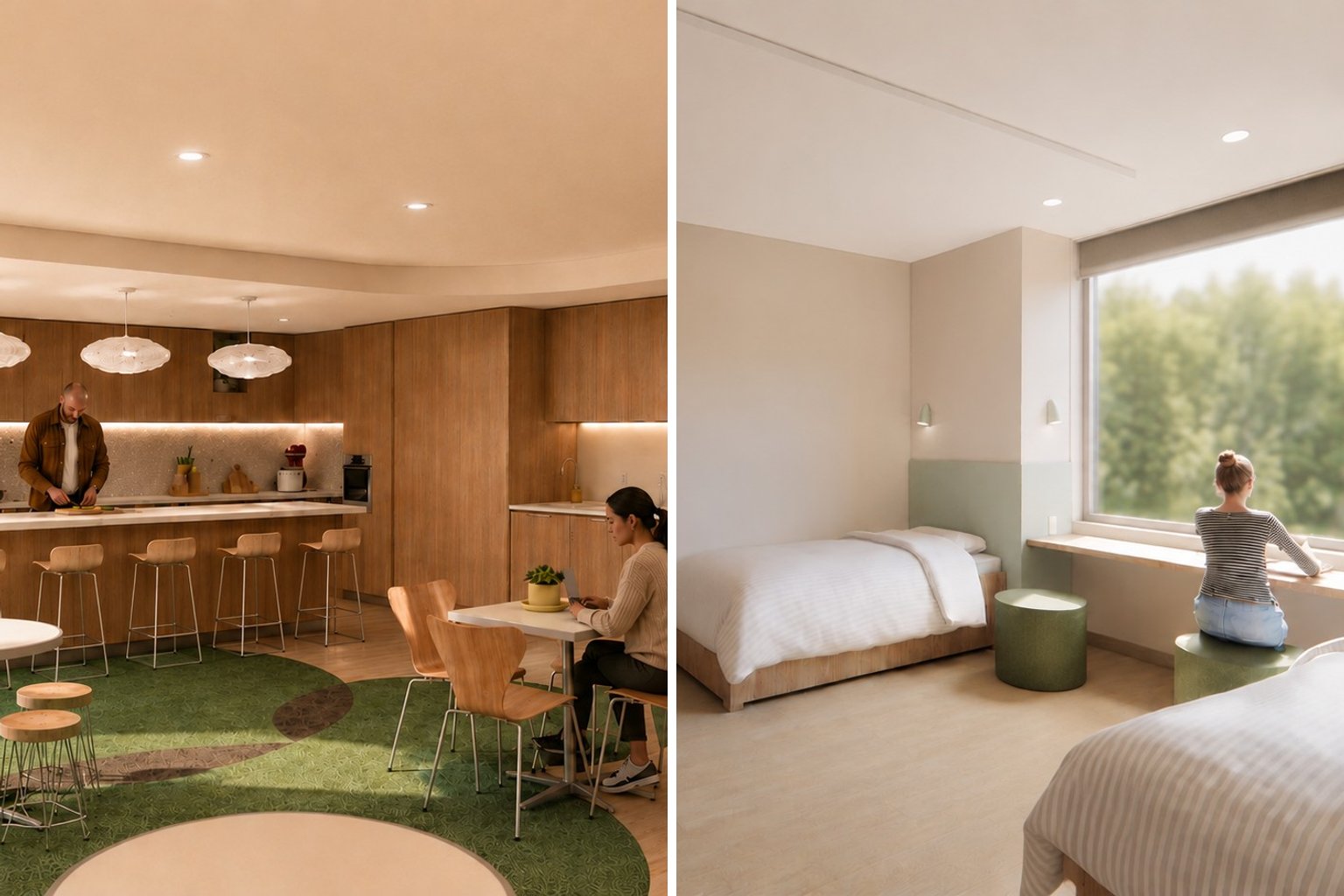
Construction is expected to be completed by 2028.
An intensive residential parenting unit on the same site is already under construction and expected to be finished by the end of this year.

Rebecca White said the project was long overdue.
“I think a lot of Tasmanians have been waiting for this moment for a long time, especially Tasmanians who are living with eating disorders,” she said.
McBride said around 1.1 million Australians are living with an eating disorder, with the Butterfly Foundation estimating 20,000 of those are Tasmanians.
“For too long, services haven’t been available close to home,” she said.
Eating disorders most commonly affect young people aged 12 to 25, often women, though McBride said there had been an increase among young men and boys.
The federal government has committed $63 million nationally to eating disorder residential services, with $7.5 million directed to this site.
Anita Reimann from the Tasmanian Eating Disorder Service said the 12-bed program would run for up to 12 weeks and be staffed by around 27 new employees within the Tasmanian Health Service.
“It will be for people who are medically and psychiatrically well and able to engage in full-time therapy,” Reimann said.
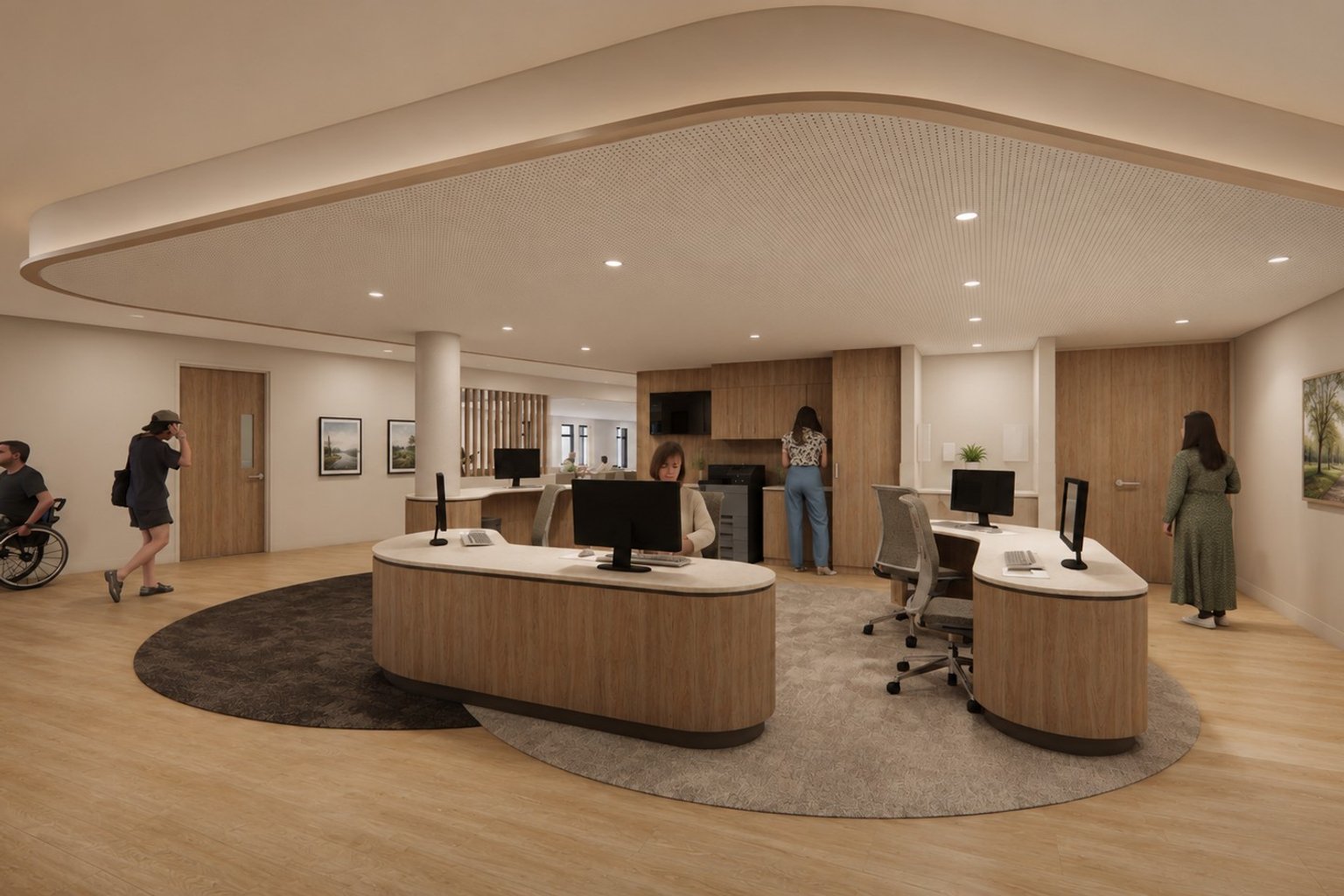
The program will include intensive psychotherapy, arts programs and support for developing a healthy relationship with food, with individual care plans for each participant.
Reimann said demand for eating disorder services had grown since COVID, potentially linked to the mental health impacts of isolation during lockdowns.
Archer acknowledged the project had faced delays due to complex heritage approvals, noting the site holds both colonial and Aboriginal heritage values.
Tasmanians seeking support can call Access Mental Health to be connected with specialist eating disorder services.