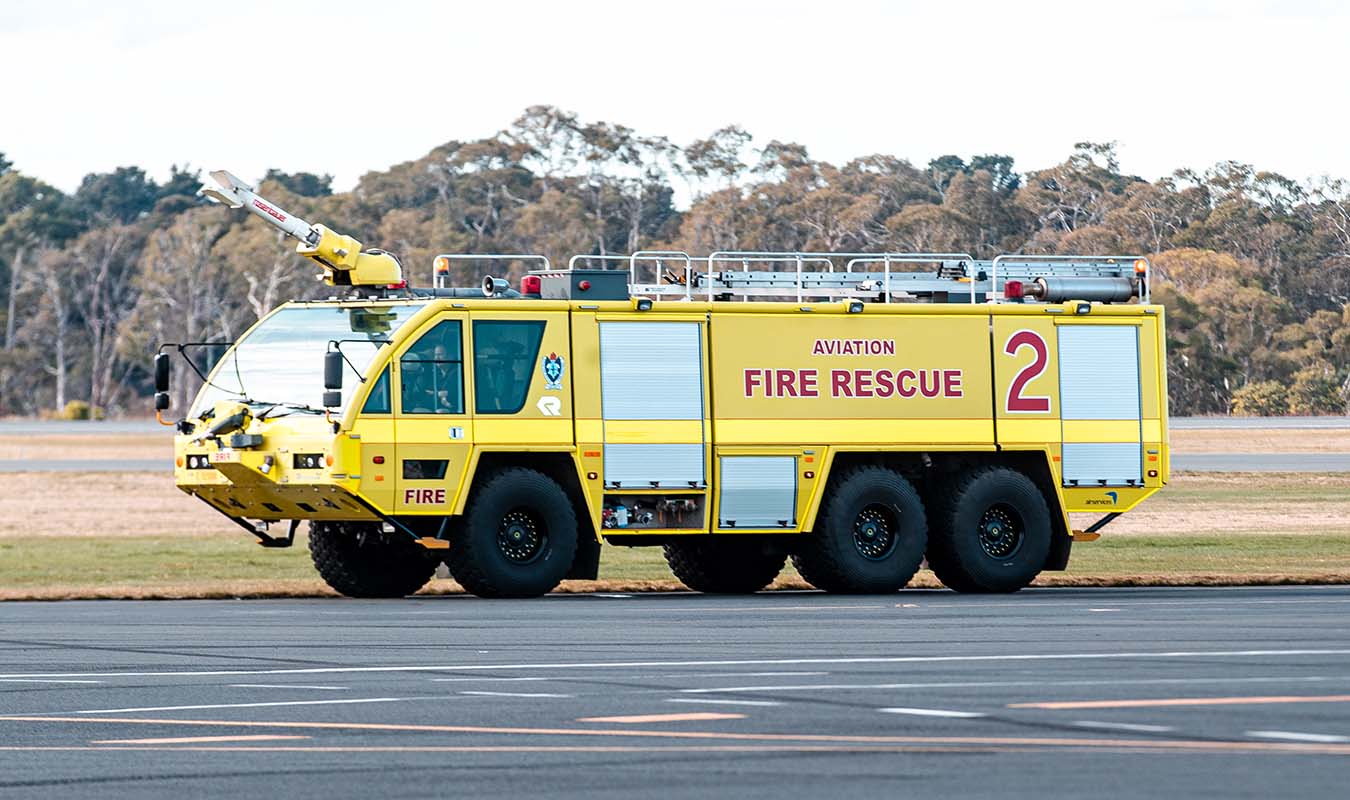
Launceston Airport has been grappling with a critical shortage of aviation firefighters for the past few months, according to claims made by the United Firefighters Union (UFU).
The UFU say the “ongoing safety breach” has seen aircraft as large as Boeing 737s carrying up to 200 passengers take off and land “without a single aviation firefighter on duty” to respond to an emergency.
Between December 1, 2023, and January 28, 2024, the union reports that 24 Virgin and Jetstar flights arrived and departed without the presence of aviation firefighters due to staff shortages, something the Union’s Aviation Branch Secretary Wes Garrett said was “extremely dangerous for air travellers”.
“Aviation fuel fires burn fast and hot, and when an aircraft crash or incident takes place, aviation firefighters have just three minutes to reach the plane before the fire penetrates the cabin and impacts the passengers,” he said.

“That’s why aviation firefighters are stationed right next to the runaway, to give passengers the best possible chance of rescue and survival should an emergency occur.”
“Unfortunately, we do not have enough aviation firefighters to cover all aircraft movements at Launceston, particularly when flights are delayed and arrive late at night.”
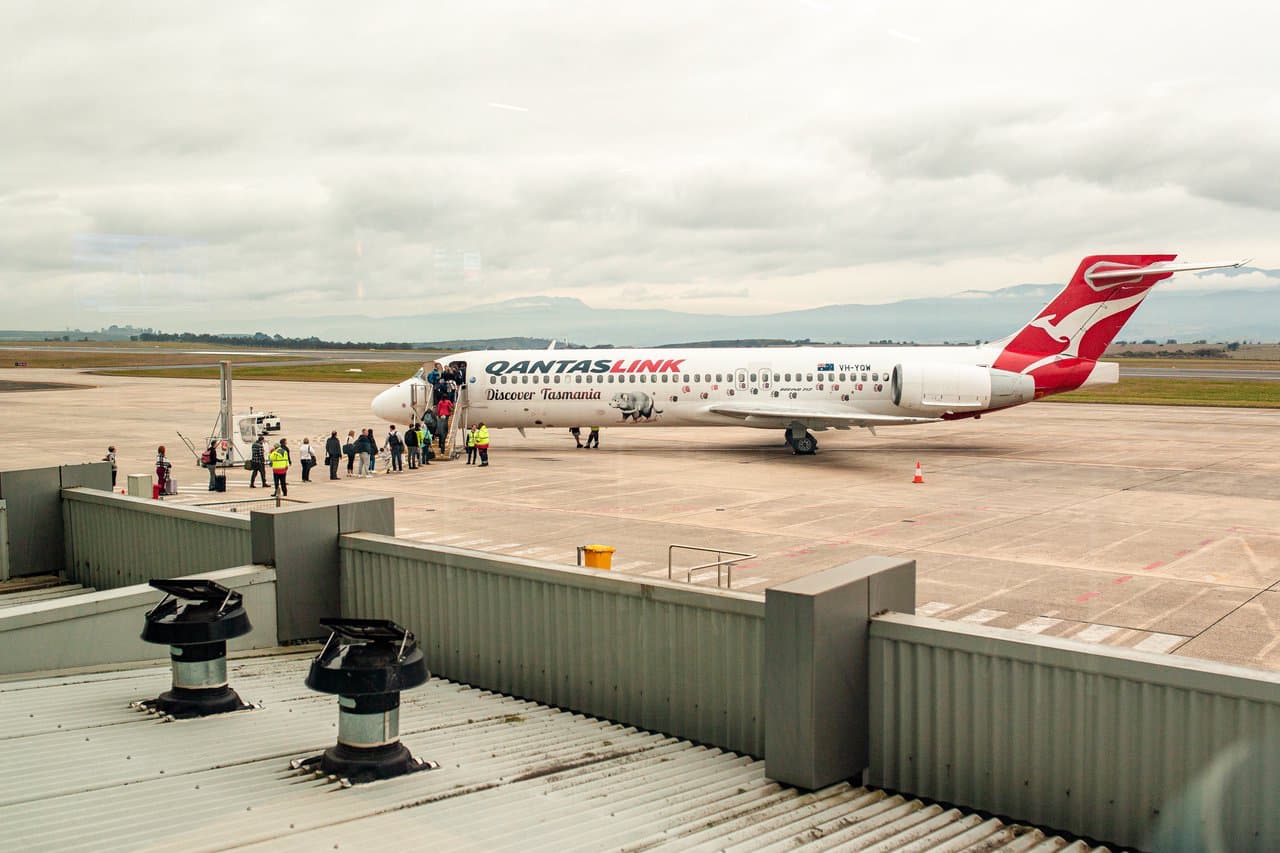
Garrett said dealings with Airservices Australia have so far been unsatisfactory.
“Airservices will say that part of their contingency for managing this major safety breach and threat to passengers is to rely on local fire and rescue services to respond to a plane crash or emergency at the airport,” he said.
“However, aviation firefighting is highly specialised and local fire and rescue services are not adequately equipped to deal with fast-burning aviation fuel fires, nor are they trained to rescue passengers from burning aircraft.”
“CASA is responsible for ensuring that Airservices adheres to its international obligations to provide appropriate aviation firefighting services to passengers.”
The union is calling on Airservices to ensure that all flights receive the necessary aviation firefighting category protection as required by international and domestic aviation laws, to recruit new aviation firefighters and to improve working conditions and remuneration.

Airservices Australia has stated that 23 full-time aviation rescue firefighters are employed at Launceston Airport, working six days a week from 5:55am to 11pm and on Saturdays from 5:55am to 9:40pm.
“Airlines may choose to operate outside these published operational hours or fly into an airport where an ARFF service is not provided,” they said.
“We have not withdrawn after-hours services at Launceston Airport and continue to offer out-of-operating hours ARFF services to late aircraft arrivals on an overtime basis.”