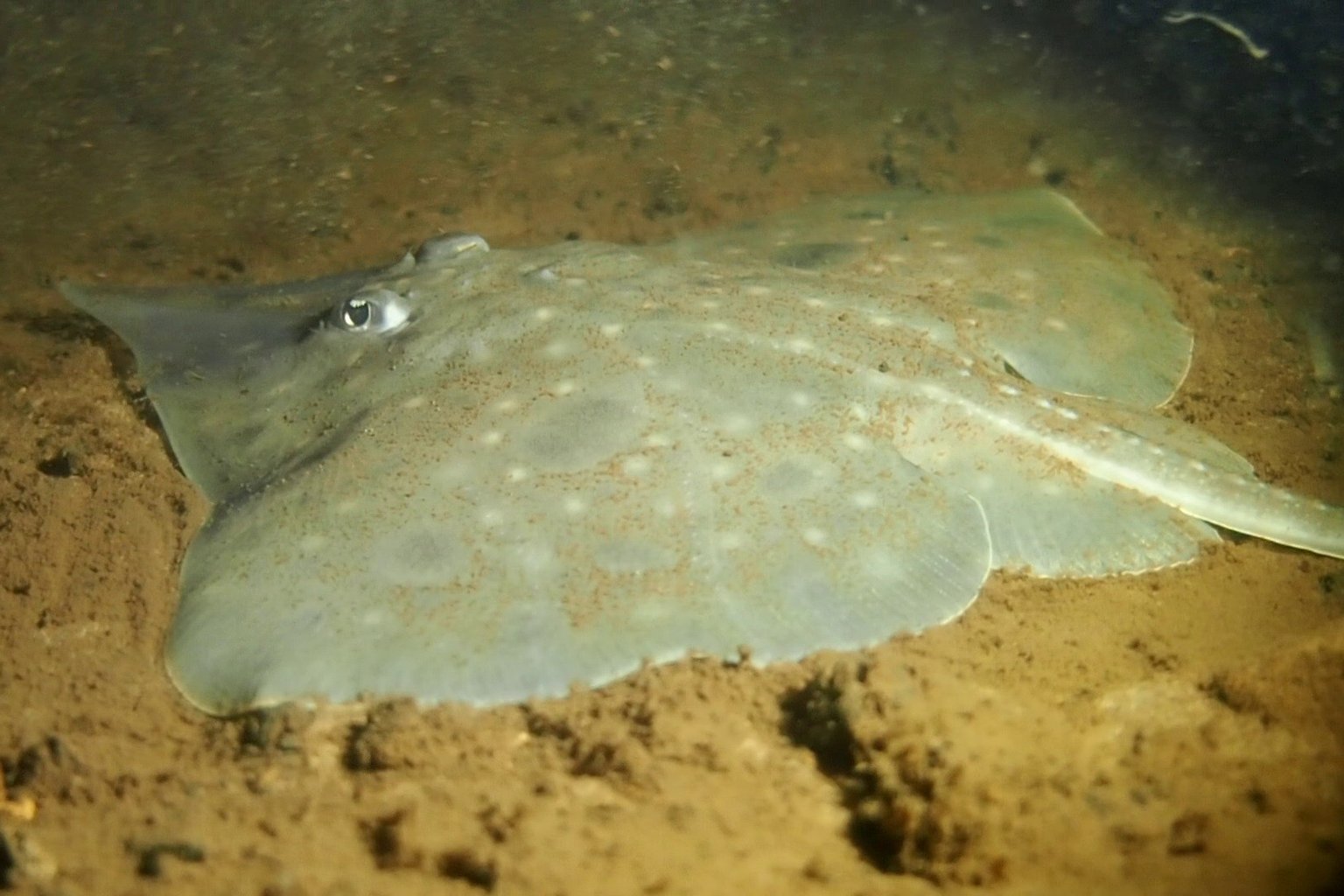
Young endangered Maugean skates have survived to adulthood in Macquarie Harbour for the first time since monitoring began, offering a glimmer of hope for the species’ recovery.
Researchers from the University of Tasmania’s Institute for Marine and Antarctic Studies have released their 2025 population status report for the critically endangered species.
It found that skates born in Macquarie Harbour during the monitoring period have now reached maturity, a crucial milestone for the population’s future.
Relative abundance of the skate dropped significantly between 2014 and 2022.
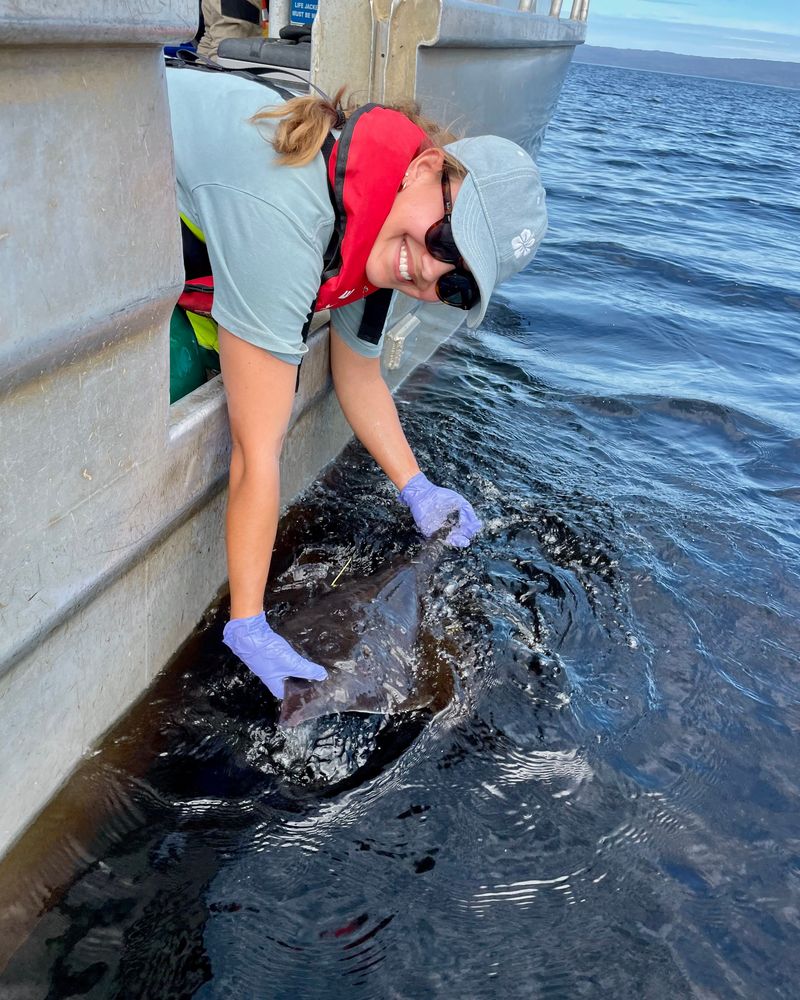
But since systematic monitoring resumed in 2021 after a gap of several years, numbers have climbed back to levels closer to those estimated in 2014.
“Monitoring of the Maugean skate population in Macquarie Harbour is critical to ensure the most contemporary information is available,” Maugean skate biologist and ecologist at IMAS Bailee Woolley said.
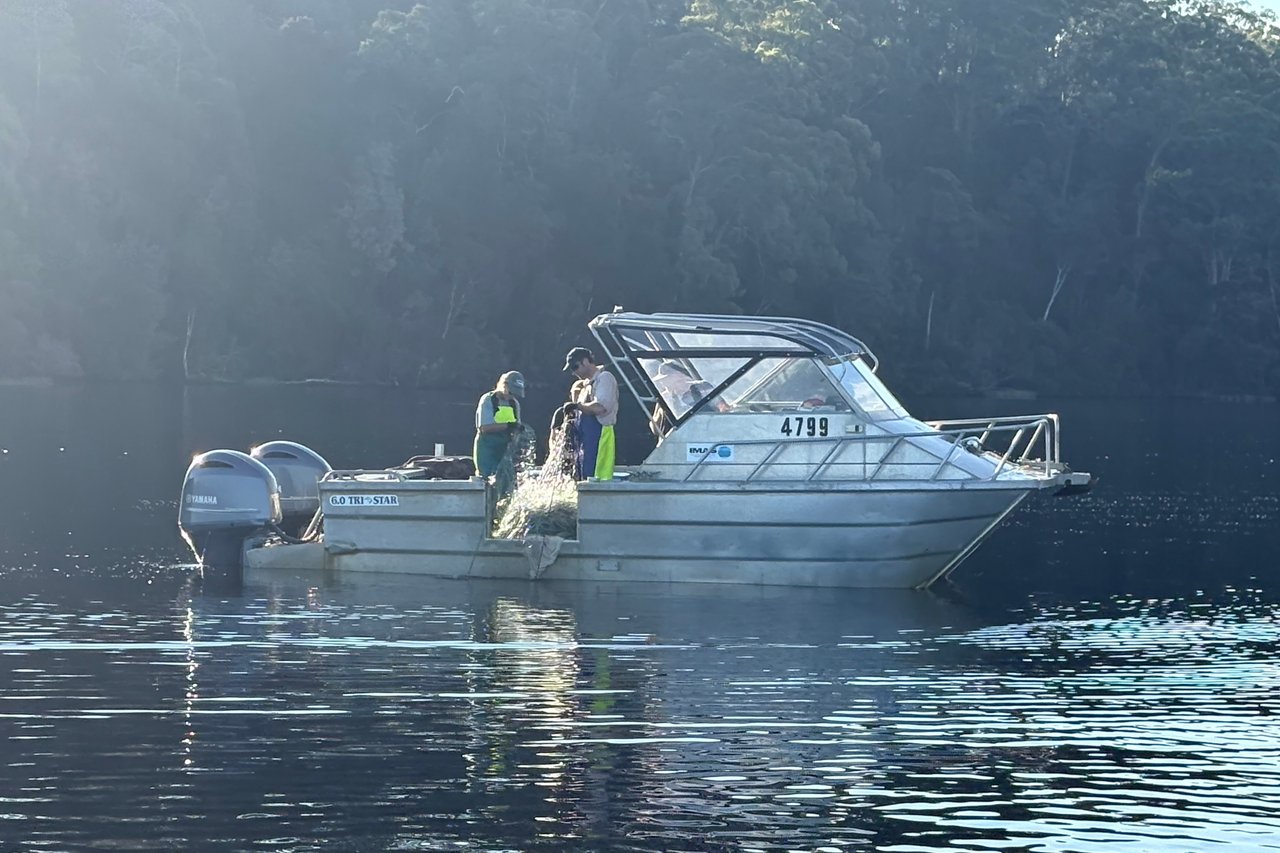
“A high proportion of individuals captured as adults in 2025 were linked to the 2020 and 2021 cohorts, providing evidence that some recent juveniles have survived to maturity.”
But Environment Tasmania says the new report shows the species is “on a knife-edge”.
“It appears from this report, that the skate is in decline and seeking habitat away from salmon farms,” Jess Coughlan, senior skate campaigner at Environment Tasmania said.
“As the population of the endangered Maugean skate edges closer to the cliff, we can’t know for sure that its survival is protected for even the next decade – or has the resilience to withstand the upcoming El Nino event. Without annual and thriving recruitment, each year that passes, the species is on a knife-edge.”
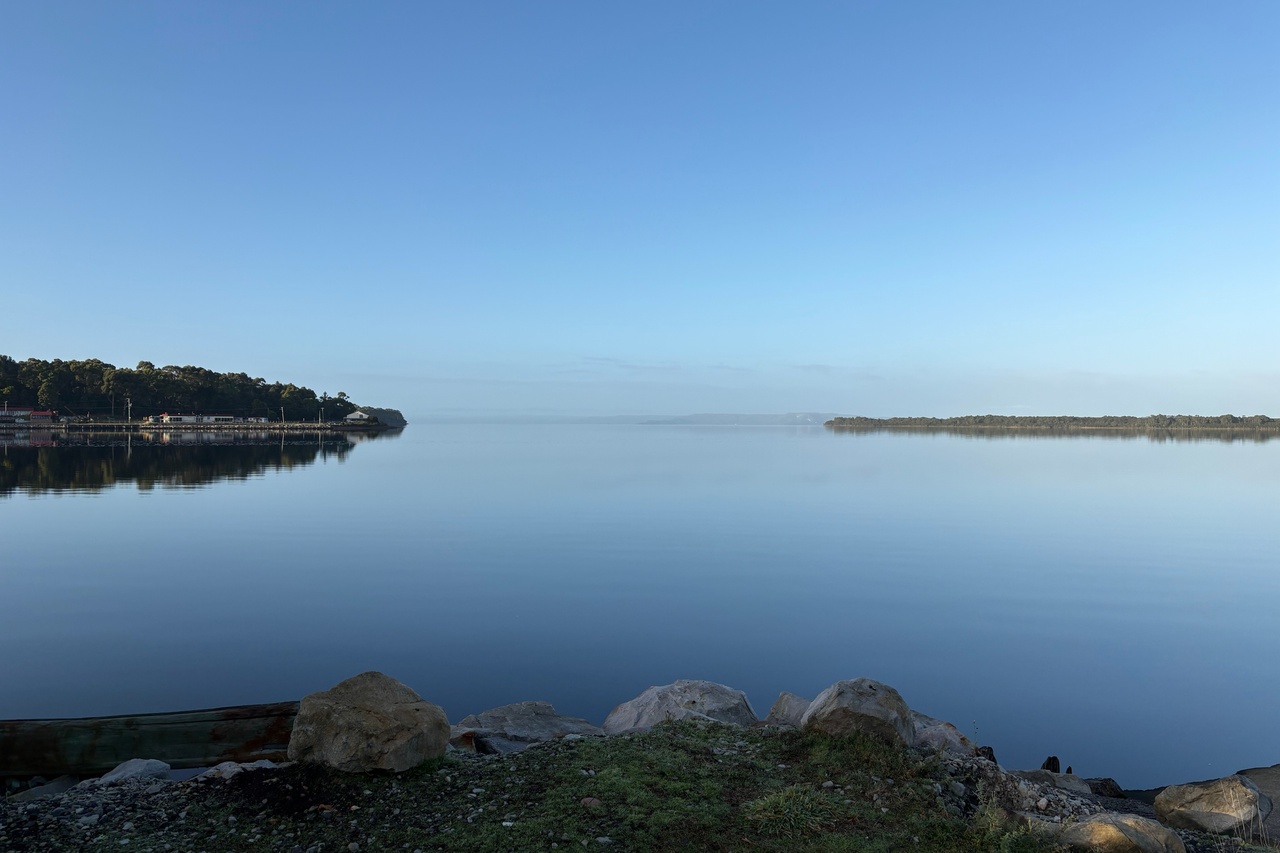
Jayson Semmens, an IMAS marine ecologist and leader of the skate research and captive management program, said the species still is not out of danger.
“Given the significant population decline suggested from the change in relative abundance estimates between 2014 and 2022 previously reported, juveniles surviving through to maturity is good news,” he said.
“However, some years are producing stronger juvenile survival than others.”
“Multiple consecutive years of juvenile survival through to maturity will likely be required before there is a sustained recovery.”
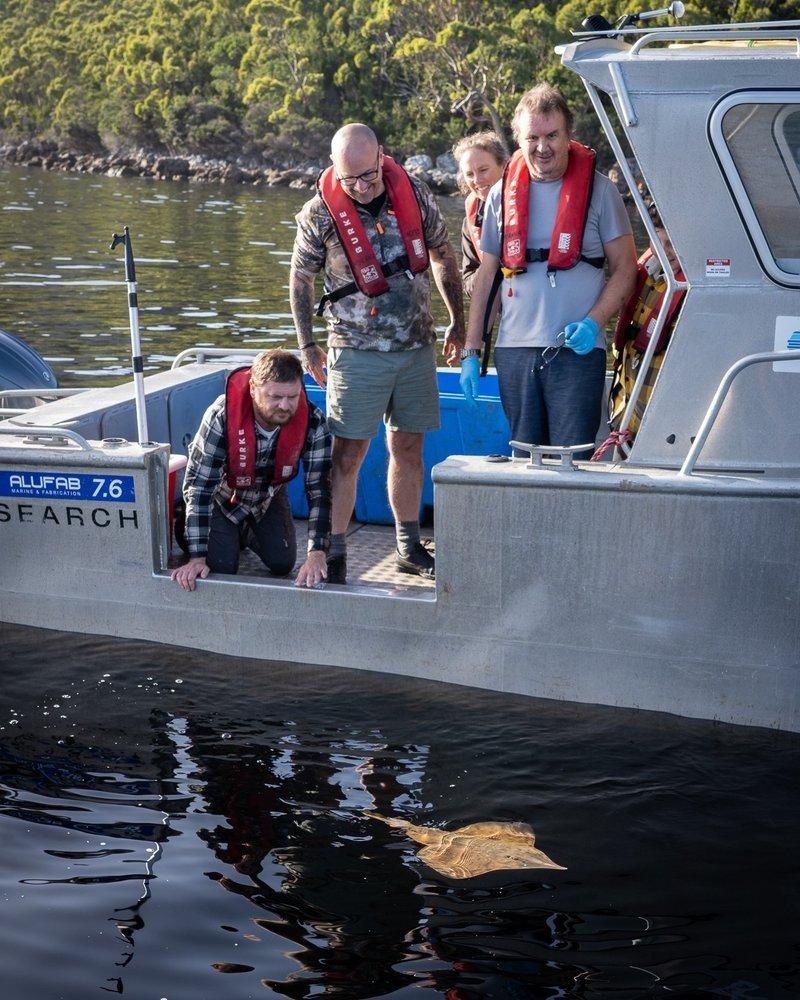
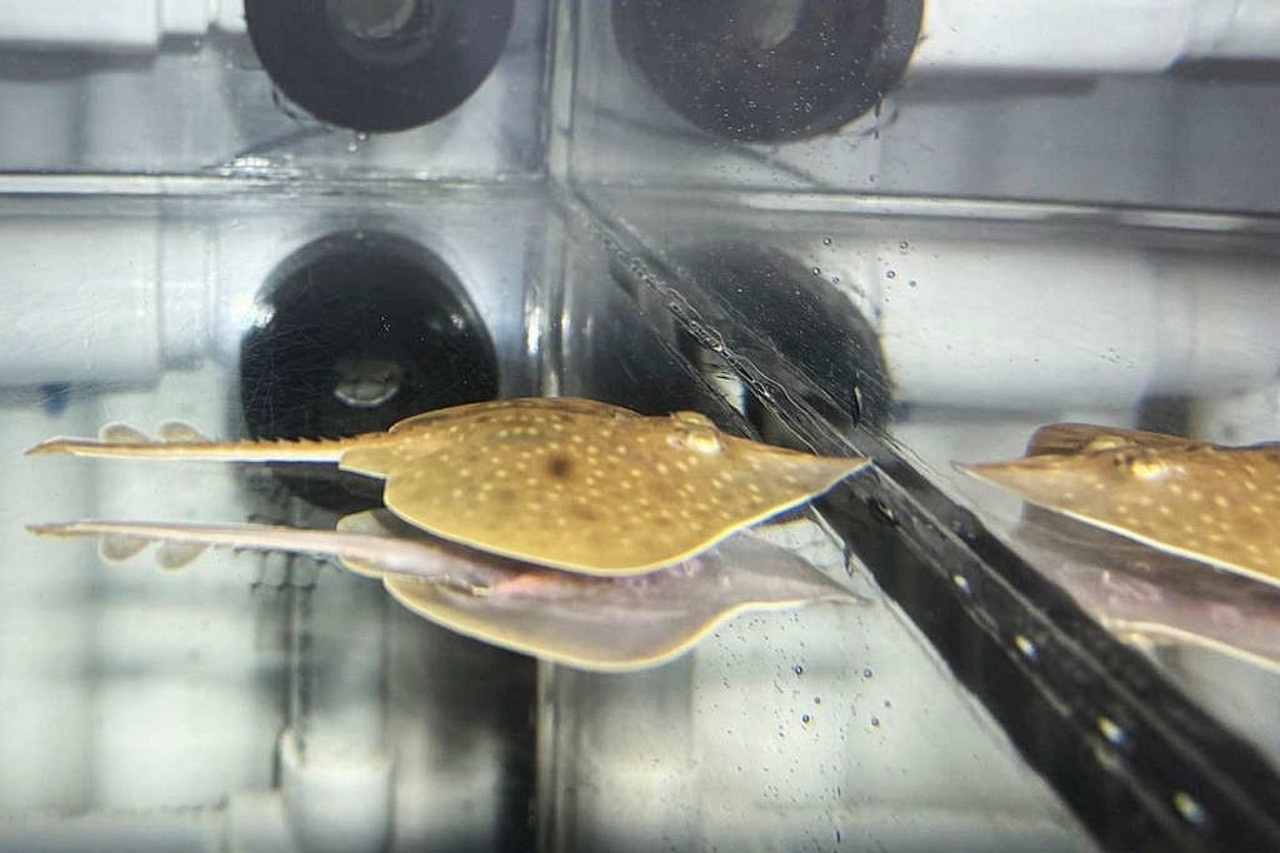
He said skates take four to six years to reach maturity and have short reproductive lifespans, meaning several successful breeding years will likely be needed to sustain population growth despite relative abundance improving since 2022.
Researchers have launched an acoustic tracking program in the harbour to better understand changes in skate behaviour and movement patterns.
The monitoring program is funded by the Tasmanian government’s Threatened Species Fund, administered by the Department of Natural Resources and Environment Tasmania.