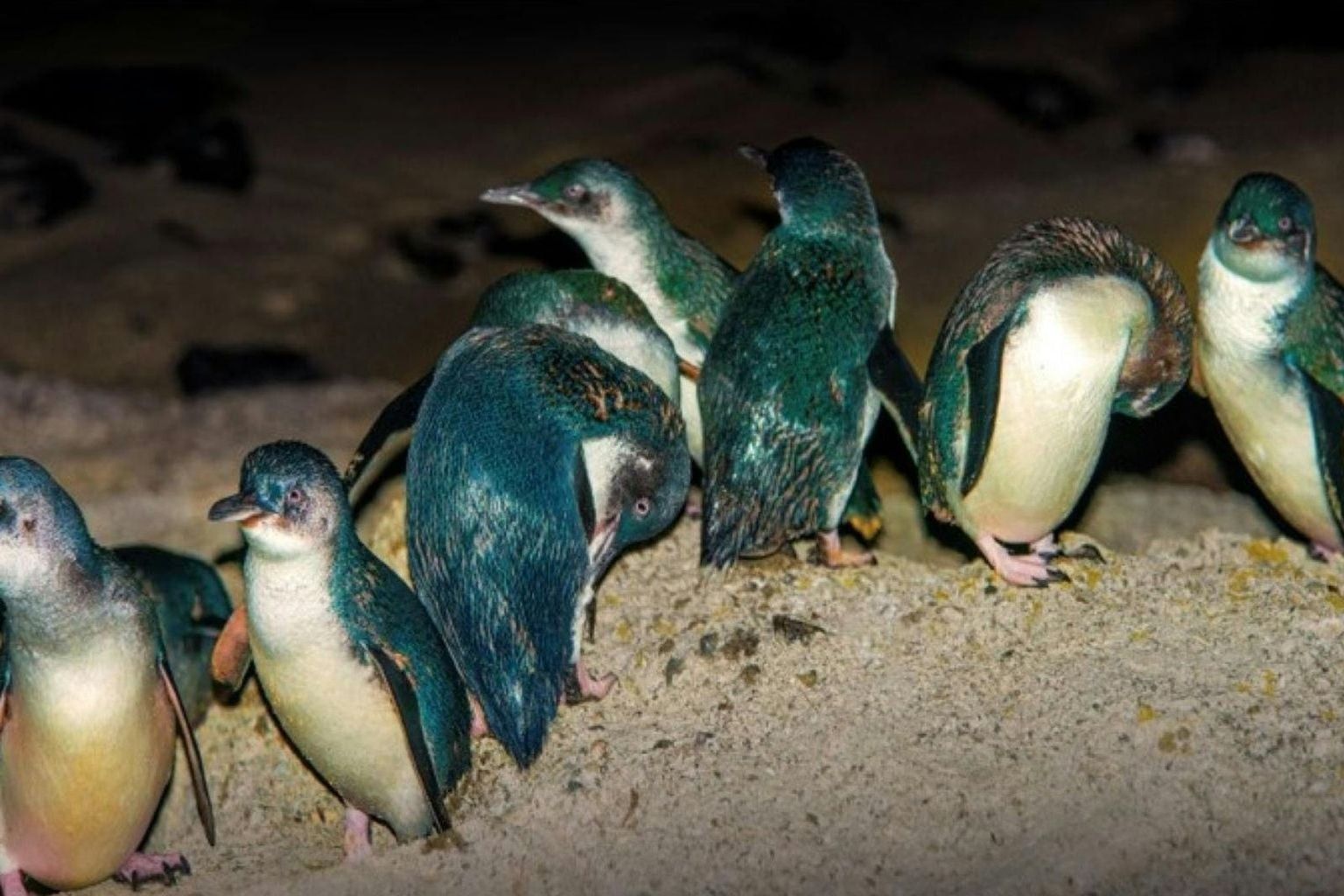
Another 23 dead penguins have been found on King Island, bringing the total to 51 as H5 bird flu continues to spread through Tasmania’s north-west.
Seven new positive detections of bird flu were confirmed on Thursday by the Animal Health Laboratories at Mount Pleasant, lifting the state’s total to 18.
The latest cases came from birds collected on beaches and bays near Currie on King Island.
They include four silver gulls, two crested terns and one white-fronted tern – a species not previously recorded with a positive detection in Tasmania.
Incident Controller Wes Ford said test results for the dead penguins were still pending.
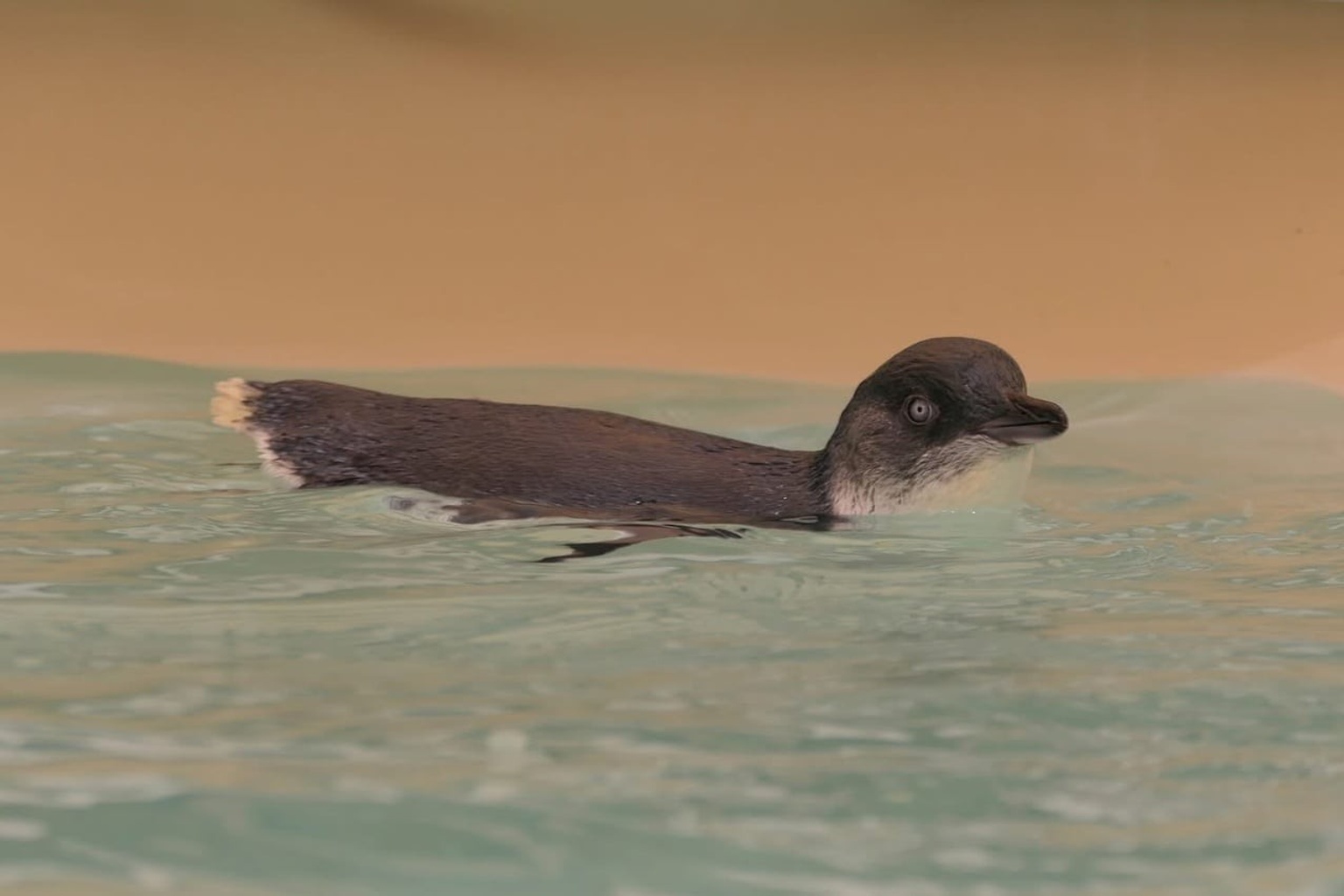
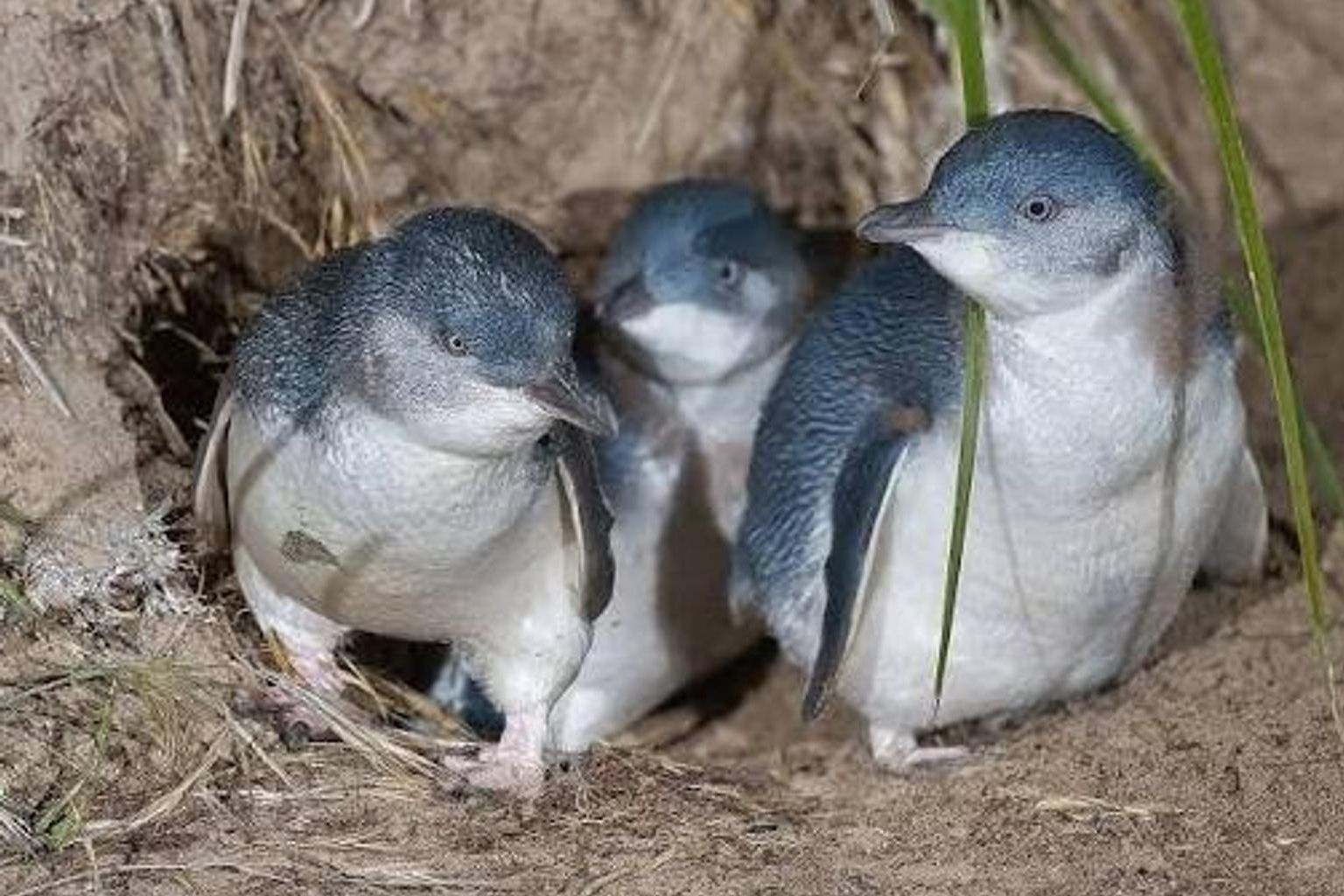
“We have now identified an additional 23 dead penguins, bringing the total to 51 however we are still waiting on the test results for these birds,” he said.
“As a result, we are deploying more staff to increase our surveillance, monitoring and collection activities in the area.”
Ford said authorities were committed to supporting the King Island community through ongoing surveillance, regular communication and timely advice.
Samples from the latest detections have been sent to the Australian Centre for Disease Preparedness in Geelong for confirmation testing and sequencing.
He said further detections were expected on King Island, along the north-west coast and eventually in other parts of Tasmania.

The Department of Health has reiterated that human infection with H5 bird flu is rare.
“The current risk of H5 bird flu to people in Tasmania is low,” Ford said.
“People can prevent getting bird flu by staying away from sick or dead birds and other animals, including their feathers, fluids, saliva, faeces and other contaminated material.”
Anyone who spots sick or dead wildlife should call the Emergency Animal Disease hotline on 1800 675 888.