A repeat drink driver who crashed head-on into a car in Smithton, leaving a woman with injuries she expects to carry for life, has been granted parole.
A recently published Parole Board decision shows Daniel Vincent Gardiner was granted parole from September 7 until June 4, 2027. He was jailed for one year and nine months on September 25, 2025.
He must wear an electronic alcohol monitor and be assessed for a mental health care plan.
The board heard Gardiner drank about 11 beers and spirits on November 6, 2021, before deciding to drive home.
The board said he was speeding on a damp Goldie Street when he failed to take a bend and hit an oncoming car head-on.
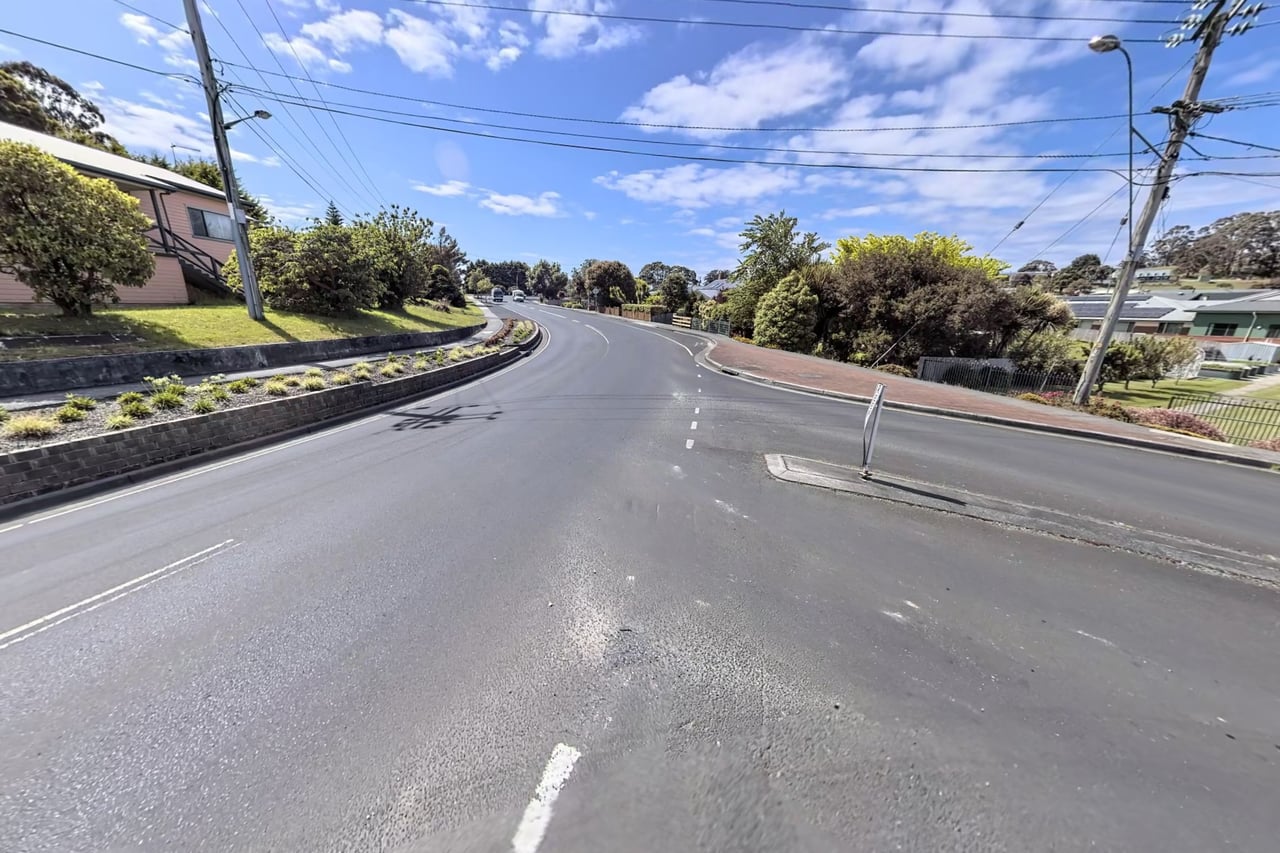
The sentencing judge found no evidence he had braked. The board said this suggested “a profound lack of attention and awareness consistent with intoxication”.
The board said Gardiner had initially tried to blame the other driver for the crash, even though he was responsible for it.
A woman in the other car suffered a fractured elbow that needed several surgeries.
She also had a broken rib, deep vein thrombosis, nerve damage and ongoing anxiety.
Two other people in her car were also injured, including a 15-year-old.
“My entire life has been turned sideways by this crash,” she said in a victim impact statement to the court when Gardiner was sentenced.
“It has profoundly affected every aspect of my life for the past three and a half years and will continue to do so for the rest of my life.”
The board noted the “consequences of the offending were severe” in its decision.
It also noted Gardiner had numerous drink-driving convictions from 2004 to 2011.
At his August 21 hearing, he told the board he had not touched alcohol since the crash. He said he had become complacent when life was going well.
The board said he became emotional when he talked about the harm he had caused.
“There is evidence of meaningful change since the offending,” it said. “The principal risk remains his relationship with alcohol.”
The board said that risk could be managed through alcohol monitoring, support services and close supervision by Community Corrections.