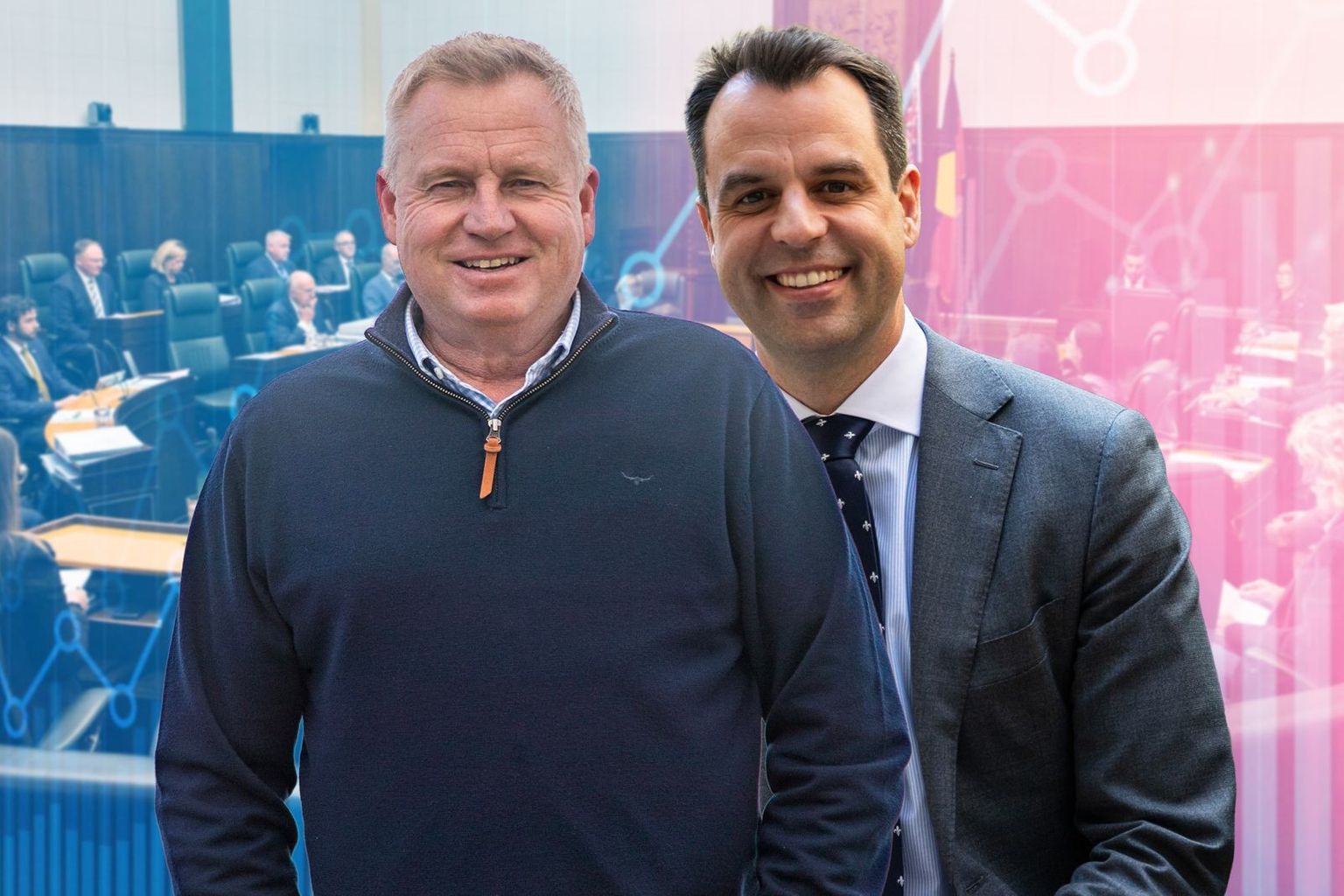
Premier Jeremy Rockliff has recorded his sharpest drop in preferred premier ratings since becoming leader, falling seven points to 37% as opposition leader Josh Willie climbed five points to 30%.
The result comes despite the Liberals inching further ahead in the latest state voting intention poll, up one point to 26% with Labor down one to 23%.
The latest EMRS quarterly survey of 1,000 registered voters was conducted from August 17 to 18, with a margin of error of 3.1% at the 95% confidence level.
One Nation’s state voting intention hit a record high of 21% up from 19%, as the minor party closes in on the two major parties.

Their result comes despite not having any candidates listed in Tasmania.
The Greens rose two points to 16%, while independents dropped two points to 14%.

EMRS director Brad Stansfield said the results offered “something in it for everyone” but noted no major changes in overall voting intention.
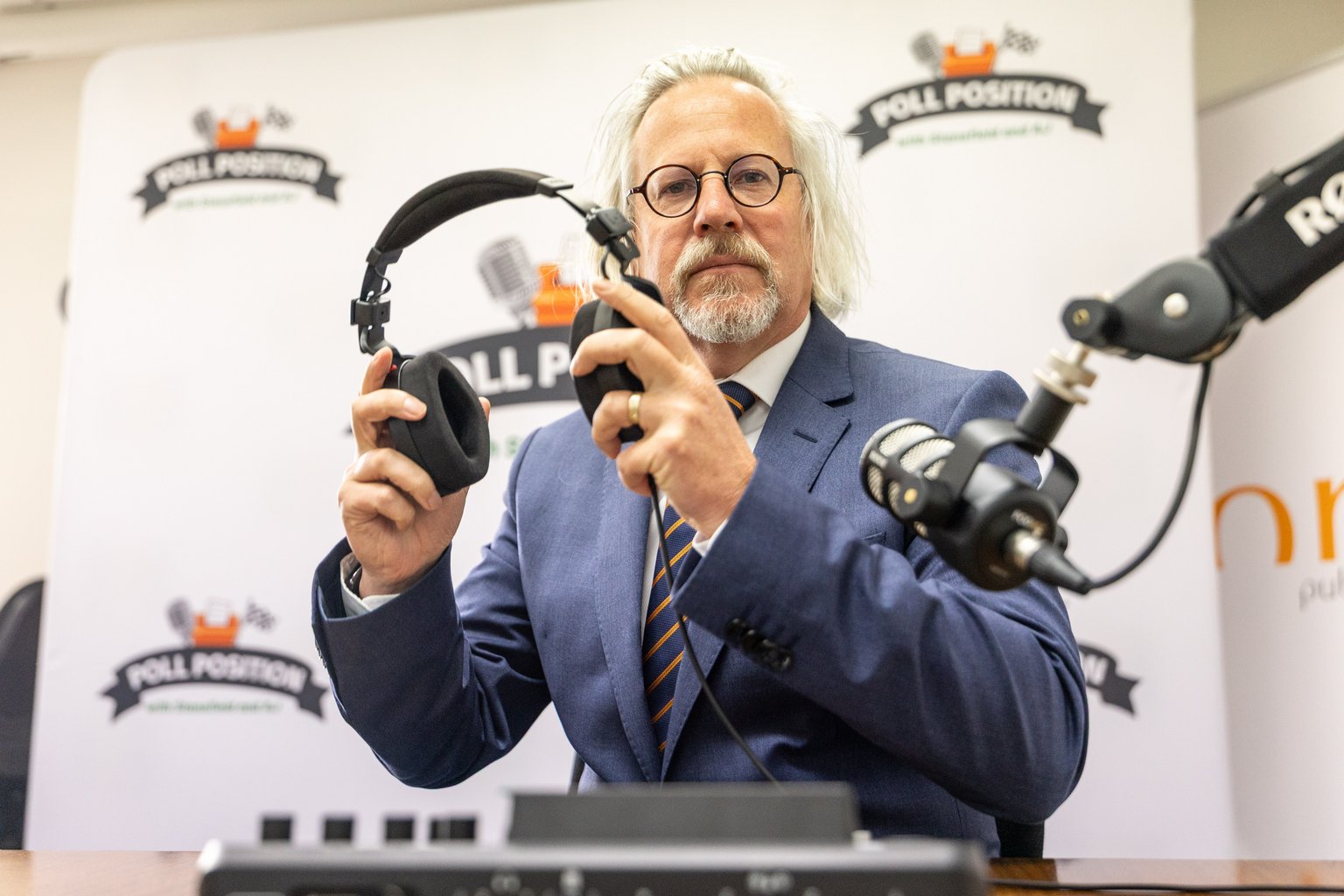
“From the government’s perspective, they’ve gone up a point despite the fact they’ve lost two ministers,” Stansfield said on today’s Poll Position podcast.
The preferred premier contest saw the biggest movement.
Rockliff fell seven points to 37%, his lowest result since becoming premier.

Opposition Leader Josh Willie climbed five points to 30%.
Willie had pledged to lift Labor’s primary vote to 30% by Christmas and while the party remains stuck at 23%, political commentator Alex Johnston said the preferred premier result was a silver lining.
“Josh Willie will be able to go into the party room and say, you know, my preferred premier rating is going up, so the problem is not all me,” Johnston said.
All three party leaders recorded significant drops in net favourability, with Rockliff falling to minus 7%, Willie slumping to minus 14% and Greens leader Rosalie Woodruff dropping to minus 16%.
Stansfield said the falls could reflect “an increased dissatisfaction in the community with our current political situation” that was also fuelling the One Nation rise.
Federally, One Nation reached 26%, also a new EMRS high, ahead of the Liberals on 17% and trailing Labor on 29%.
Anthony Albanese leads as preferred prime minister at 48%, ahead of Angus Taylor on 21% and Pauline Hanson on 19%.
On two-party preferred, Labor leads the Liberals 57-43 statewide, but smaller electorate samples showed One Nation running neck and neck with Labor in Braddon.
Preference data revealed 81% of One Nation voters would place the Liberals ahead of Labor, but only 53% of Liberal voters would return the favour.
Stansfield said the numbers made a strong case against the Liberals doing a preference deal with One Nation.
“They do not need to do a preference deal with them to get 80% of the preferences, they’re getting them anyway,” he said.
“It doesn’t make any sense mathematically to be doing it.”
He said the Liberals needed to “stop flirting with One Nation” and instead focus on pre-selecting strong candidates and putting forward clear policy.
Healthcare topped state voting issues at 20%, followed by cost of living at 19% and the economy at 13%.
Recent issues in parliament also polled with low-priority, with only 2% listing firearms as their most important issue and 2% on government competency.