A Tasmanian man who stopped paying his mortgage because he believed God would cover it, before lying in wait and shooting dead the police officer who came to repossess his home, has been jailed for 40 years.
This story contains details of a fatal shooting and may be distressing for some readers.
If this story has raised concerns for you, support is available. Call Lifeline on 13 11 14 or Beyond Blue on 1300 22 4636.
Leigh Geoffrey Sushames, 47, ambushed Constable Keith Smith with a loaded rifle as the officer arrived to change the locks on his North Motton property in Tasmania’s north-west on June 16, 2025.
He pleaded guilty to murdering Constable Smith and to the aggravated assaults of Sergeant Gavin Rigby and a Special Operations Group (SOG) tactical operator.
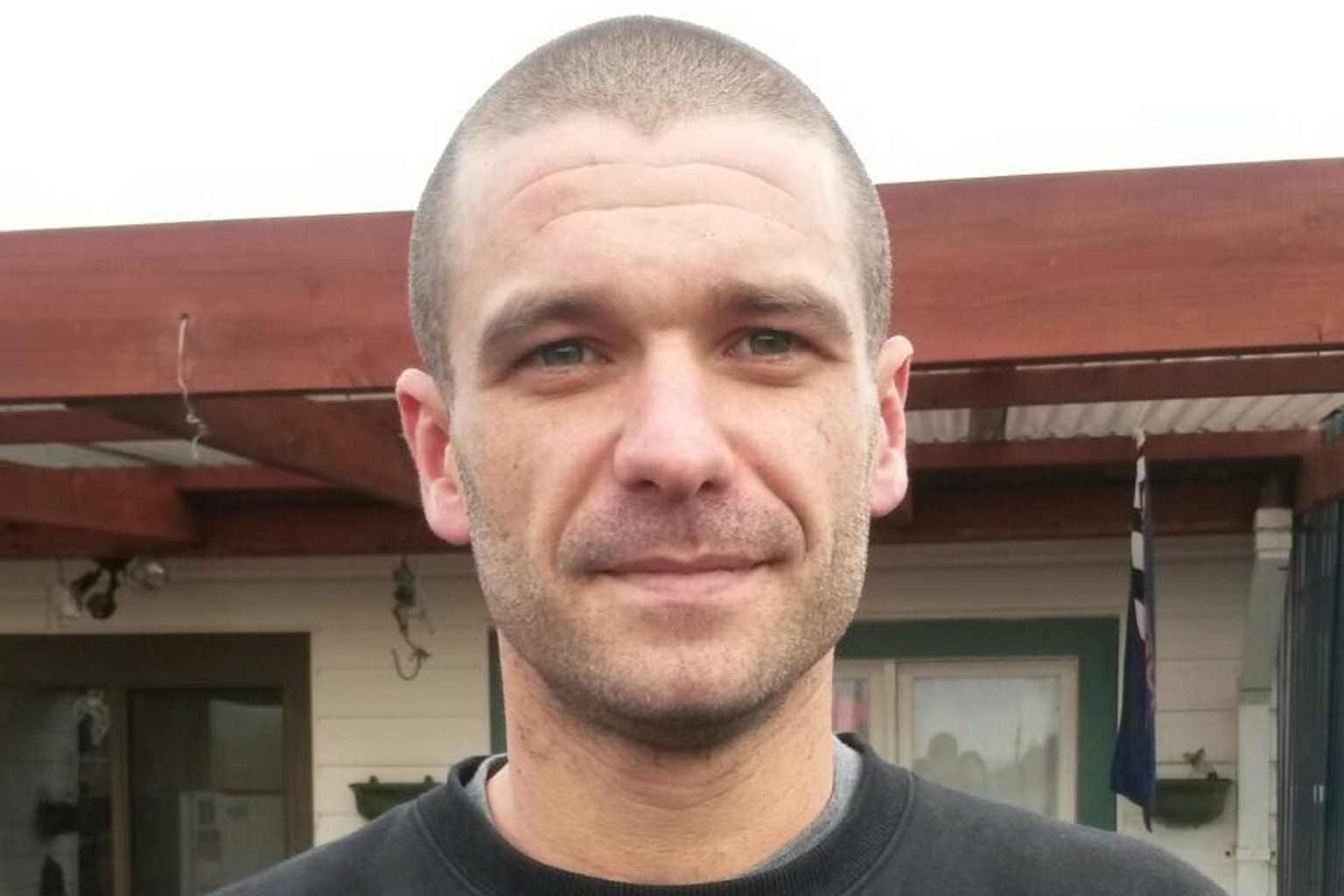
The Supreme Court of Tasmania in Burnie today heard Sushames had fallen years behind on his mortgage and had repeatedly refused help to fix the situation.
He bought the rural property in 2009 for $275,000 and stopped making repayments in 2016.
By 2023, Commonwealth Bank had begun repossession proceedings, with more than $200,000 still owing. Sushames declined offers of help from his mother and sister.
Justice Tamara Jago said Sushames told police during an interview that he had expected God would “take care of everything”.
Asked by police how that was working out, he said “good”, before adding: “Then God didn’t do anything.”
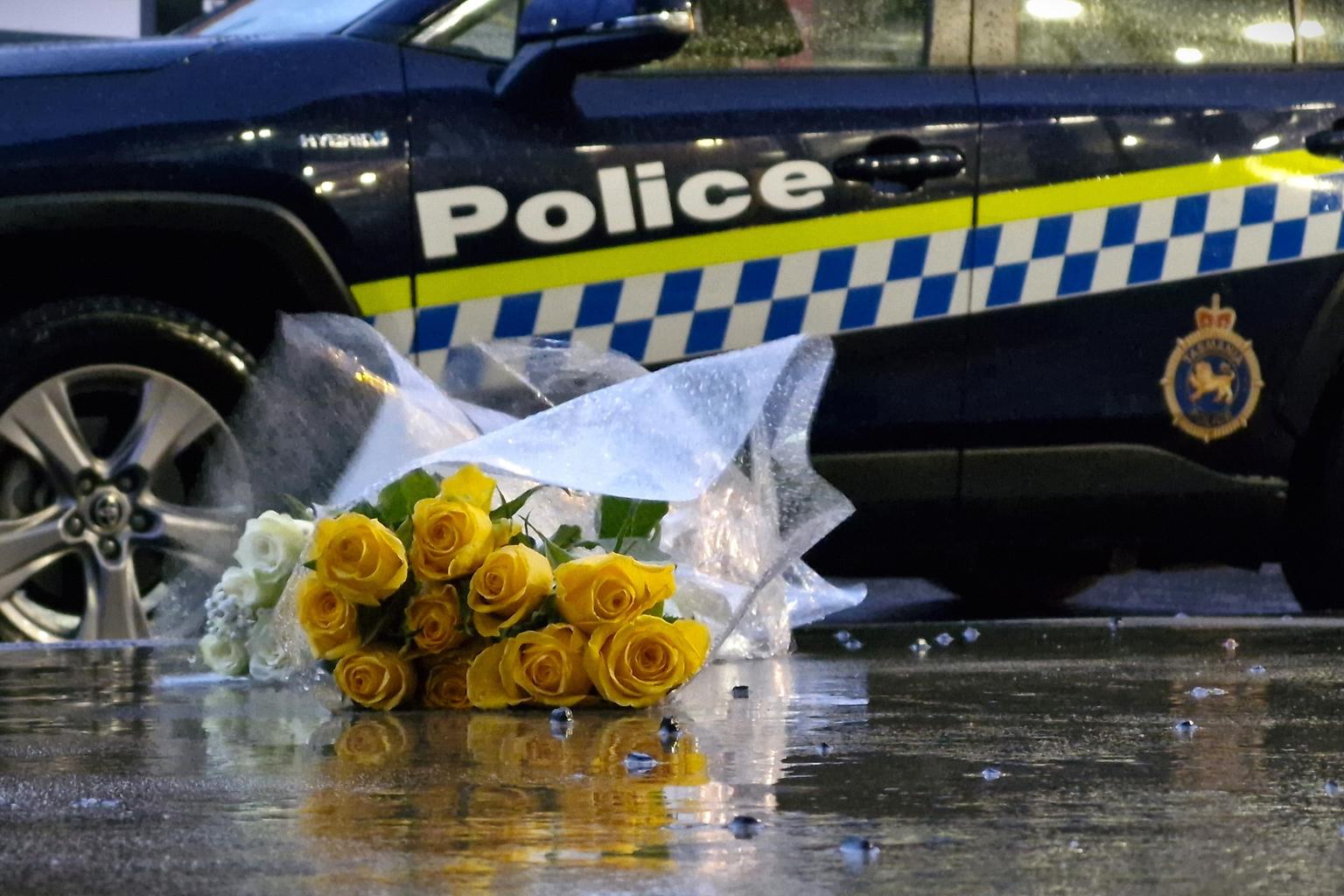
Months before the shooting, Sushames told a friend words to the effect of: ‘I will kill them or shoot them, but no one is going to take my house off me,’ the court heard.
Constable Smith and Sergeant Rigby first visited the property on June 4, 2025, to serve the notice of possession.
They told Sushames they would return at 11am on June 16 to change the locks.
When officers asked if he was expecting the proceedings, Sushames said: “I’ve been waiting for it to happen, I don’t know what else to do.”
He was calm and compliant during that visit and police assessed the job as low risk.
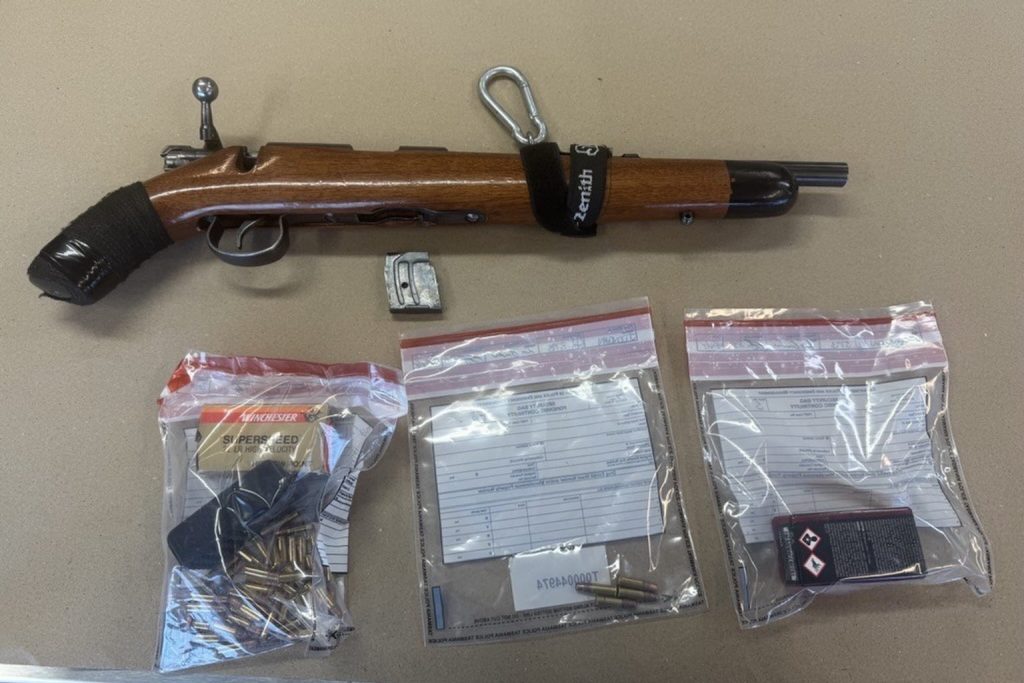
When the officers returned, Sushames was hiding behind a car in his carport with a loaded bolt-action rifle and spare ammunition in his pocket.
He was not licensed to hold a firearm. His licence had been suspended in December 2016 because of information about his mental health.
A partially smoked marijuana cigarette and his phone were later found nearby, showing he had been waiting.
A loaded shotgun and more ammunition were also found inside the house.
As the officers walked past, Sushames stood and pointed the rifle at Sergeant Rigby’s head from about 1.5 metres away.
Sergeant Rigby ran, yelling: “Get out. Gun. Firearm.”
Sushames then shot Constable Smith in the lower back, leaving him immobile on the ground.
Five seconds later, he fired a second shot into Constable Smith’s head, killing him.
Special Operations Group (SOG) officers who heard the shots approached the house.
Sushames took cover behind a tree, before shouldering the rifle and pointing it directly at one of them, known in court as Tactical Operator 152.
The operator fired a single shot, hitting Sushames in the hand and disarming him.
As he was arrested, Sushames said: “Come and kill me you c–ts.” He also told officers: “I hate cops.”
In a police interview, Sushames claimed he could barely remember the day and said God had told him to act.
“It was God telling me to do that,” he said.
He said he had armed himself to “possibly defend the house … for whatever reason I had in my head at the time”.
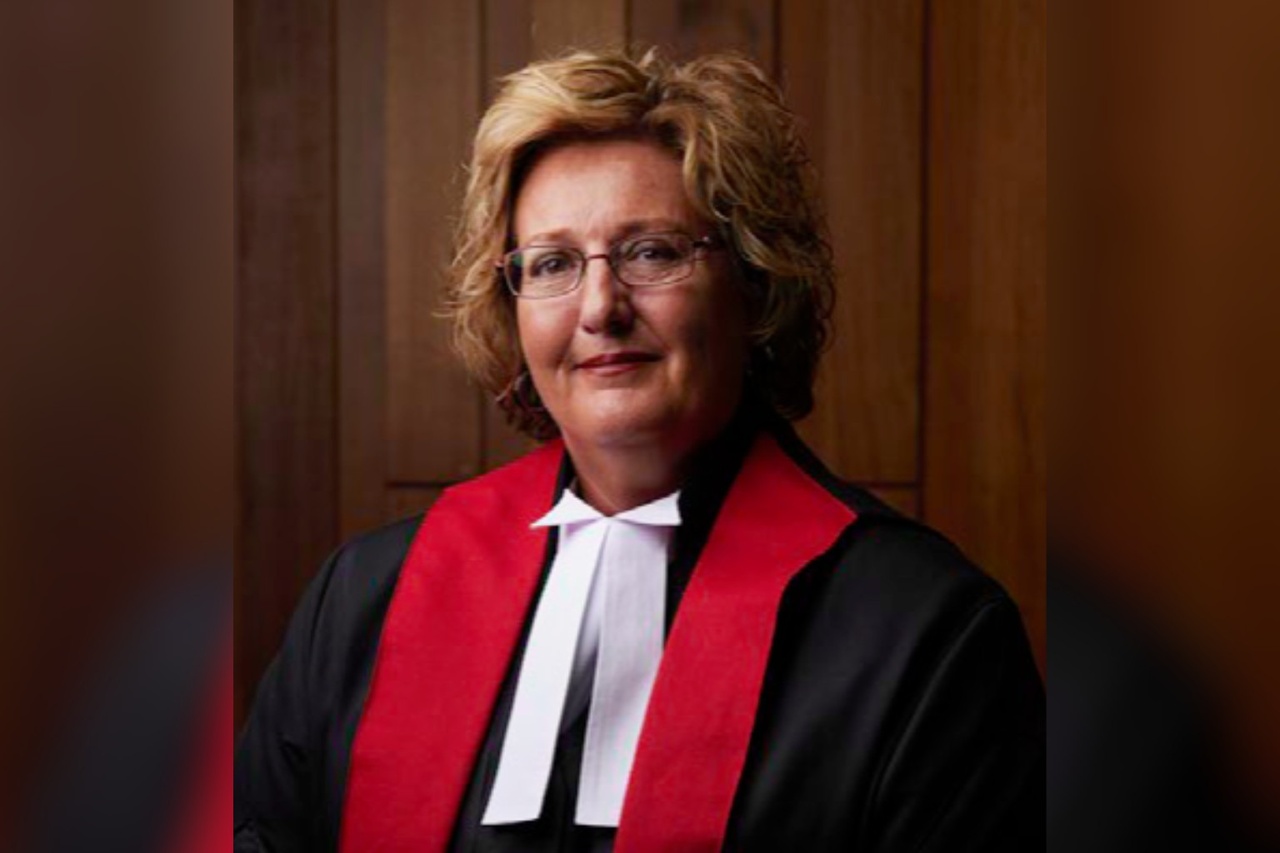
Justice Jago said the reasons for the attack were “not entirely clear, but most likely involved misplaced feelings of anger and resentment”.
“This was the premeditated intentional killing of a police officer and the assault of two other police officers by pointing a loaded firearm directly at them, causing them to fear for their lives,” she said.
“It is the gravest of criminal conduct.”
The court heard Constable Smith was first shot in the back, leaving him defenceless, before the fatal shot was fired.
“The callousness you displayed by firing the head shot, whilst Senior Constable Smith lay disabled and defenceless, is almost beyond comprehension for any person with a decent sense of morality,” Justice Jago said.
Justice Jago noted a stark contrast between Sushames’s “flat and confused” police interview and how clearly he spoke at the scene and to paramedics afterwards.
Constable Smith had served with Tasmania Police since 2000. He received the Commissioner’s Medal in 2011 and the National Police Service Medal in 2016.
The court heard victim impact statements from his father, two brothers, sister, wife, daughter and stepson, as well as from Sergeant Rigby and Tactical Operator 152.
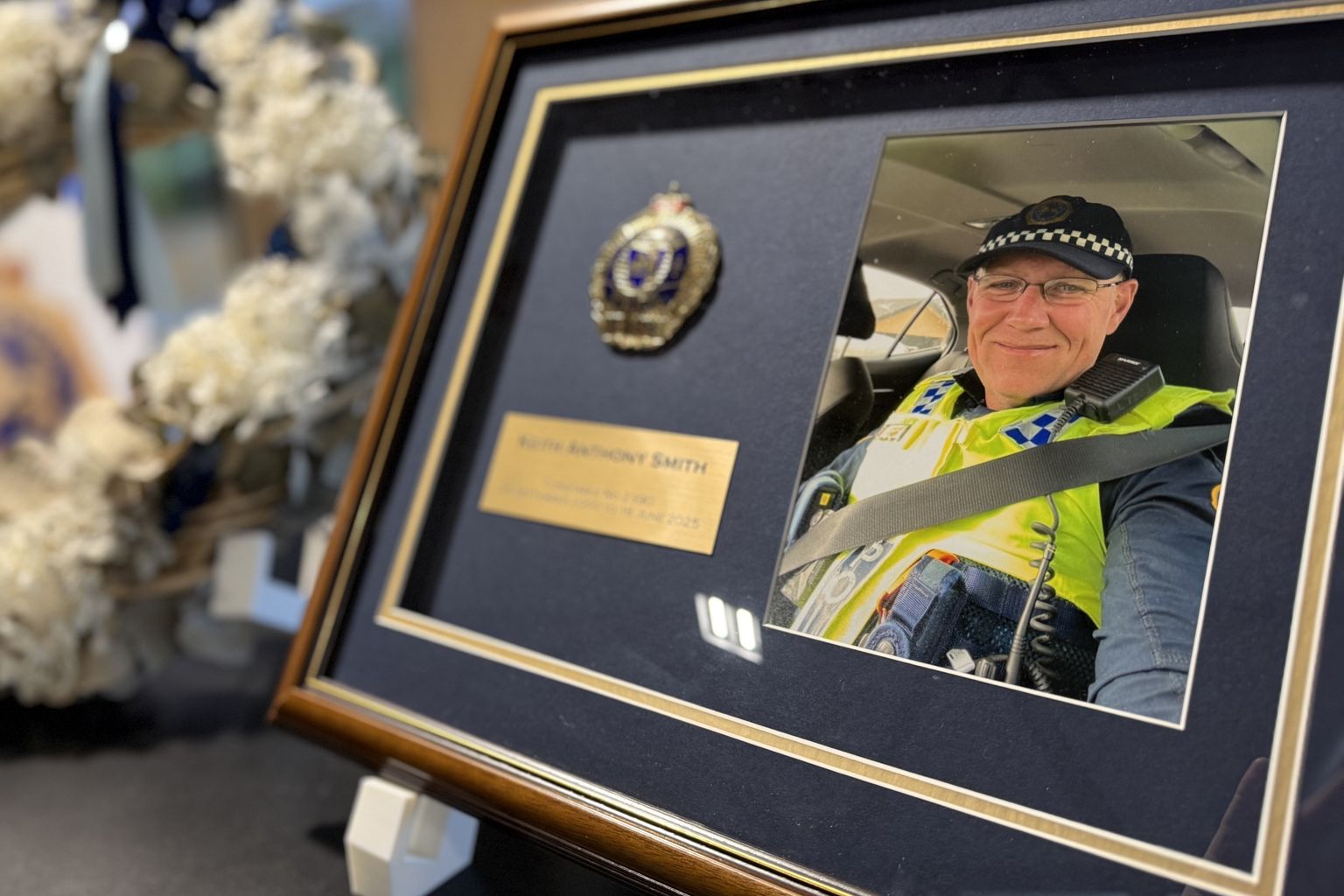
Sergeant Rigby has not been able to return to work. He suffers flashbacks and nightmares and has been left with “survivor’s guilt”.
Justice Jago said Tactical Operator 152 now isolates himself and questions his purpose as a police officer.
In prison phone calls, Sushames told his mother he was ashamed and blamed his heavy cannabis use.
“I made a huge mistake and I’m so f–king sorry for what I’ve done,” he said.
The court heard Sushames had a difficult childhood marked by an abusive father and had witnessed his older brother’s fatal incident when he was nine.
He has since been diagnosed with post-traumatic stress disorder, cannabis use disorder and major depressive disorder.
Justice Jago found there was no link between his mental health and the crimes that would reduce his culpability.
Sushames will not be eligible for parole until he has served 25 years.