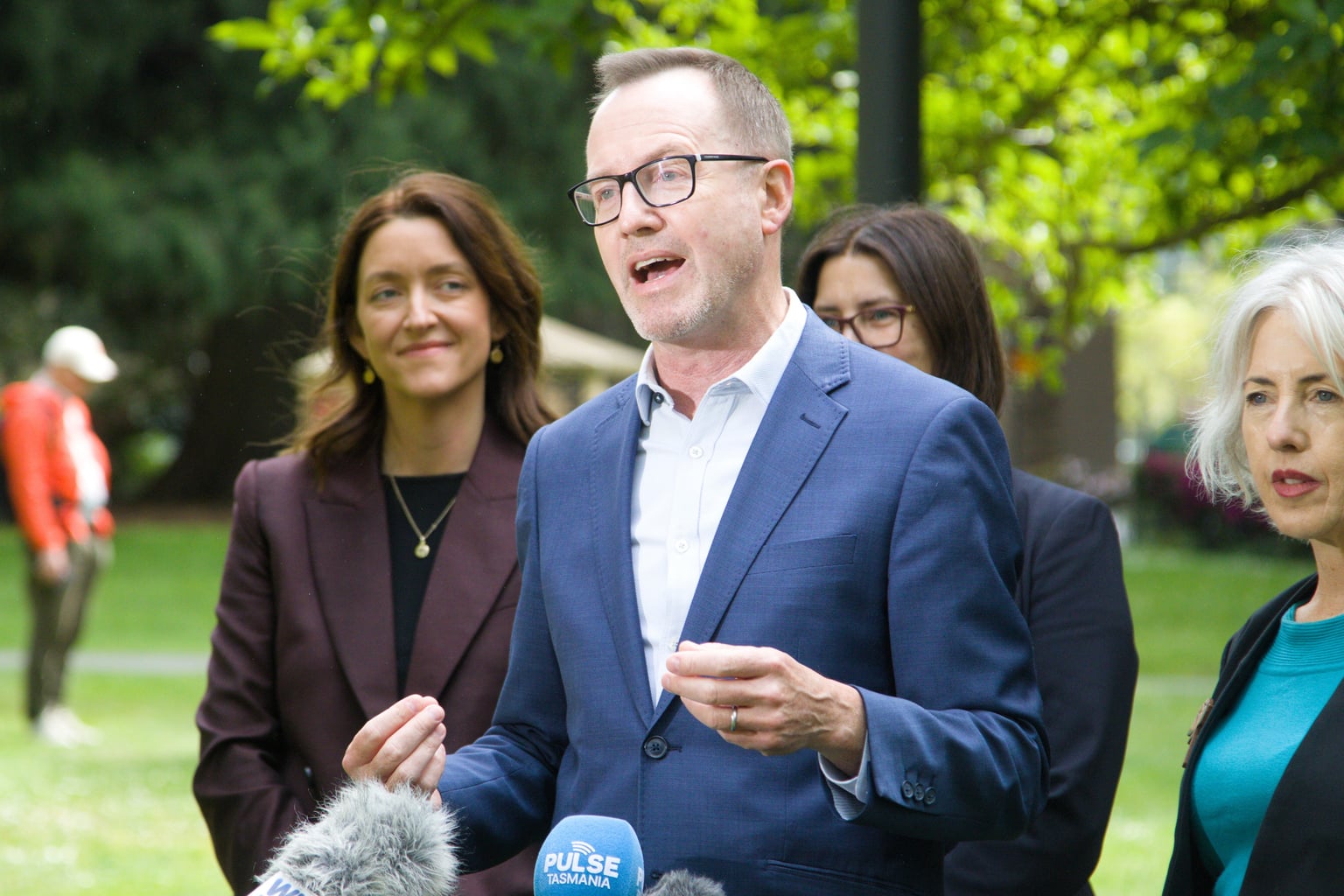
Australian Greens leader David Shoebridge says it is “obscene” that the state and federal governments are allowing a tungsten project in the Tarkine to “feed the US war machine”.
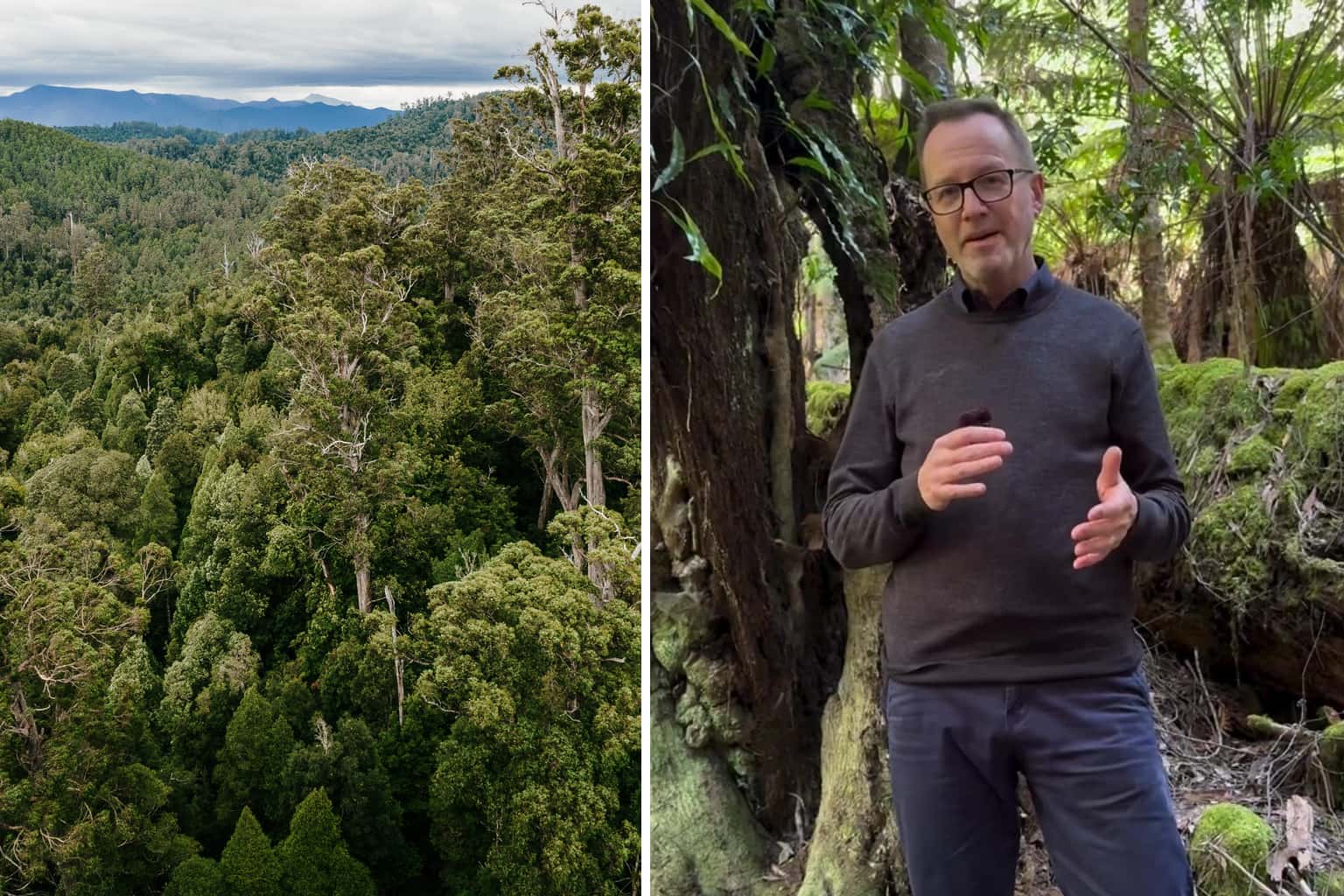
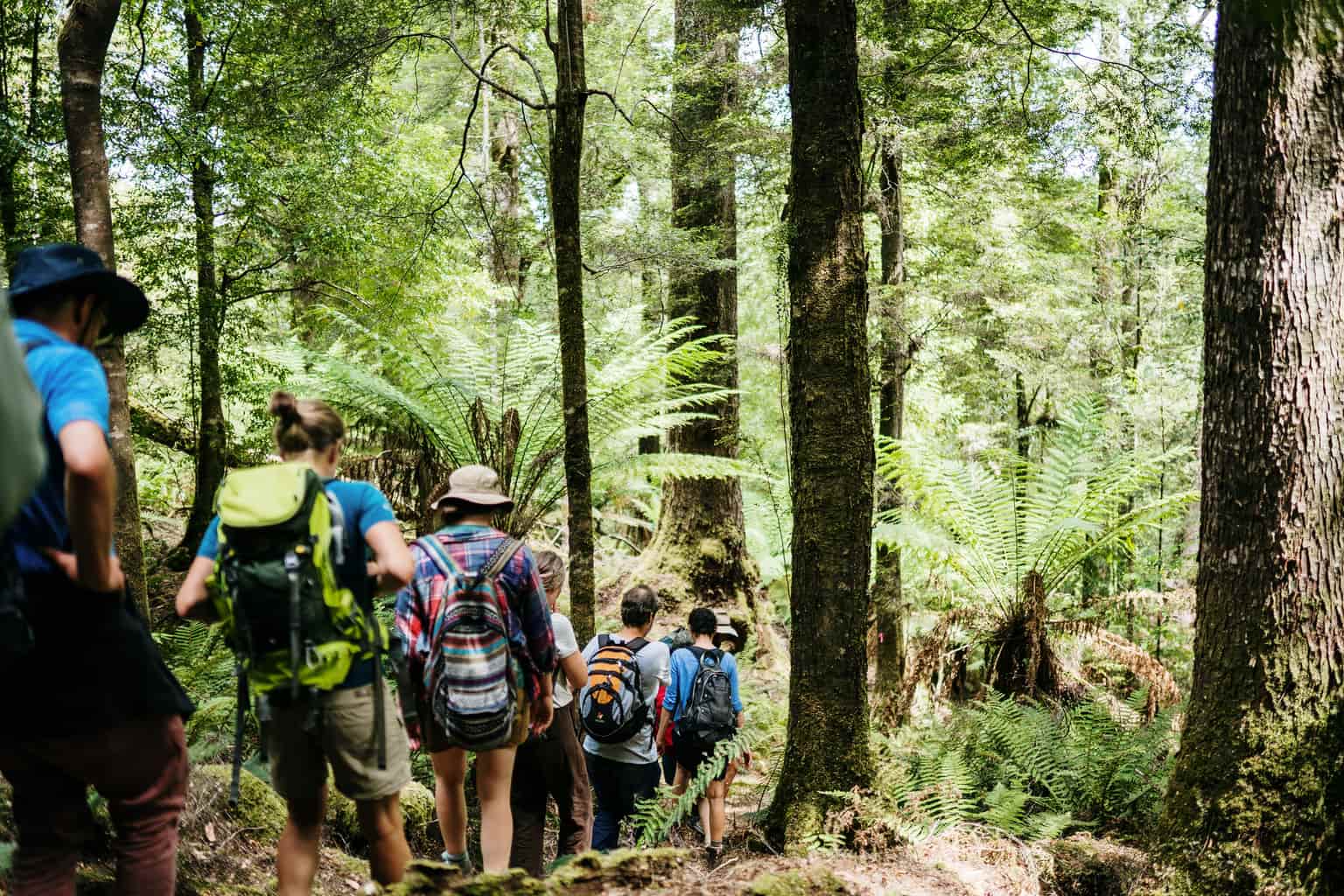
Shoebridge and deputy leader Steph Hodgins-May toured the north-west rainforest this week at the invitation of the Bob Brown Foundation, visiting the Grove of the Giants.
“This is a globally significant stretch of wilderness and nature in western and northwestern Tasmania,” Shoebridge said in Hobart today.
He said the Tasmanian government and the federal Labor government were “inviting in the exploration, the extraction of tungsten from the heart of the Tarkine”.
“They’re happy to destroy the rainforest to extract tungsten to feed into the US war machine,” he said.
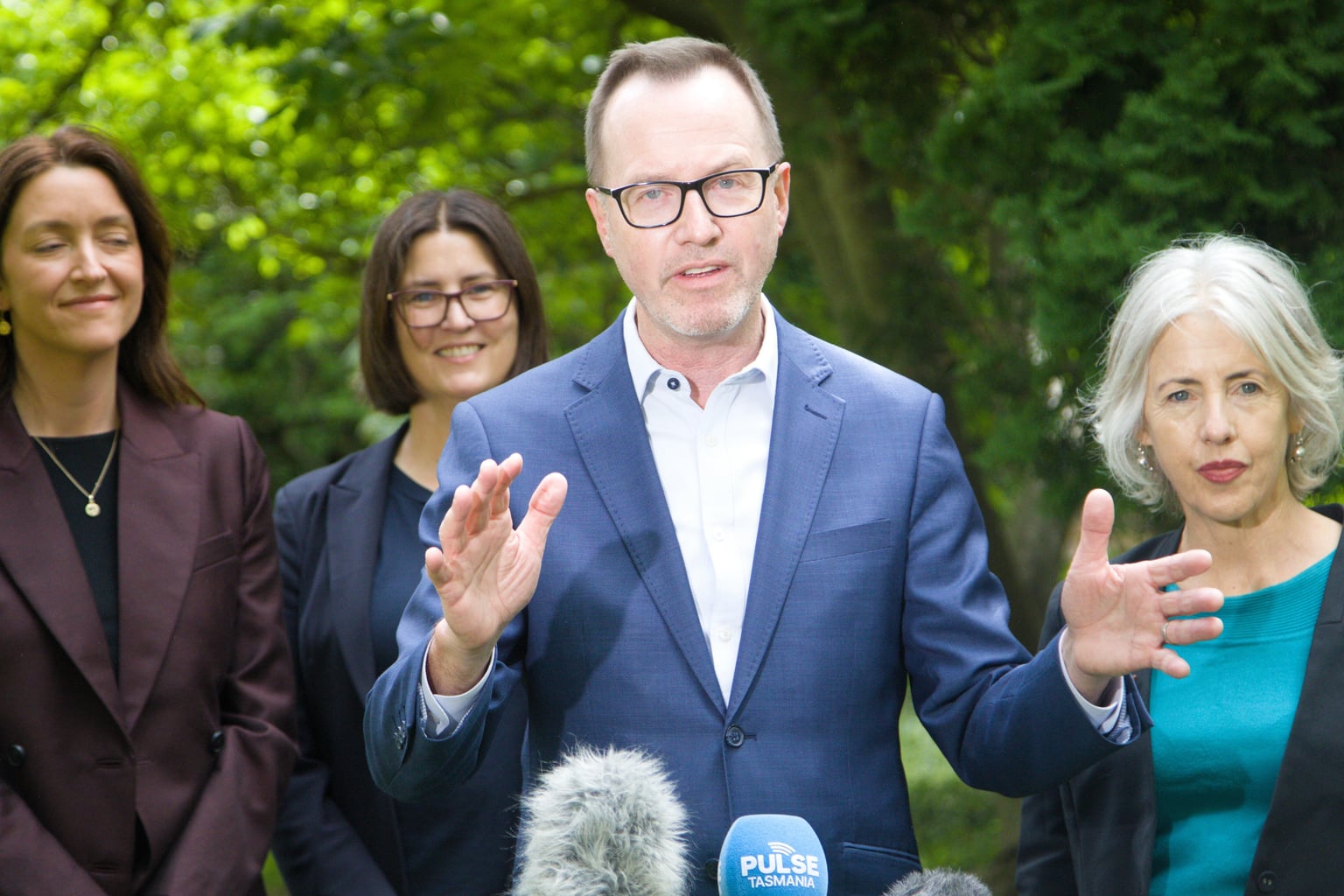
“It is obscene that this has been allowed to happen.”
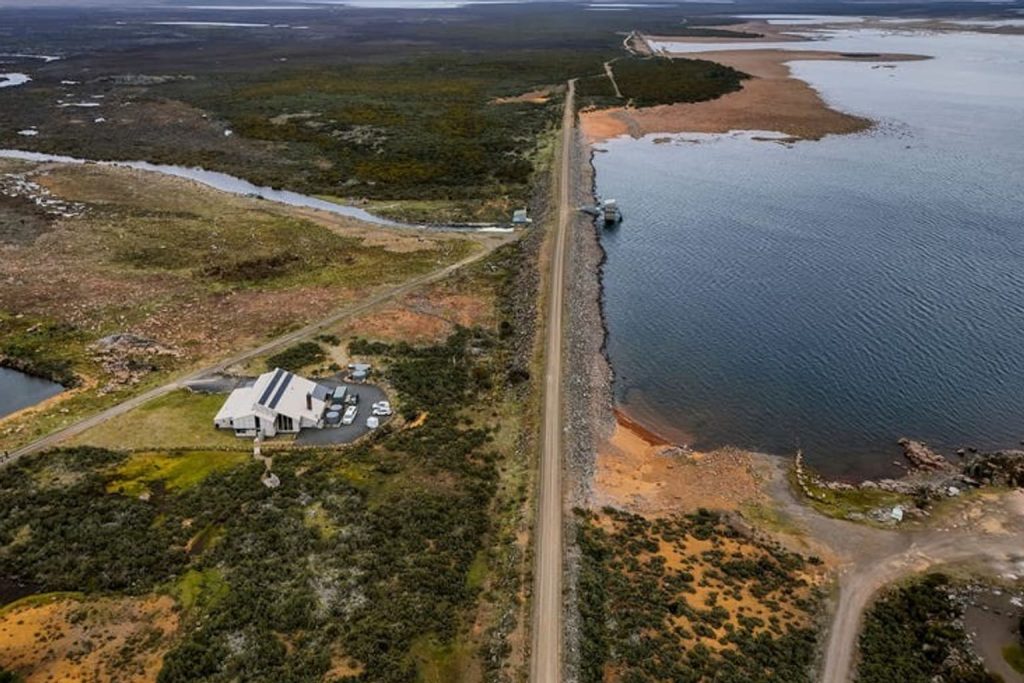
ASX-listed Critica Limited is advancing a tin and tungsten project at Mt Lindsay, in the Meredith Range Regional Reserve in the north-west.
The company holds a mining lease over the site and in September released a scoping study for a one million tonne-a-year underground mine, which it valued at around $1 billion.
Prime Minister Anthony Albanese and US President Donald Trump signed a critical minerals framework in October last year to secure supply of minerals used in defence and advanced manufacturing.
Shoebridge said Greens at a local, state and federal level were “100% committed” to protecting the Tarkine and having it added to the World Heritage List.
Tasmanian Minerals, Manufacturing and Energy Council chief executive Ray Mostogl said the Tarkine had seen significant disturbance for more than 100 years.
He said the area hosted two power stations, tramways, transmission lines and more than 100 historical and current mine sites.
“There’s absolutely no denying that there are some magnificent examples of biodiversity there, no one’s gonna argue that,” he told Pulse.
Mostogl said Shoebridge’s perspective may be “a little bit distorted” and did not take into account the area’s long history, where mining, forestry, agriculture, tourism and conservation had coexisted for more than 100 years.
He said he did not believe the Tarkine met the bar for World Heritage listing because of its history of land use, including power stations.
“I just don’t think that qualifies,” he said.
Mostogl said about half of Tasmania was already in some form of reserve, while mines covered 0.8% of the state but produced 55 to 65% of its exports and supported thousands of workers.
He said any proposal to increase the amount of land in reserve was “a very skewed perspective”.
“Tasmania’s already doing the heavy lifting when it comes to the rest of Australia for the land that is in reserve,” he said.
Asked where tungsten from Mt Lindsay would go, Mostogl said tungsten had many uses, including in the Australian and European defence industries and was mostly sourced from China.
He said it was “very important from a sovereign capability point of view” that Australia and other Western nations had access to tungsten, particularly in a “heightened geopolitical environment”.
He said he could not say how much of the Tarkine Mt Lindsay would affect, but it would be “a very, very small footprint” and he understood the latest proposal was to go underground rather than open cut.
Resources Minister Felix Ellis said the Greens’ comments were “the same old fearmongering”.
“They may have a new leader, but this is just the same old fearmongering from the extreme Greens,” he said in a statement.
“We back responsible mining, including at Mt Lindsay, subject to rigorous environmental and planning approvals.
“We will not support a World Heritage lock-up that turns the West Coast’s economic future into a trophy for mainland, inner-city environmentalists.”