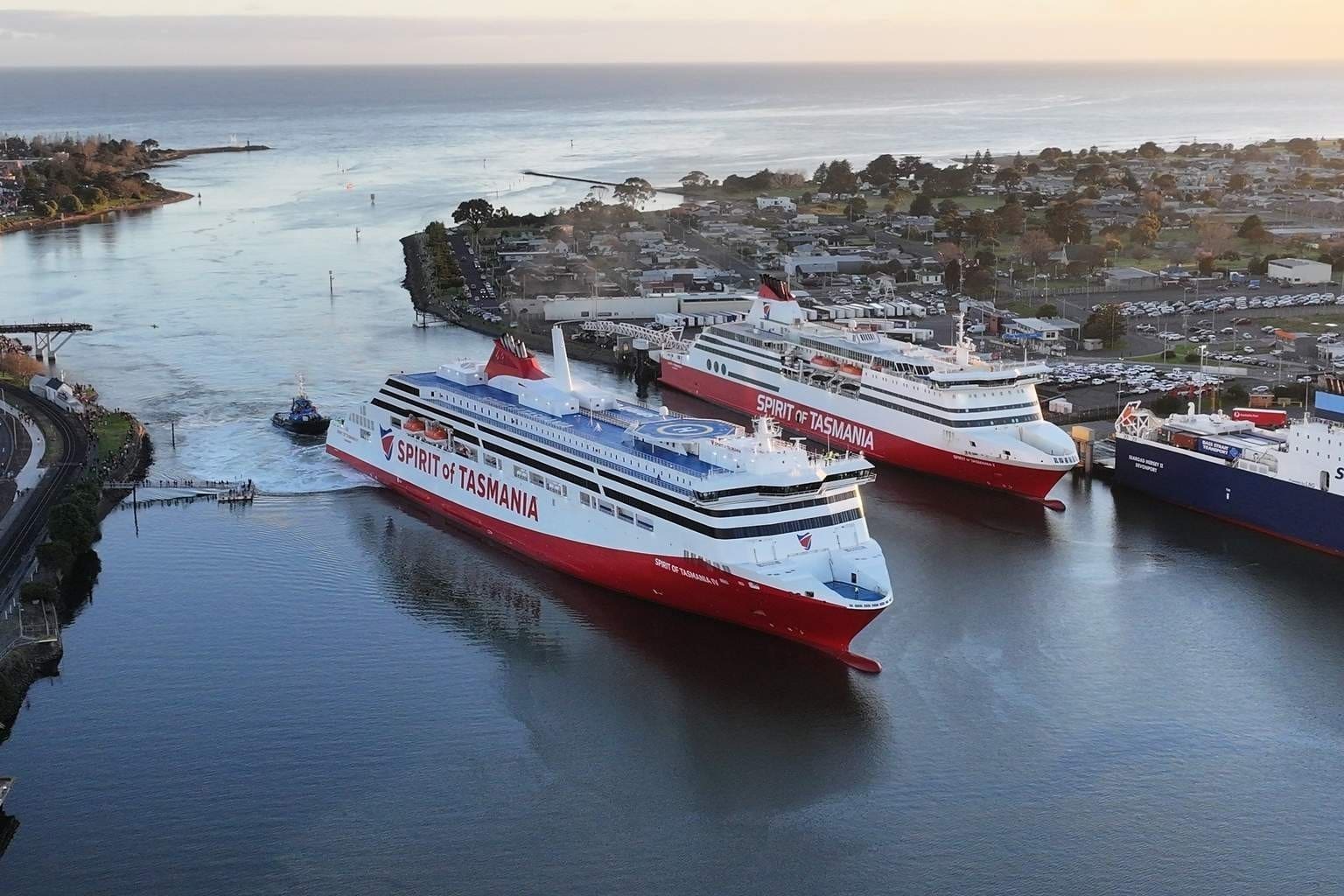
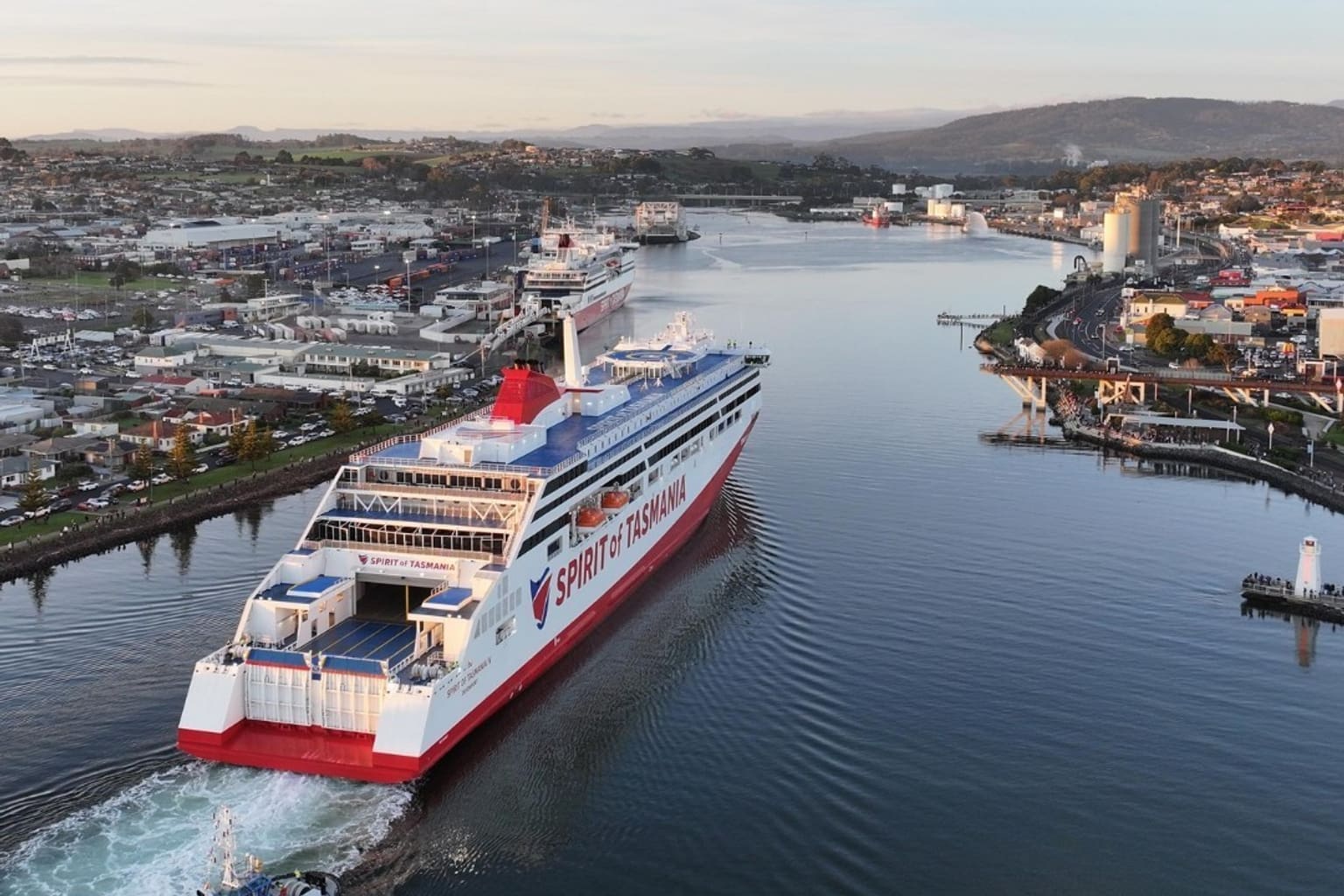
Tasmania’s auditor-general says TT-Line’s net fuel costs fell by $15.2 million in 2025-26, the same financial year the company introduced a 15% fuel levy on Spirit of Tasmania passengers.
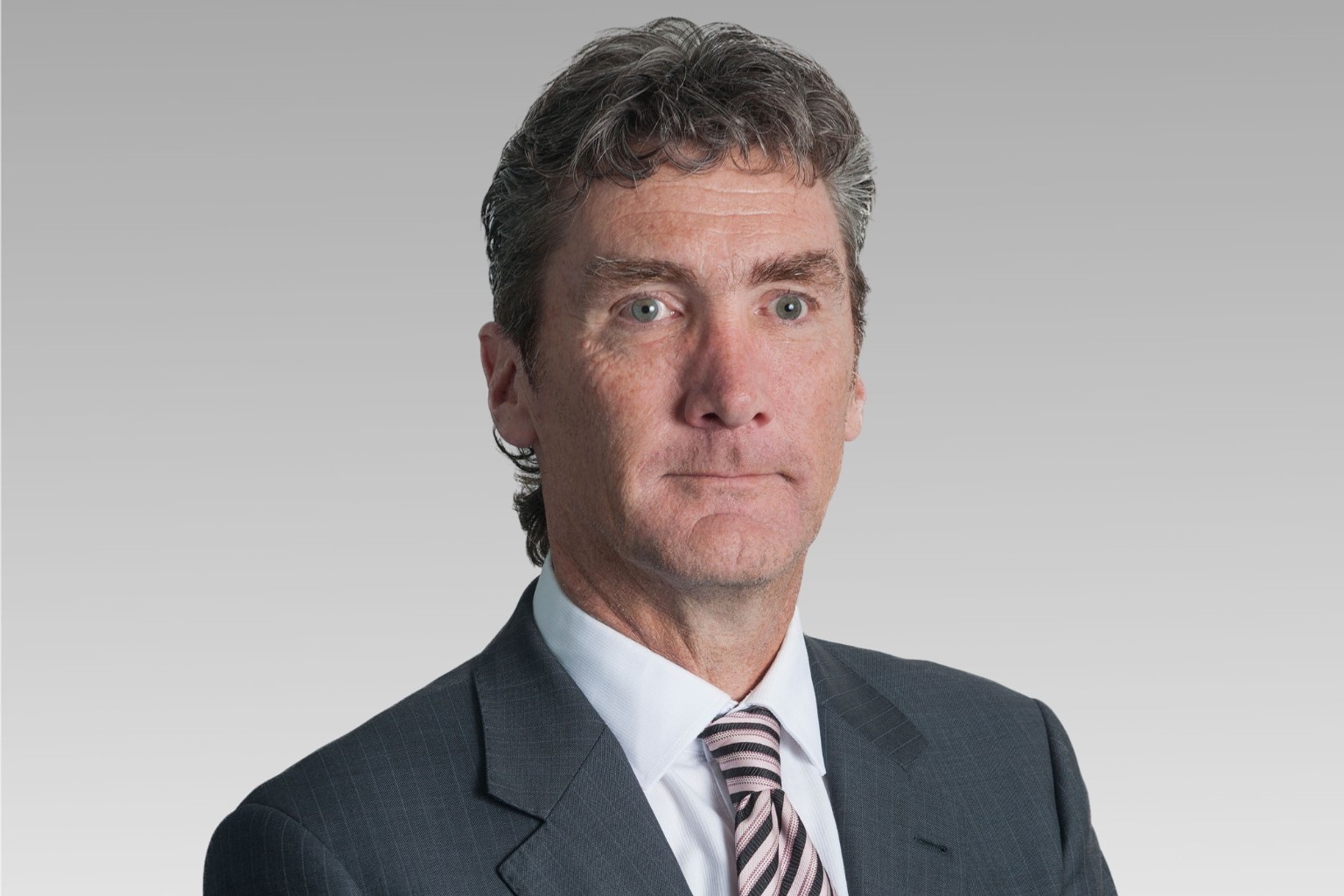
Auditor-General Martin Thompson told parliament’s Public Accounts Committee on Wednesday that TT-Line’s fuel hedges had “largely eliminated the price risk across the period which the levy was raised”.
TT-Line’s net marine fuel and oil costs were $59.7 million in 2025-26, down from $74.9 million the previous financial year for a similar volume of fuel. The saving does not include revenue raised through the levy.
Thompson said fuel prices rose by about 50% during the conflict in the Middle East, rather than the 80% TT-Line had claimed.
He said the company’s net benefit from its fuel hedges was about $13 million over a three-month period.
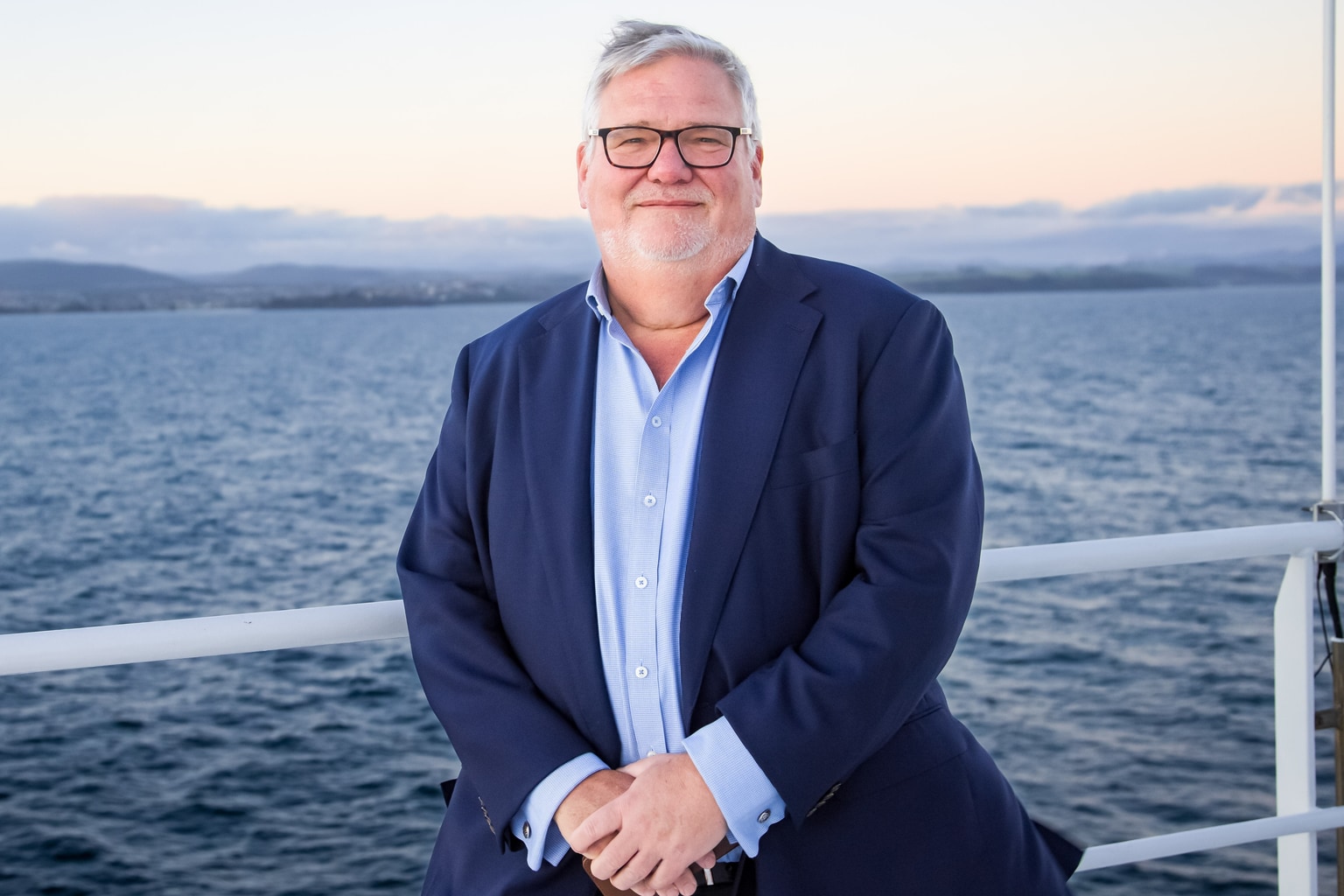
TT-Line introduced the levy at the start of April. In a statement in late March, chairman Ken Kanofski said the company was facing an 80% rise in fuel prices and a projected financial impact of more than $50 million.
Thompson said a reasonable conclusion from those statements was that TT-Line faced an immediate and significant financial impact. “This was never the case,” he said.
He said a report tabled in the House of Assembly on May 28, which put April’s fuel expenses at around $9.2 million, made no mention of gains from hedging.
Thompson said while the $9.2 million figure was correct, Audit Tasmania concluded TT-Line’s reporting was “likely to mislead those reading the report”.
On June 30, TT-Line announced it would remove the levy as soon as possible.
The company said passenger fuel costs in April and May were $4.1 million higher than forecast, with $2.1 million recovered through the levy.
Thompson said that was “an incomplete statement” because returns from hedging had negated the additional costs.
He said TT-Line told Audit Tasmania that a full-year comparison did “not by itself” establish that its advice on the levy was incomplete or misleading.
The company said a meaningful assessment would require details including revenue raised through the levy and net fuel costs over the period it was in place.
Thompson said TT-Line then advised it did not intend to provide that information or update its previous reporting.
“We completely agree with TT-Line that that information would be very useful and would significantly increase transparency,” he said.
When it introduced the levy, TT-Line said it would report any additional fuel expenses and revenue collected through the levy to its shareholder ministers.
Thompson told the committee the amount collected from passengers had not been separately identified in the company’s financial report and he did not believe it had been disclosed to parliament.
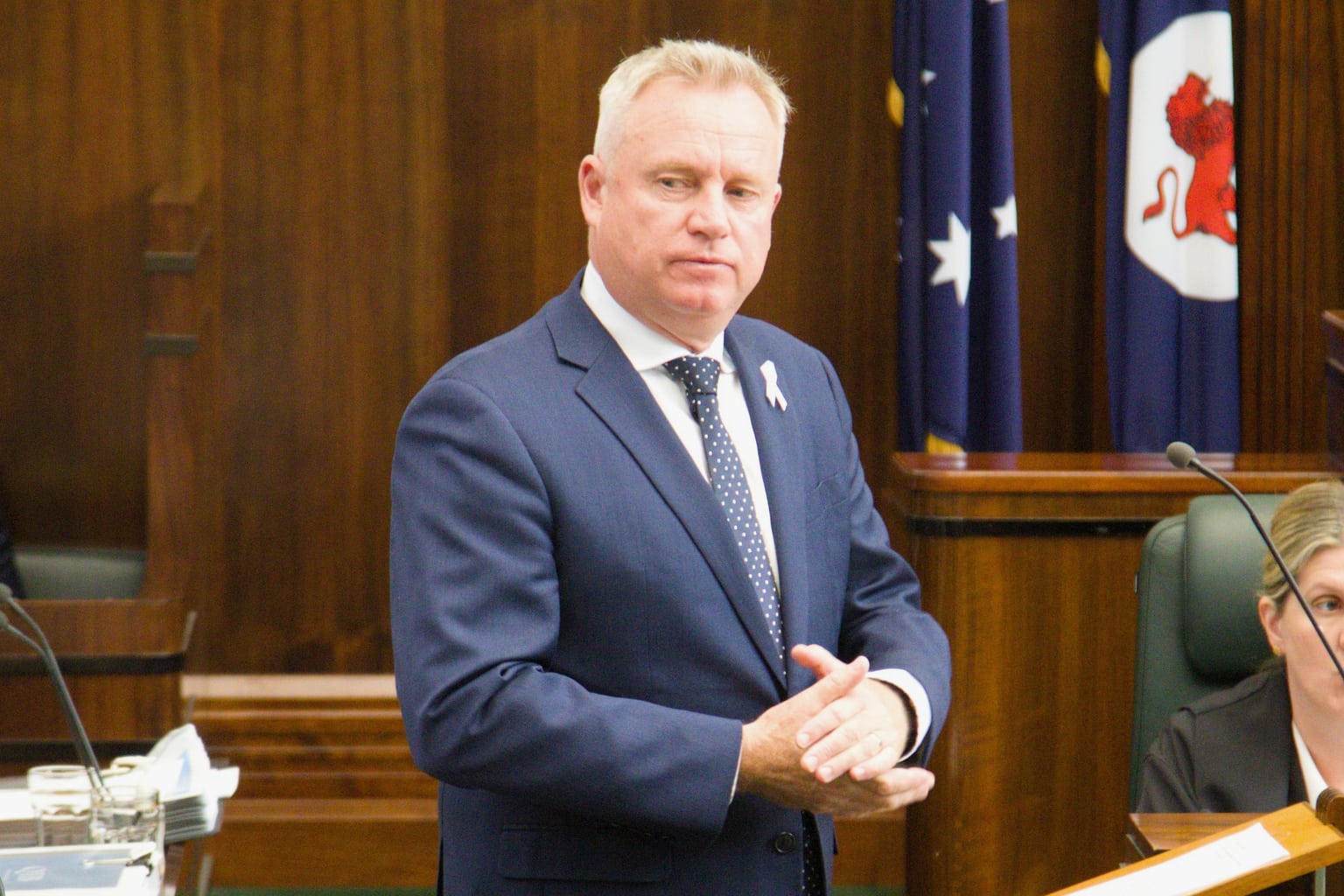
Labor leader Josh Willie raised the auditor-general’s evidence with Premier Jeremy Rockliff in question time today.
“Why did you use a war on the other side of the world to make Tasmanians pay a Spirit tax to pay for your incompetence?” Willie asked.
Rockliff told parliament TT-Line had collected $6.9 million from passengers through the levy, which was removed for bookings made from September 1.
He said fuel price increases between March 1 and August 30 totalled $13.5 million, of which $9.4 million was attributable to passengers.
With $6.9 million collected through the levy, Rockliff said that left a $2.5 million shortfall.
Rockliff’s figures did not take into account gains from fuel hedging, which the auditor-general put at around $13 million over a three-month period.
Rockliff said the levy was an operational decision made by TT-Line.
He said the company’s hedging outcomes were “completely independent of the ticket sales that were made during the levy period” and were attributable to tickets sold in earlier periods.
“The whole point of hedging is to mitigate the risks of the unknown and you’re never sure how they’ll play out,” he said.
He said TT-Line’s hedging outcomes were positive in 2025-26 but negative in 2024-25.