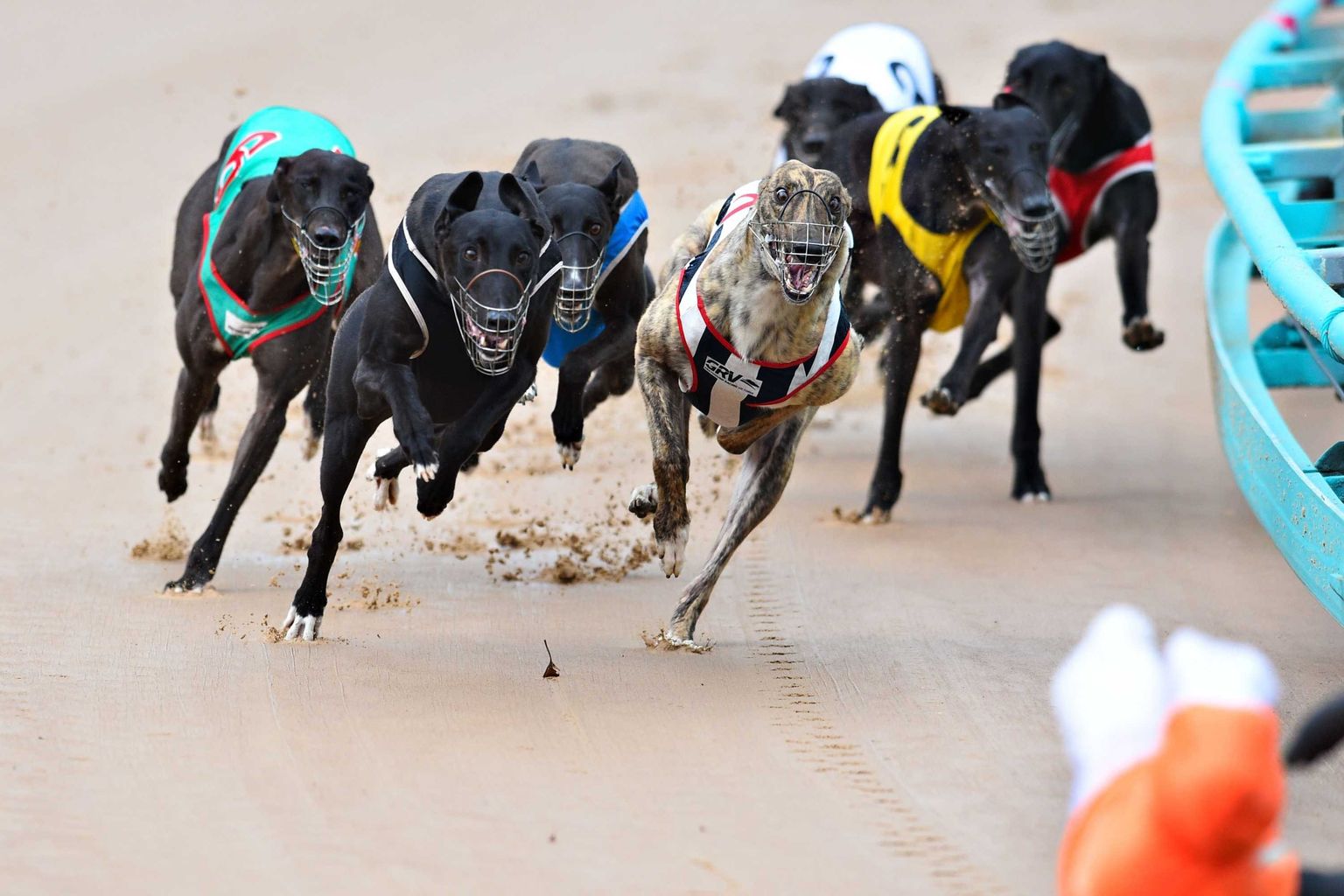
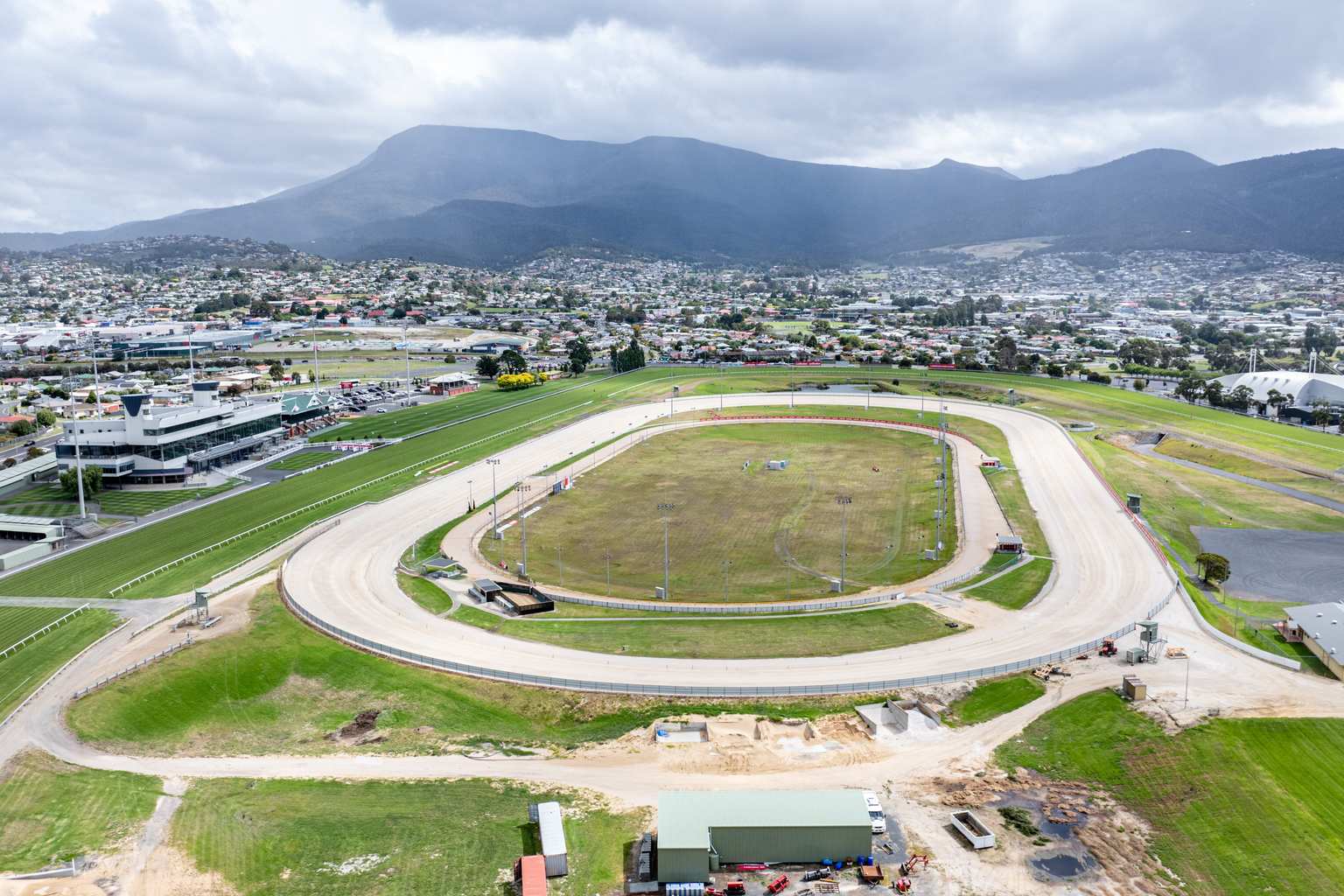
A draft government plan would cut greyhound race meetings in Tasmania by 25% each year, leaving a single meeting a week after February 2029.
The Draft Greyhound Racing Transition Plan, prepared by Racing Integrity Commissioner Sean Carroll, sets out how the industry would wind down before racing ends on June 30, 2029.
The reductions would be phased in within each racing calendar rather than all at once, which the plan says would give participants certainty.
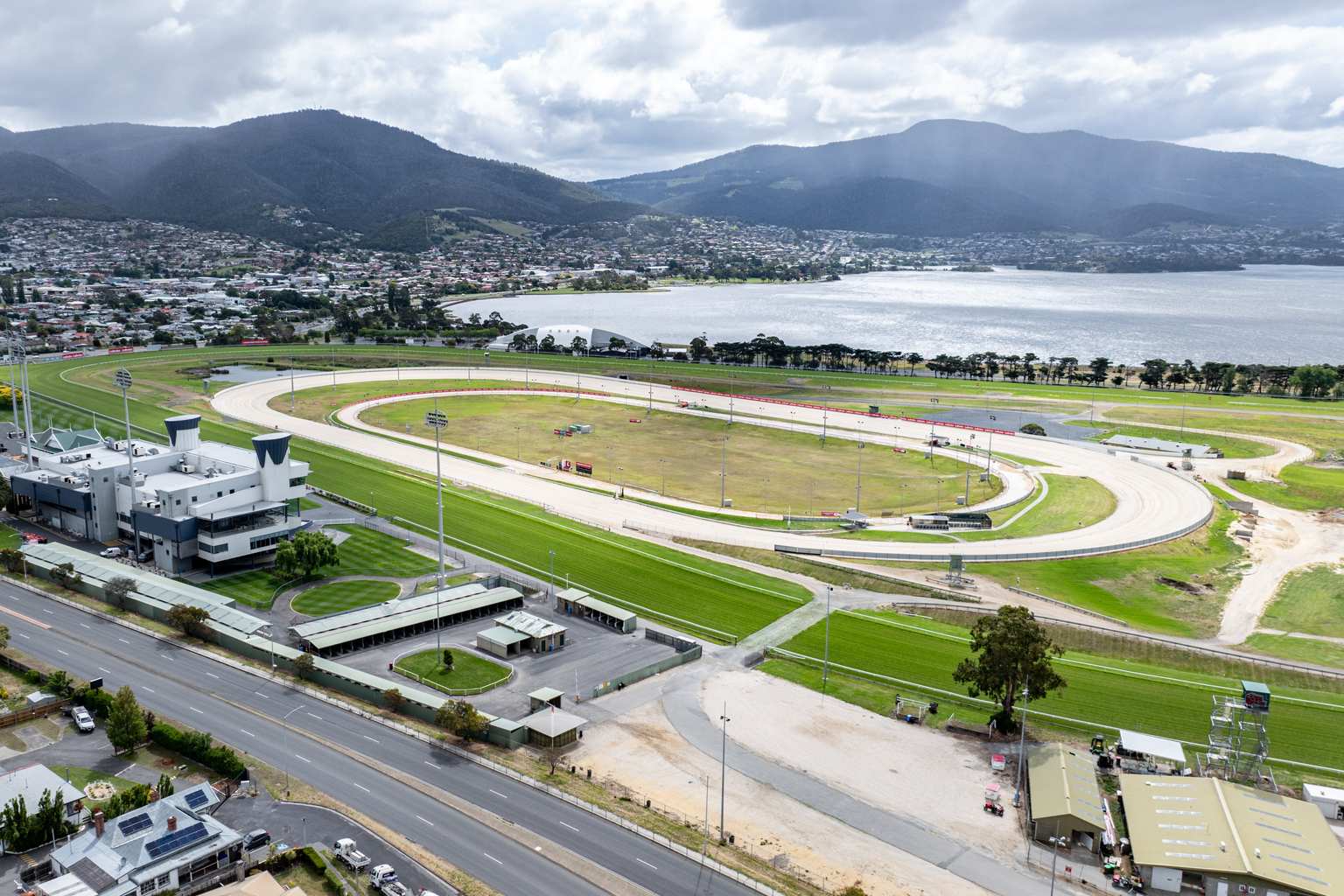
Whether the final weekly meeting is held in Hobart or Launceston would be a matter for Tasracing.
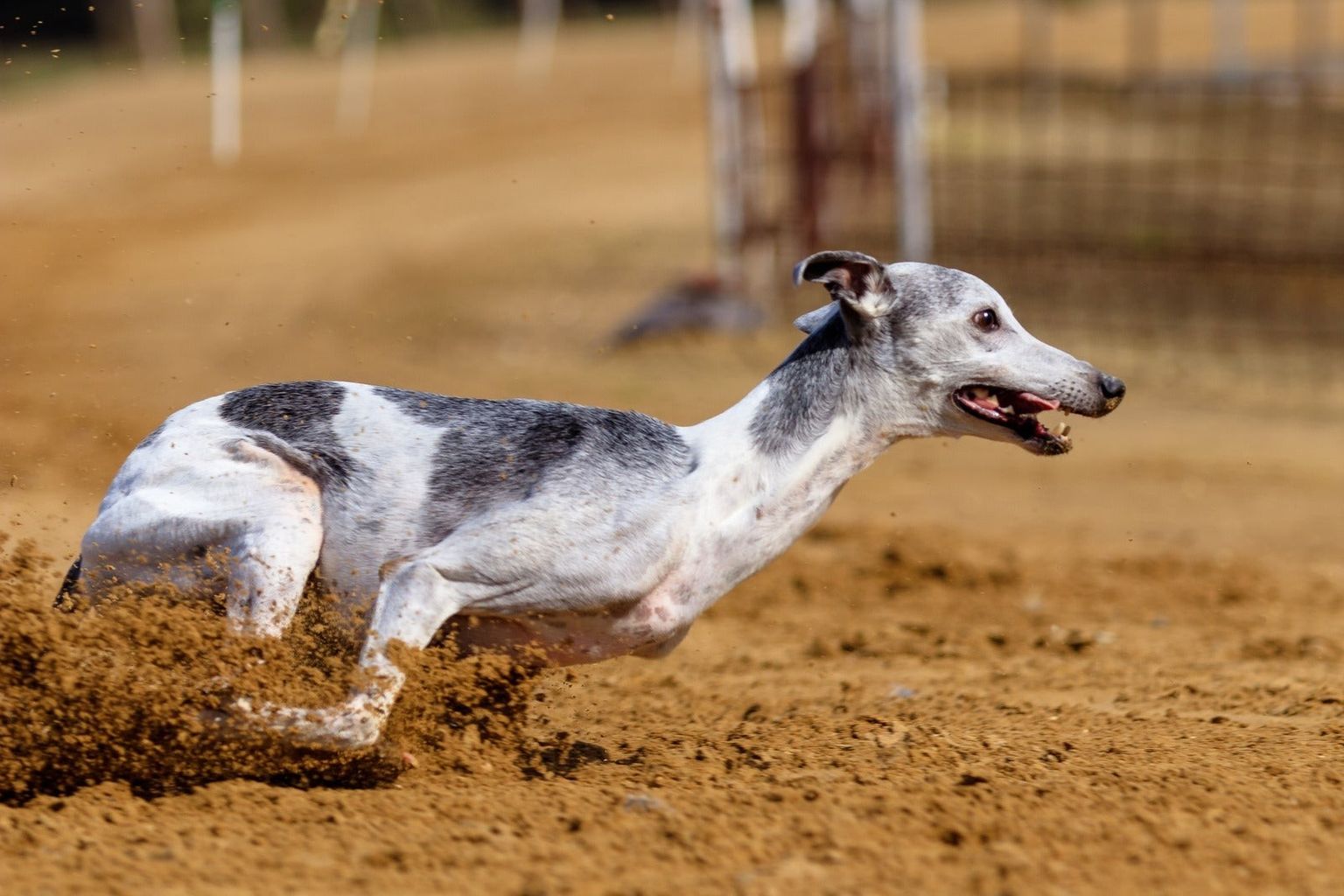
An audit as at March 1 identified 1,052 greyhounds in the Tasmanian racing industry, including 133 already retired and 26 that had not been microchipped.
Of those dogs, 176 were aged over six, the age at which greyhounds would be deregistered under the proposed legislation.
The plan projects the racing population would fall to about 64 dogs by the time racing ends.
About 181 greyhounds are projected to still need rehoming at that point, with rehoming programs required to continue for at least two years afterwards.
Retired greyhounds are projected to exceed 120 from January 1, 2027, which the plan says is beyond the current capacity of Tasmania’s rehoming programs.
The number of those programs has fallen since 2025, according to the plan, adding to the burden and extending the time taken to accept dogs.
The projections are based on the legislation taking effect on September 1 this year.
An independent feasibility study commissioned for the plan projects a 12-month delay to the transition measures would cost about $8.94 million more than the proposed model.
Having no legislated retirement or breeding measures would cost more than $22 million above the model, with most of that cost falling after 2029.
Racing Minister Roger Jaensch said the government is delivering a sensible and measured phase out which has participant and animal welfare at its core.
“With the Bill before the Parliament, the Draft Transition Plan cannot be finalised until the Bill has been passed,” Jaensch said.
“We’re working to provide Legislative Councillors with as much information as we possibly can by sharing the Draft Transition Plan.”
The Greyhound Racing Legislation Amendments (Phasing Out Reform) Bill 2025 remains before the Legislative Council.
RSPCA Tasmania CEO Andrea Dawkins said a well-planned and well-resourced transition was essential to meeting the 2029 timeline responsibly.
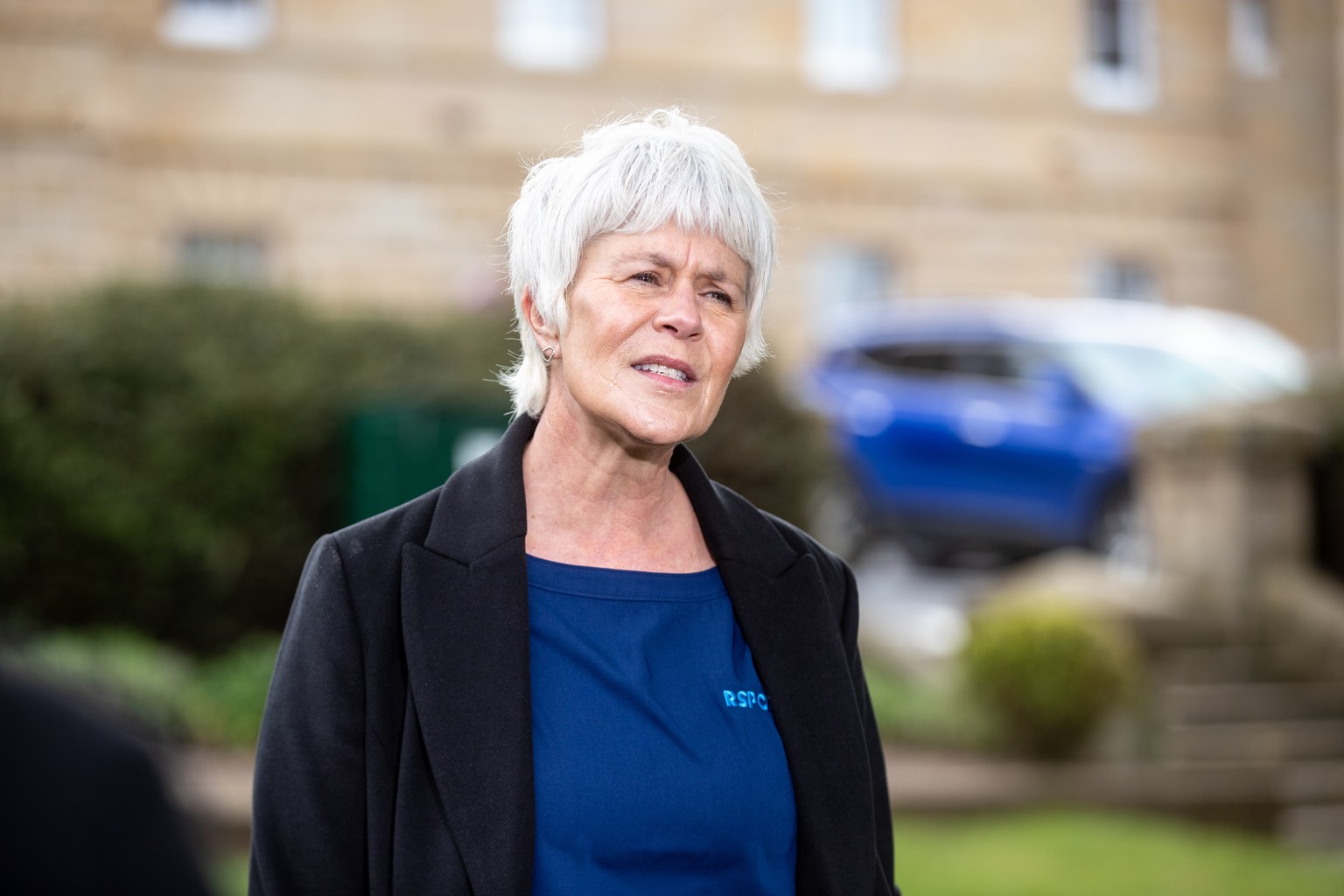
“Participants who have built their lives around this industry deserve certainty and fair support and the greyhounds must be safeguarded and given the best chance of a life beyond racing,” she said.
The plan sets out five categories of financial assistance, including tiered exit payments for trainers and breeders and a per-dog payment for owners.
Payment caps have not been determined and are subject to further budget submissions, with $4.8 million committed to the transition in the 2026-27 state budget.
Payments would only be made once a participant had rehomed all of their greyhounds, with dogs sold or moved interstate before racing ends ineligible for the owner payment.
Participants who surrender a dog to RSPCA Tasmania or the Dogs’ Homes of Tasmania would not be able to access the scheme.
The plan states no representative of the greyhound racing industry sits on the commissioner’s transition working group, with offers to Greyhounds Tasmania and a number of participants declined.
The commissioner has been told two industry members would be willing to join if the bill passes.
Expressions of interest remain open for a voluntary exit scheme for participants wanting to leave the industry by December 31, 2026.
RSPCA Tasmania is encouraging Tasmanians to read the draft plan and provide feedback through the Department of Natural Resources and Environment Australia.