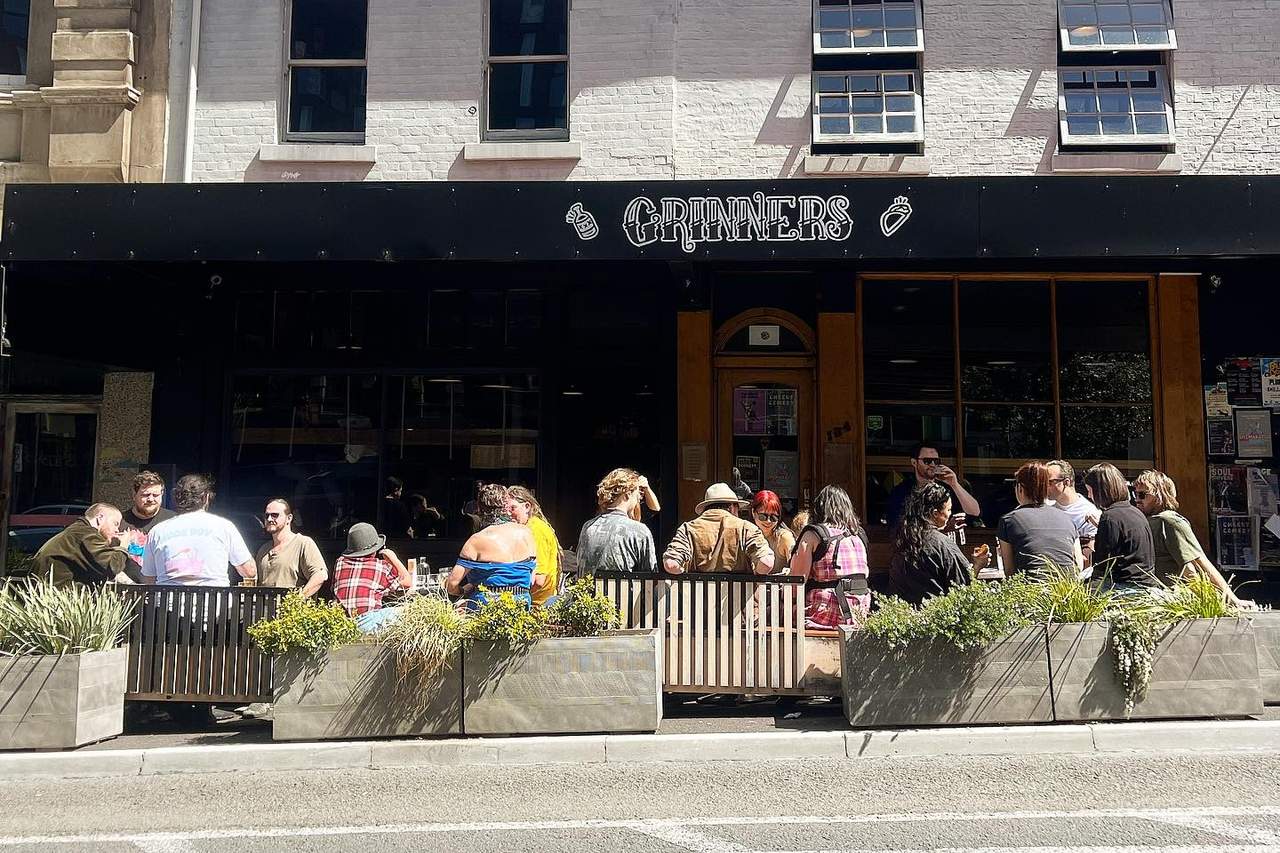
The owner of a Hobart CBD bar says takings have plunged 30% in three months as water main works outside his Elizabeth Street venue drag well past their original deadline.
Ben Wells, who co-owns Grinners Dive Bar with Jordan Dunn, said TasWater initially told them the pipe replacement between Brisbane and Melville streets would take a month, six weeks at worst.
Work began in late June after TasWater agreed to postpone until after Dark Mofo, which can be the busiest time of year for Hobart hospitality venues.
TasWater says works were paused for three weeks during the festival.
Nearly three months later, crews are still working on the site from Sunday to Thursday nights.
Wells said neighbouring venue Rude Boy has been affected by the same works.
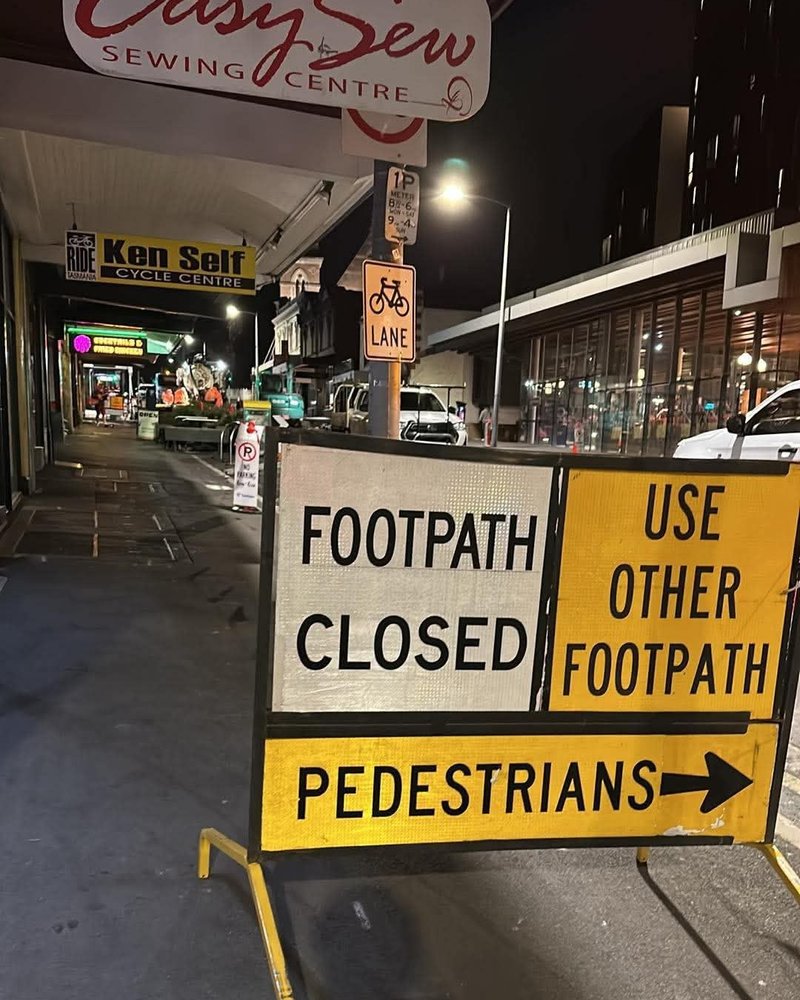
On Tuesday, footpath-closed signs went up at every corner without warning, leaving Wells with six staff and almost no customers because no one could reach the front door.
“Without warning, they hadn’t told us this at all, they had… all corners of the street: ‘footpath closed’,” Wells said.
“They were literally telling people, ‘You cannot walk up there’.”
Wells said he understood the works needed to be done.
“I guess the problem we’re kind of finding is, one, the timeline blowing out unreasonably and then kind of the lack of communication and the lack of support from the Hobart City Council,” he said.
He said the drilling is so loud from 7pm that outdoor dining becomes impossible, parking on the whole street is blocked from 6pm and the street looks closed to passers-by.
Wells said he asked the council to waive outdoor dining fees, worth around $2,600 over two years, but was told it was a TasWater matter.
“How many jobs have to be gone before you’re like, ‘Oh, that counts,'” he said, noting his businesses, which include Don Frico in Salamanca, employ 35 people between them.
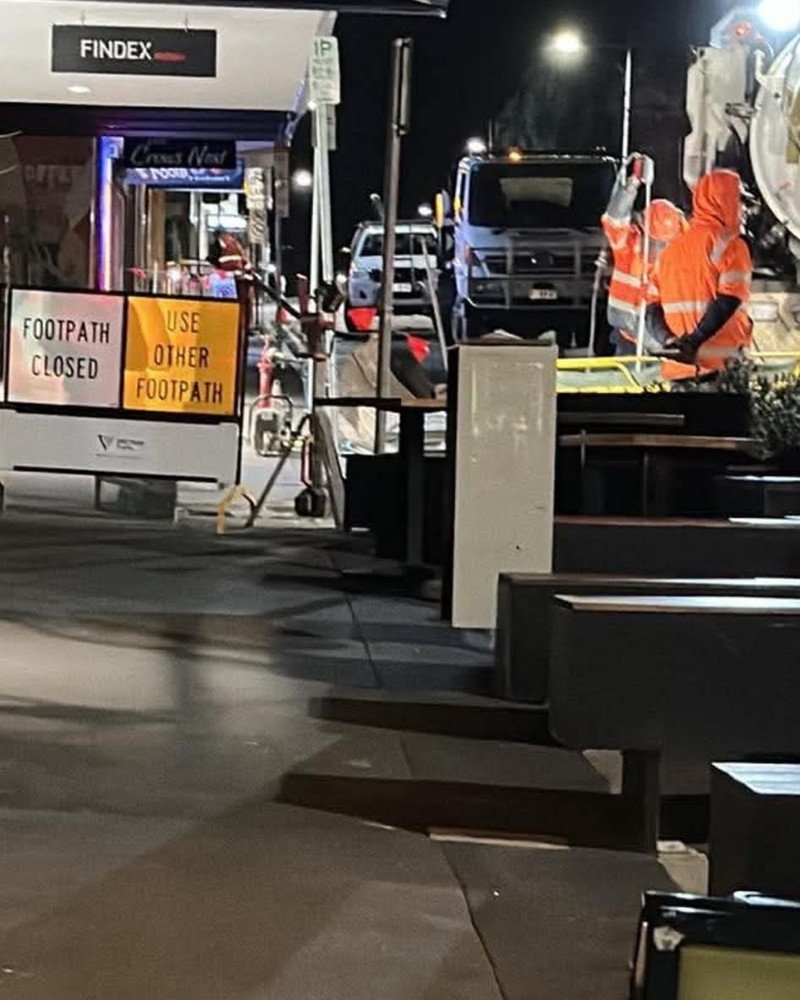
TasWater’s head of communications and engagement Liz Hafner said the project is replacing a 100-year-old water main and is now expected to finish by mid-October.
“We recognise that construction activities can impact nearby businesses and appreciate the patience, understanding and cooperation of traders while these essential works are carried out,” Hafner told Pulse.
“A project like this has complexities which can alter the project timeframe.”
She said TasWater has “worked closely” with affected businesses, residents and key stakeholders to minimise disruption wherever possible.
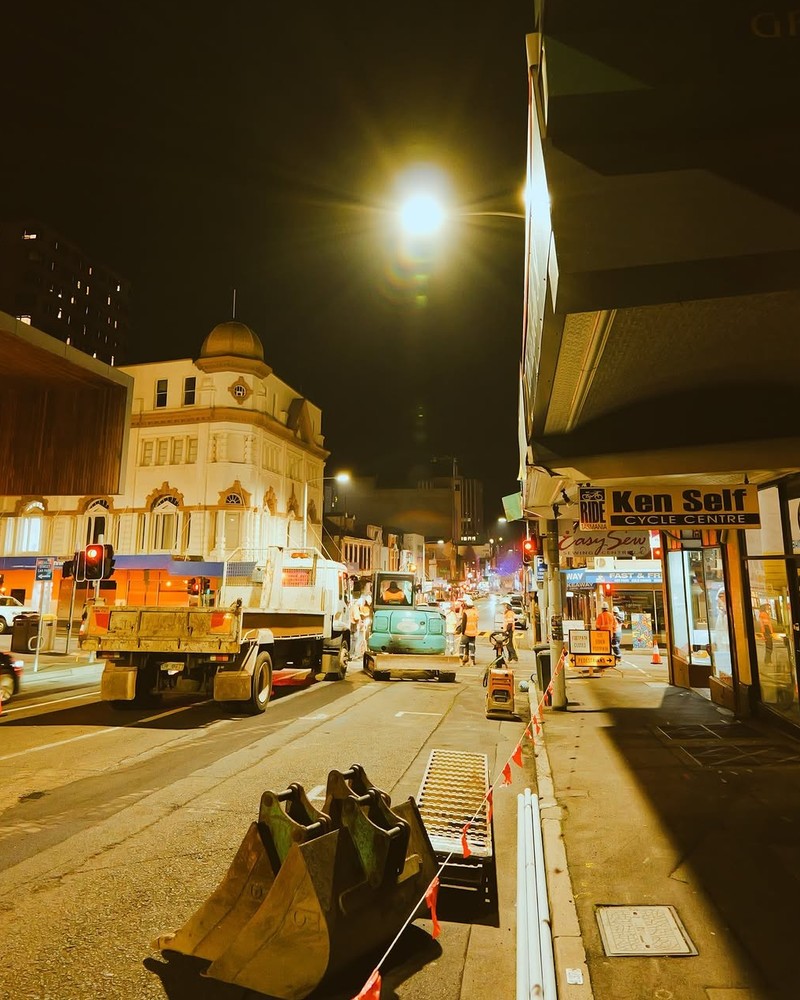
“This has included scheduling works at night, maintaining access where it is safe and practical to do so and providing advance notice of upcoming activities,” she said.
Hobart City Council chief executive Michael Stretton said the council had raised concerns with TasWater but the project and any compensation requests were TasWater’s responsibility.
“This is a TasWater project and TasWater is responsible for managing the works and considering any compensation requests,” he told Pulse.
“We expect works in the city to minimise disruption to businesses and residents and we will continue to advocate to TasWater on behalf of affected traders.”
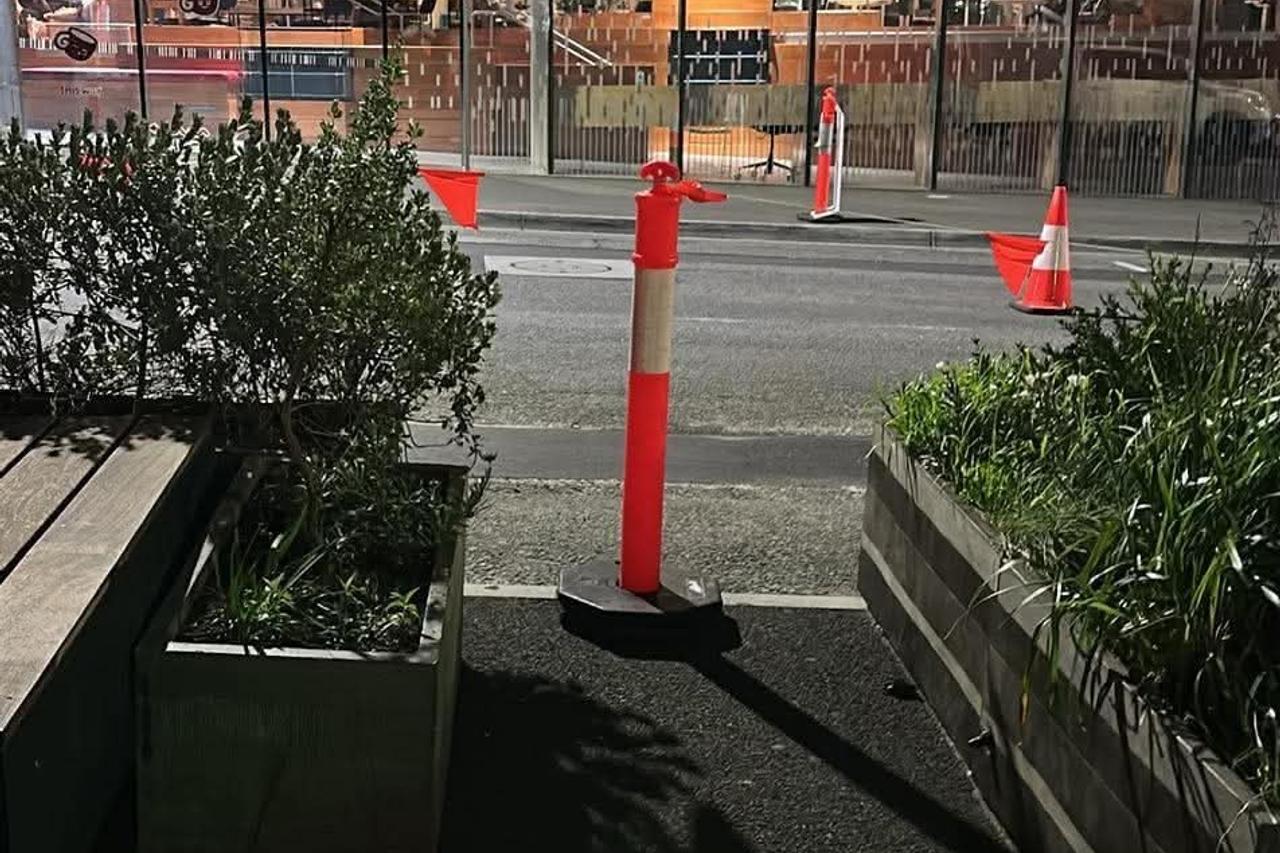
Wells said the ongoing works were piling pressure on small businesses already struggling with reduced trade.
“We are ratepayers as well,” he said. “We have just as much rights as TasWater do.”
“You cannot just say, ‘Oh sorry, there’s nothing we can do’, because you are now getting to the point where these small businesses will fold and then everyone will go, ‘Oh… what a shame’.”
“It’s not good enough.”