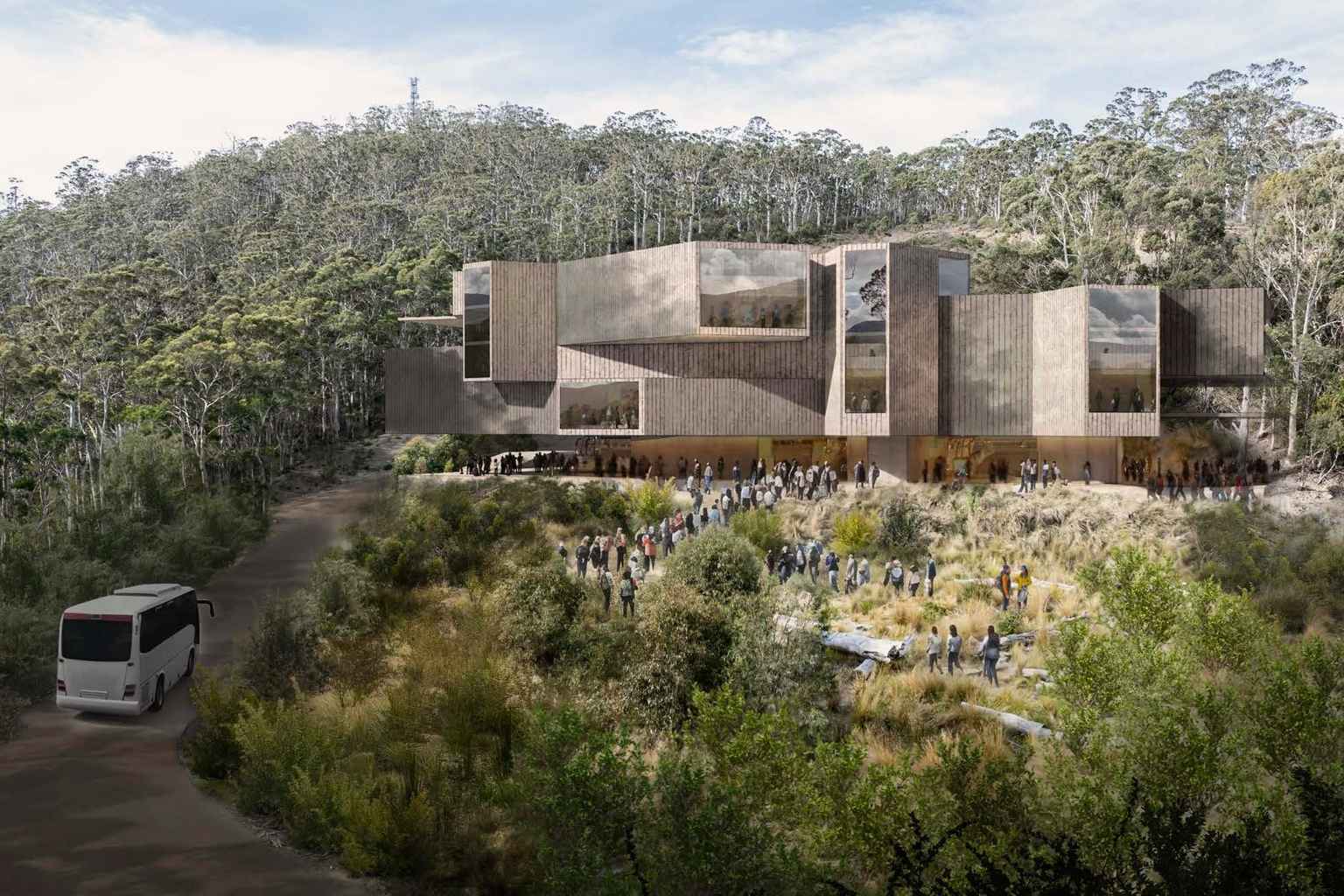
A new car park and shuttle hub at the foot of Kunanyi/Mt Wellington could cost up to $35 million, depending on how big the Hobart City Council decides to build it.
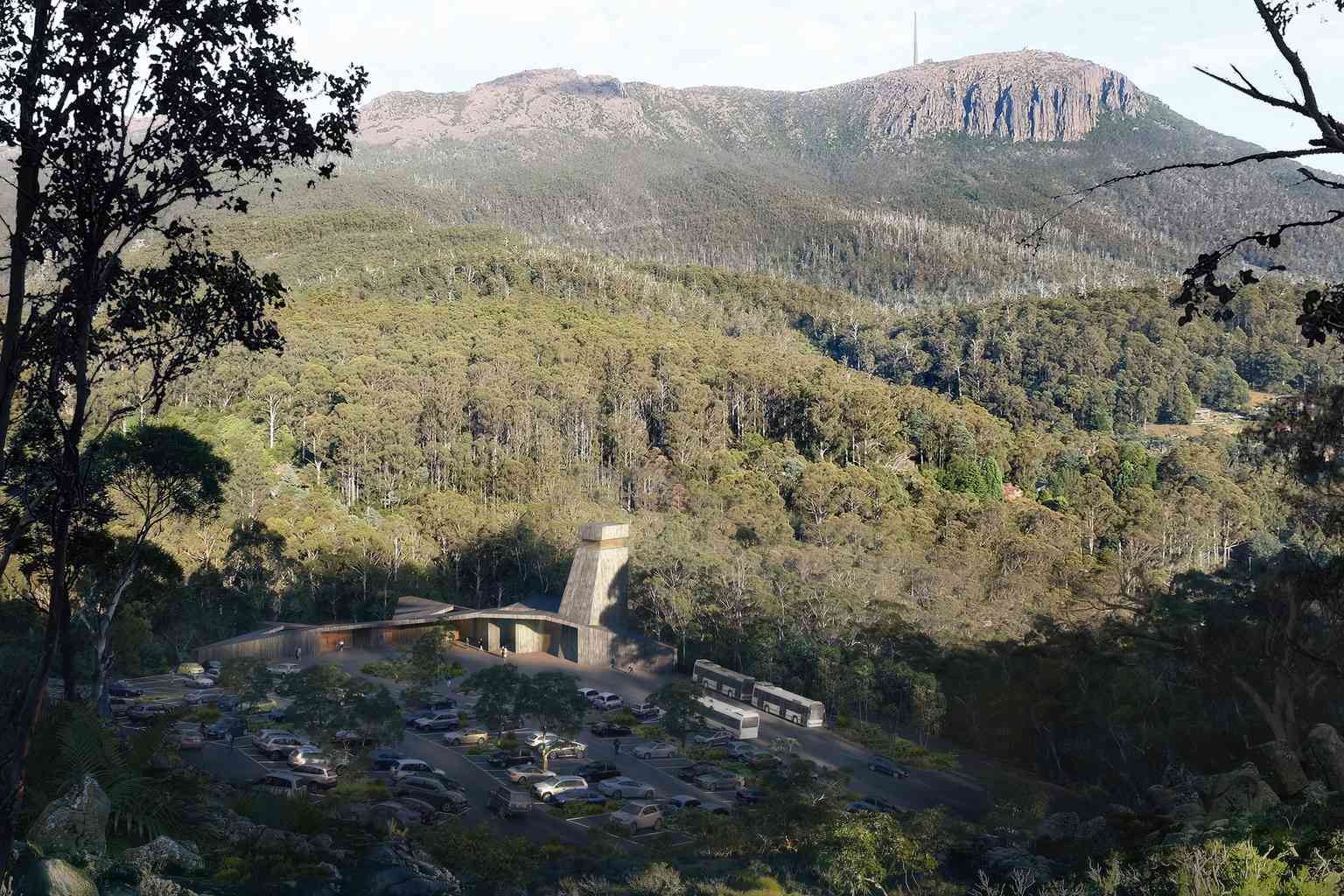
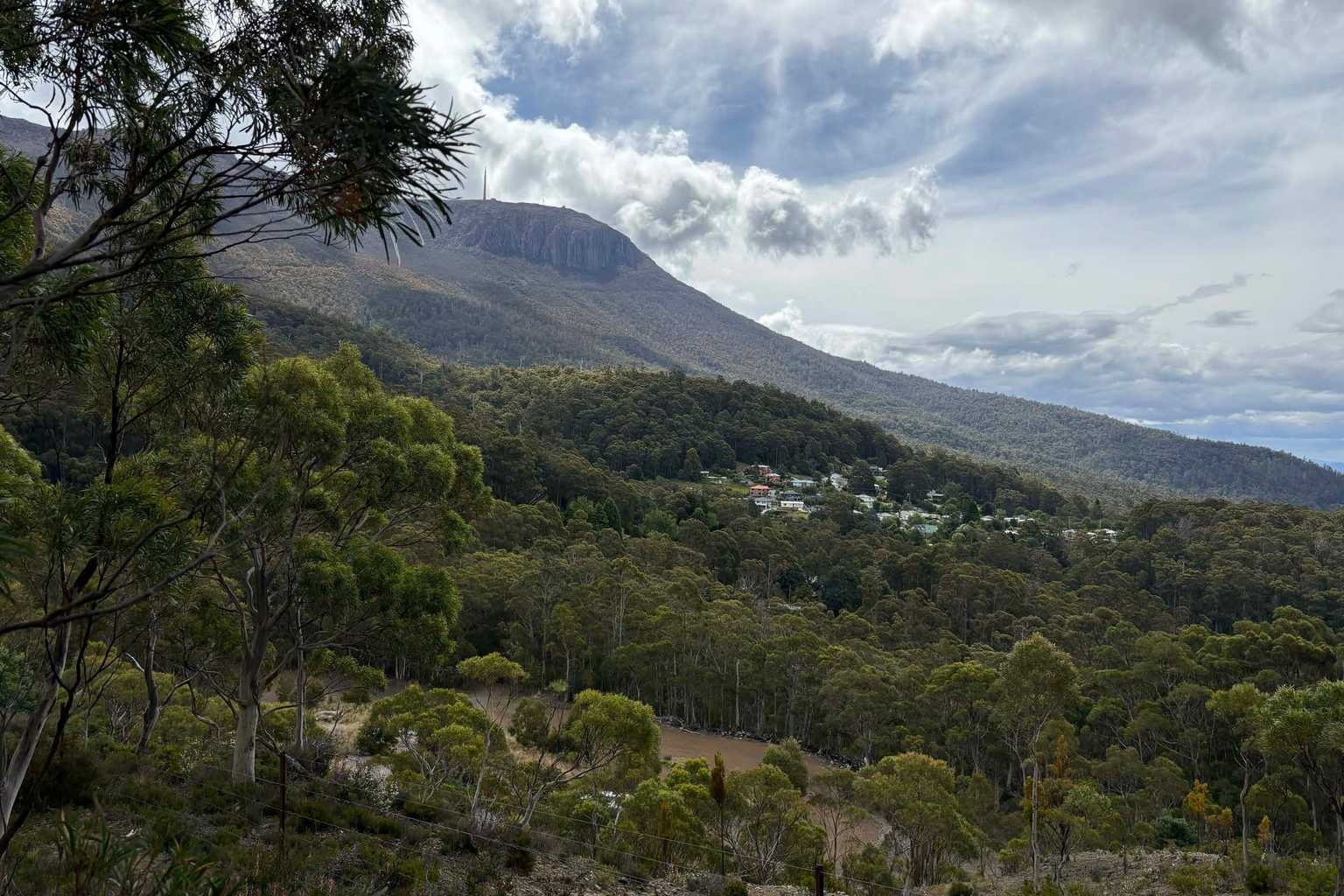
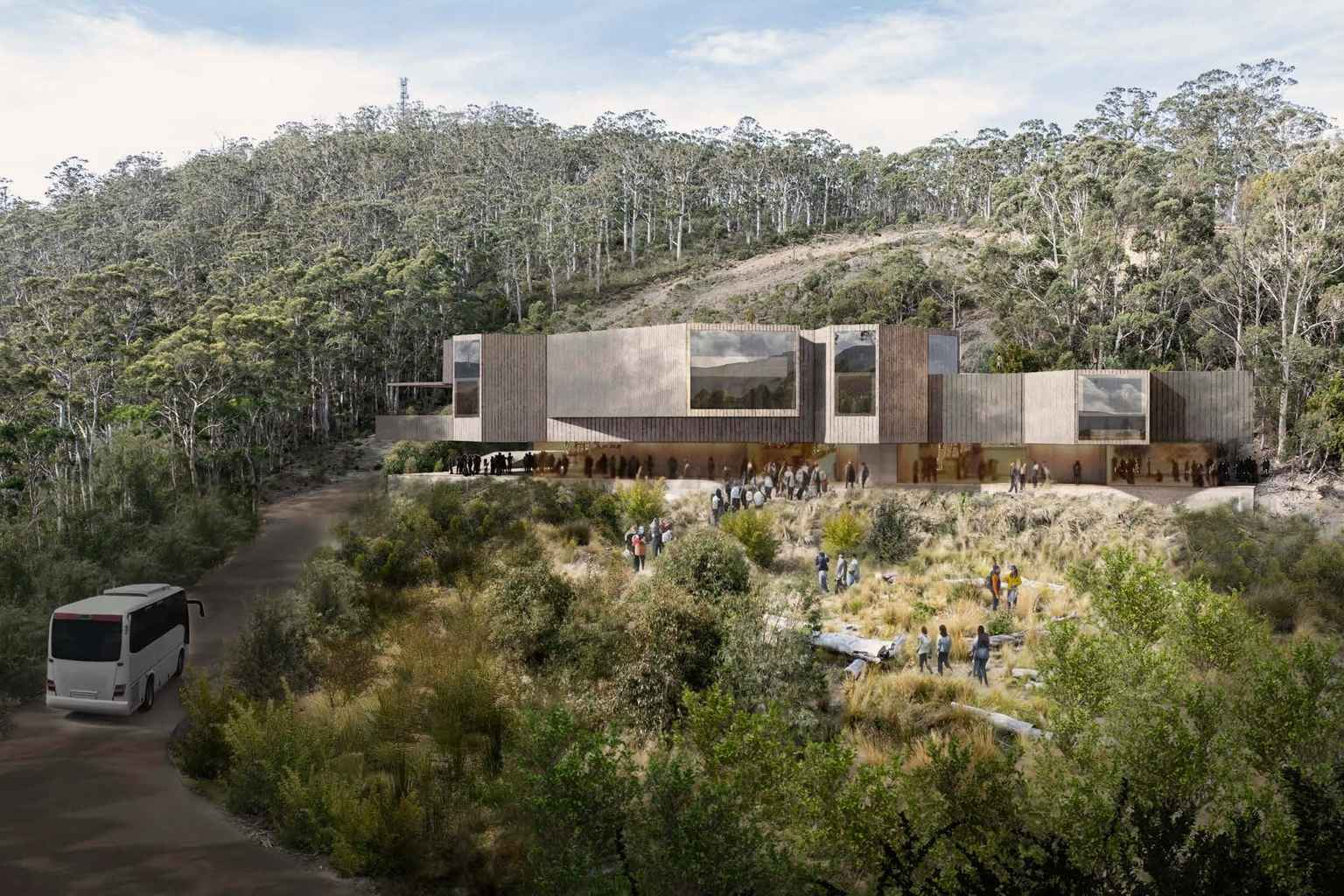
The council will on Monday consider a master plan for a visitor hub at Halls Saddle, a disused quarry it owns in the mountain’s foothills near Fern Tree.
Under the plan, visitors would park at Halls Saddle and catch a shuttle bus up the mountain, rather than drive all the way to the summit.
The mountain is Tasmania’s most visited natural attraction, drawing about 583,000 people a year.
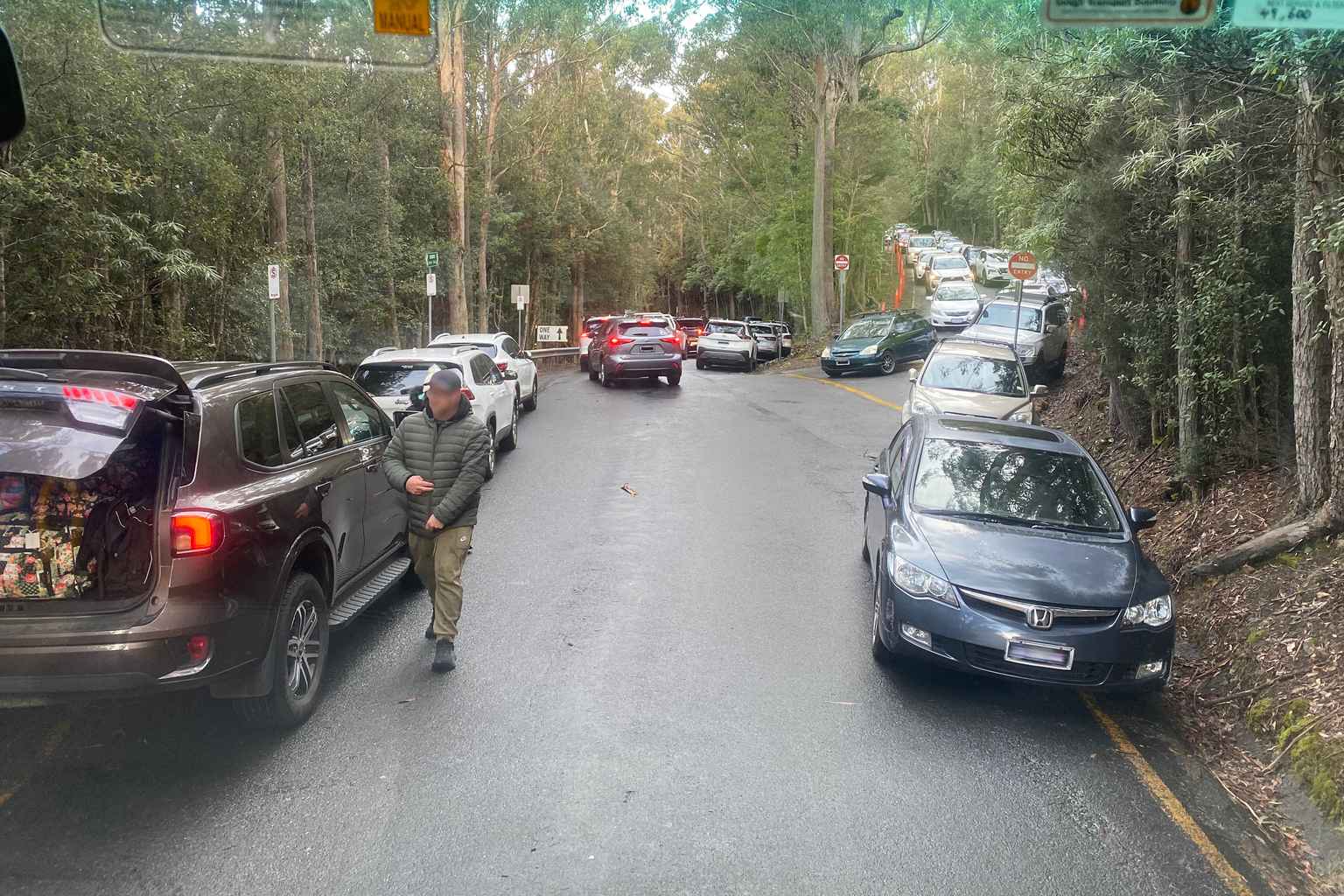
The plan found about 90% of mountain visitors go to the Pinnacle and about 85% drive, which the council says is causing congestion and safety issues on the narrow Pinnacle Road.
Consultants Terroir tested four options for the site, with costs ranging from $15.33 million to $34.83 million.
They recommend option three, a three-level car park with 212 spaces, built into the quarry face at an estimated cost of $23.45 million.
The cheapest option would put 230 spaces at ground level for $15.33 million, while option two would add a second level and between 330 and 350 spaces for $23.5 million.
The largest option would provide 408 spaces across five levels for $34.83 million.
But the council is not yet in a position to lock in a final design.
The master plan says the preferred option depends on future decisions about mountain access, which “remain unresolved and have the potential to materially influence the ultimate parking and transport requirements for the site”.
If cars continue driving to the summit, the site would need about 200 spaces in its first year, rising to about 230 within a decade.
If private cars are banned from the summit, demand would jump to about 400 spaces, closer to the larger five-level option costing $34.83 million.
That would also mean a much heavier reliance on shuttle buses, with most services running from Halls Saddle and the rest from Hobart, according to the modelling.
For now, the council will only “receive and note” the report while it prepares a separate paper on future mountain access.
A council spokesperson said the master plan was an important step in a long-term vision for the site.
They said the options “highlight what may be possible” for the disused quarry.
“This is not a final design, but the beginning of a broader conversation with the community about the site’s future,” the spokesperson said.

“Any next stage would involve great care and include community and Palawa engagement to help shape a careful, collaborative path forward.”
The project sits in the shadow of the long-running cable car debate, which was rejected by the council in 2021.
It also comes amid a broader state government review of the mountain, led by the Department of State Growth.
The review drew more than 9,000 submissions and has produced a community vision, with a final report in the form of an action plan due in mid-2026.
The state government has repeatedly said the mountain needs a “sustainable transport solution”, with a spokesperson previously telling Pulse it “believes a cable car” would be exactly that.
A $3.2 million federal grant announced in November last year is funding the ‘development-ready’ planning work, with the council expected to seek further state and federal funding for construction.