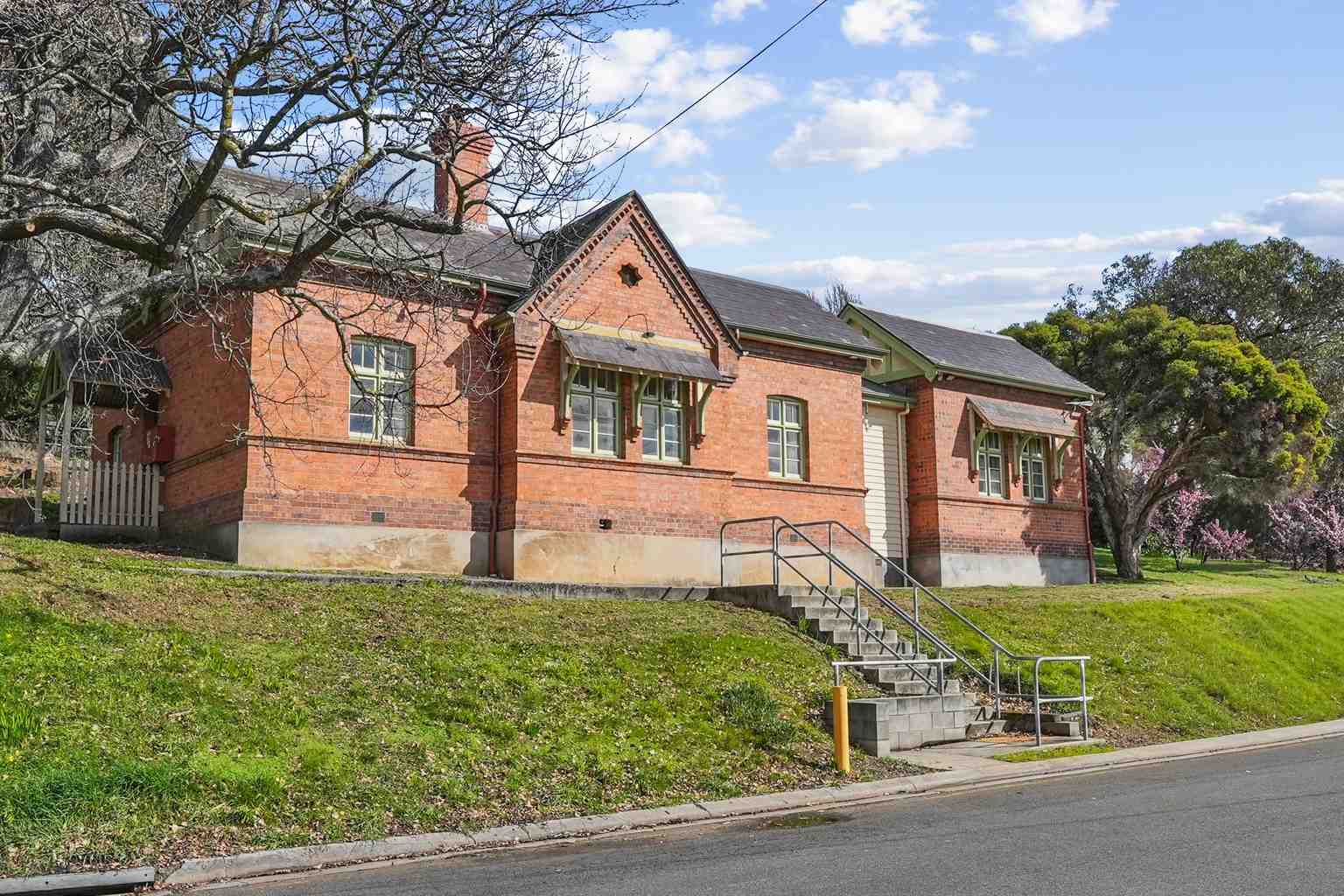
A heritage-listed building that once helped distribute electricity from one of the Southern Hemisphere’s earliest public hydro power schemes will go to auction next month.
The building at 34 Bourke Street in West Launceston was built in the 1890s as a distributing station for the Duck Reach Hydro Electric Scheme.
The Tasmanian Heritage Register describes the scheme as the first of its kind in Australia.
But the site’s history stretches back much further than electricity, to a time when it was used to store the colony’s gunpowder.
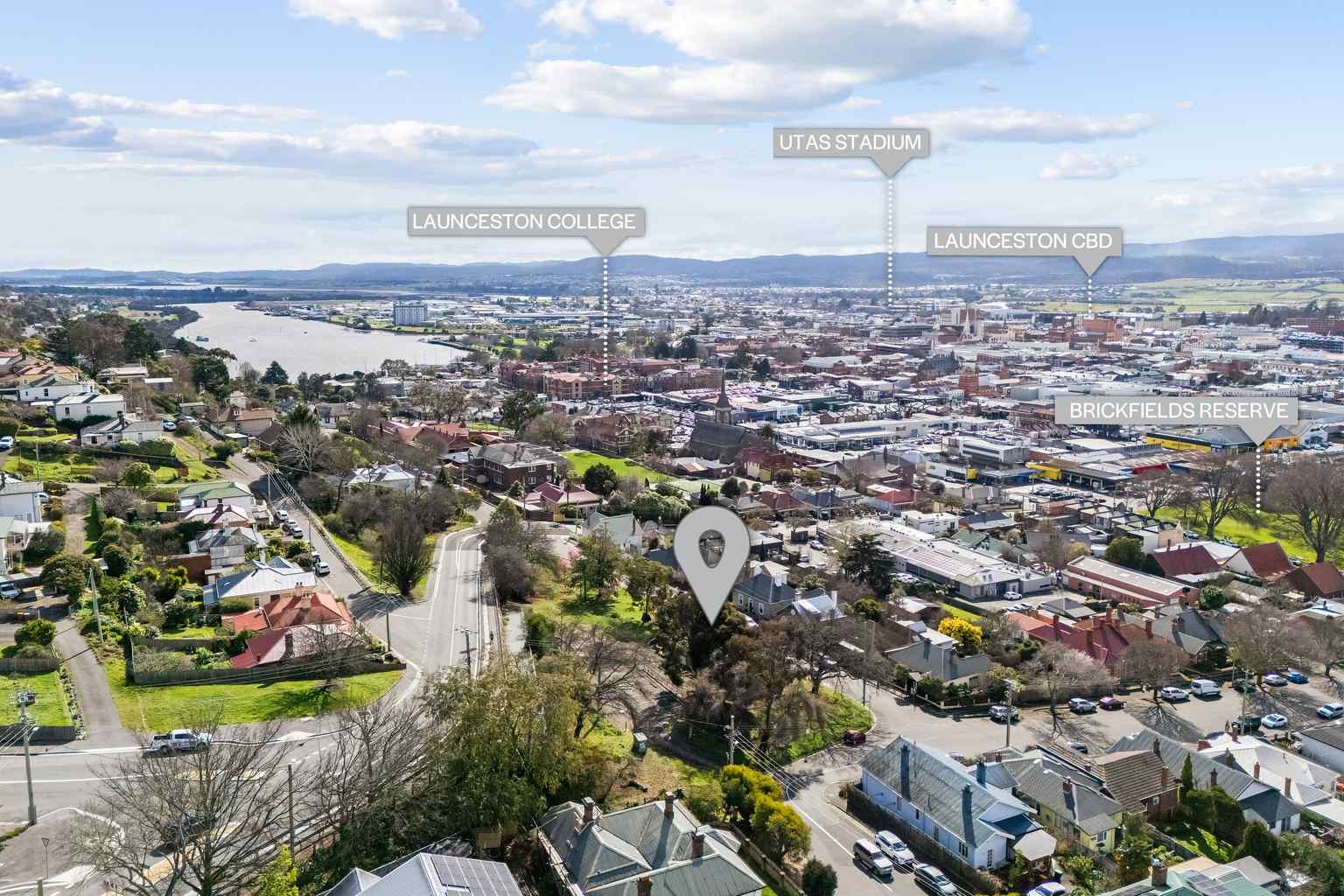
The register says the single-storey brick building was designed by Launceston City Surveyor St John David, who also implemented the Duck Reach scheme.
It was built by prominent northern Tasmanian firm J and T Gunn.
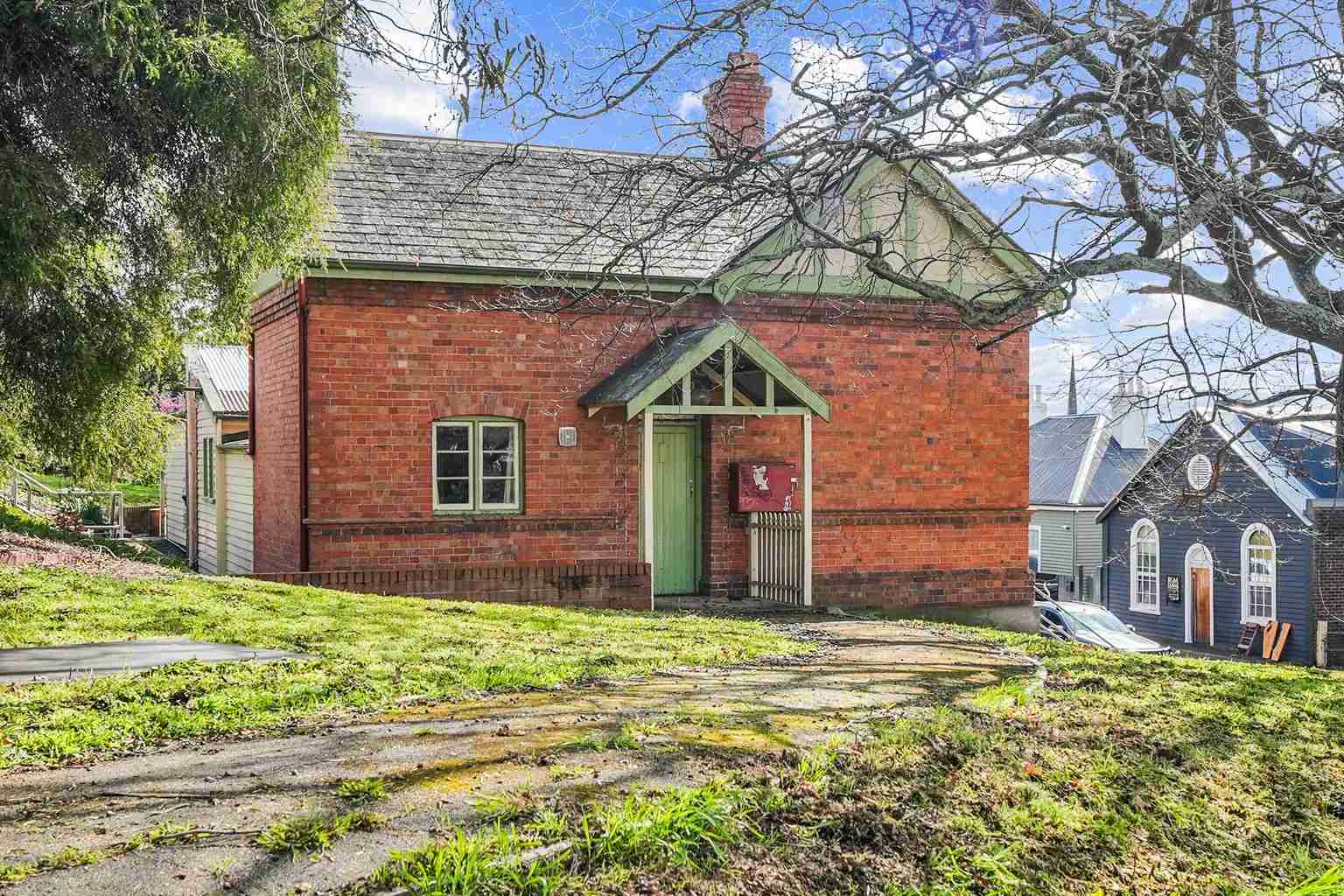
The building was finished with a slate roof and a wooden tower about nine metres high, used to strain the wires that distributed electricity across the city.
The tower was removed around 1910, after the building stopped operating as a distributing station and was converted into a home.
The register records that the site was chosen in the early 1830s to store gunpowder a safe distance from the growing town.
The magazine was a brick building surrounded by a high brick wall, with a sentry on duty and a corporal’s guardhouse nearby.
The gunpowder was removed by 1860 after the complex was deemed dangerous and the site was later repurposed for the electricity station.
The heritage register notes the block may still contain sub-surface archaeological remains of the magazine and guardroom beneath the ground.
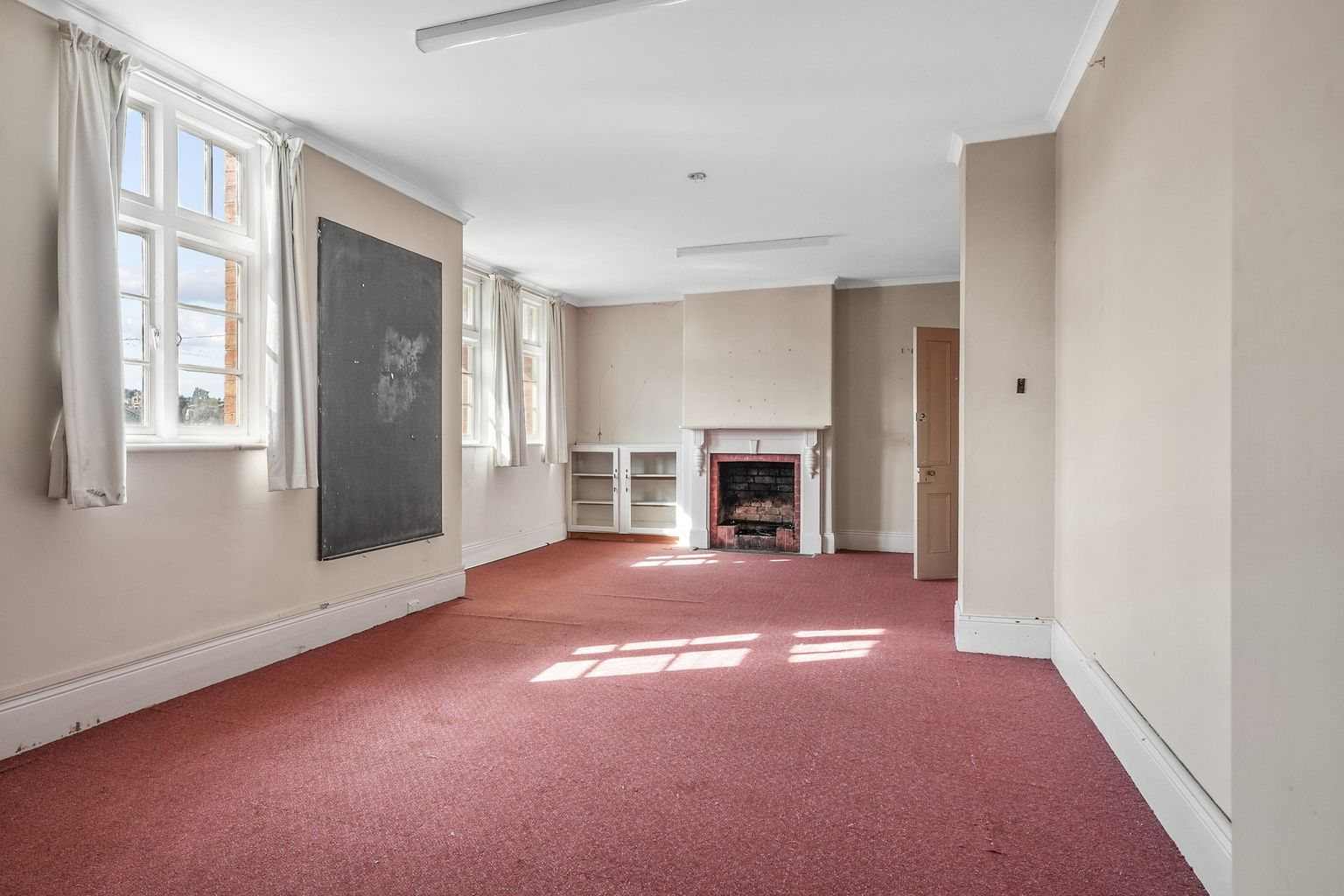
Lifelink Samaritans occupied the former distributing station from 1991, after the building had spent decades being used as a home and offices.
The property is now being marketed by Bushby Creese, who say it could suit commercial, creative or community uses, subject to planning and heritage approvals.
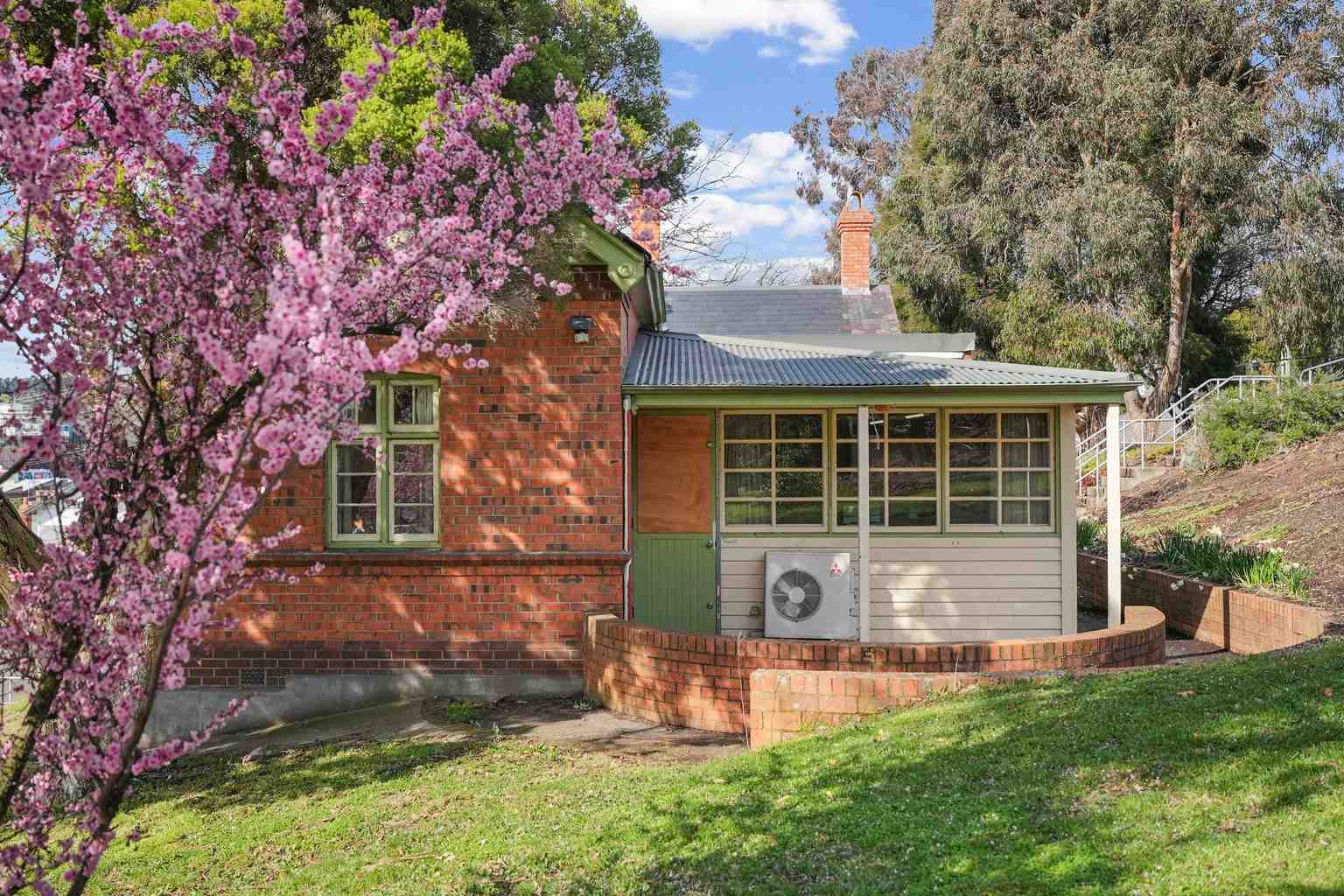
It will go to auction on September 24 at 1pm.