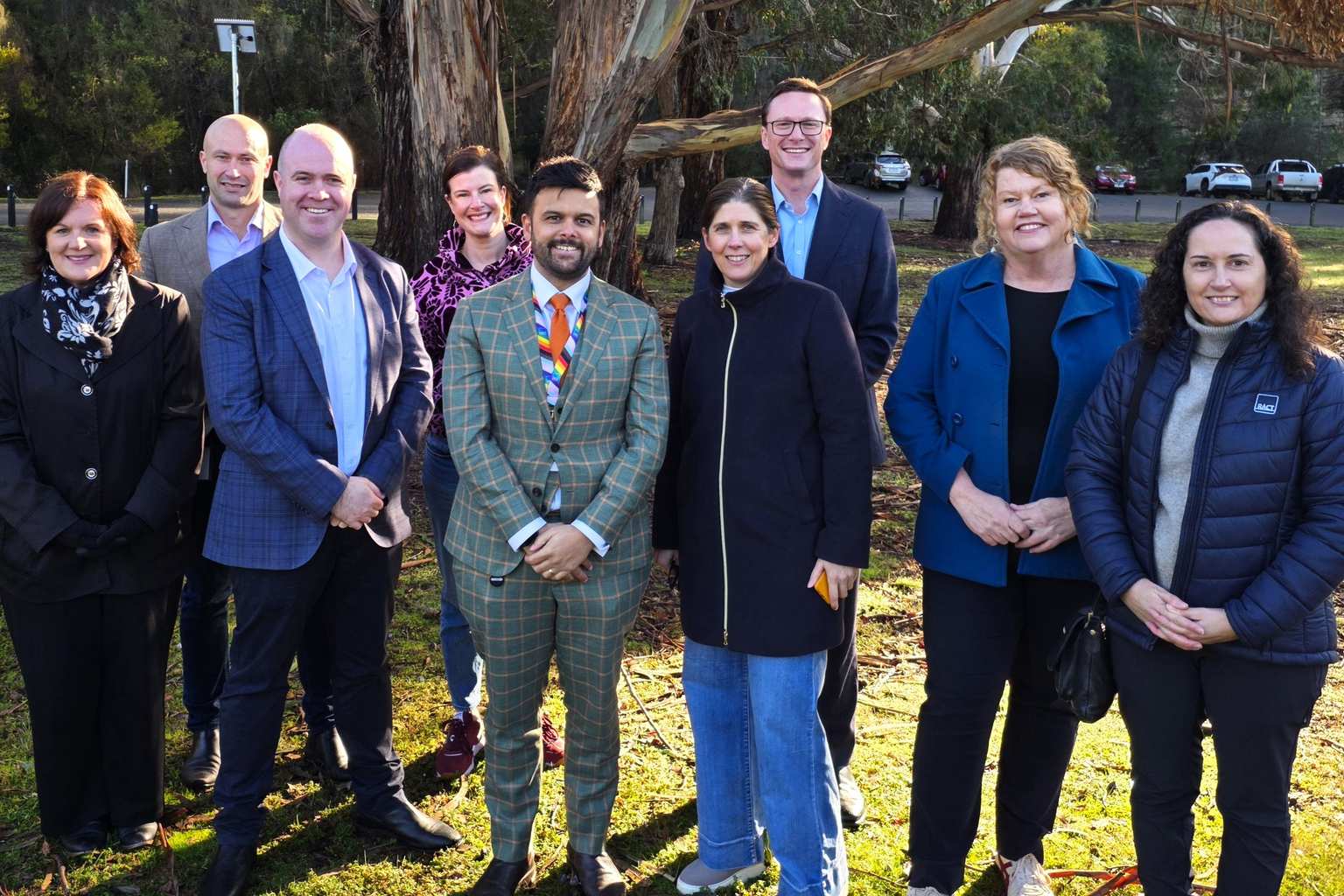
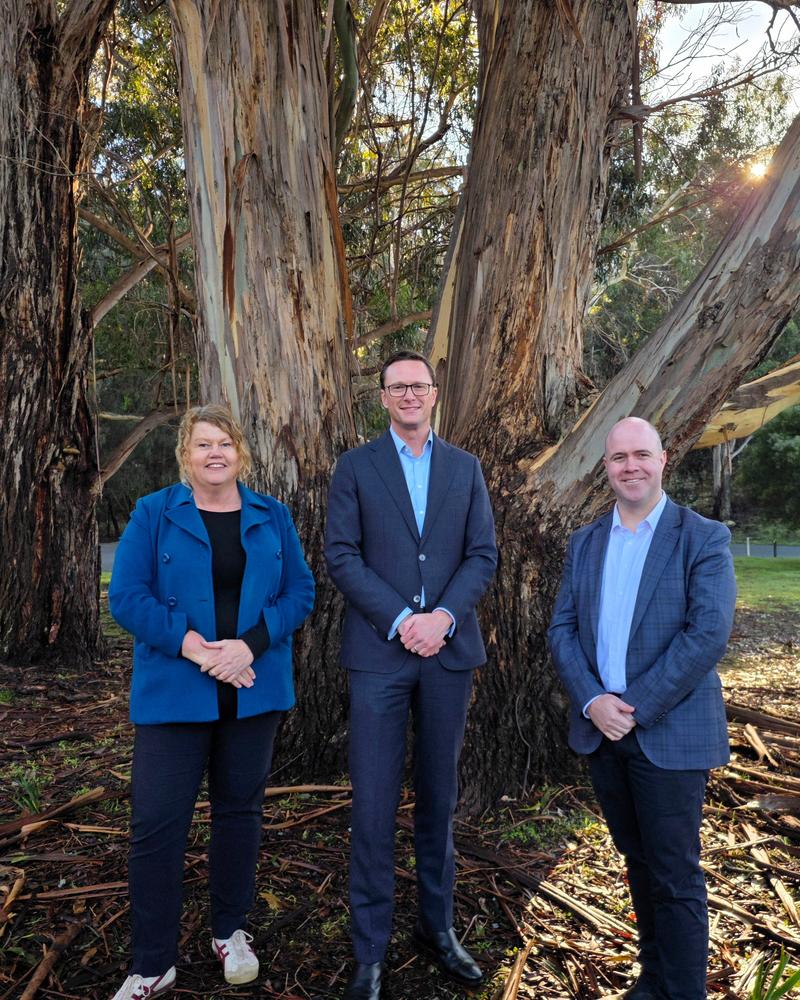
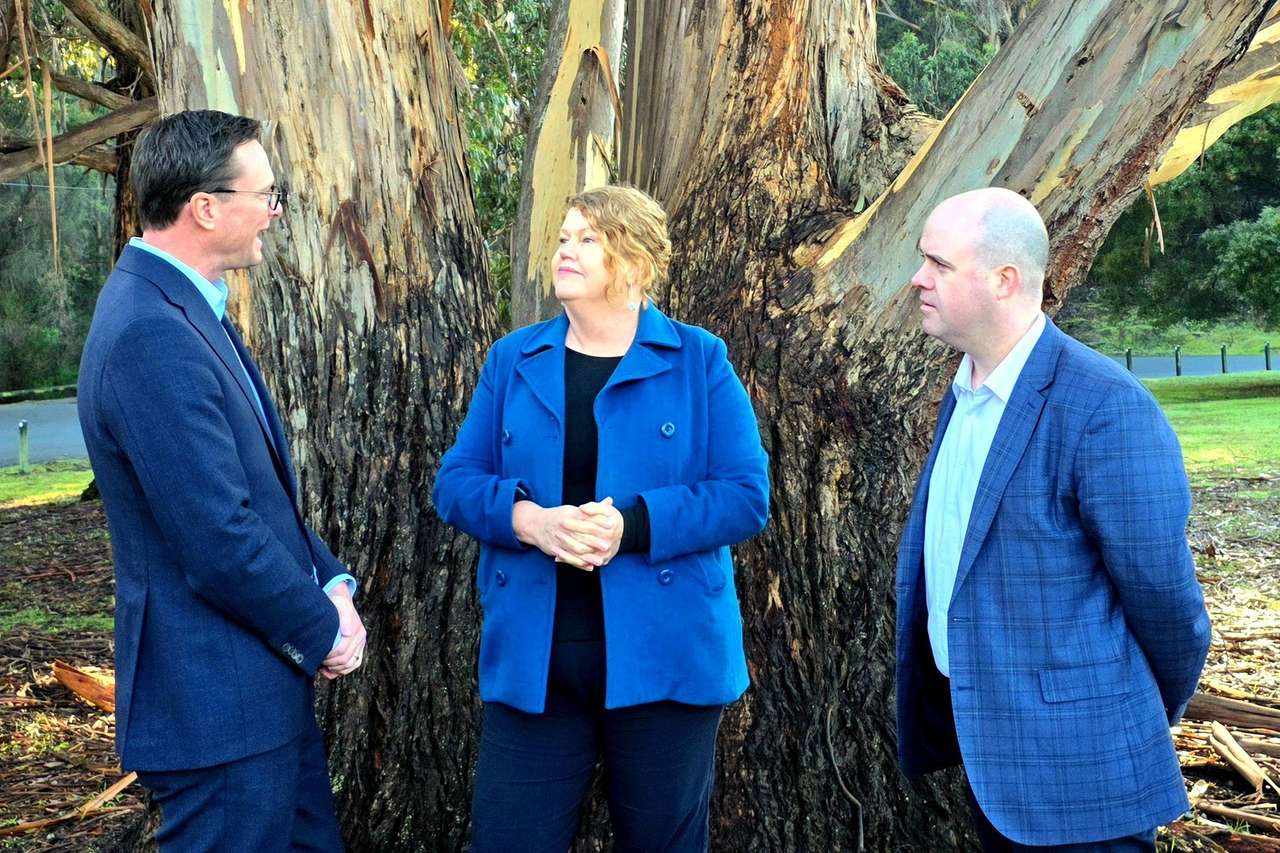
Hobart and Kingborough households will get hands-on help and incentives to prepare their homes for bushfire under a first-of-its-kind pilot bringing together the RACT, two local councils and the University of Tasmania.
The program will coordinate action across households, local government and Tasmania’s biggest insurer, backed by independent research from the UTAS Fire Centre.
It’s the first time in Australia that an insurer, councils and a university have joined forces in this way to tackle bushfire preparedness.
RACT Group CEO Mark Mugnaioni said Hobart is one of the most bushfire-exposed cities in the world, making southern Tasmania the obvious place to start.
“Bushfire risk is our number one natural peril,” he said.
“It threatens homes, it threatens lives, it drives up the price of insurance.”
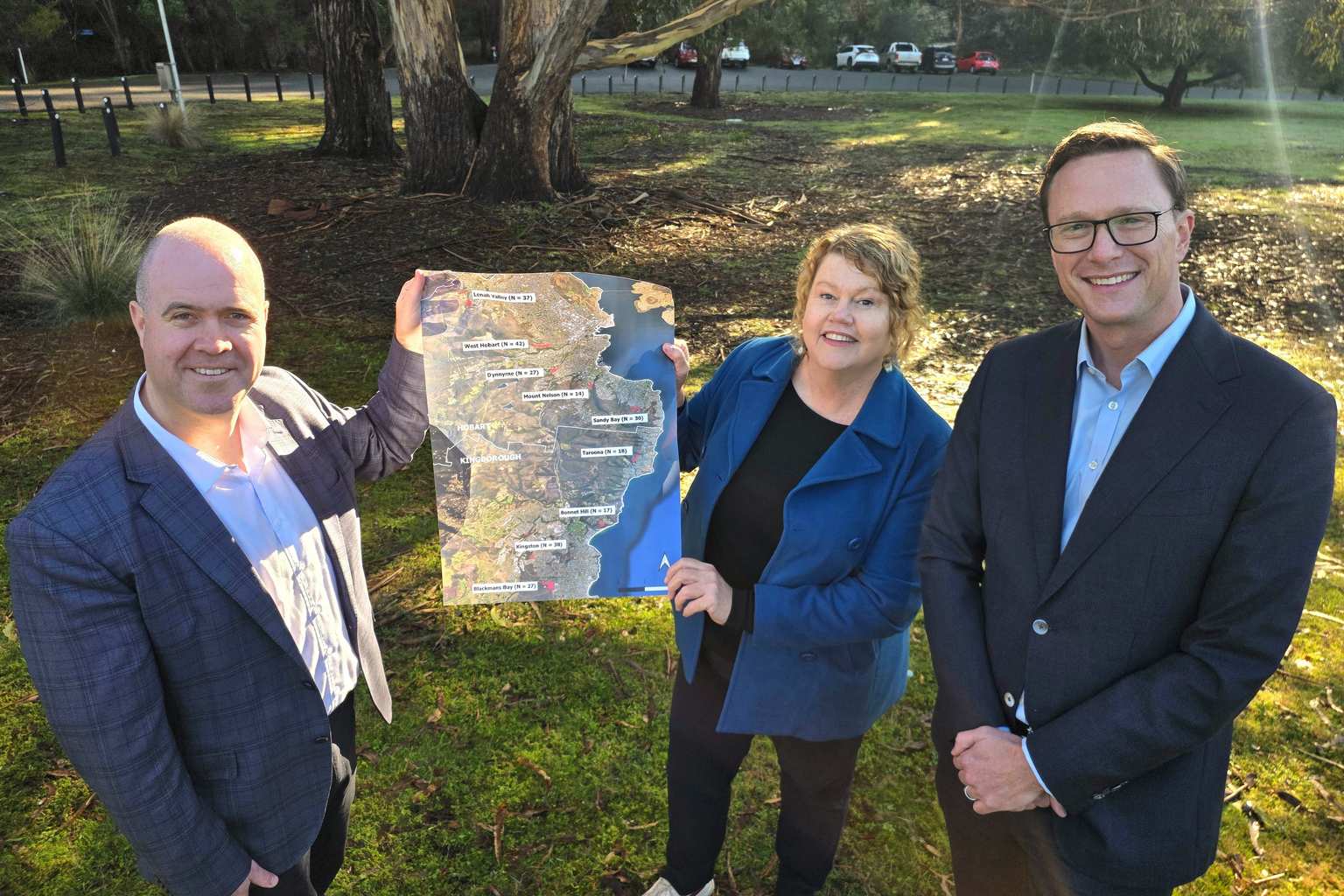
Mugnaioni said the pilot would begin with a couple of hundred households in high-risk areas along the urban-bushland interface before expanding.
“We also know that households cannot solve this problem by themselves, insurance companies can’t solve it by themselves, nor can state or local government,” he said.
“But together, as a community, we absolutely can do something about this problem.”
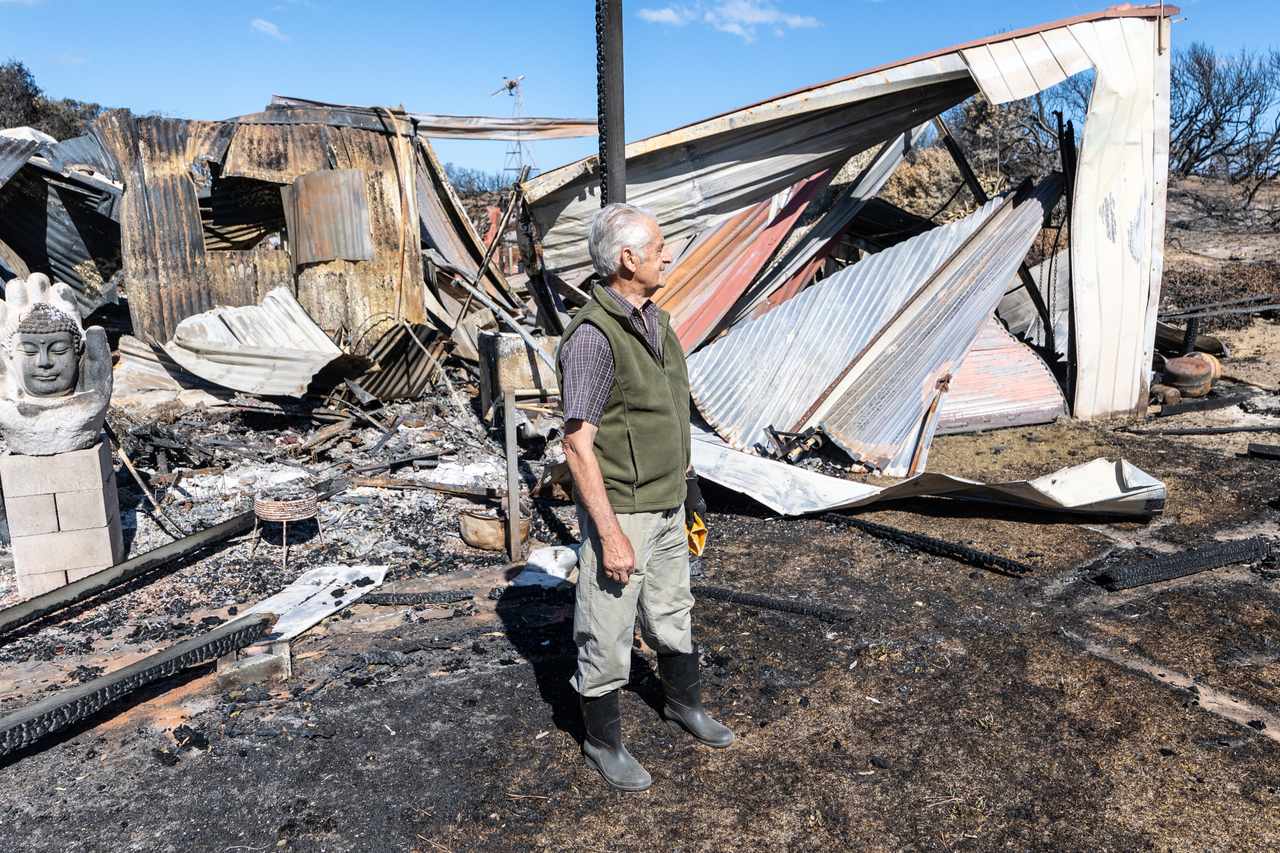
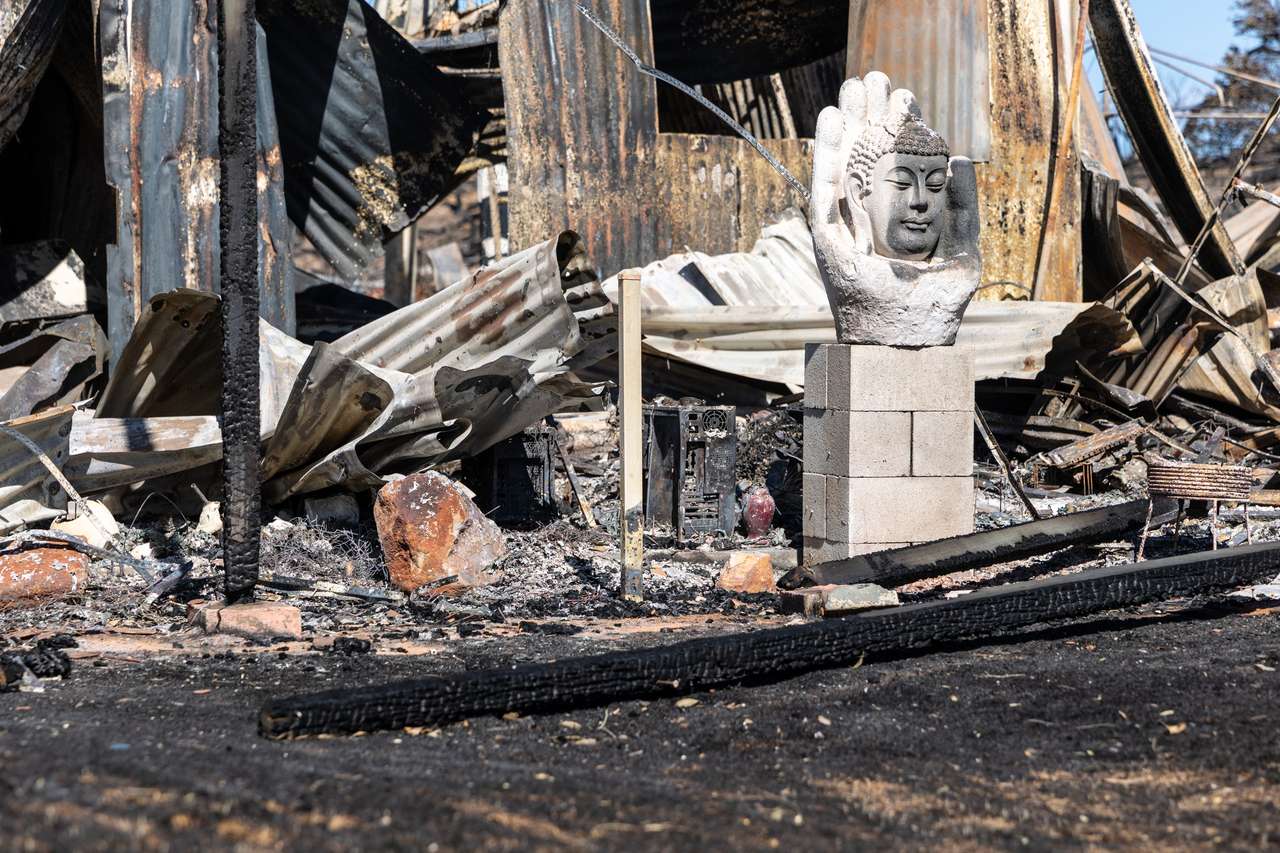
He said one of the biggest risks is vegetation close to properties, and the trial will help householders understand and change their landscape to reduce danger.
Practical support will include household assessments, interactive mapping software to visualise risk, free green waste disposal days and street skip bins to help maintain defensible space around homes.
Both councils will carry out additional vegetation management on council land in pilot areas.
Hobart Lord Mayor Anna Reynolds said the city spends more than $2 million every year reducing bushfire risk through fuel breaks, reduction burns and fire trail improvements.
“This new partnership is nation-leading and it puts practical support directly into the hands of households in our highest-risk communities,” Reynolds said.
Kingborough Acting Mayor Christian Street said the municipality’s bushfire risk is as bad as Hobart’s, and in many cases worse, due to its mix of urban, rural and semi-rural areas.
“The vast majority of bushland areas at risk in Kingborough are privately owned,” Street said.
“So helping people take their own steps to mitigate risk is really important.”
The pilot has been designed by the UTAS Fire Centre to measure the impact of combining different risk reduction activities, with findings that could ultimately lead to more affordable insurance.
Expansion of the program hinges partly on securing a Disaster Ready Fund grant from the federal government.