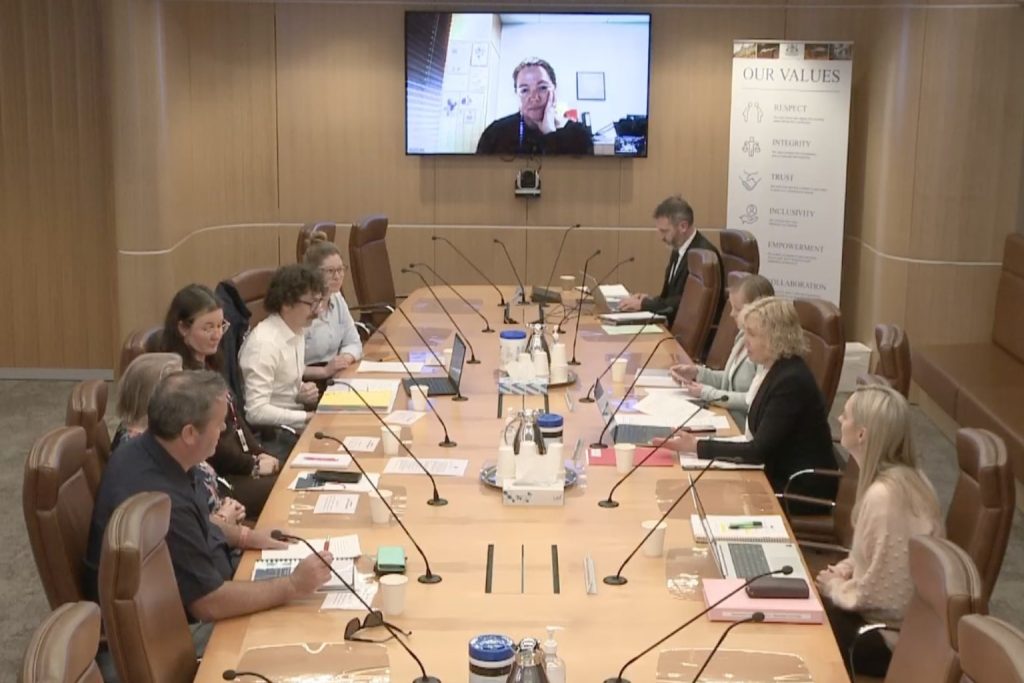
Hobart councillors will vote tomorrow night on a proposal to double council rates on whole-home short-stay accommodation, in a fresh bid to ease the city’s housing crisis.
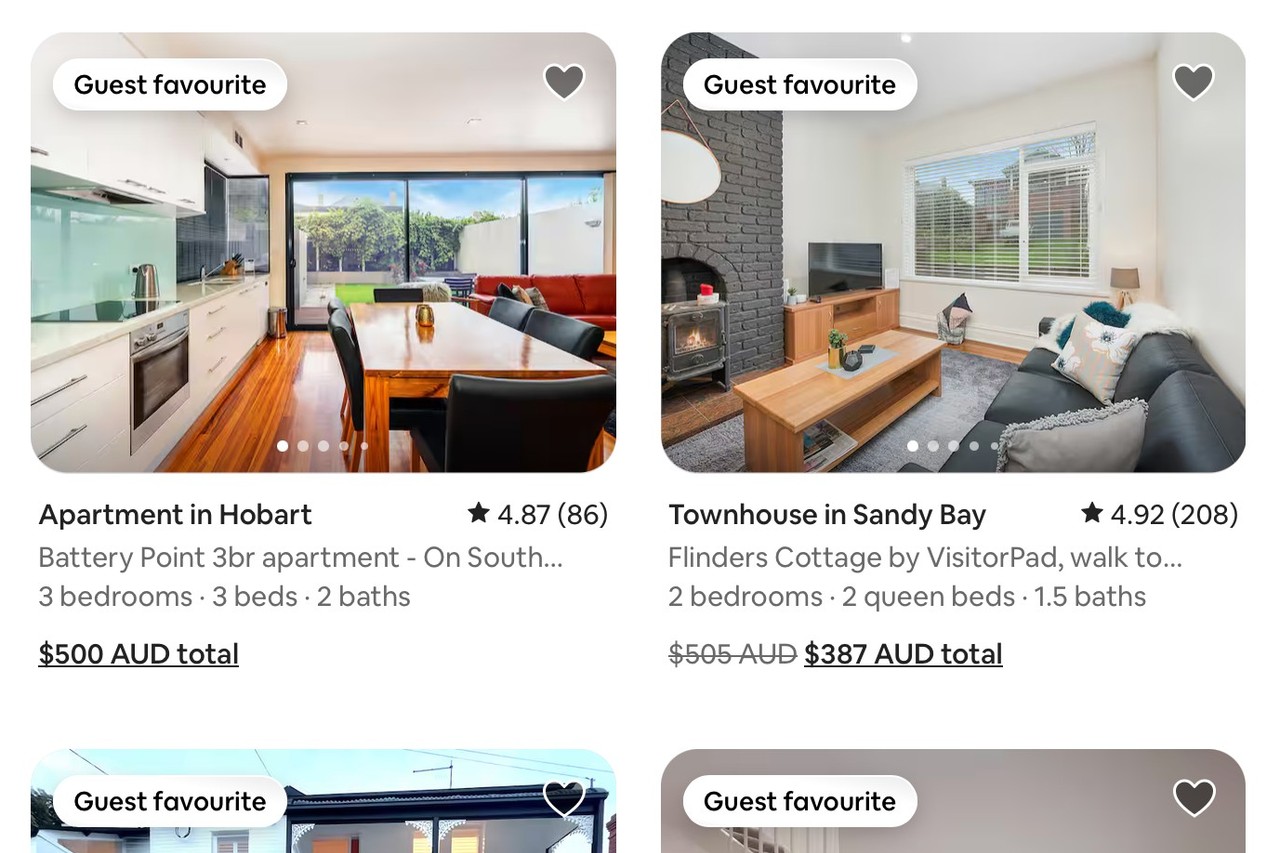
The motion, brought by councillors Ben Lohberger and Ryan Posselt, targets properties like whole-home Airbnbs.
It would lift the rate differential from 200% to 400% of the standard residential rate from July 1, 2027.
If passed, the average affected property owner would pay around $3,738 more in general rates a year – a 92% increase, according to council figures.
Properties with spare rooms or granny flats let out for short stays would not be targeted.
The motion states that southern Tasmania’s rental vacancy rate is below 0.2% and that Hobart has the lowest rental vacancy rate of any Australian capital.
Recent data from SQM Research put Hobart at 0.4% in April 2026 – less than half the national rate of 1.0% and the equal-tightest market in the country with Darwin.
“There is a clear link between the conversion of long-term residential housing to tourism accommodation and the housing crisis in Tasmania,” the councillors said in their motion.
“The Housing Tasmania waiting list is 5,400, and there are now 4,700 whole home short stay accommodation properties across the state.”
“4,700 whole homes lost for Tasmanians, with more than 600 of them in the Hobart municipality alone, the highest saturation of any capital city in Australia.”
The motion also calls for a report investigating incentives for commercial hotel construction, to support the tourism sector.
Council officers have advised that a jump to 400% cannot be implemented for 2026-27 because rates are about to be set and would require further consultation.
As an alternative, the officers flagged the option of lifting the differential to 221% for 2026-27 – the same rate applied to commercial and industrial properties.
That would add about $408 – or 10% – to the average short-stay owner’s annual rates bill.