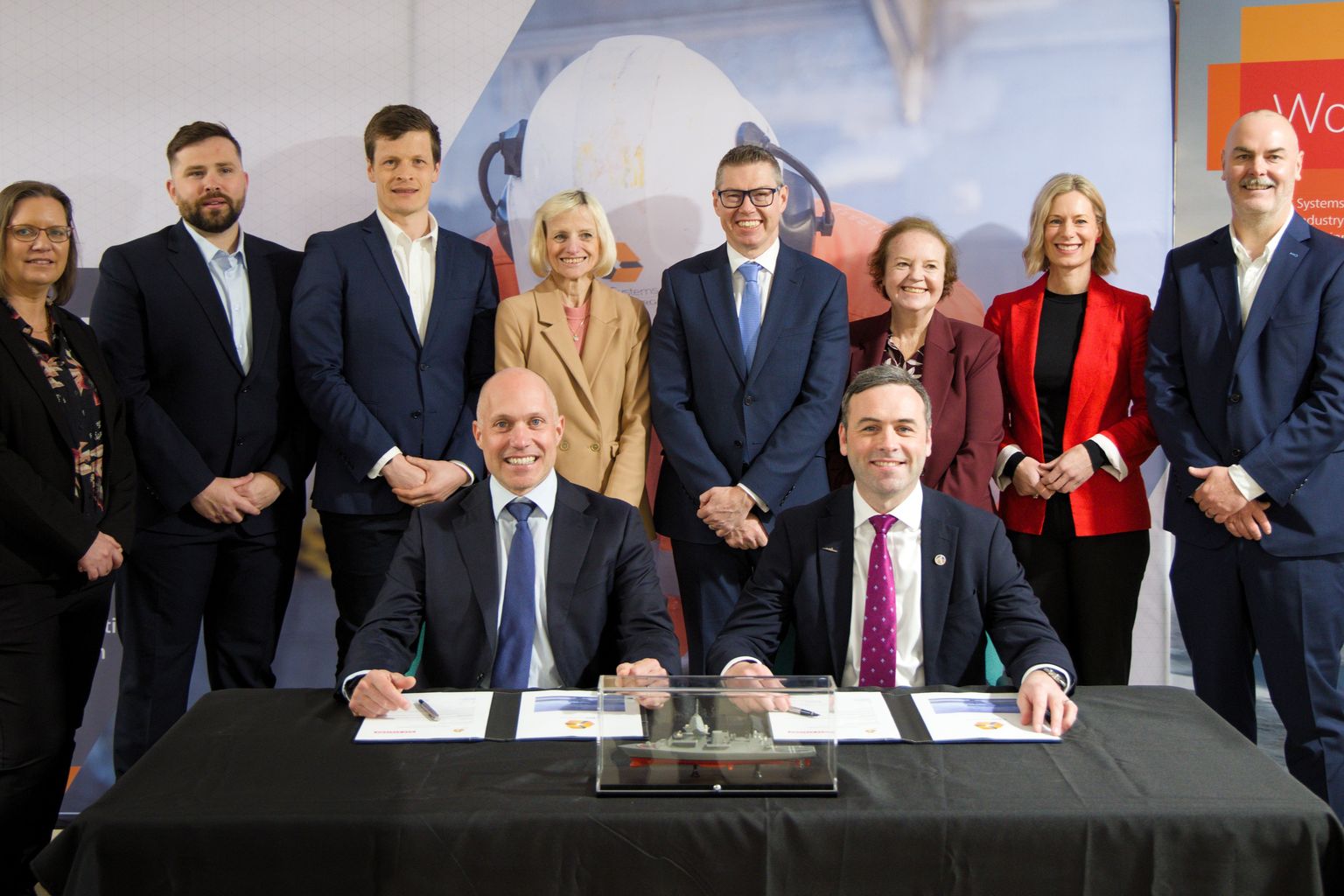
A Hobart company will hire at least 80 more workers after landing an $83 million contract to supply insulation for the Royal Australian Navy’s new frigates.
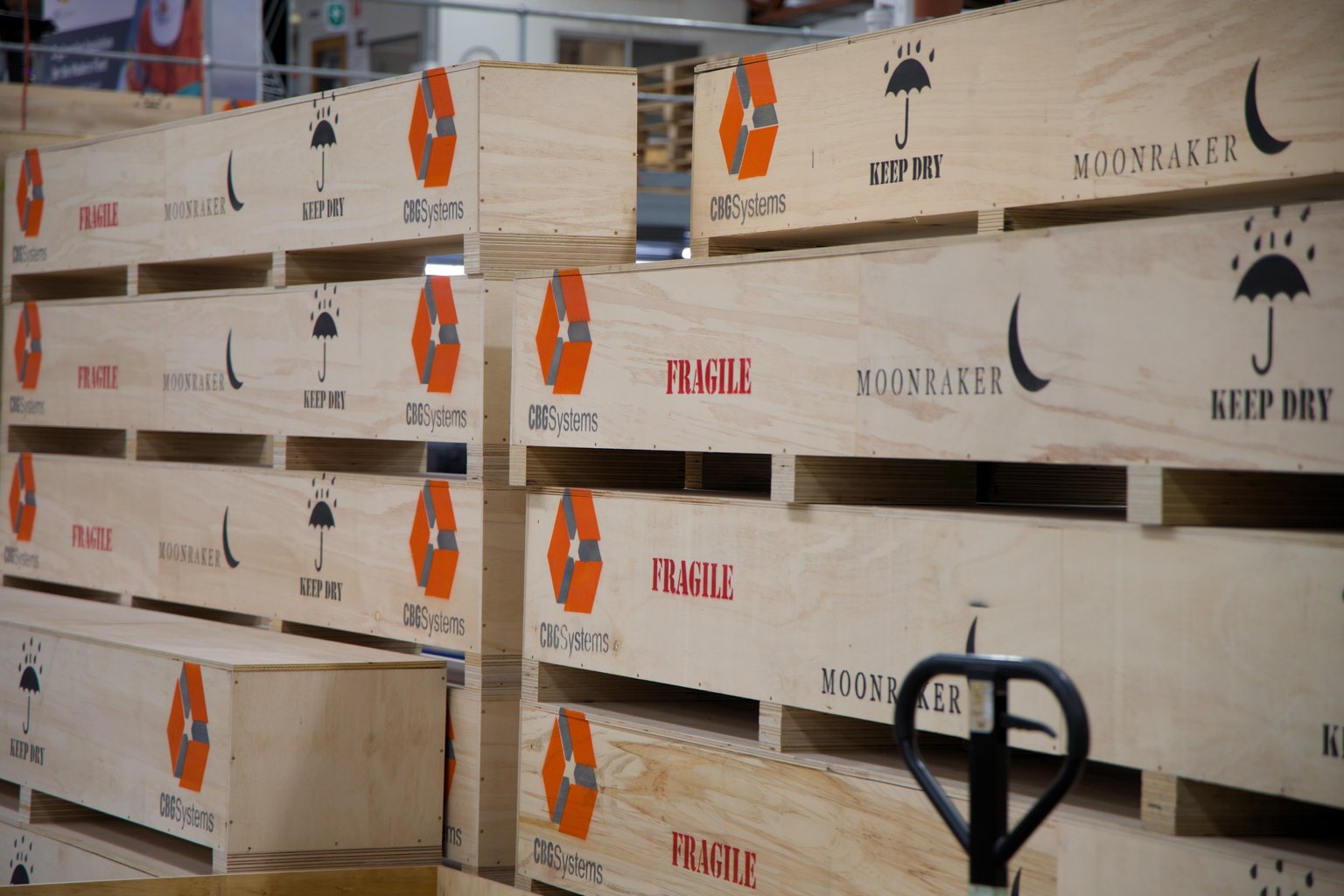
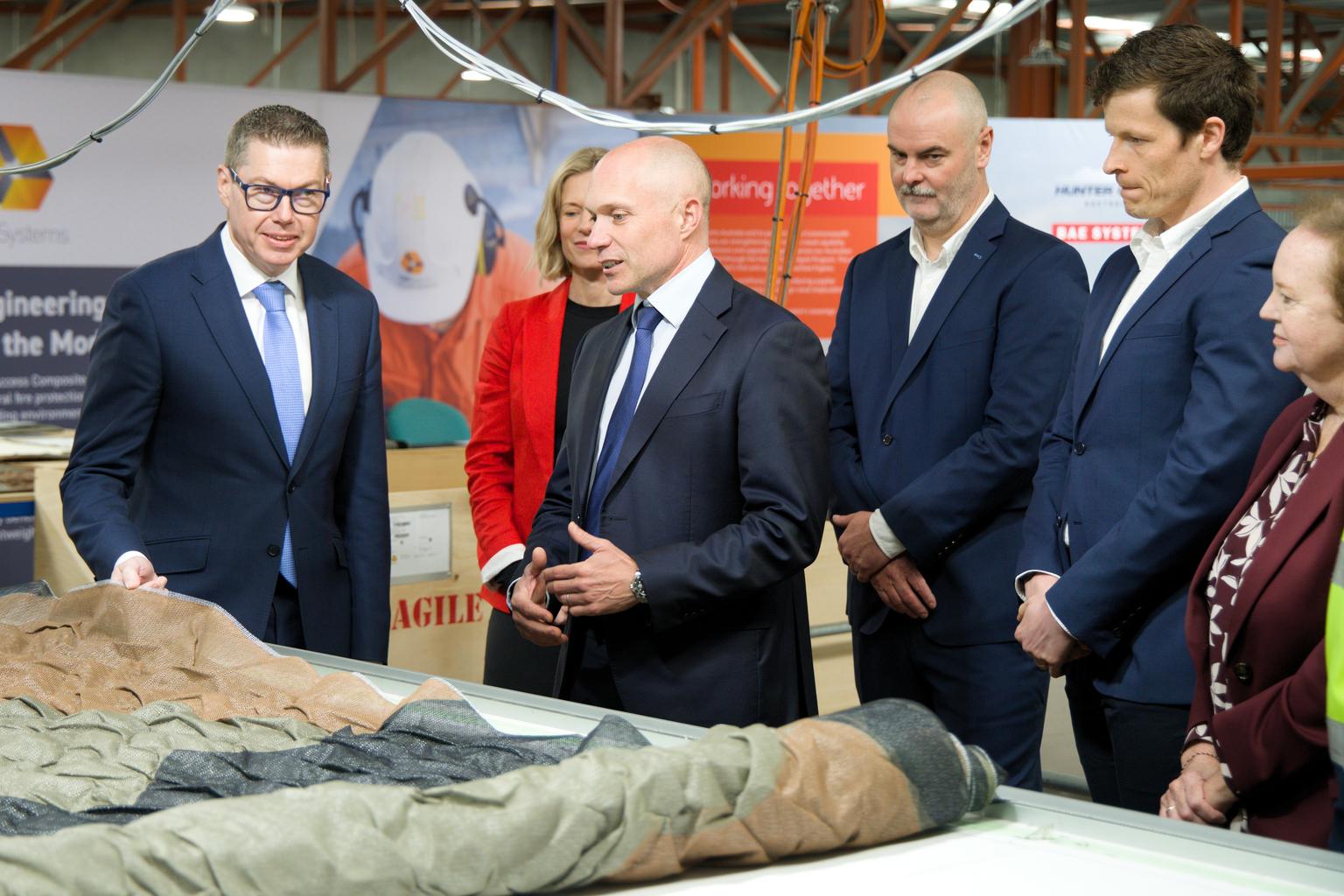
CBG Systems will deliver and install fire, thermal and acoustic insulation, linings and pinning into the first three Hunter class frigates under the contract with BAE Systems Maritime Australia.
Managing Director Javier Herbon said the company employed 50 people and needed at least another 80 for the contract alone, with hiring and training already underway.
“We have a very good pool of talent here in Tasmania,” Herbon said.

“We know the market really well, we know how to retain employees, we know how to look after them.”
Herbon said it was the biggest contract the company had secured in its 40-year history, taking years to negotiate and at least eight years to deliver.
“This is a landmark contract for CBG Systems and for Tasmania’s defence industry more broadly,” he said.
The company is also planning a new 5,000 square metre facility at Technopark, after acquiring a 7,000 square metre block of Crown land from the state government.
A development application is being lodged with Glenorchy City Council.
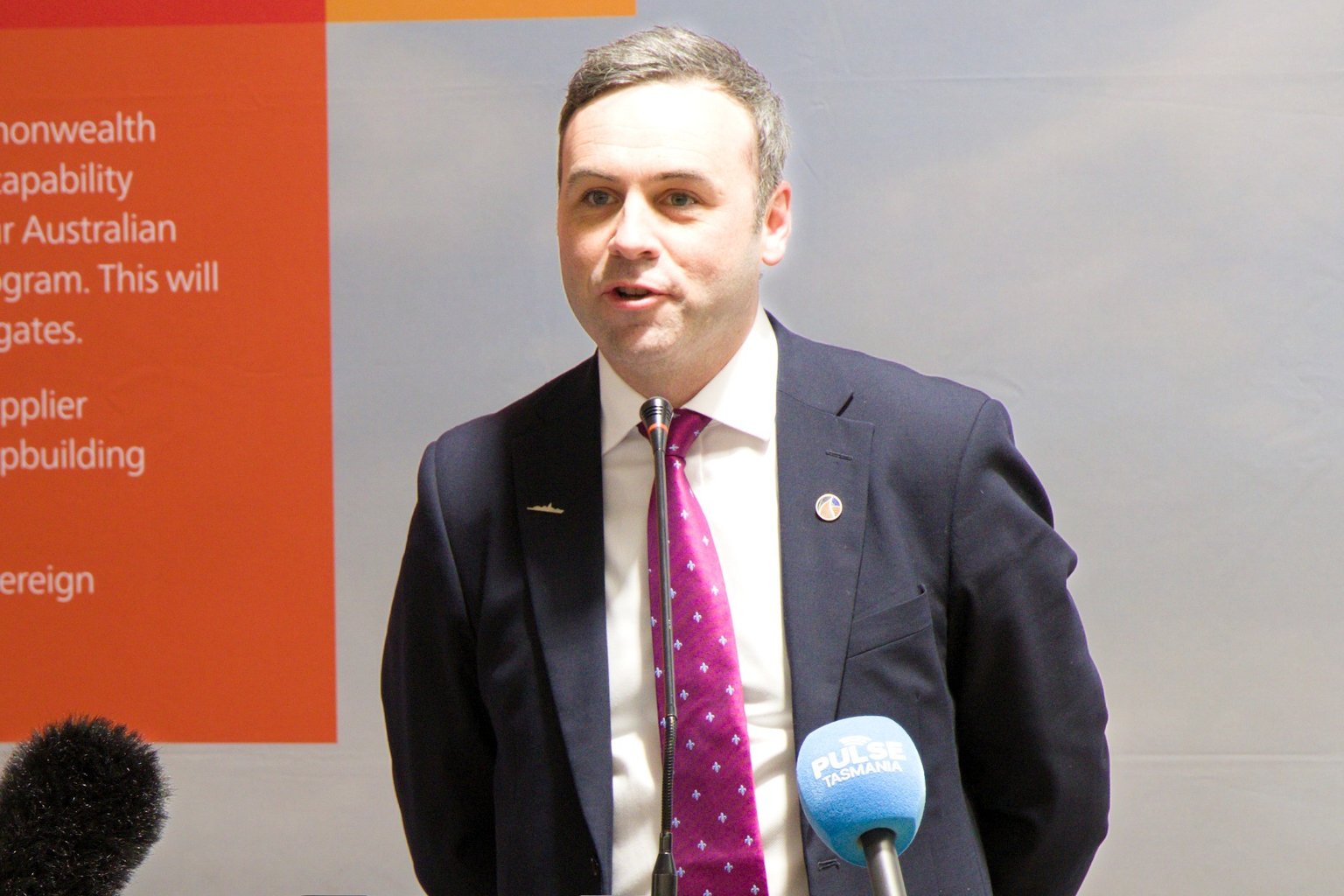
Federal Defence Industry Minister Pat Conroy said the contract would lock in hundreds of high-skill, high-tech jobs.

“Tassie fights above its weight, punches above its weight in terms of contributing to the defence of the nation,” Conroy said at the Hobart announcement.
“More Tasmanians per capita join the ADF than anywhere else in this country.”
The insulation is critical to the frigates’ ability to hunt submarines, with the ships relying on stealth and sound proofing to be effective in combat.
“To detect and destroy submarines, you need to be as quiet as a submarine,” Conroy said.
“And if the worst comes and we sustain battle damage, it helps protect the sailors.”
BAE Systems Australia Managing Director for Surface Ships David Shepherd said CBG’s work on the program’s prototype blocks had been world-class.
“Insulation is one of these parts of a world-class warship like hunter that’s quite hidden,” Shepherd said.
“You don’t really see it, but it’s absolutely critical to the capability.”
CBG Systems will also establish its own personnel, workshop and office space at the Osborne Naval Shipyard in South Australia, where the frigates are being assembled.
The keel for the first frigate was laid at Osborne last month.
The contract adds to more than 140 awarded for work on the first three frigates, with more than 80 Australian suppliers working across the program.