Hobart could become one of the first cities in Australia to ban new whole-home Airbnb-style rentals in its suburbs, in a bid to free up housing for locals.
The City of Hobart’s Planning Authority endorsed a draft planning scheme amendment on June 10, 2026, that would stop whole dwellings being converted to new short stay accommodation in the city’s residential zones.
The change targets the Inner Residential, General Residential and Low Density Residential zones. It would not affect business or mixed-use areas, or the suburb of Battery Point, which already has its own rules.
Home-sharing and hosted stays would still be allowed. Existing lawful operators would not be affected, and new short stay use would still be permitted in new developments.
The Council says the rules are needed because too many long-term rentals have been turned into holiday lets, driving up rents and squeezing locals out of the market.
Hobart has one of the highest concentrations of short stay accommodation in the country. About 8.8% of the city’s private rental market is made up of short term rentals – four times the rate in Sydney and almost double Melbourne’s.
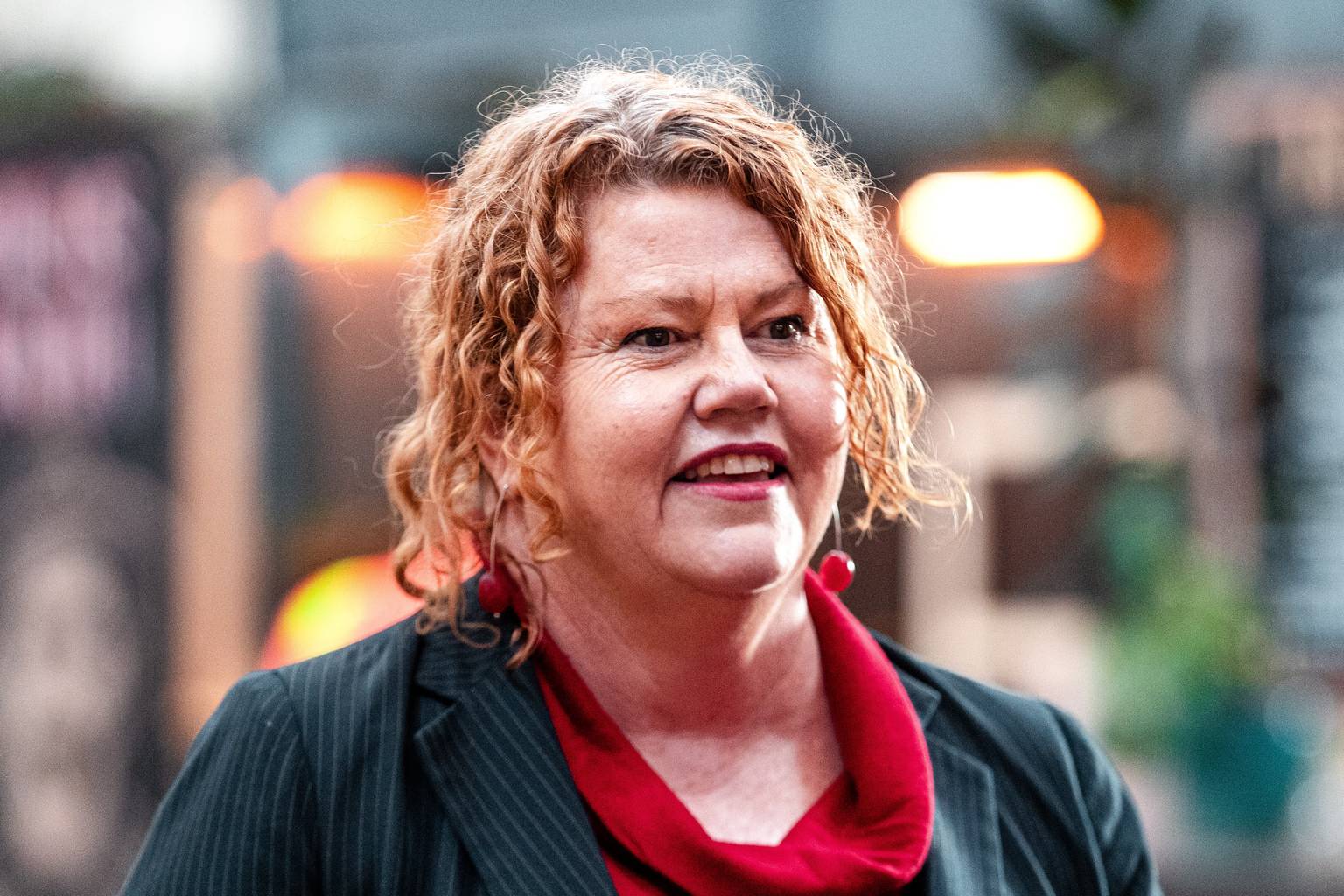
Lord Mayor Anna Reynolds said the decision came after years of work and was driven by evidence of a deeply strained housing market.
“Hobart’s rental market is extremely tight, with vacancy rates around 0.5% to 0.7% – well below what’s needed to stabilise rents,” she said.
“At the same time, up to 840 entire homes are being used as short‑stay accommodation. In a small rental market like ours, that has a real impact.”
Council analysis found about half of short stay properties were previously long-term rentals. Economic modelling estimated each home kept for long-term renters or owner-occupiers delivers around $298,000 in net community benefit.
University of Sydney Emeritus Professor Peter Phibbs, whose research underpins the amendment, said Hobart was following a path taken by cities around the world.
“As the housing crisis has intensified, the mismatch between unregulated short term rental markets and very low vacancy rates has become obvious,” Phibbs said.
The move is the Council’s third attempt to regulate short stay accommodation. Two earlier efforts were knocked back by the Tasmanian Planning Commission, partly because they had not been put to public consultation.
The amendment will now go on public exhibition for 28 days before being referred to the Commission for assessment, which may include public hearings.