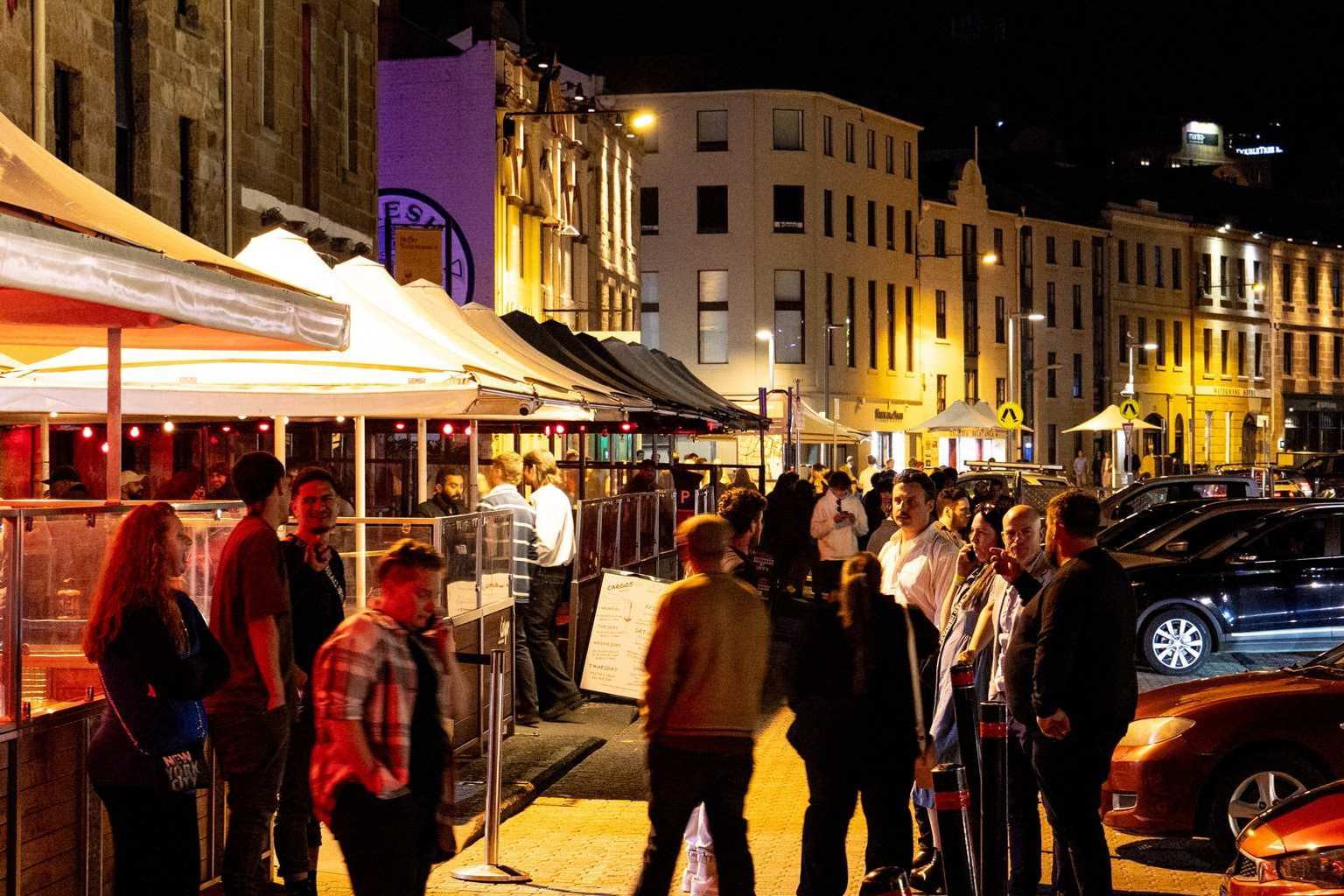
Hobart has been ranked 46th in a new national index of Australia’s night-time economies, way below other capital cities.
Launceston and the north-east climbed 11 places to 67th.
The Visa Australia Night-time Economy Index 2026, released this week, ranks cities, suburbs and regions on after-dark spending along with measures of vibrancy, safety and accessibility.
Melbourne Inner held the top spot, with Sydney City and Inner South just two points behind. Parramatta took third.
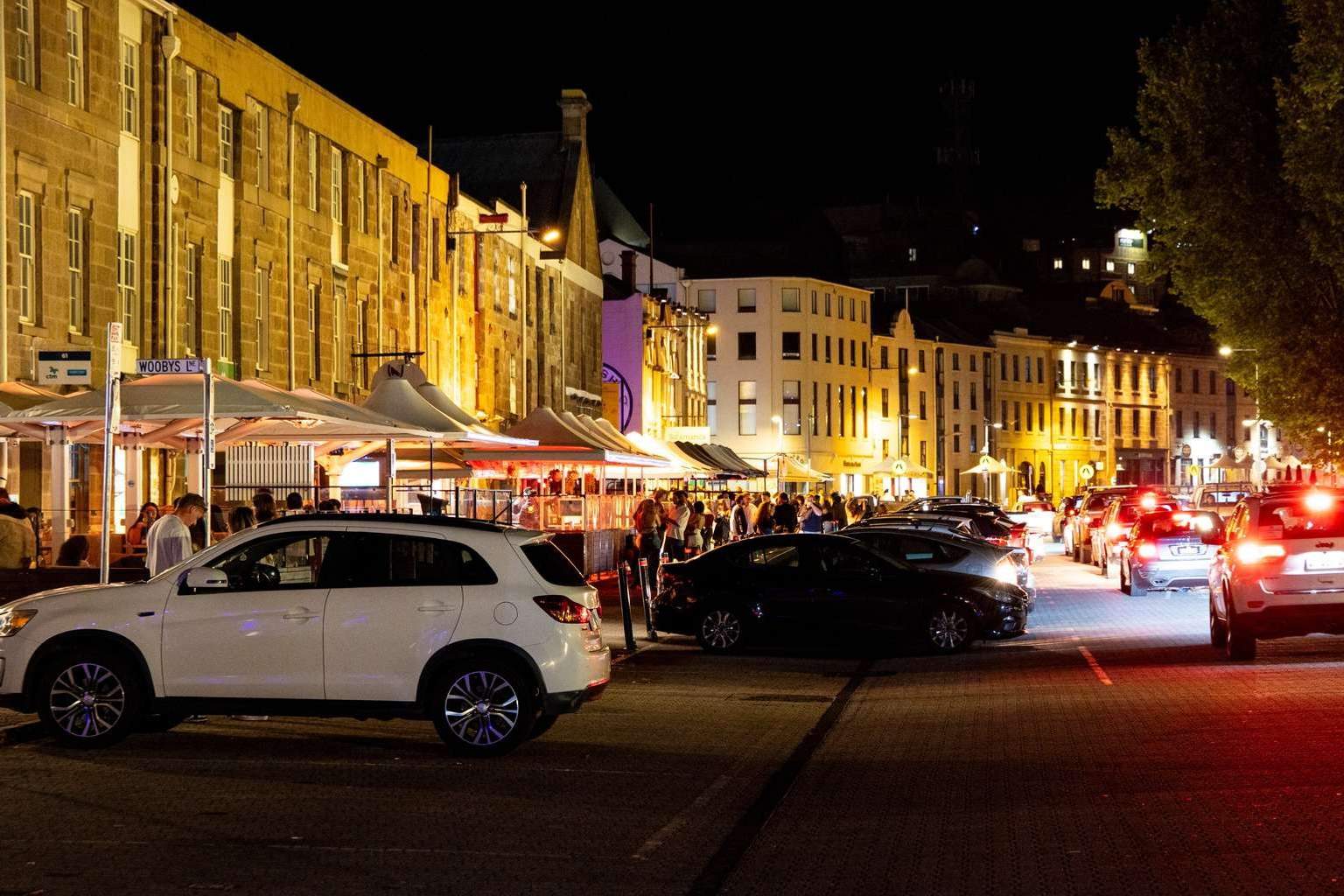
The research also found Australians are heading out 15% more often than last year, at an average of 80.2 nights.
Cost is still a barrier for 60% of people, down from 66% a year ago. Concerns about safety fell from 45% to 34%.
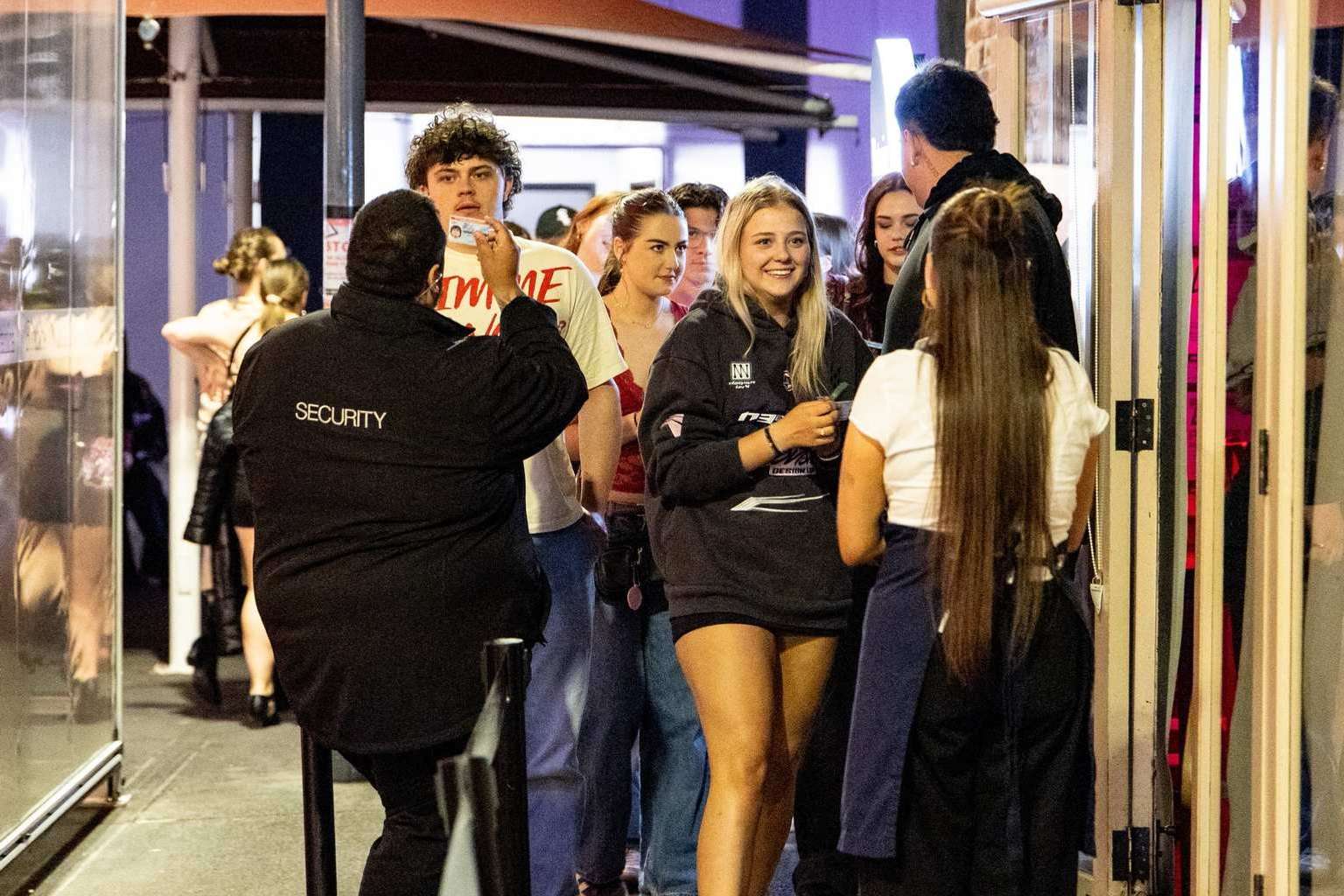
Small businesses were a standout. Some 84% of people said unique local businesses help give an area its character.
“The night-time economy is where people pursue the things they’re passionate about,” said Alan Machet, Group Country Manager at Visa Oceania.
“Whether that’s seeing a favourite artist, going to a sporting event, exploring a night market or trying a new restaurant, these are choices driven by personal interests rather than necessity.”
In Hobart, the Committee for Greater Hobart and TUSA are working to bring more students into the city after dark, with affordability making it harder for young people to take part.
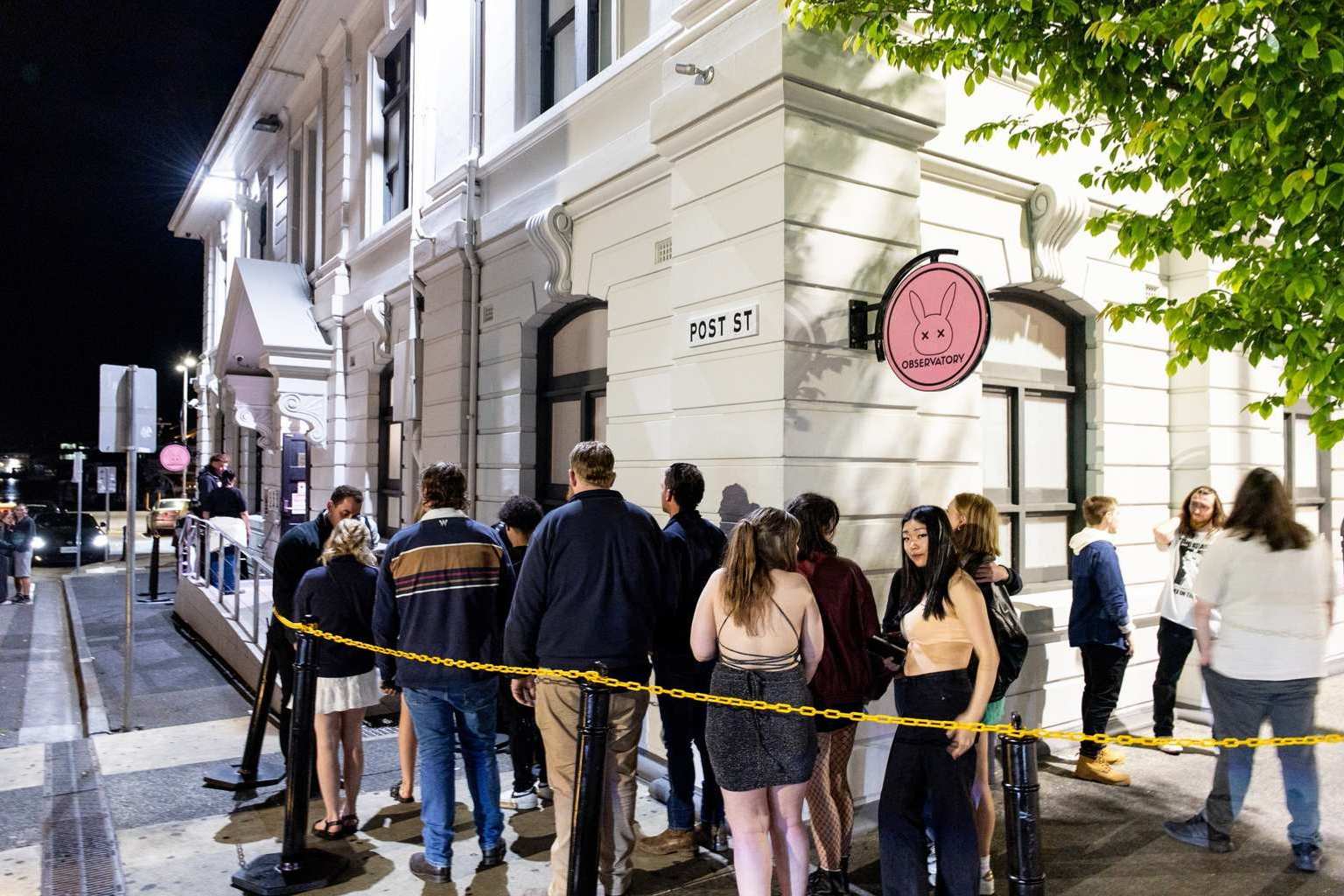
The rankings follow a major industry forum hosted in Hobart in May, which brought together local businesses, state government representatives and night-time economy commissioners from New South Wales and Queensland.
Hobart Lord Mayor Anna Reynolds said the index was “not as comprehensive” as the annual report issued by the Council of Capital City Lord Mayors for more than a decade.
“Most of the ranking is based on spending activity on Visa cards in the area and how much an average person spends at night on their card, including on purchases at home like Uber Eats,” she said.
She said the index did not capture employment, venue and business growth or the share of economic output linked to night-time businesses.
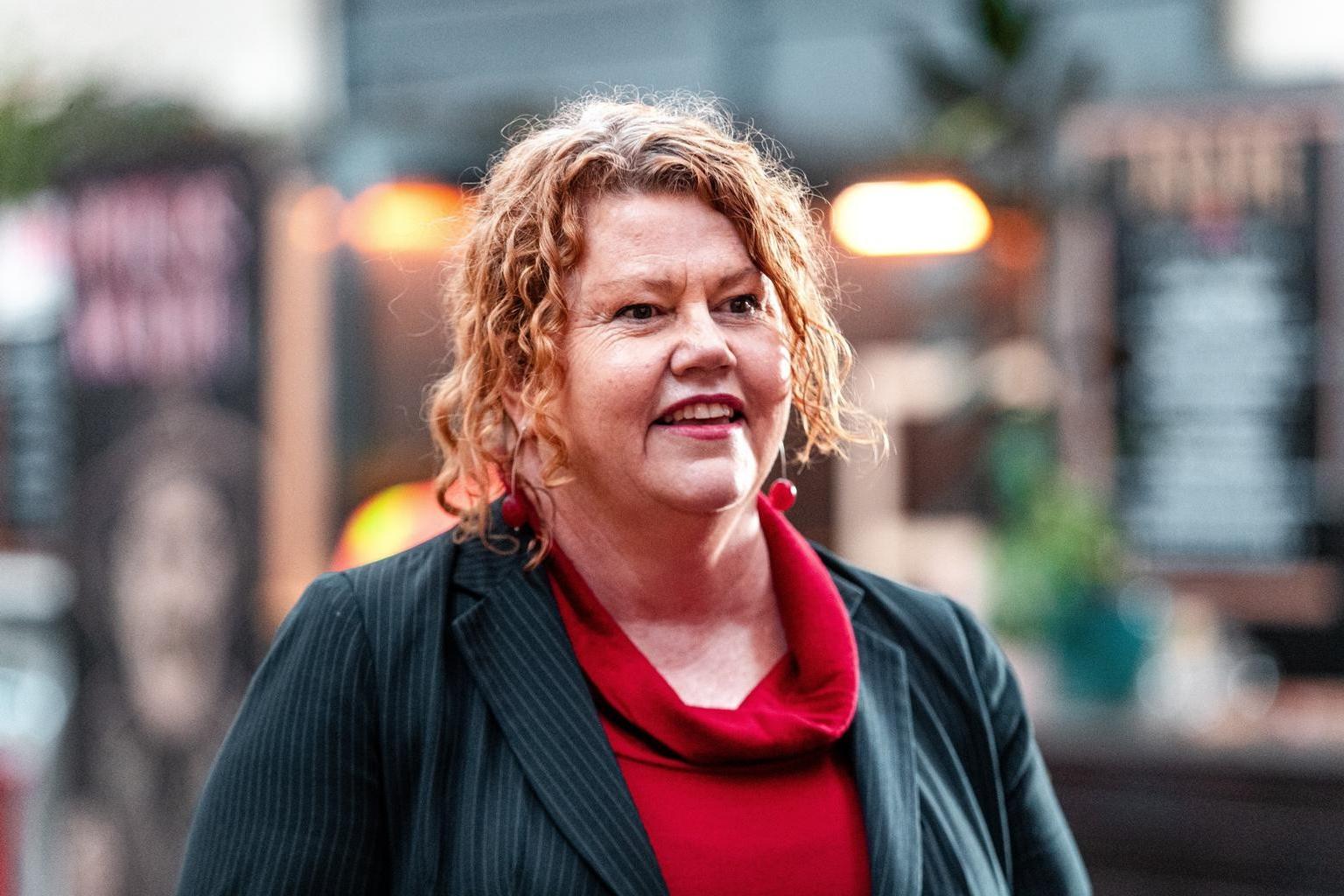
“Those broader measures show central Hobart has a strong night-time economy with a diversity of nationally recognised high-quality restaurants and bars,” she said.
“Of course there’s always more work to do and that’s why growing the night-time economy is a strategic priority for the City.”
In May, Reynolds said the city’s night-time economy supported more than 7,000 jobs and 650 local businesses.
She said late-night public transport would be a strong first step, particularly for young people trying to keep the cost of a night out down.
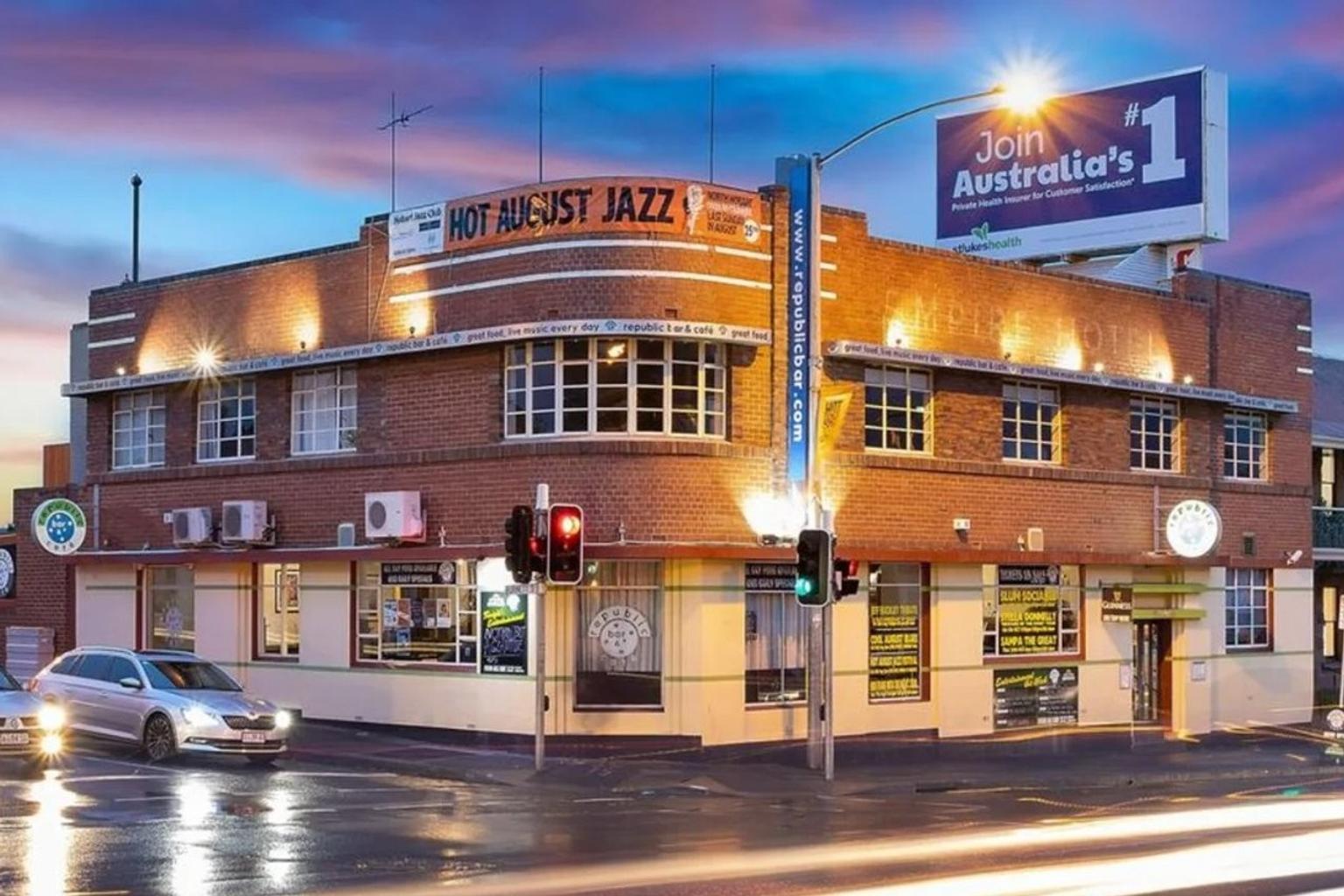
“We need to make sure that enjoying the night-time economy is accessible and is affordable,” she said at the time.
She also called for more to do after dark beyond nightclubs and drinking, pointing to families, older people and arts lovers.
The city’s nightlife took a hit in July when the Pub Banc Group went into voluntary administration, closing seven venues across Salamanca, the waterfront and North Hobart.
Hospitality Tasmania chief executive Steve Old said losing them, even temporarily, was “a significant blow for the city”.
At the time, he singled out Reynolds and other politicians for “quite keenly going around shitcanning industries, trying to get rid of jobs in Tasmania”.