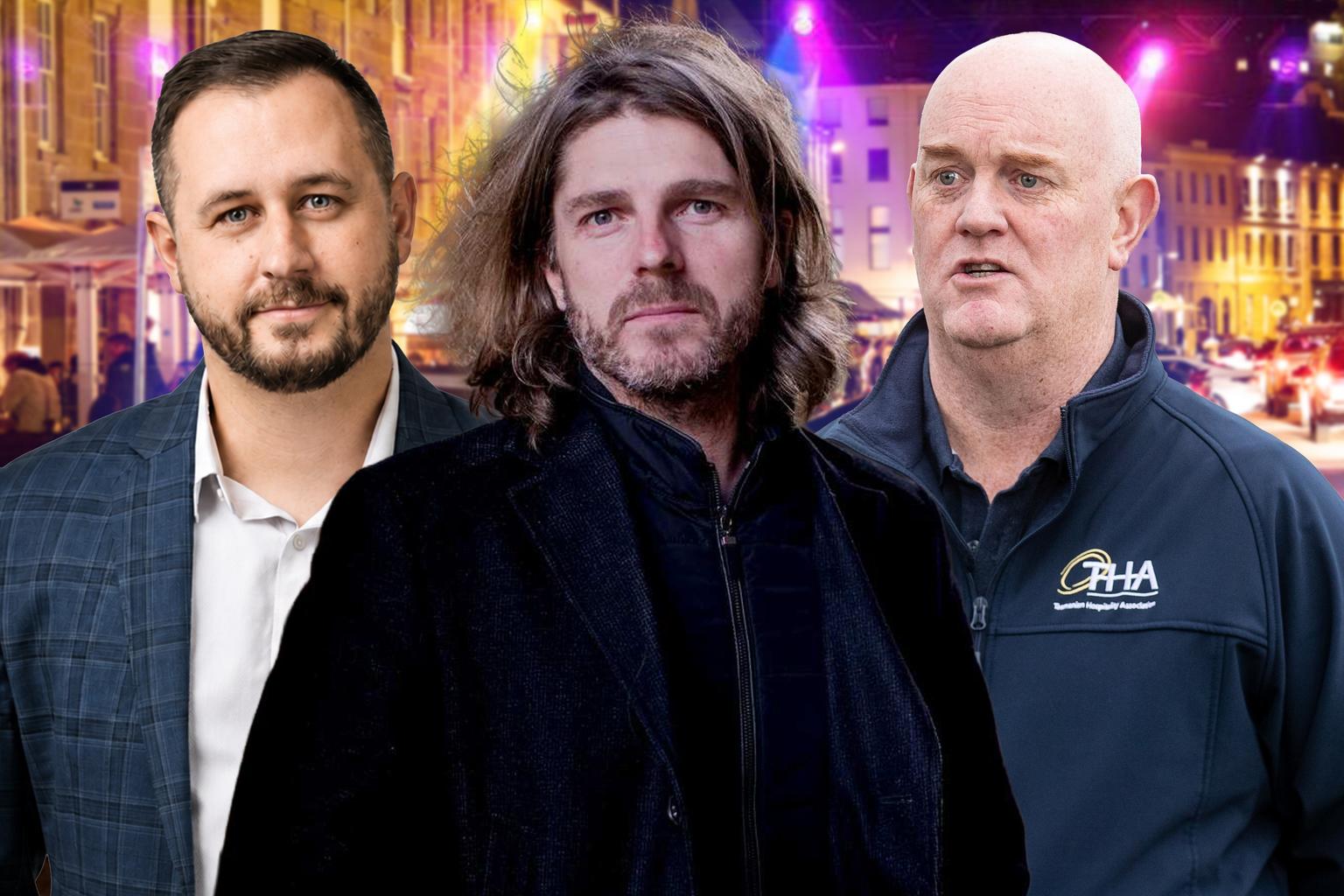
Hobart’s hospitality industry has lashed the City of Hobart’s plan to use pop-up live music venues as the centrepiece of its nightlife revival, saying the council should be backing operators who are already struggling to keep their doors open.
The council’s “Live and Local” pilot program, discussed at a workshop last week, would see pop-up venues and under-used buildings transformed into live music spaces across the city.
But leading venue operators and the state’s peak hospitality body say they weren’t properly consulted and believe the plan misses the mark.
Leigh Carmichael, creative director at DarkLab, which runs inner-city venues including In The Hanging Garden, Altar Bar and the Odeon, said he was excited to see the council focus on the nighttime economy but disappointed by the direction it took.
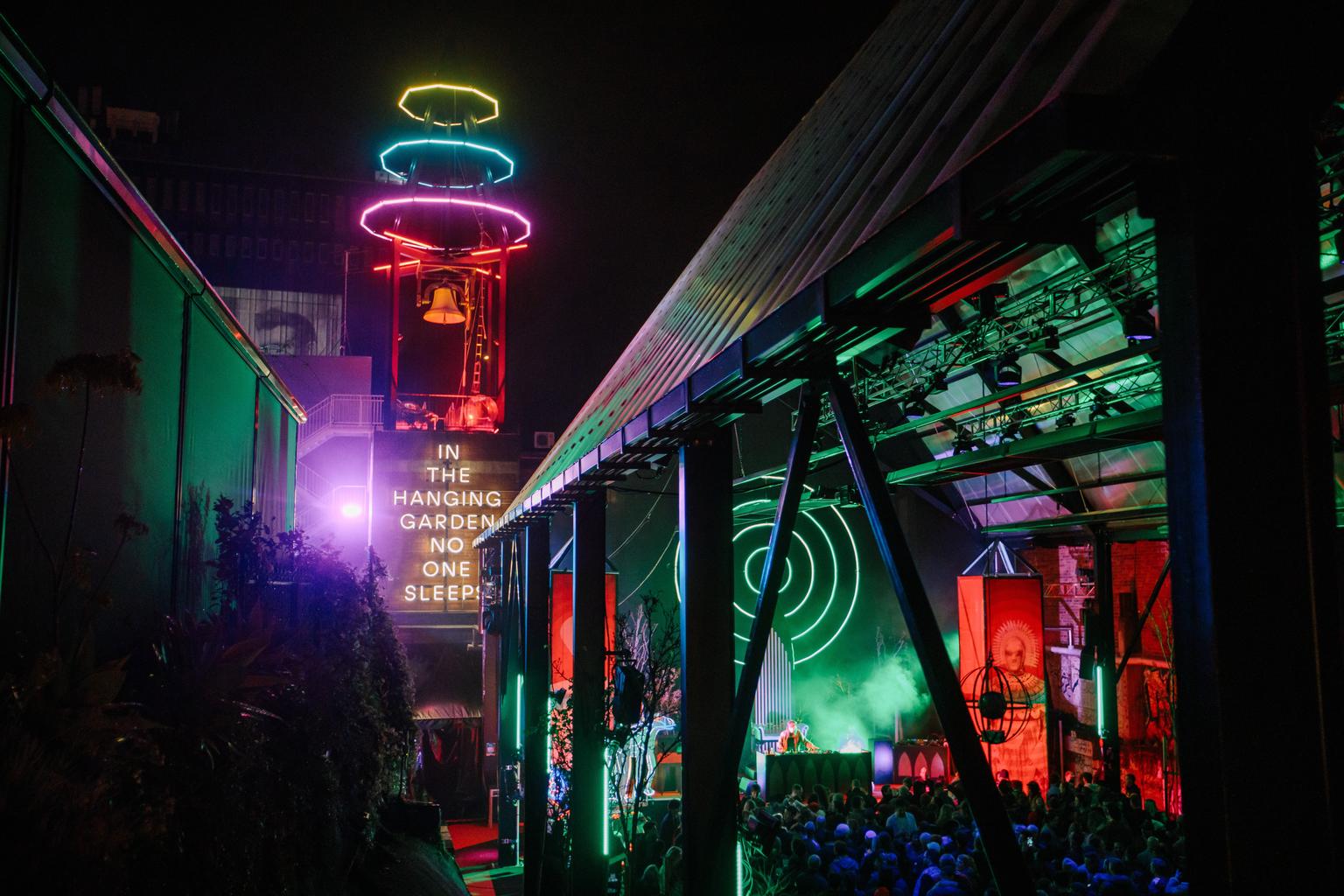
“I was really disappointed to see that they just jumped to pop-up venues,” Carmichael told Pulse.
He said pop-ups are expensive, temporary and leave little behind.
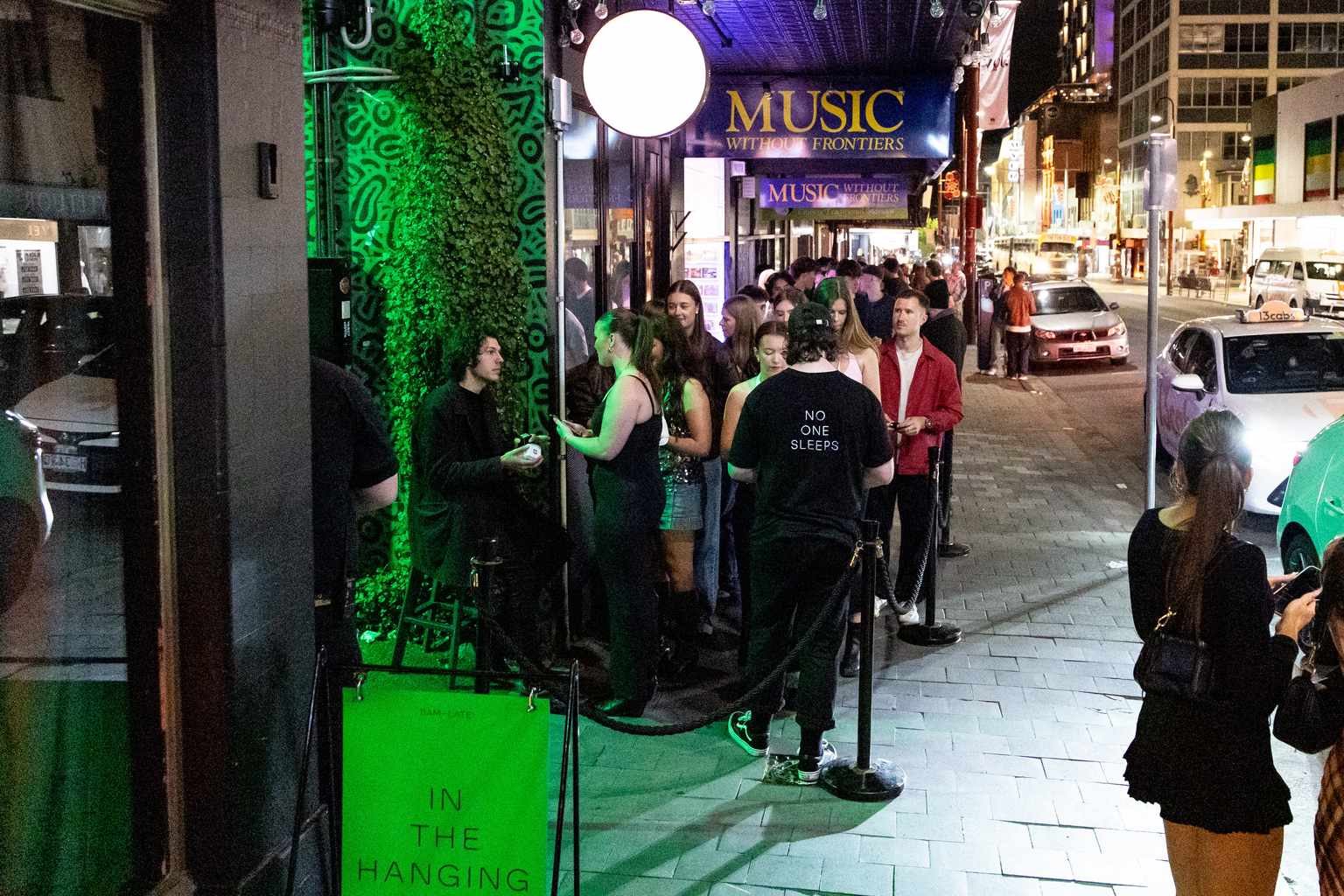
“It would be a real shame to see the council’s energy and resources go into a few of those when there are a number of live music venues in North Hobart, in Salamanca, and then ours in the CBD that are doing this stuff week in, week out, that could really do with the support,” he said.
Carmichael said he wasn’t asking for a handout but urged the council not to waste the opportunity.
“If they sat down and focused on ways they could support what’s already there, I think there would be a better return,” he said.
Brad Saxby, director of popular Salamanca venues Botanica and The Den, said his venues’ engagement with the council had been “virtually non-existent” for years.
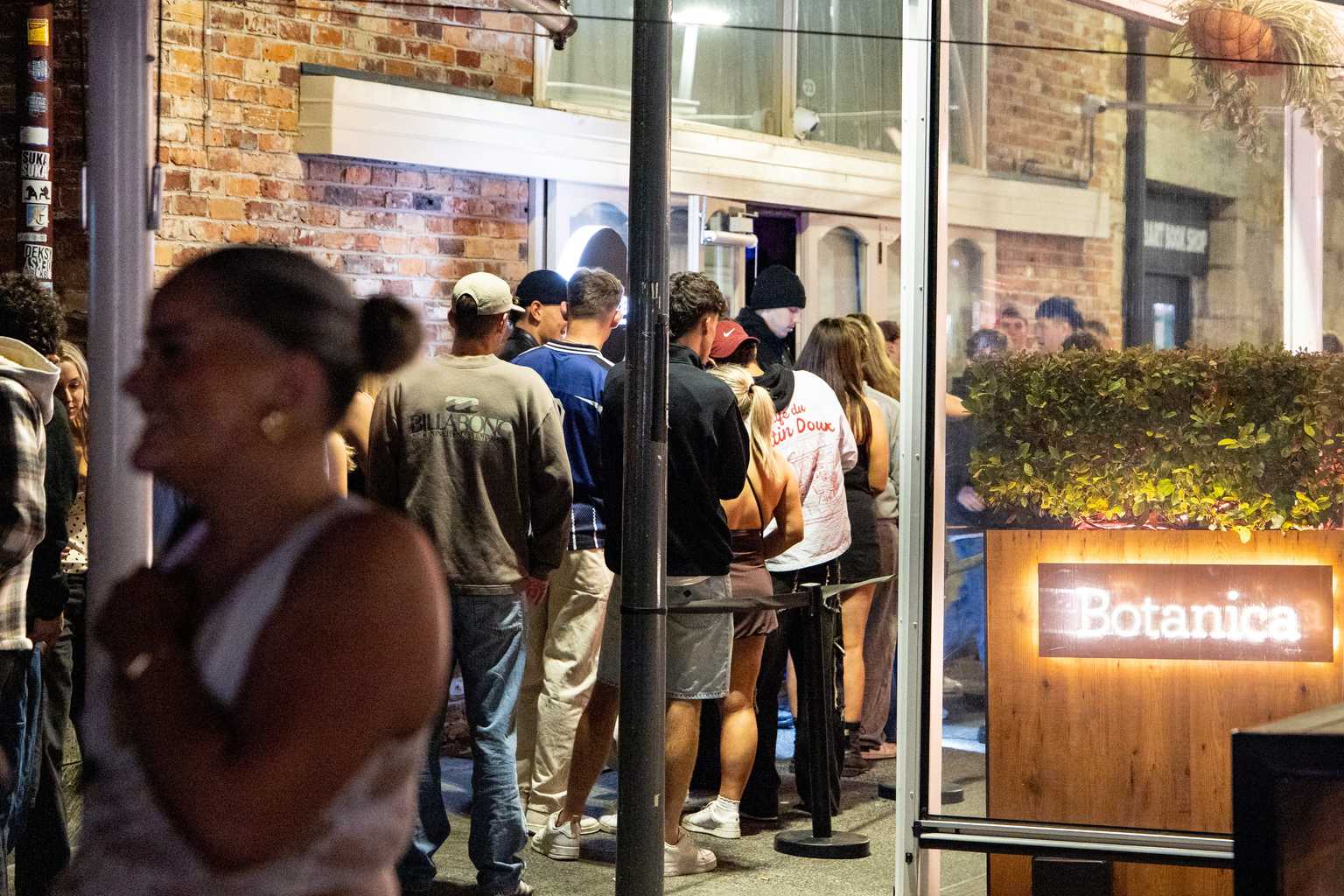
“They seem to shoot from the hip and just go off and do their own initiatives without actually engaging with the community, which is disappointing,” Saxby told Pulse.
He called on the council to cut red tape around live entertainment, particularly in Salamanca, which he described as an entertainment precinct “first and foremost”.
“There’s a lot of venues trying to get entertainment and live music in their venues, but they’ve struggled with council to get that up.”
Steve Old, chief executive of Hospitality Tasmania, said some of the council’s highest-paying ratepayers had been ignored.
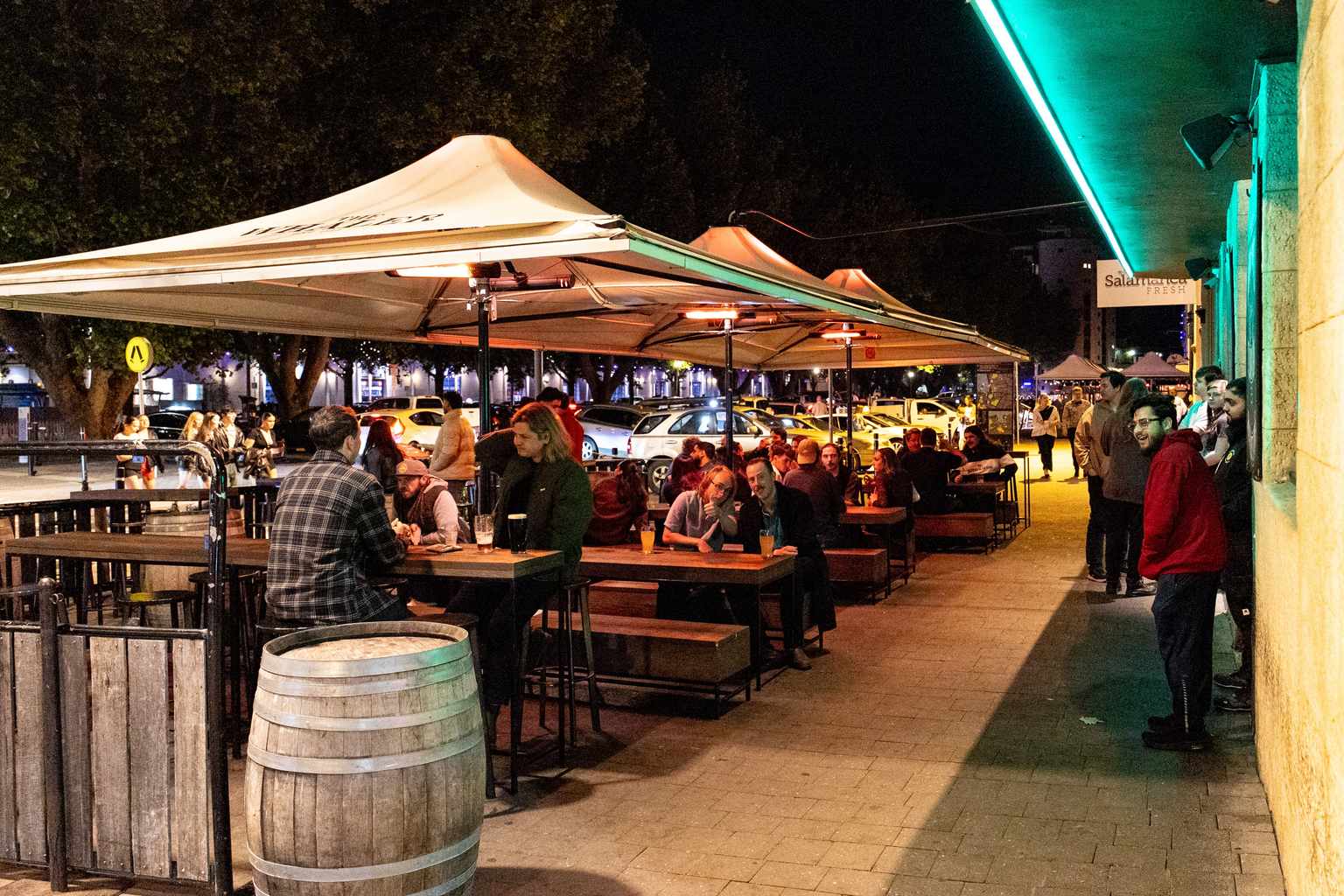
“I think a lot of it’s about local government members trying to get headlines in the media and trying to pretend that they’re trying to do things for industries when they’re actually not,” Old told Pulse.
“We’d encourage them to stop dancing around in the media and actually sit down behind closed doors and work with the industry.”
Hobart alderman Marti Zucco, who has more than 50 years of hospitality experience, said the council had failed to properly engage with venue operators.
“The City of Hobart needs to go back to the drawing board, sit down with local venue operators, hospitality experts and industry stakeholders, and develop solutions that reflect the realities of operating a business in Hobart,” Zucco said.
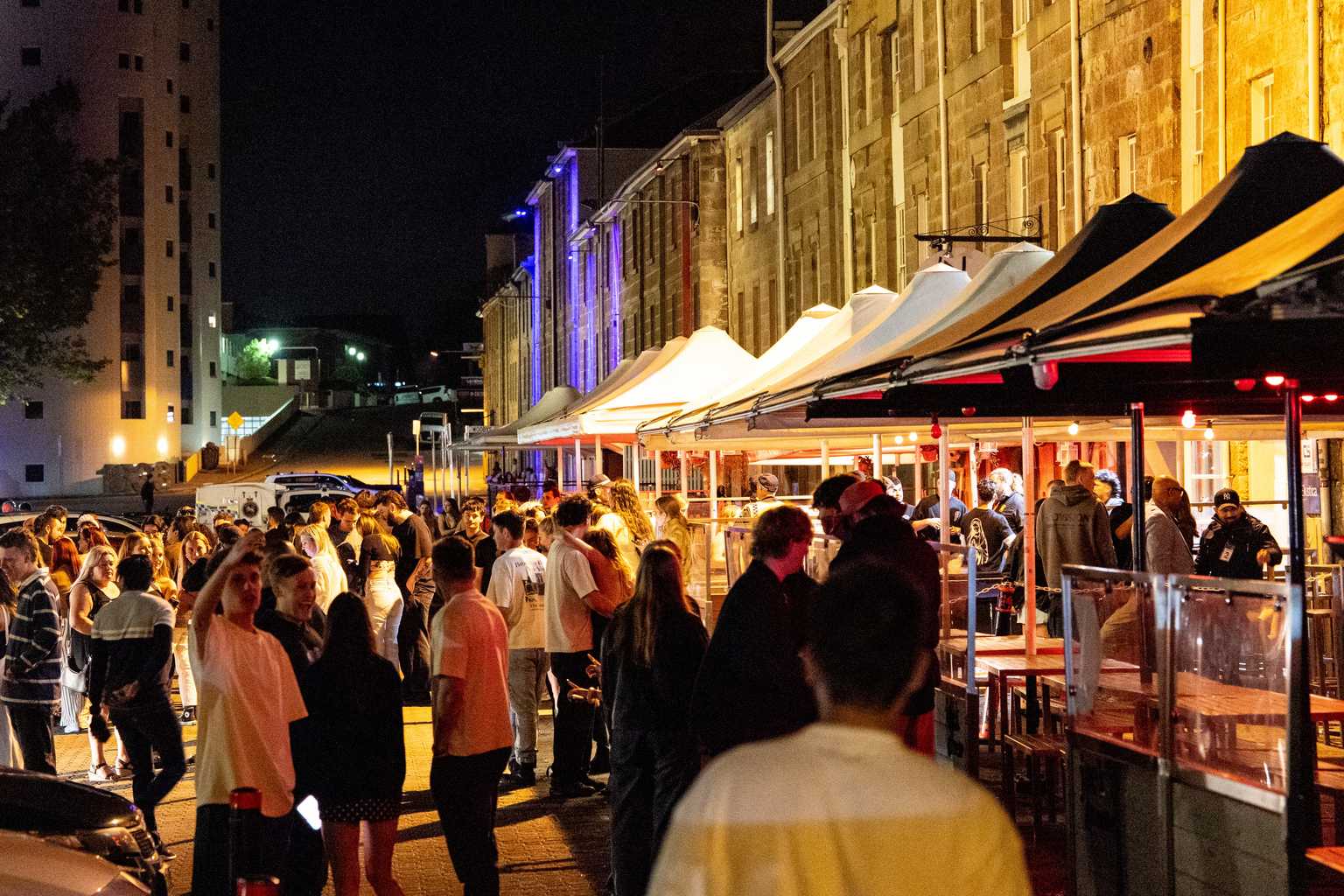
He said he walked out of the council’s recent roundtable after 20 minutes because he couldn’t see any local operators in the room.
The council’s Creative City manager Justyne Wilson told councillors at last week’s workshop that the new Live and Local initiative was a practical way to support city’s night-time economy.
“We’re trying to support the night-time economy, the musicians, the artists, and very importantly, the venue operators that have gone through so much post-Covid,” she said.
The program aims to transform established buildings and venues around the city into regular live music spaces.
Plans for a one-year pilot program are currently being finalised by council in partnership with national music advocacy body the Live Music Office.