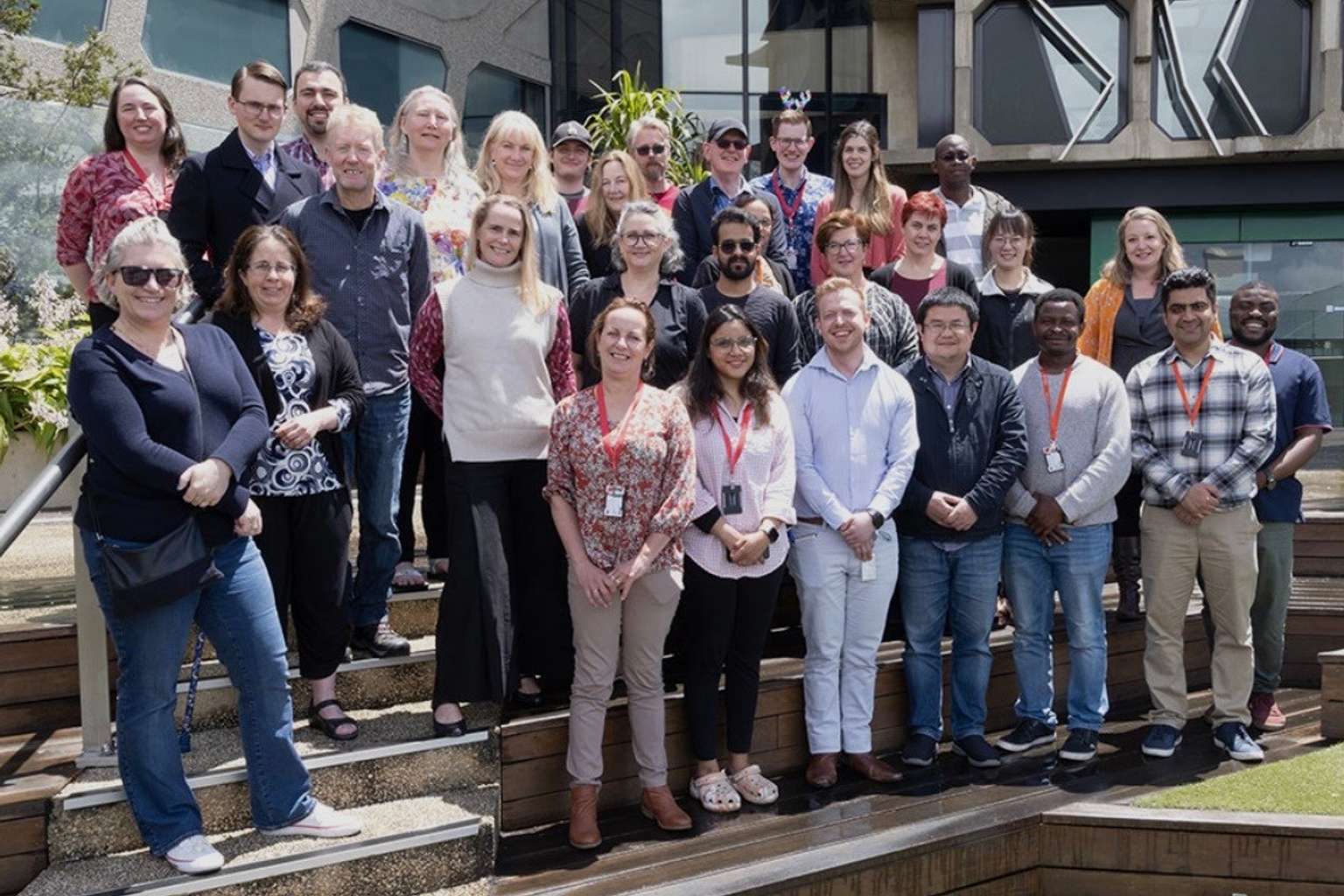
Tasmania’s MS Research Flagship is marking 10 years of work tackling multiple sclerosis, with researchers crediting close collaboration with people living with the disease as the key to its success.
MS is a chronic disease that attacks the central nervous system (the brain, spinal cord and optic nerves).
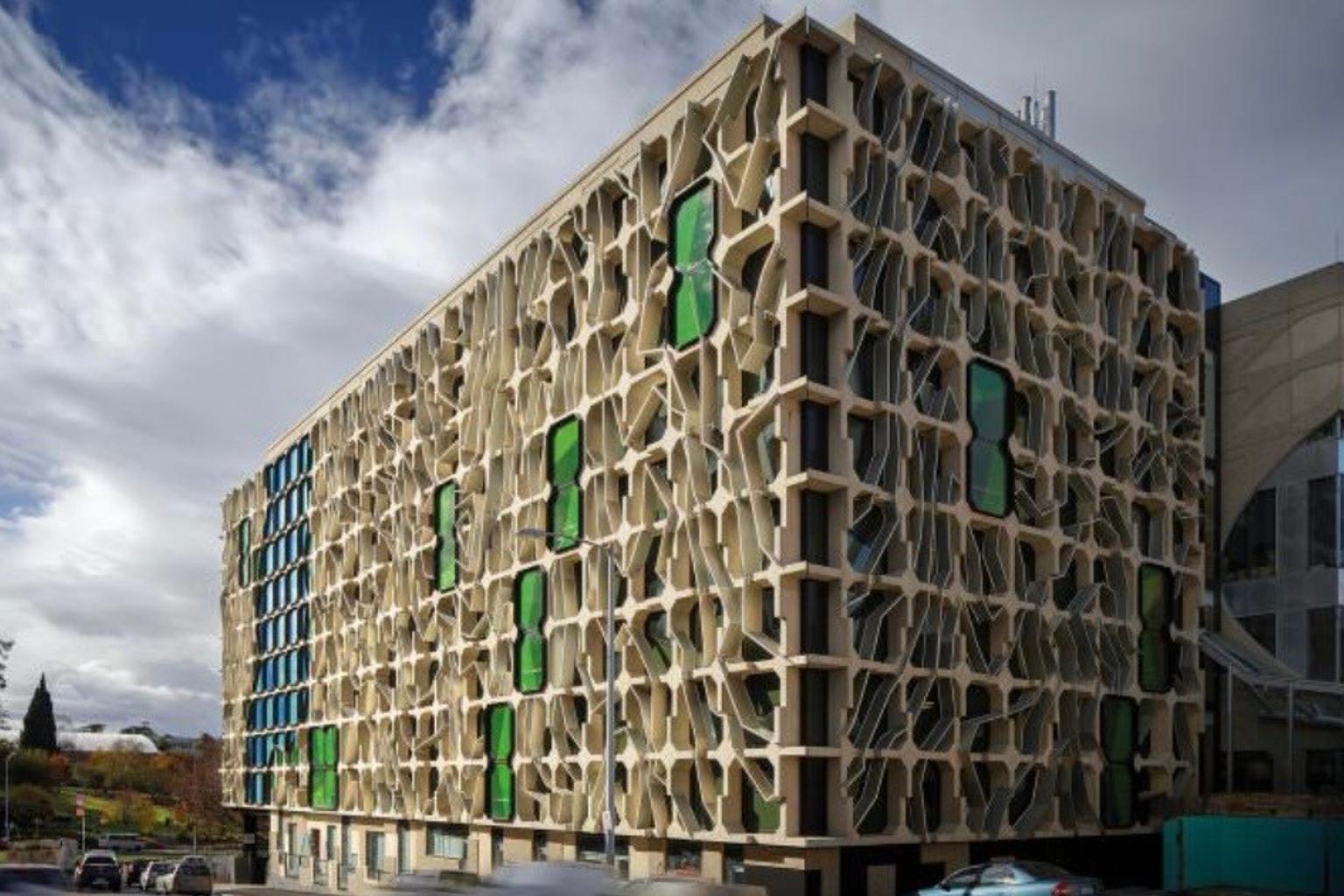
The Flagship, based at the Menzies Institute for Medical Research at the University of Tasmania, has operated on the principle of “nothing about us without us” since its founding in 2016.
Its work is particularly significant in Tasmania, which has the highest rate of MS in the country.
Almost 38,000 Australians live with MS, and the total cost to society now exceeds $3 billion.
Tracey Dickson, Director of the Menzies Institute, said the milestone shows the value of long-term investment and partnership.
“The MS Research Flagship has shown the power of deep, collaborative partnerships,” she said.
“By working closely with people living with MS, we can ensure our research has real impact and reflects what matters most to the MS community.”
A major boost came in 2019 when the federal government’s Medical Research Future Fund invested $10 million in the Flagship’s work.
That funding fast-tracked research into the causes and treatment of MS, including a world-first stem cell biobank and national brain repair clinical trials.
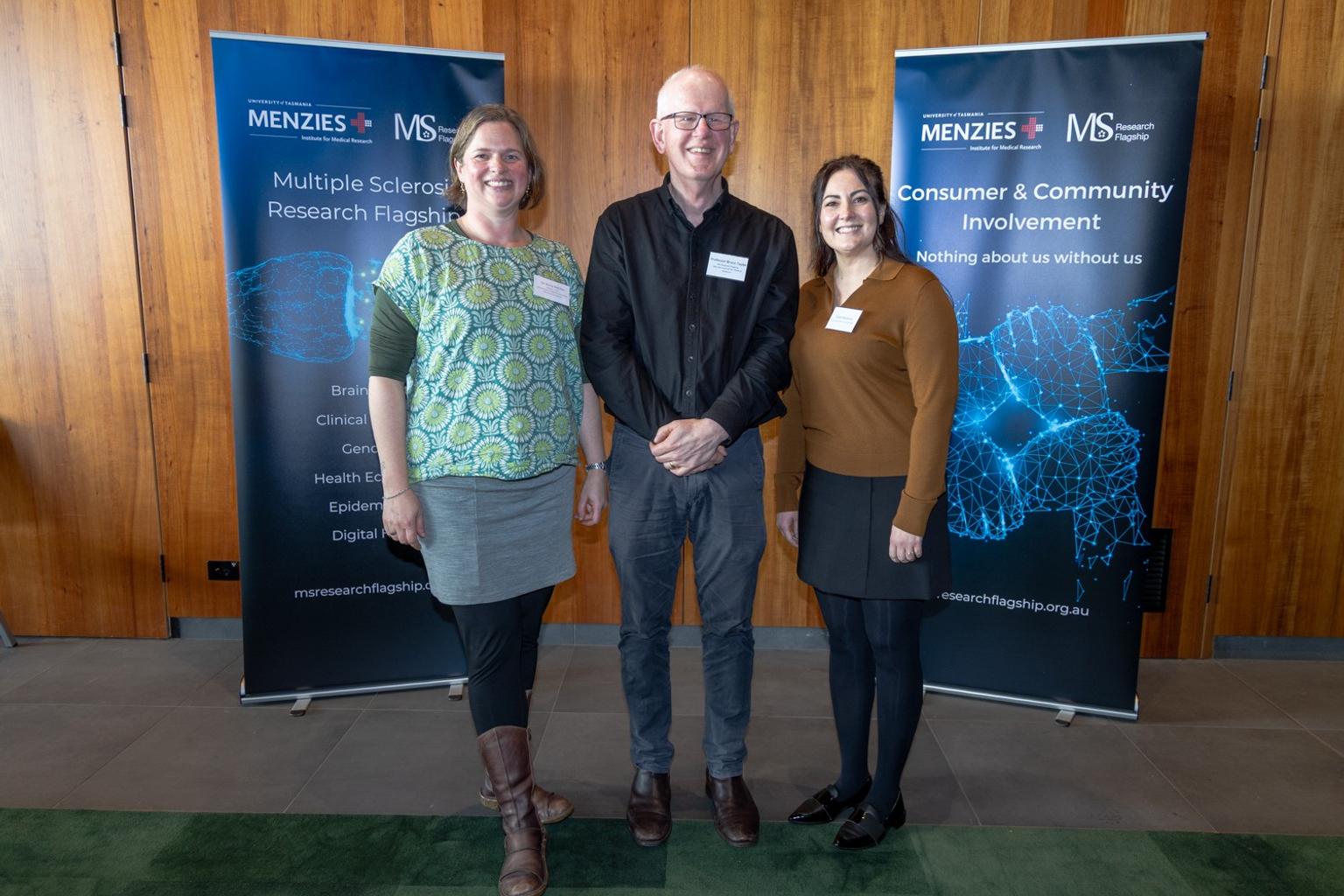
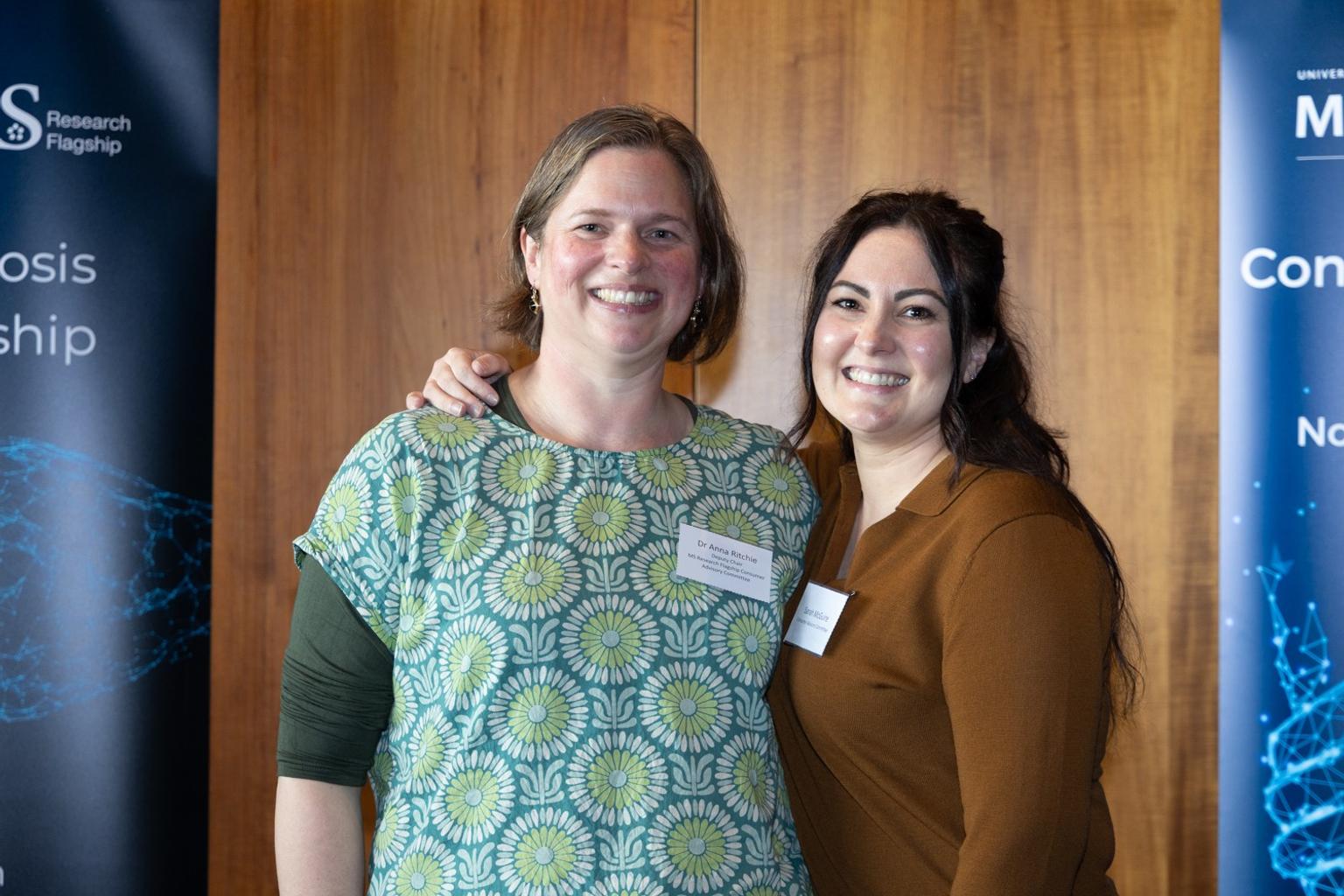
Anna Ritchie, Deputy Chair of the Flagship’s Consumer Advisory Committee and a person living with MS, said the research gives her hope.
“Hope that MS will have as little impact on my life as possible, and on my children’s generation even less,” she said.
“It is wonderful to know that this work is happening right here in Hobart.”
Sarah McGuire, who joined the committee in 2024, said she values the chance to contribute her experience.
“It’s empowering to know my lived experience is helping shape the direction of research,” she said.
Bruce Taylor, a neurologist and Academic Lead of the Flagship, said translating lab work into real outcomes has been a standout achievement.
“From brain repair trials to new ways of understanding treatment impact, we are building a pipeline that connects discovery with real-world benefit,” he said.
The Flagship’s free online courses have reached more than 73,000 participants across more than 180 countries.
In 2024, new federal funding through the NHMRC established a Multiple Sclerosis Centre of Research Excellence at Menzies, with a goal of making MS a disease without disability.
Dickson said the next decade would focus on moving beyond understanding the disease to preventing it.
“Ensuring people living with MS have the best possible treatments and quality of life,” she said.