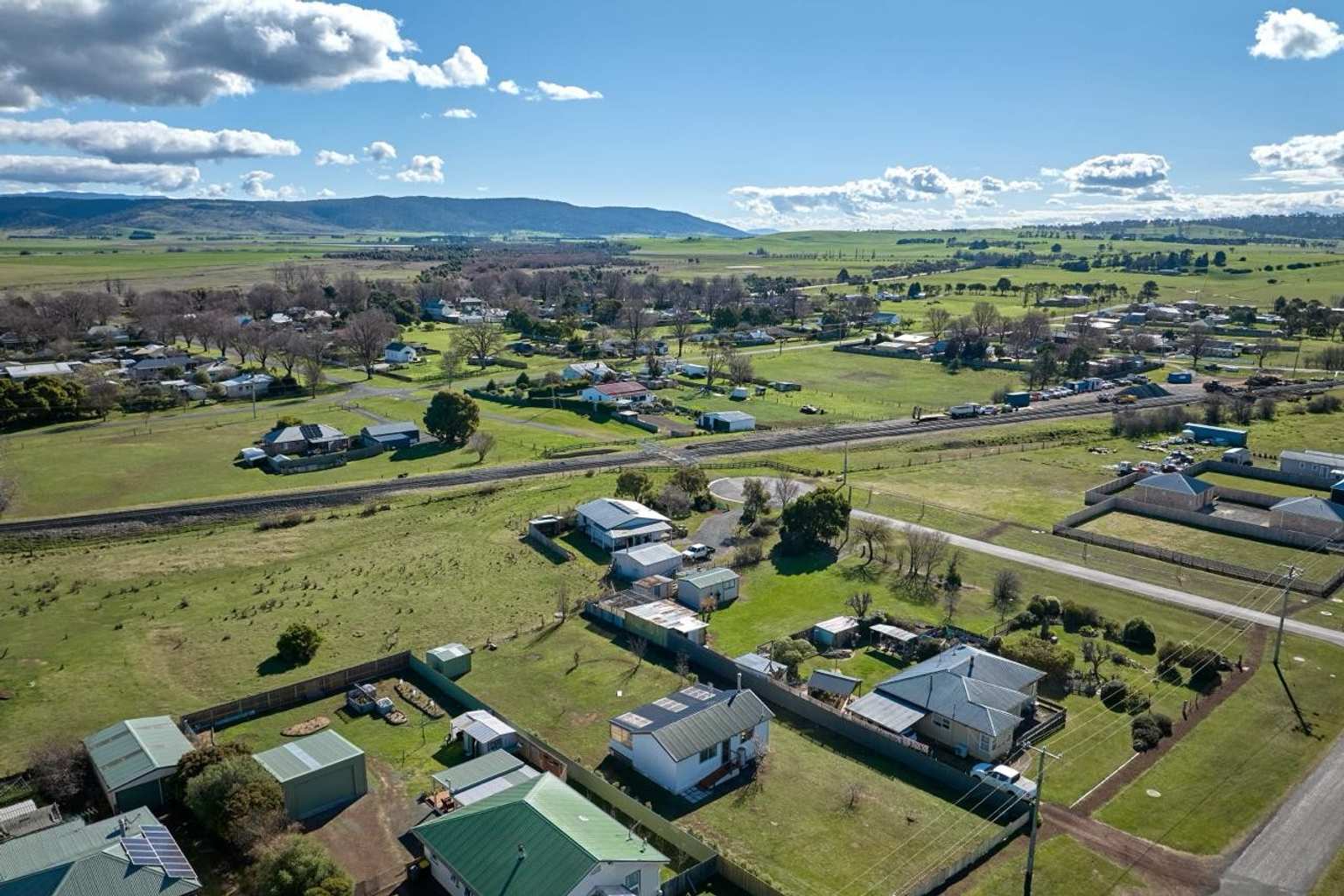
Housing affordability in regional Tasmania has fallen to its lowest level on record, with new figures showing it is the only part of the country less affordable than its own capital city.
The Housing Industry Association (HIA) released its quarterly Affordability Report today.
According to the report, the index for regional Tasmania fell 6% in the June quarter, the third steepest decline of any market behind Darwin and regional Western Australia.
Over the year it fell 12.9% to a reading of 58.5, its weakest on record.
A household buying a typical home in regional Tasmania now needs 1.7 average incomes to service the mortgage, the report found, compared with 1.4 in Hobart.
The HIA considers a home affordable when it can be serviced on no more than 30% of the annual earnings of a single average income earner.
HIA Tasmania executive director Benjamin Price said the gap between the regions and the capital was what stood out.
“Everywhere else in the country, moving out of the capital city buys you some relief, but in Tasmania it does not,” Price said.
“That has been the case for a while now and this quarter it has reached a record.”
Hobart also went backwards, the report showed, dropping 5.2% in the quarter and 9.7% over the year to a reading of 72.

Median dwelling prices across regional Tasmania rose 15.1% over the year, while Tasmanian average earnings grew 3%, one of the slowest rates in the country.
Typical monthly mortgage repayments have reached $3,430 in regional Tasmania, up 18.3% over the year and $4,048 in Hobart, up 14%.
“Prices here kept rising while Sydney and Melbourne came off and our wages have grown more slowly than most of the country,” Price said.
“Tasmania got the interest rate rises without the price relief, so the gap widened faster here.”
Nationally, the index fell 3.1% in the June quarter to its lowest level since the series began in 1994.
Affordability went backwards in every market, including those where prices are now falling.
Price said falling prices would not fix the underlying problem.
“Lower prices and lower costs are not the same thing,” he said.
“The way to improve this in Tasmania is to reduce the cost of land and construction.”
The industry body wants a planning system that works consistently across every council, serviced land brought to market faster and proper funding for infrastructure.
“Every charge added to a new home is paid for by the Tasmanian buying it,” Price said.