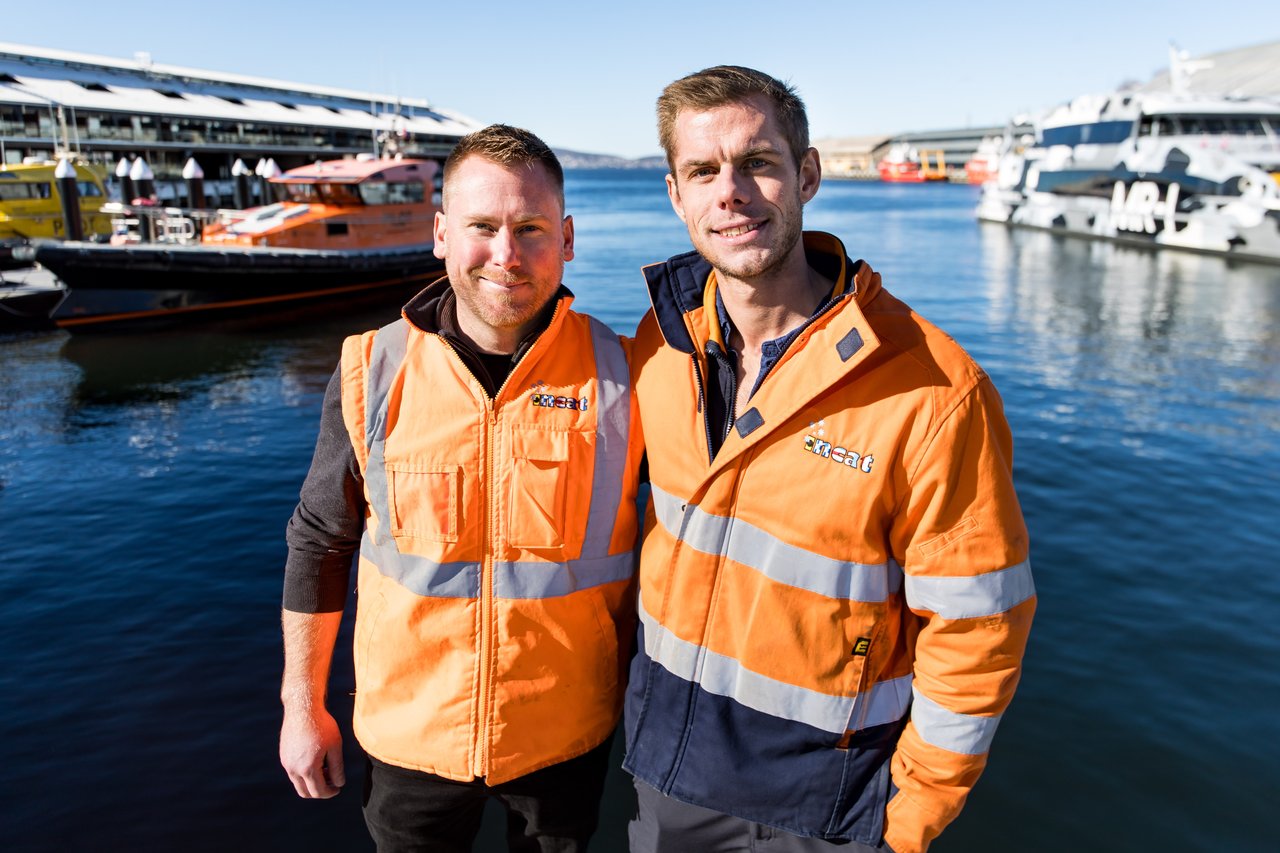
Two years of planning, problem-solving and teamwork came down to a few hours on the River Derwent for Incat project manager Sean Lowrie.
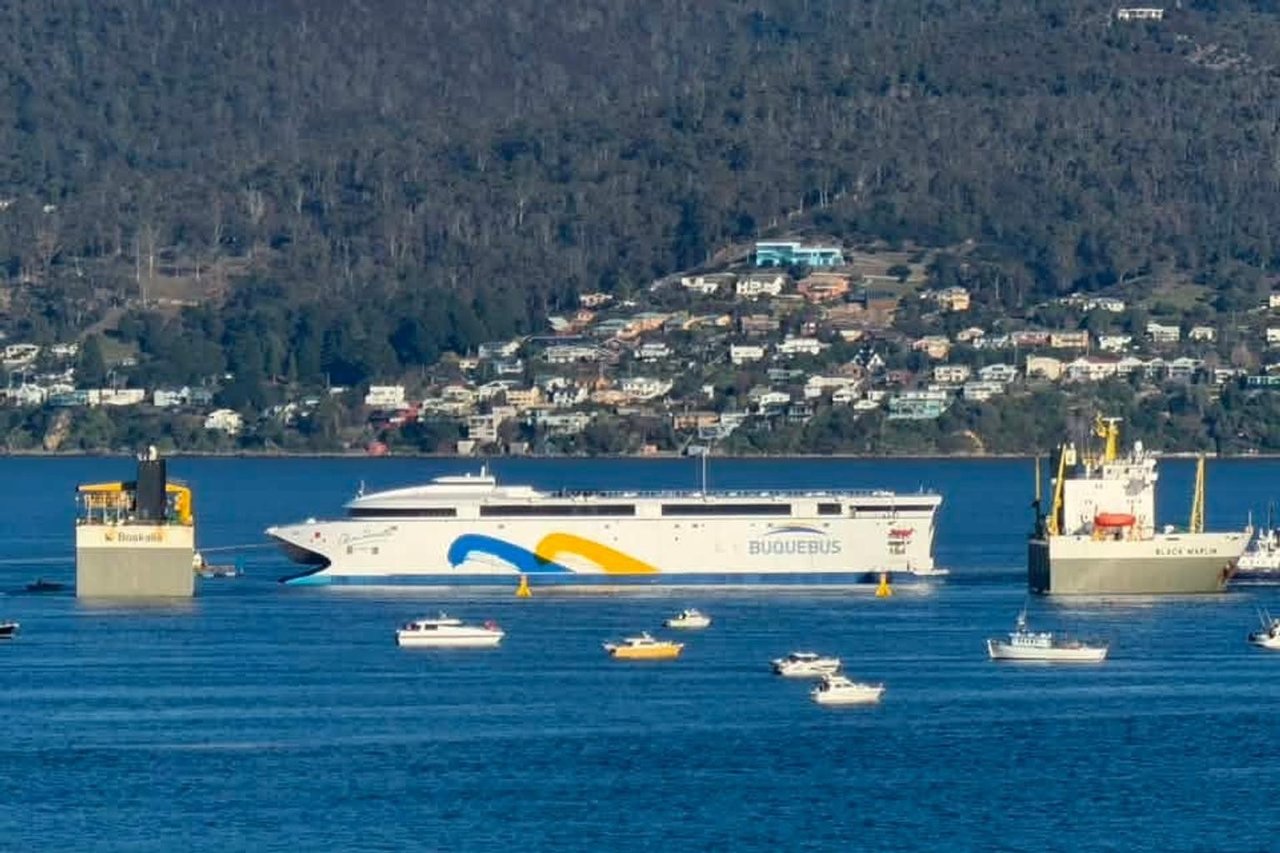
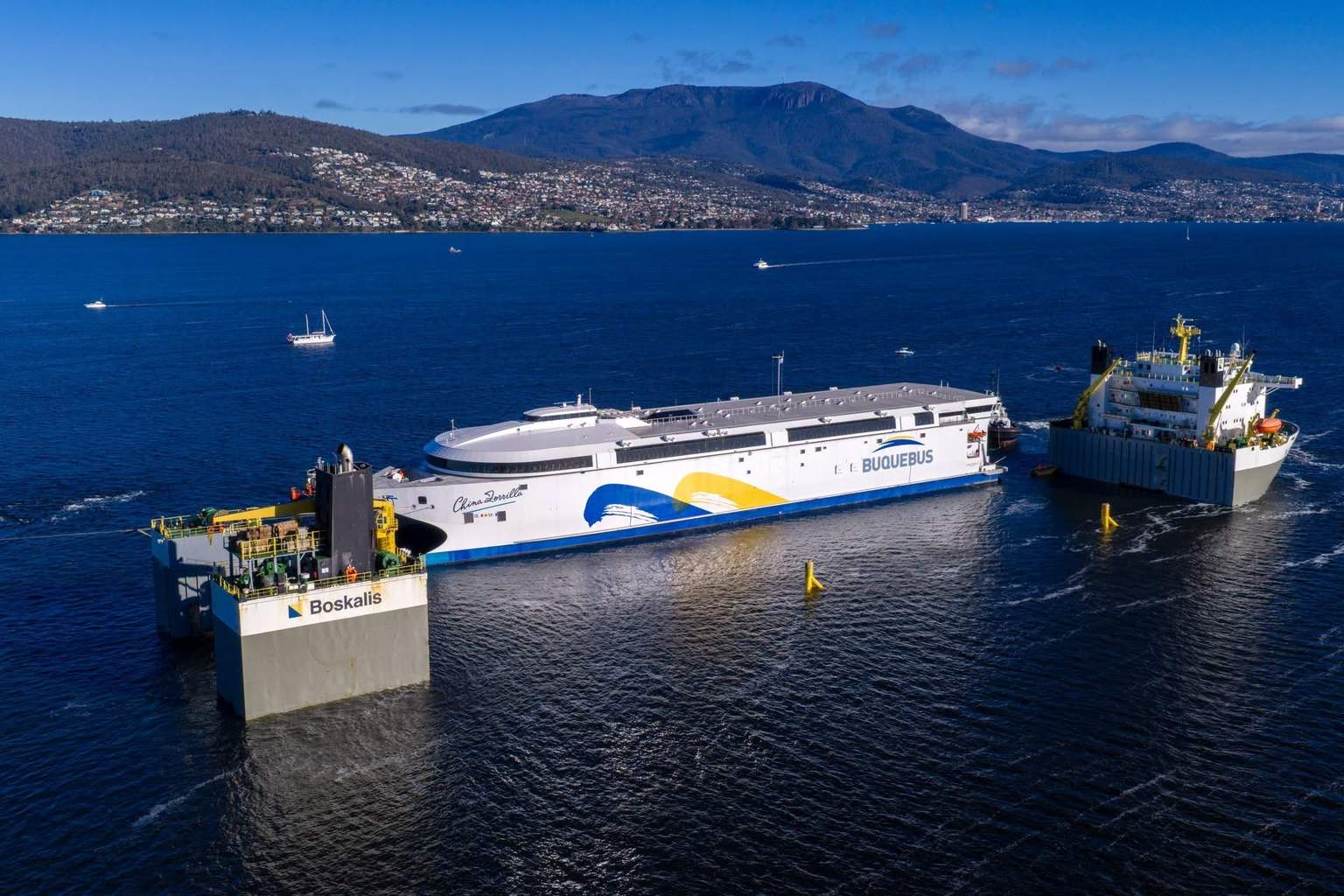
The successful loading of Hull 096 onto the heavy-lift vessel Black Marlin marked a major milestone for Lowrie and the wider Incat team, bringing years of work on the record-breaking battery-electric ferry closer to delivery in South America.
Lowrie was part of the project management team supporting the many trades involved in building Hull 096, from welders and fabricators to electricians and designers.
“It’s a momentous day for us and hopefully Tasmania as well,” he said.
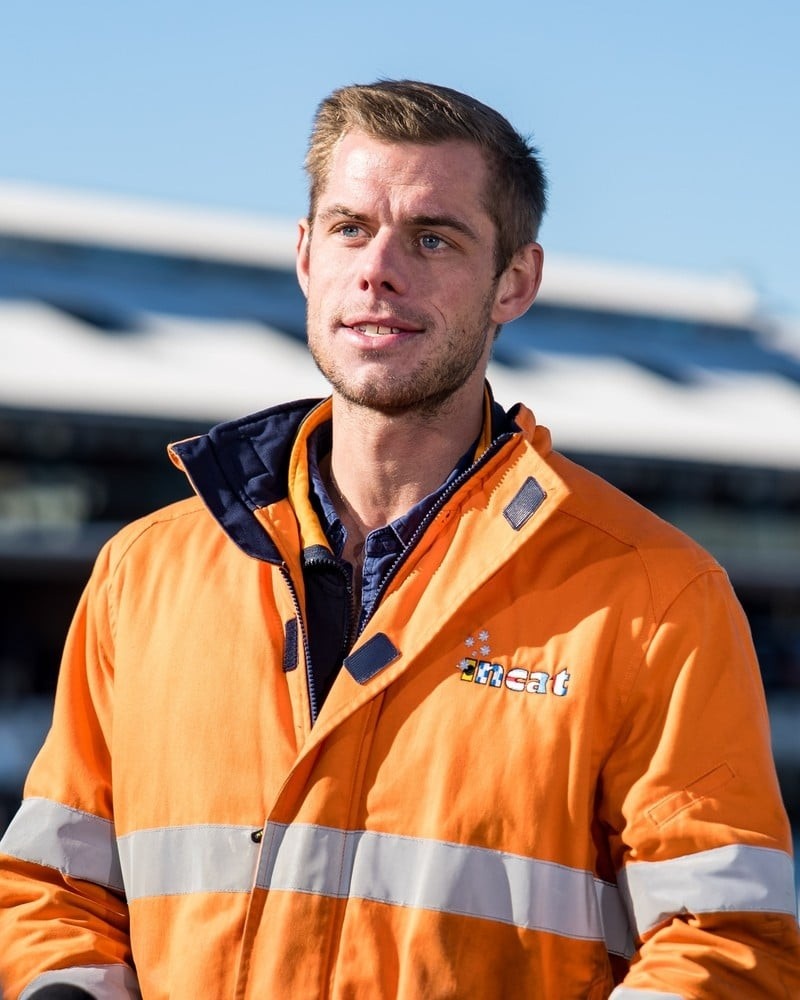
“To see it go down the river, it’s been a long time coming.”
“It’s amazing to see something of this size and this scale on a global sense finally go down the river and make its way down to South America.”
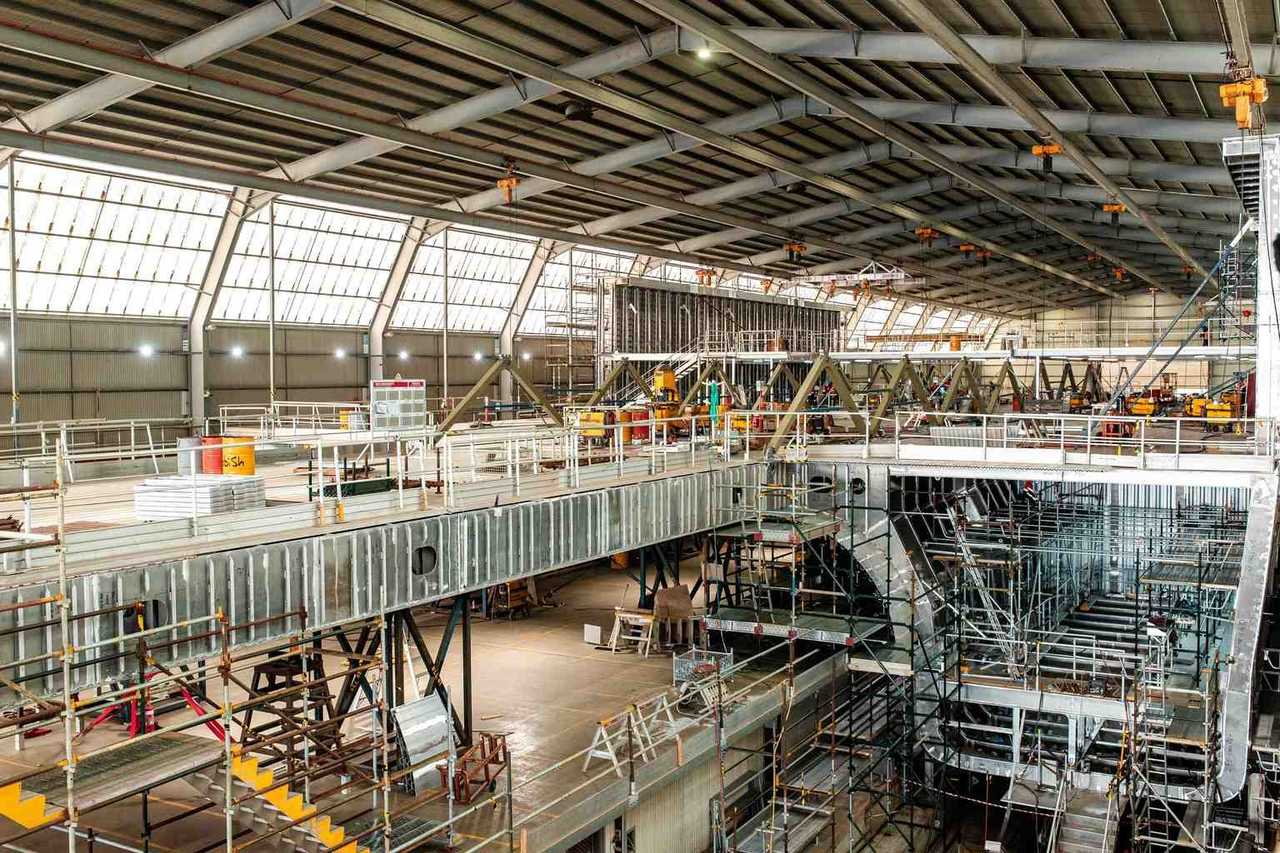
Founded in Hobart in 1988 by shipbuilder Robert Clifford, Incat has grown from a small Tasmanian shipyard into one of the world’s leading builders of high-speed aluminium vessels.
The Prince of Wales Bay company has delivered more than 100 vessels to operators around the world, and has become a significant part of Tasmania’s manufacturing industry, employing about 500 workers.
Its shift into large-scale electric shipbuilding has positioned the company at the forefront of the global transition to cleaner maritime transport.
Lowrie said the transition to electric technology presented one of the biggest challenges of the project.
“Biggest challenge for the entire project was probably, I guess, just getting an understanding of the new technical capabilities we need to electrify a vessel,” he said.
“Something on this scale, it is the world’s largest electric vehicle and to understand that and transition from where we have previously been a diesel engine operator, that’s probably been the biggest task.”
The successful loading operation was the result of months of preparation involving Incat, Buquebus, heavy-lift operator Boskalis and TasPorts.
Lowrie said there was a strong sense of pride among the Incat workforce as the vessel prepared to depart the River Derwent.
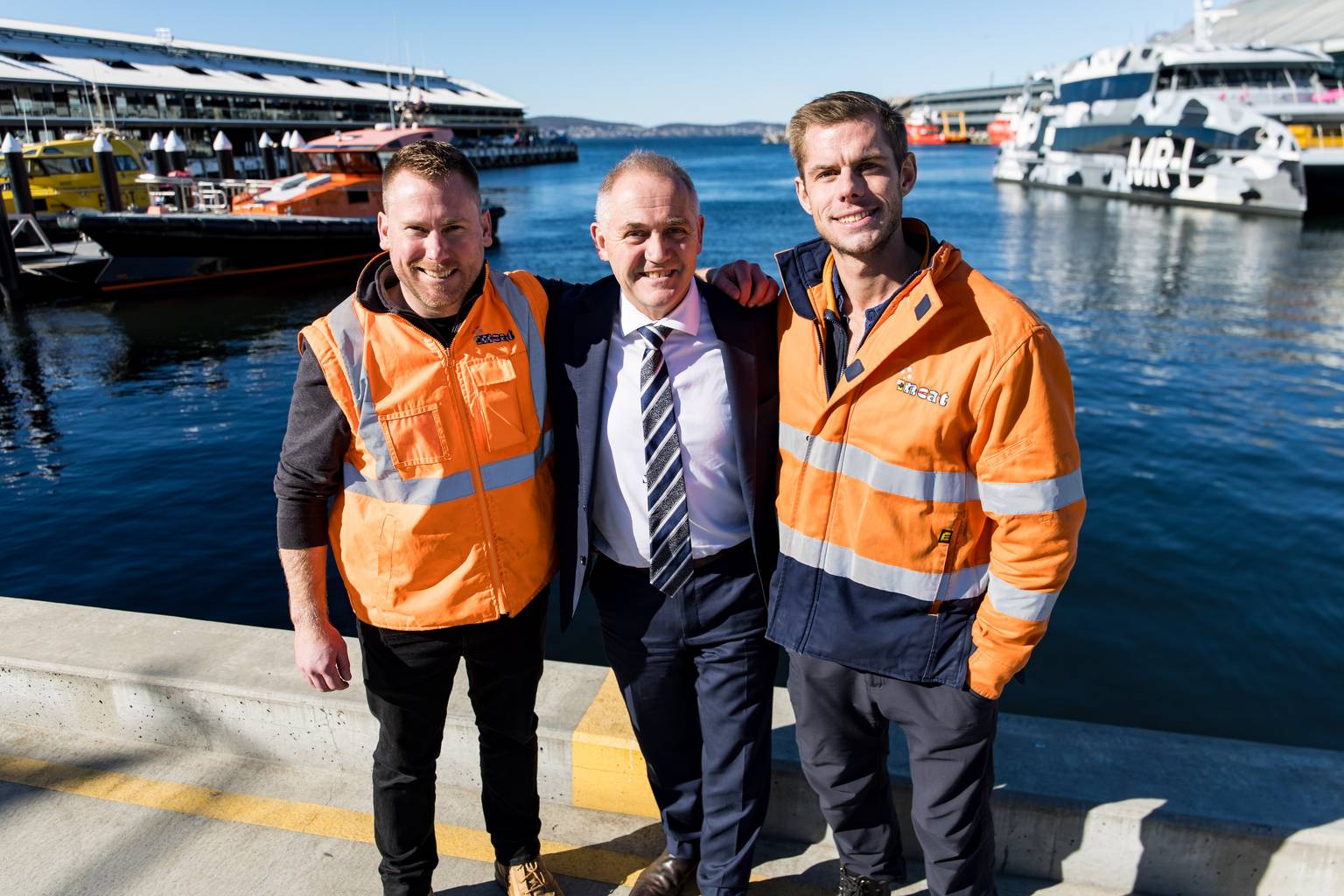
“We had a lot of guys and a lot of workers that came out on the water today to help celebrate and to show support for Incat and for everyone else involved in Tasmania,” he said.
“There’s been a lot of sense of pride, a lot of excitement and now we look to the new project and going forward that will be, yeah, our next possibility to show the world what we can do out at Incat.”
While Hull 096 will soon be operating thousands of kilometres away, Lowrie said its departure was a reflection of the quality of Tasmania’s shipbuilding workforce.
“It’s amazing some of our vessels are 45 years old and are still operating in Greece and across Europe and it’s just a testament to what the Incat workforce build,” he said.
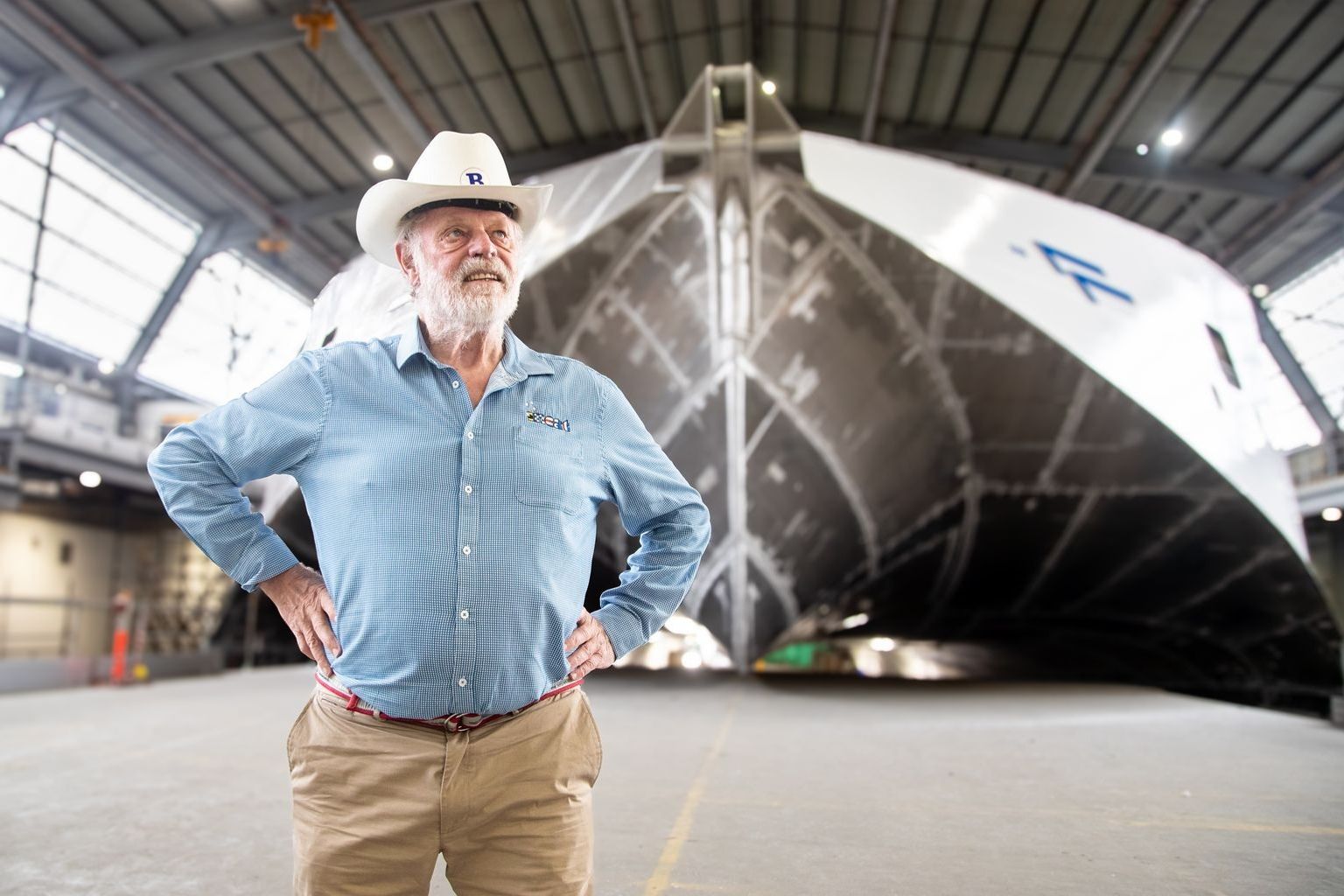
With three more large electric ferries under construction for Danish operator Mols-Linien, Lowrie said the experience gained from Hull 096 would help shape future projects.
“Yeah, process does get a little bit smoother now with future vessels. I think it holds us in good stead for the new 3 vessels,” he said.
“We will be ready to sort of take any technology that comes at us.”
“But yeah, we are excited for the next projects and look forward to it.”
Incat head of public relations and corporate affairs Tom Cooper said the successful loading marked one of the biggest days in the company’s history.
“We saw the world’s biggest electric ship loaded onto one of the world’s largest heavy lift vessels,” he said.
“So it was an amazing sight and everything went to plan.”
“We couldn’t be happier with the end result, the culmination of years of work on this project, which has literally been the most significant project in Incat’s history,” he said.