A three-month agreement between the government and RACT to deliver TasInsure has passed its term, with Labor demanding to know what it has cost and achieved.
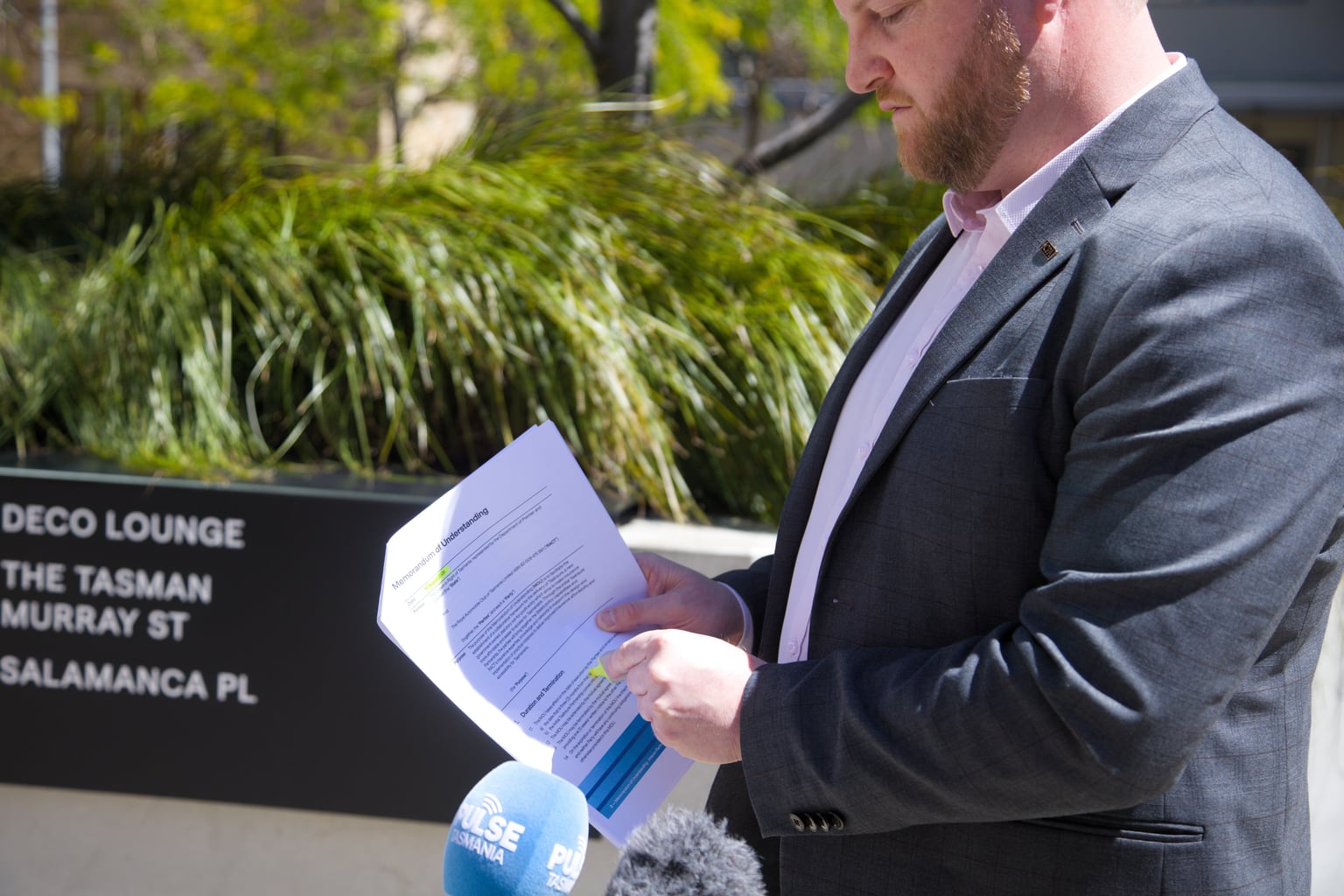
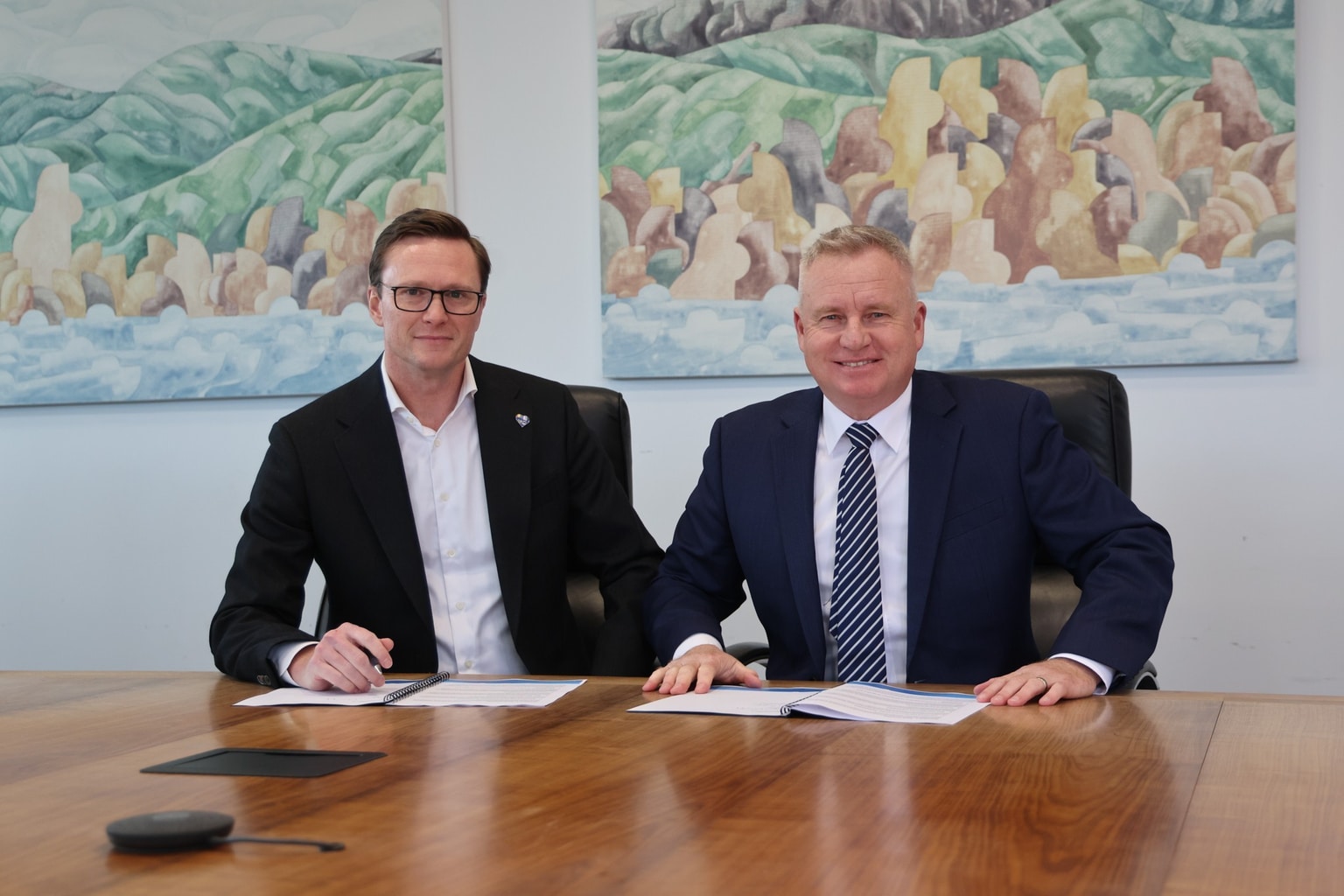
The non-binding memorandum of understanding (MOU) was signed on August 10 to finalise a longer-term partnership expected to run for five years.
Labor MLC Luke Edmunds said Tasmanians needed to know whether the agreement had been extended or a new deal signed.
“Tasmanians know that this has been a con from day one, but what we’re asking for is detail on how this money’s been spent and what’s going on with the MOU because it’s expired,” he said.
The government promised during the 2025 election campaign that TasInsure would save households $250 a year and cut small business premiums by 20%.
Labor says the government has spent $150,000 on a consultant and $4.2 million establishing TasInsure and has not disclosed how much it is paying RACT.
“I think we’ve got a government that’s desperate to see the policy come to light in some way, shape or form and they’re throwing good money after bad trying to do that,” Edmunds said.
“Tasmanians are not saving a cent on their insurance bills.”
Asked whether the work could still deliver benefits, such as help for high-risk properties, Edmunds said the MOU should be producing “tangible outcomes for Tasmanians”.
“But at the moment we’re not hearing a thing,” he said.
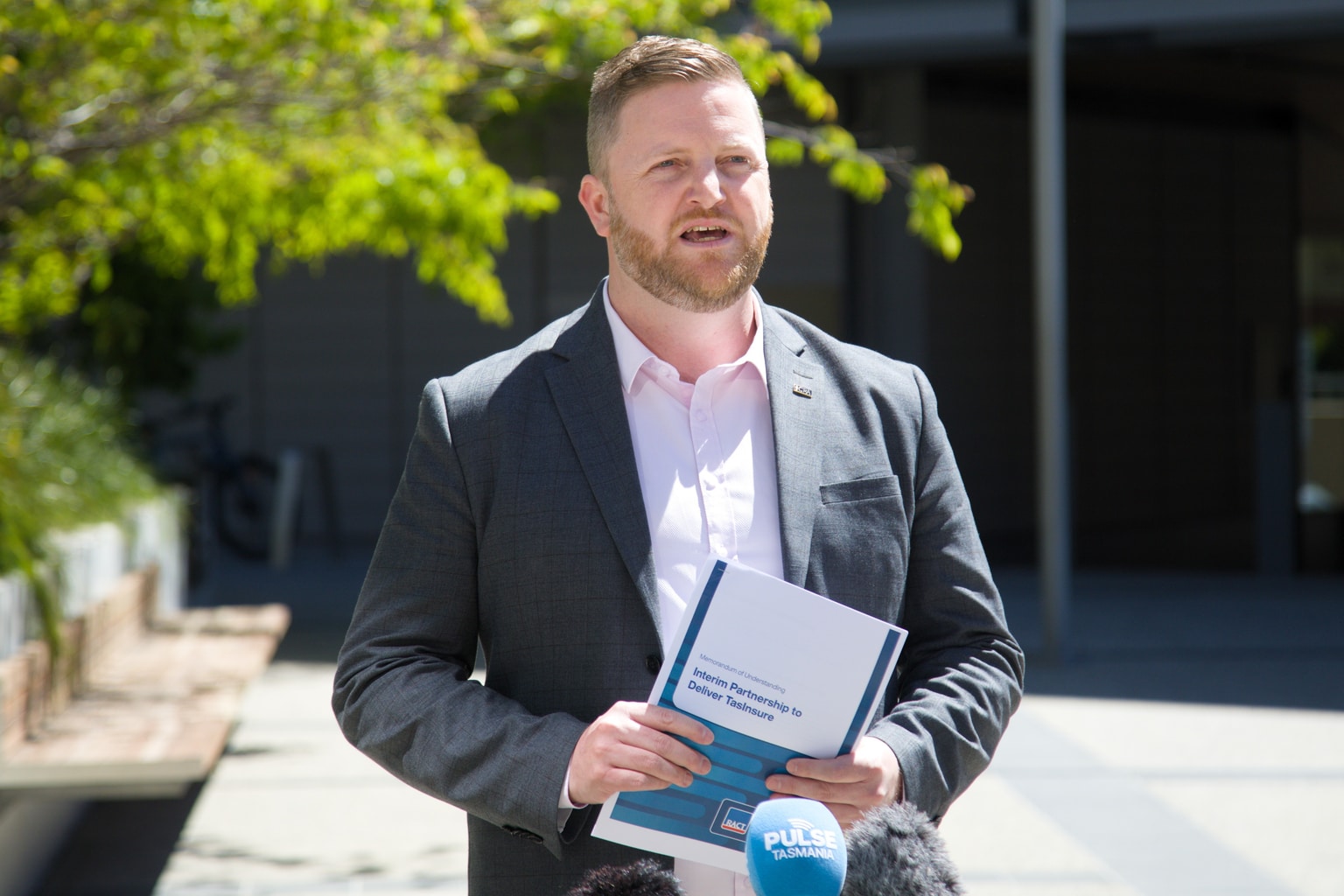
Government minister Roger Jaensch said he had been advised there was no retainer for RACT.
“There is a cost for the work being done on TasInsure and that’s been in the budget,” he said.
Jaensch said RACT was undertaking a program of work under the partnership, but he did not have detail on how long it would last.
Premier Jeremy Rockliff said in August Tasmania was the only state tackling insurance affordability and that Labor and the Greens had not put forward an alternative.
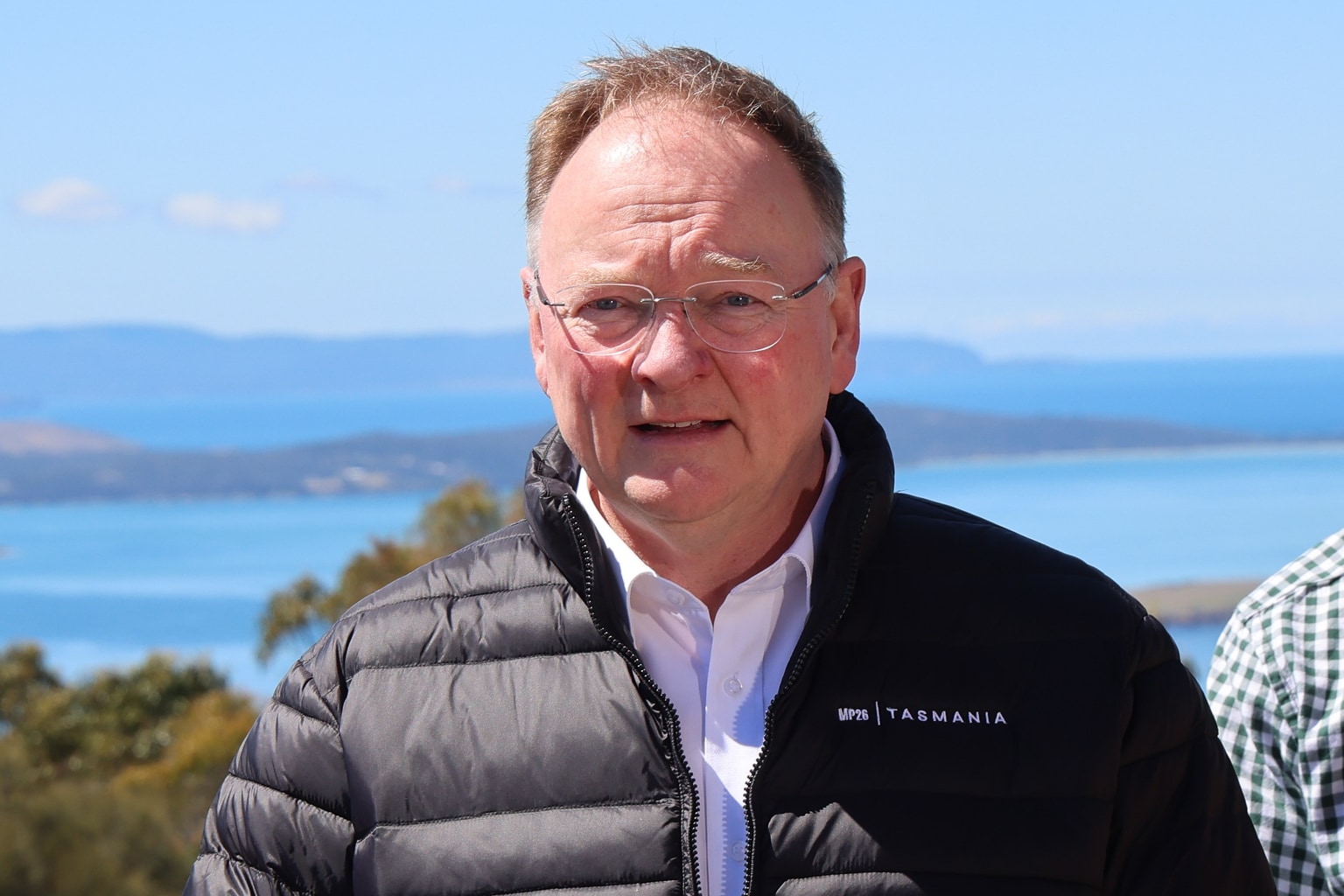
The MOU describes TasInsure as a government-owned, statutory not-for-profit entity that will partner with insurers, brokers and reinsurers to address gaps in insurance availability and affordability.
RACT CEO Mark Mugnaioni criticised TasInsure when it was announced during the election campaign, but said in August the approach had since shifted to reducing the risks that drive up insurance costs.
The MOU set out four early priorities. These were an independent assessment of what is driving up premiums, risk management training for small businesses and community groups, property-level natural hazard plans and coordinated mitigation investment.
It also set out a framework for regular public reporting on the partnership’s progress.

Rockliff has previously said the $250 household savings and 20% small business cuts were still being worked through with RACT.