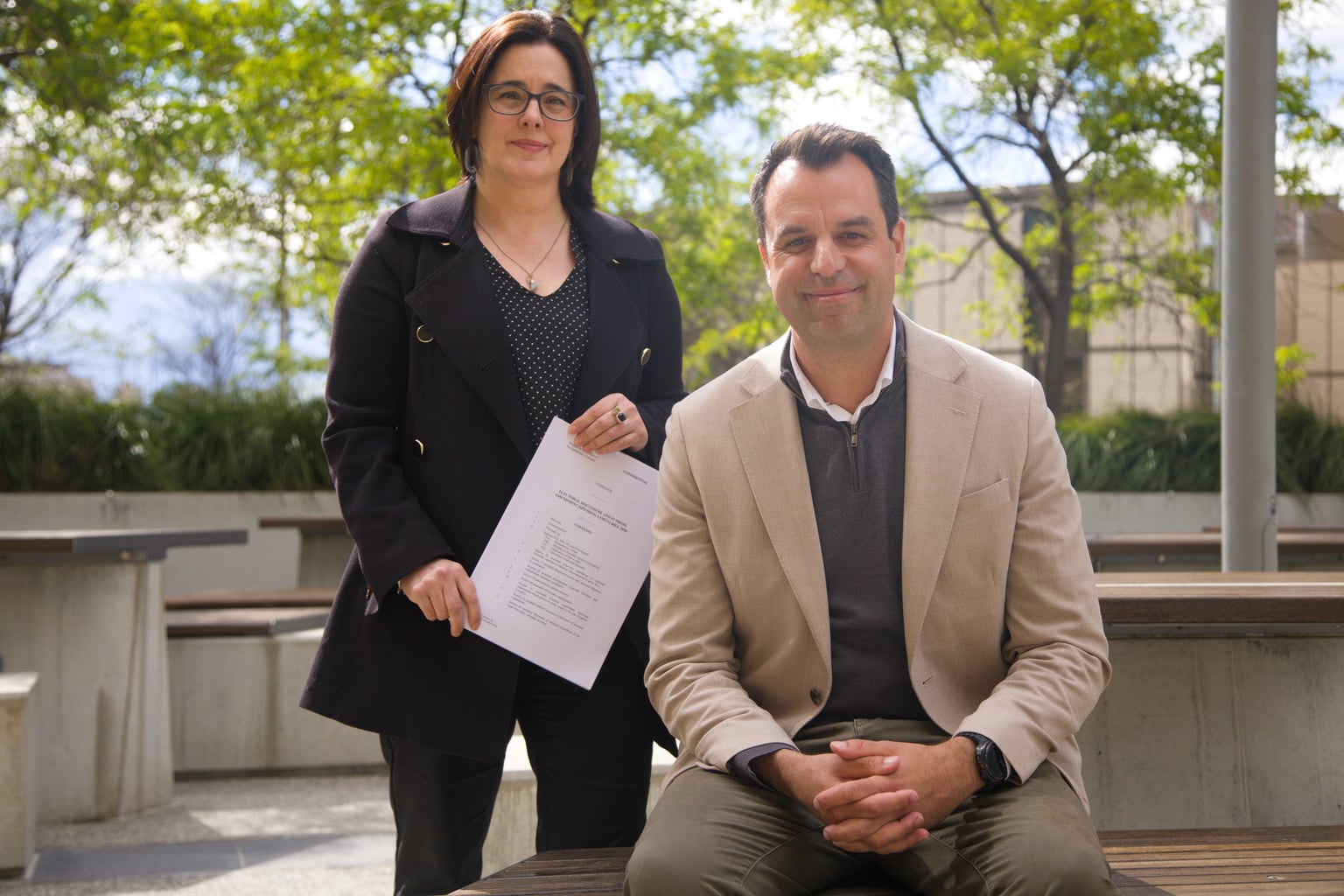
Tasmania’s Labor opposition has unveiled a bill that would cap how much political parties, independent candidates and third-party campaigners can spend at state elections.
Under the proposal, parties could spend up to $50,000 for each candidate they run, independent candidates could spend up to $60,000 and third-party campaigners, including unions and businesses, would be limited to $75,000 statewide.
A party’s cap would cover spending by both the party and its candidates.
That means a party running a full ticket of 35 candidates, seven in each of the state’s five electorates, could spend up to $1.75 million.
“Nobody should be able to buy elections,” Labor leader Josh Willie said on Monday.
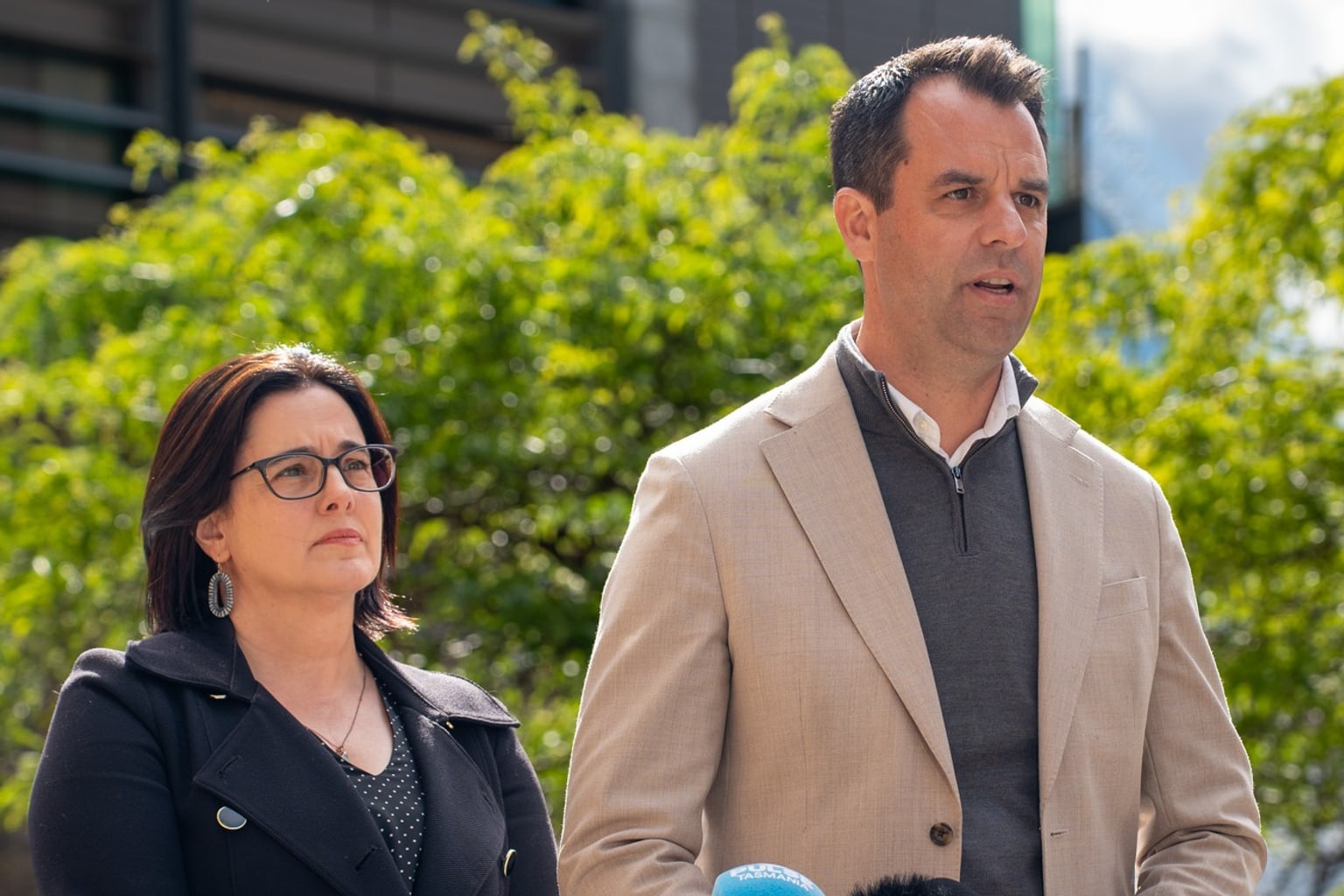
“At the moment, there are no guardrails or protections for Tasmanian elections and we think that’s a real problem moving forward.”
Tasmania already caps spending at Legislative Council and local government elections, but not at House of Assembly elections.
Willie said Labor had looked closely at caps in other jurisdictions, particularly the ACT, which also uses the Hare-Clark voting system.
According to Labor, the caps would apply from nine months before an election. If an early election was called, they would apply from the day parliament was dissolved.
They would cover advertising, campaign materials, consultants, polling and research.
Day-to-day administration, operating costs and staff costs would be excluded. The limits would be indexed to inflation.
A party or candidate that overspent would face a penalty of twice the amount they went over the cap. Deliberately getting around the rules could lead to criminal penalties.
Labor MP and shadow attorney-general Ella Haddad said independents would get a higher cap because they did not have a central party campaign spending money on their behalf.
She said the third-party cap would apply to civil society organisations, corporate interests and unions.
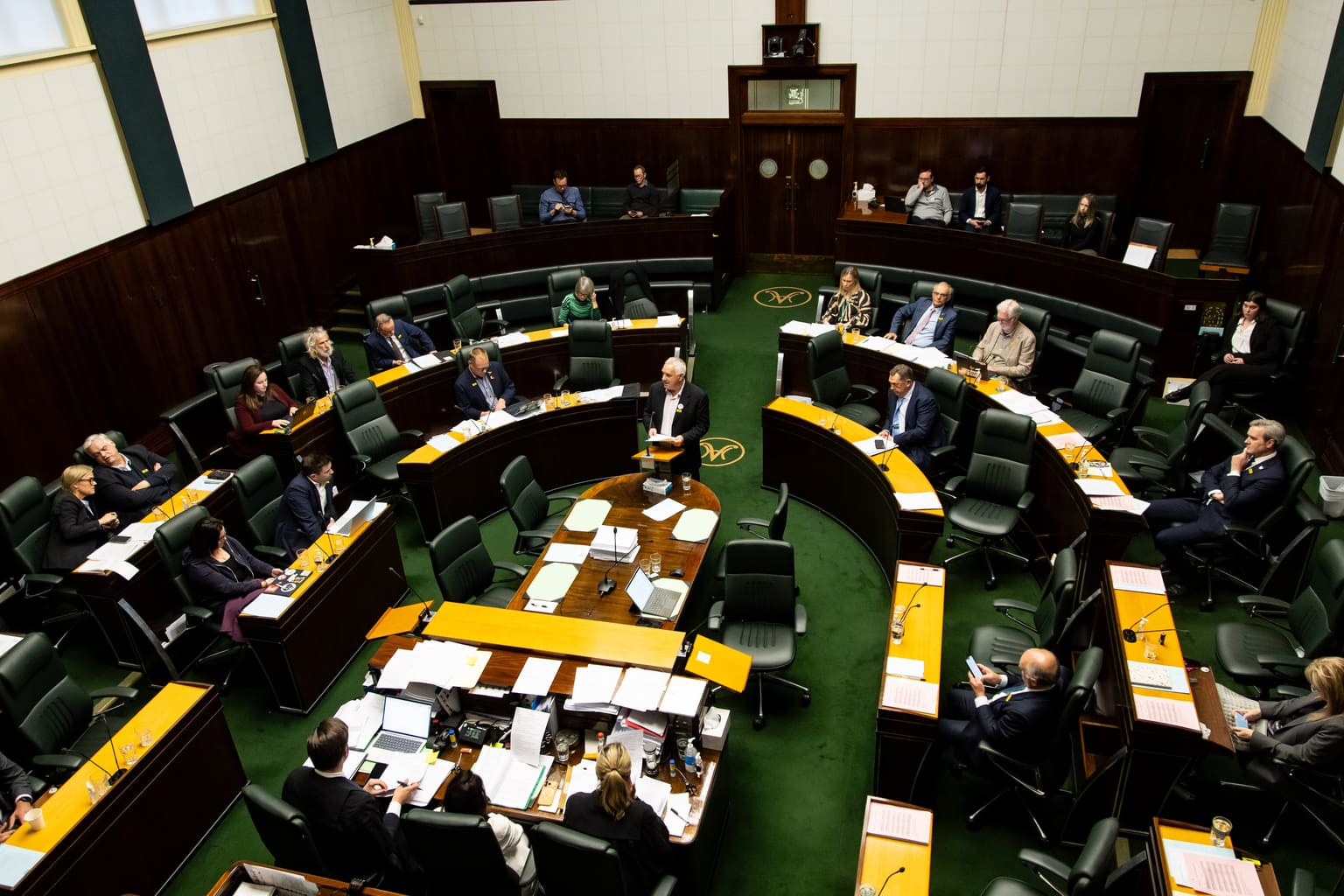
“They would only be able to spend $75,000 statewide on any election campaign materials,” she said.
Haddad said there were currently no limits on spending at House of Assembly elections.
“Anyone can spend anything they can manage to fundraise and that’s not healthy for democracy,” she said.
Last year’s state election was the first at which parties and candidates were required to disclose their campaign spending to the Tasmanian Electoral Commission.
Those disclosures, which cover spending from July 1, show Labor declared $1.73 million, the Liberals $1.13 million and the Greens $375,000.
Premier Jeremy Rockliff said he was not aware of the detail of Labor’s bill and there needed to be “very thorough consultation” on such changes.
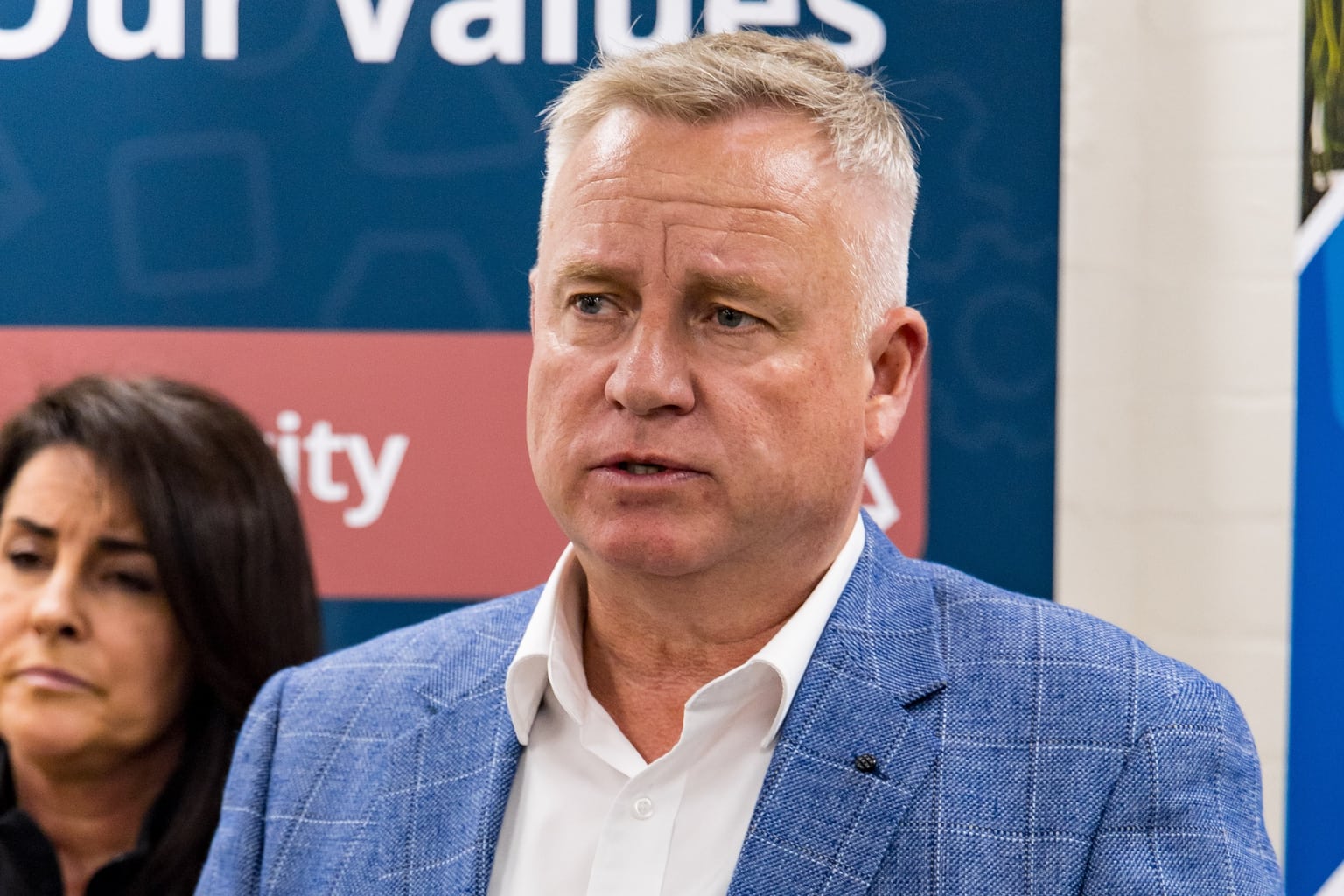
“What I don’t want to see is that any legislation ends up favouring the Labor Party because the unions are not brought under the same umbrella,” he said.
Labor says unions would be treated as third-party campaigners under the bill and would be subject to the $75,000 cap.
Rockliff said the Liberals had opposed spending caps in the past “because we believe that everyone has that right to support people during an election time”.
Asked whether he was open to caps, he said “not necessarily, no”, but the government would “always give due consideration” to legislation before parliament.
Haddad said the bill would be tabled on Tuesday. Labor hopes to debate it in the House of Assembly later this year and take it to the Legislative Council in the new year.