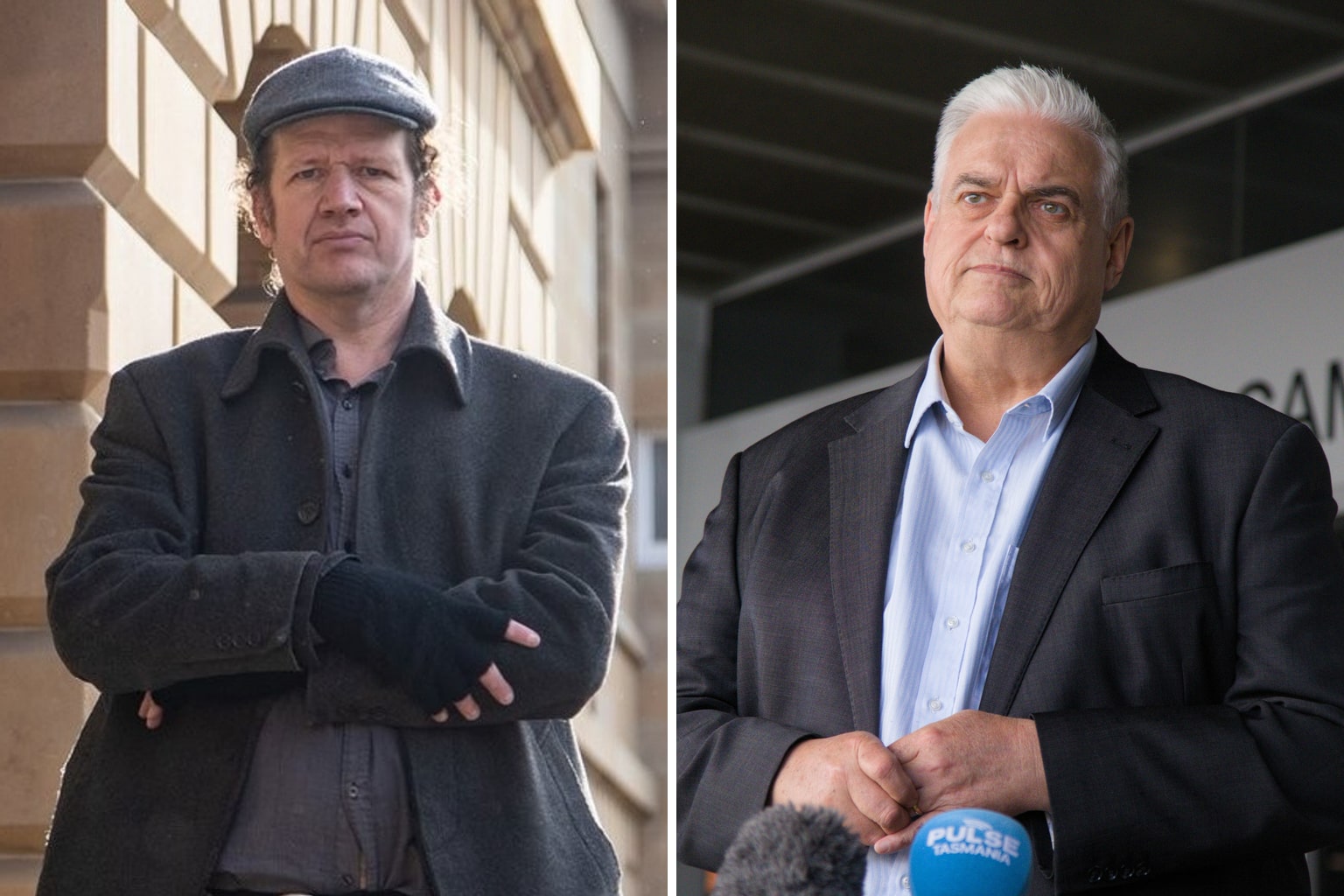
Labor’s proposed election spending caps would reward parties for running “ticket fillers” and leave independents at a disadvantage, political analyst Kevin Bonham says.
Labor’s bill would cap spending at $50,000 per candidate for parties, $60,000 for independent candidates and $75,000 statewide for third parties such as unions and business groups.
The caps would apply from nine months before an election and anyone who overspends would face a penalty of twice the amount over the limit.
Bonham told Pulse a party running a full ticket of 35 candidates could spend 35 times the $50,000 cap across the state.
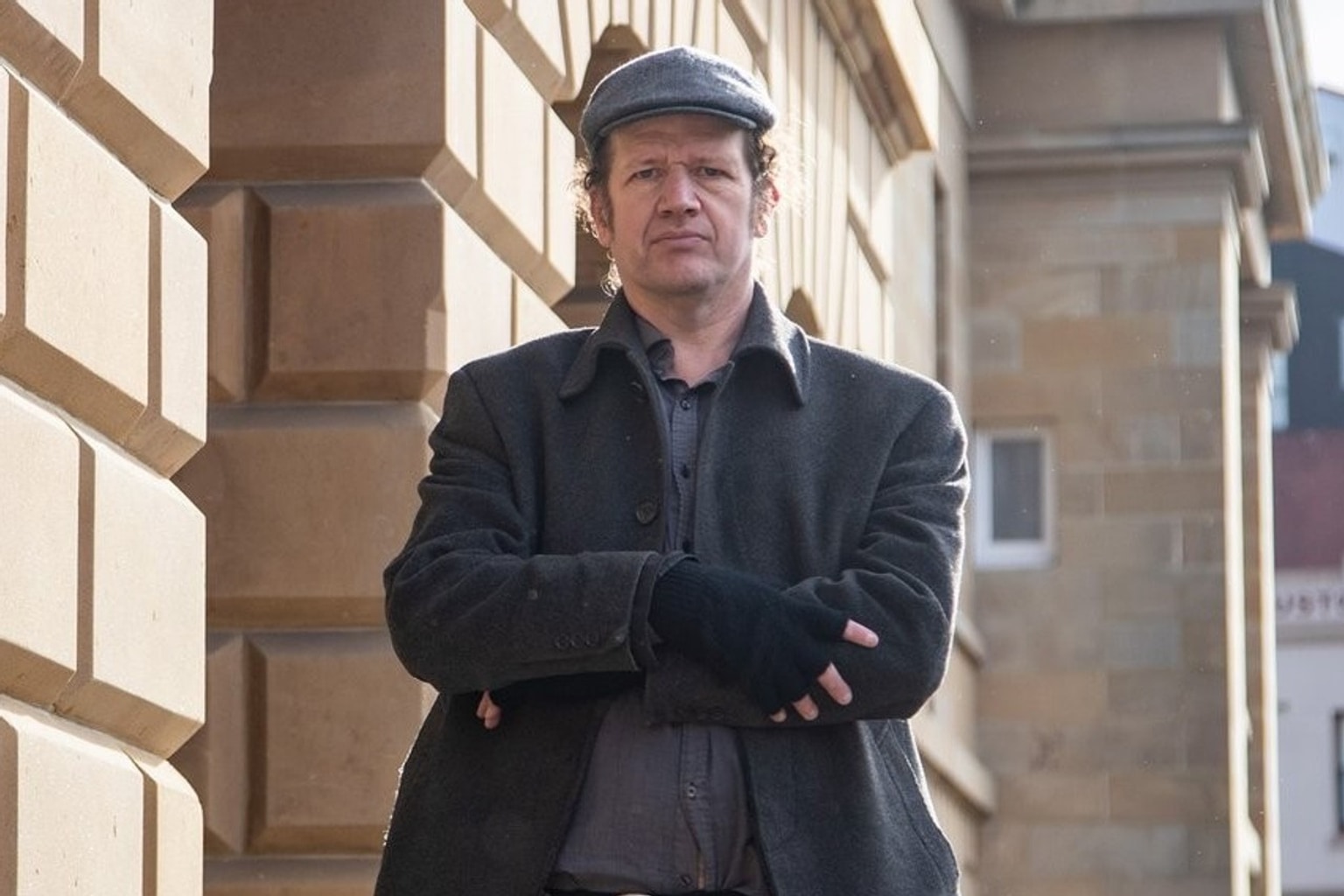
“But an independent can only spend 1.2 times that cap,” he said.
There were some limits on spending in a single electorate, he said, but a party could still spend “several times as much in a seat as an independent”.
“This also applies to any new party and it gives people an incentive to run parties and field large numbers of candidates to avoid the spending cap, which I don’t think is healthy,” he said.
On X, Bonham said the Greens could spend $525,000 across seven candidates to beat a lone independent in one division, while the independent would be capped at $60,000.
Former Labor strategist Jack Milroy also criticised the bill on X, describing a “huge flaw in the draft law”.
He said it would encourage the creation of “parties” to run a full slate of candidates “while really only trying to elect one lead candidate”.
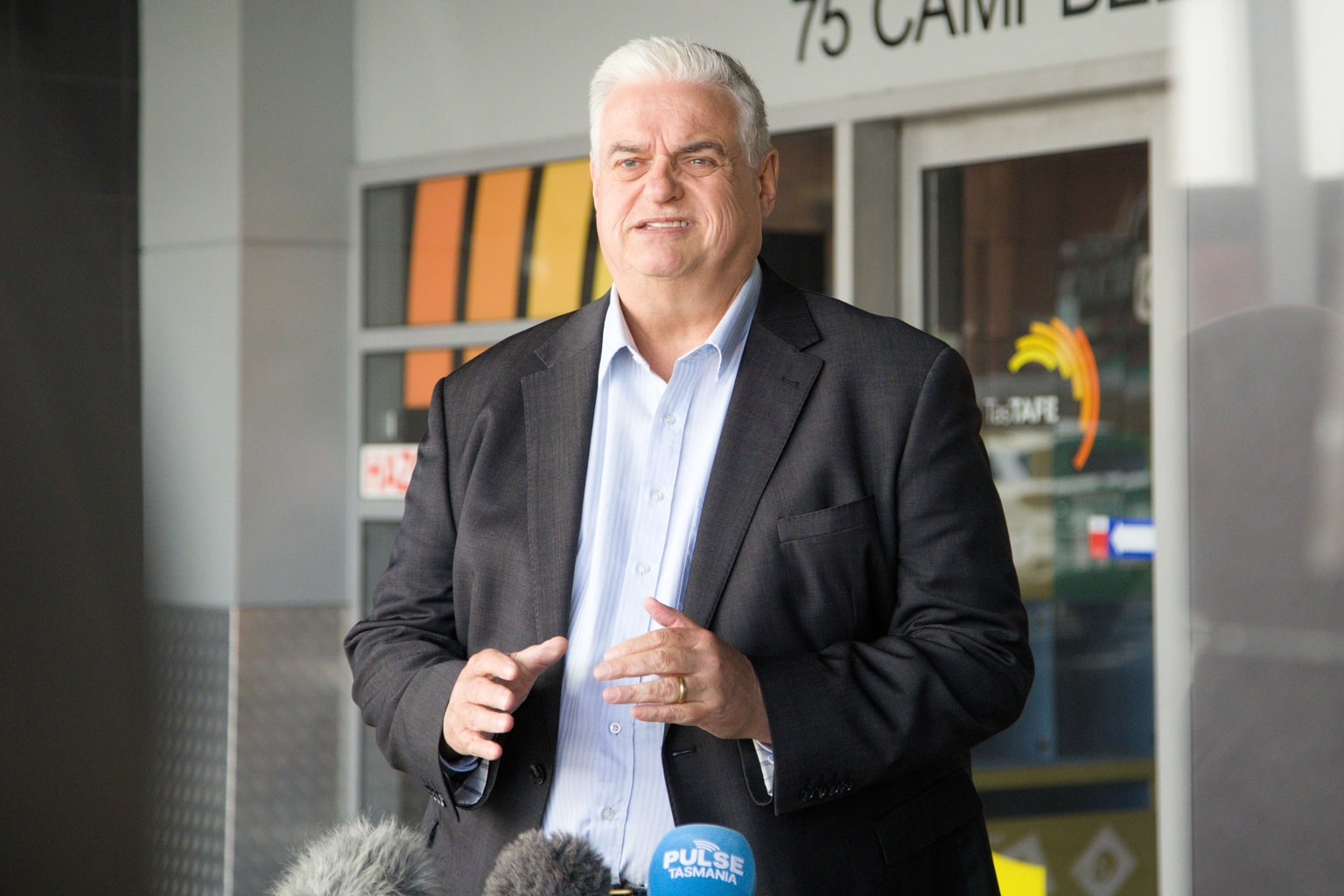
Asked about Milroy’s comments, Labor MP Brian Mitchell said he had “no comment”.
“So if he is a current Labor member, then I’m not sure he should be talking about Labor Party matters externally,” he said.
Responding to Bonham’s posts, Mitchell said the bill would end the “Wild West” of Tasmanian elections, where there were no limits on spending.
“It’s whoever’s got the deepest pockets can win elections based on their bank balance,” he said.
“This makes elections a contest of ideas and as we’ve seen, independents with good ideas can get elected.”
Mitchell said the bill would stop third-party lobbyists and others from being able to “effectively buy themselves an election result”.
He said every organisation would be treated the same, whether it was a business group, a trade union or a lobby group.
Mitchell said some independents already ran as teams and it was up to candidates to decide how to run their campaigns.
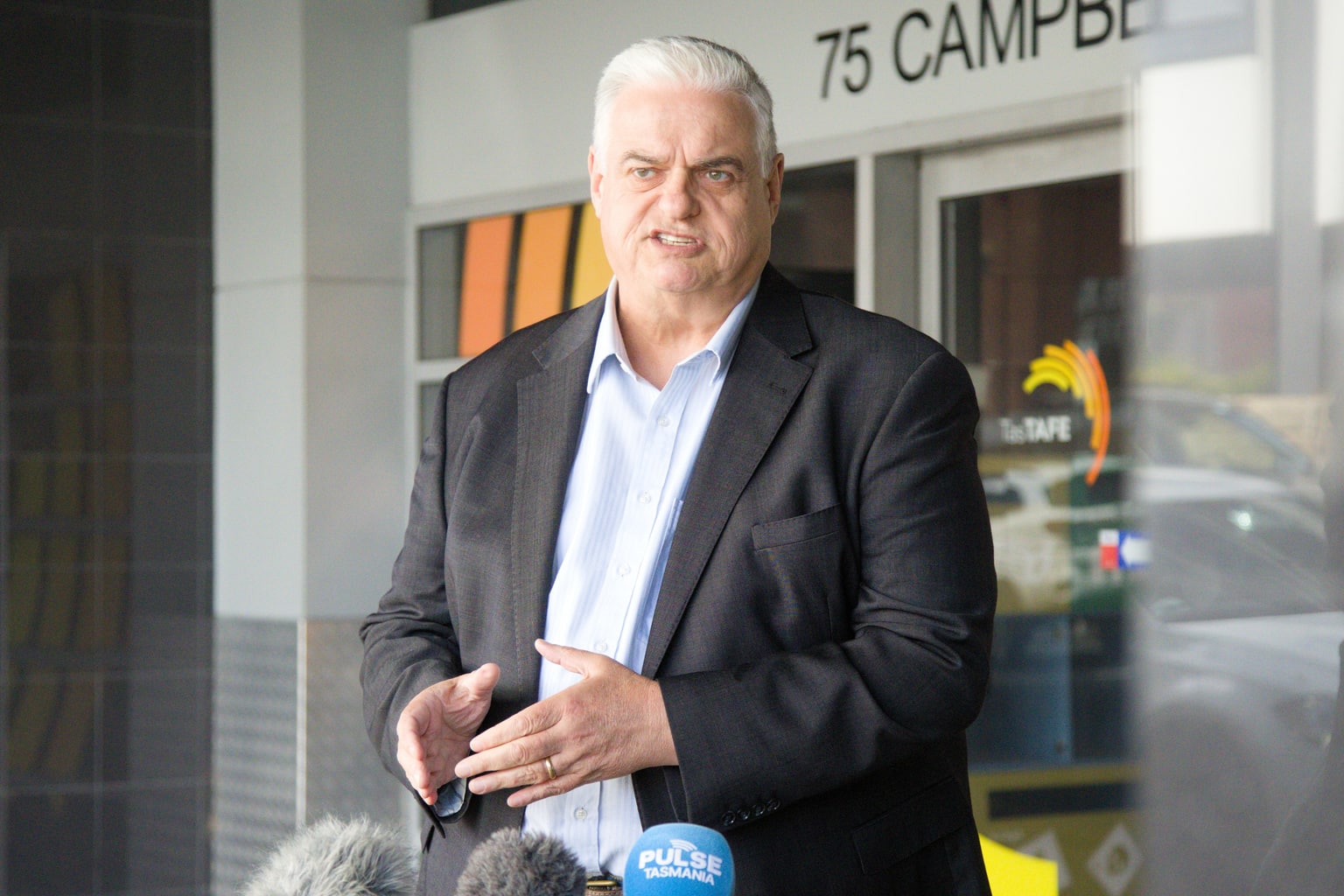
“This makes elections in Tasmania fairer,” he said.
“I respect Kevin as a polling analyst, but I would invite people to go and speak to people who are experts in this particular field.”
Mitchell also pointed to Bonham’s 2016 prediction in the federal seat of Lyons, which Mitchell won and said “he’s not right all the time”.
Bonham said he had changed his Lyons prediction in favour of Labor close to that election.
He said predicting close seats and commenting on a proposal that was “obviously blatantly unfair” were separate tasks.
“They’re completely different fields of work,” he said.
Bonham said there was a case for caps to stop parties spending “a totally ridiculous amount of money”, but the problem of election spending in Tasmania was “a bit overblown”.