
Launceston councillors will decide this week whether to adopt a long-term plan to tackle winter wood smoke.
The Domestic Wood Smoke Plan goes to a council vote on September 3.
According to the plan, it maps out a 15-year approach to cutting fine particle pollution from home wood heaters, starting with education, air quality monitoring and data collection before any tougher steps are weighed up.
The plan describes wood smoke as a significant health issue in Launceston.
The city sits in a valley that traps pollution on cold, still nights and that some suburbs record higher levels than others.
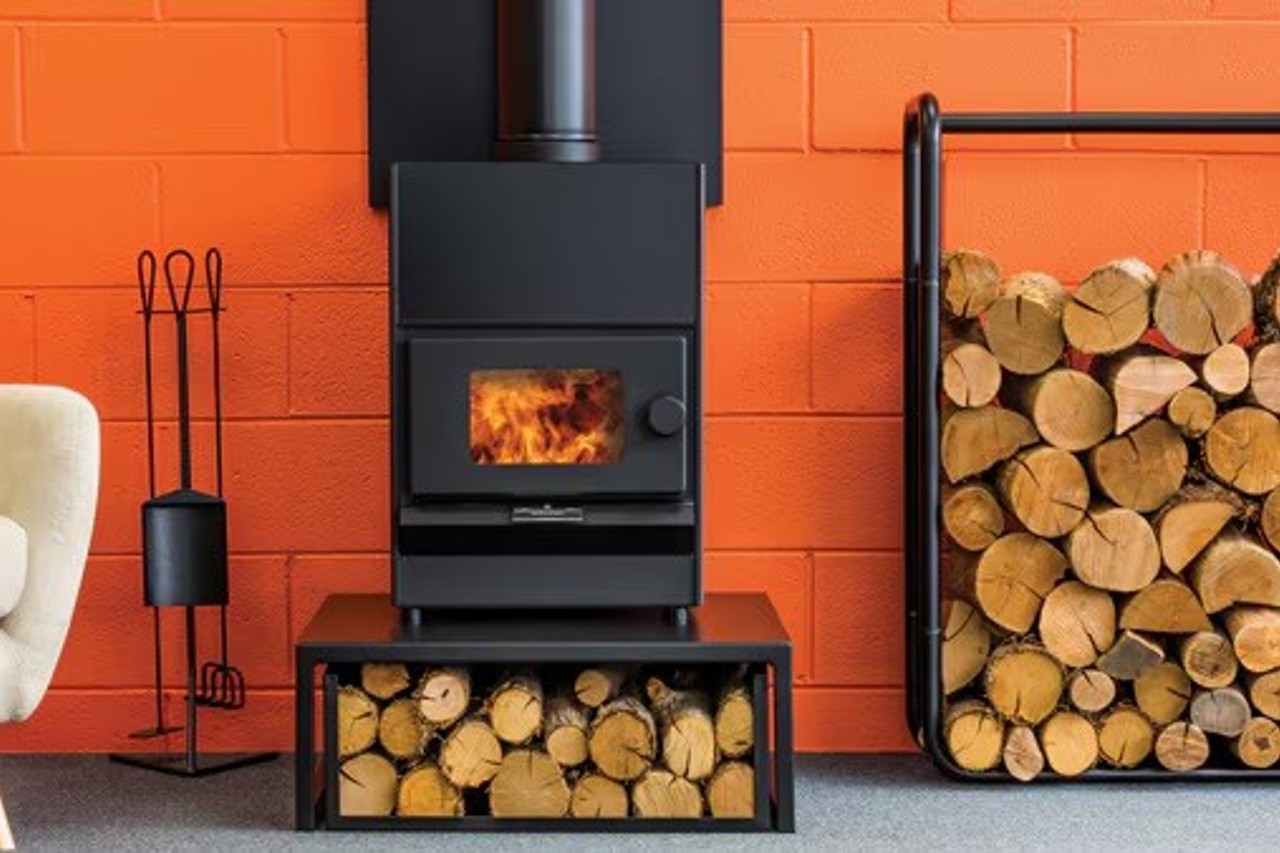
Council figures cited in the plan show Launceston breached the national daily air standard on 20 days in 2025 and the stricter World Health Organisation guideline on 49 days.
The plan states that across Tasmania, wood heater smoke is linked to more than 50 premature deaths and about $293 million in health costs each year.
Mayor Matthew Garwood said the plan tried to balance health with the realities facing households that rely on wood heating.
“Residents told us they want cleaner air and healthier communities, but they also want any changes to be practical, affordable and informed by evidence,” he said.
Garwood said heaters were not being outlawed.
“As I said at the outset, this is not and has never been about banning wood heaters,” he said.
The plan does keep stronger rules in reserve for its final years.
It says a possible by-law could restrict older high-emission heaters, set tighter limits on new installations and require some heaters to be upgraded or removed when a house is sold.
According to the plan, those measures would not come until years 13 to 15 and would need further council sign-off.
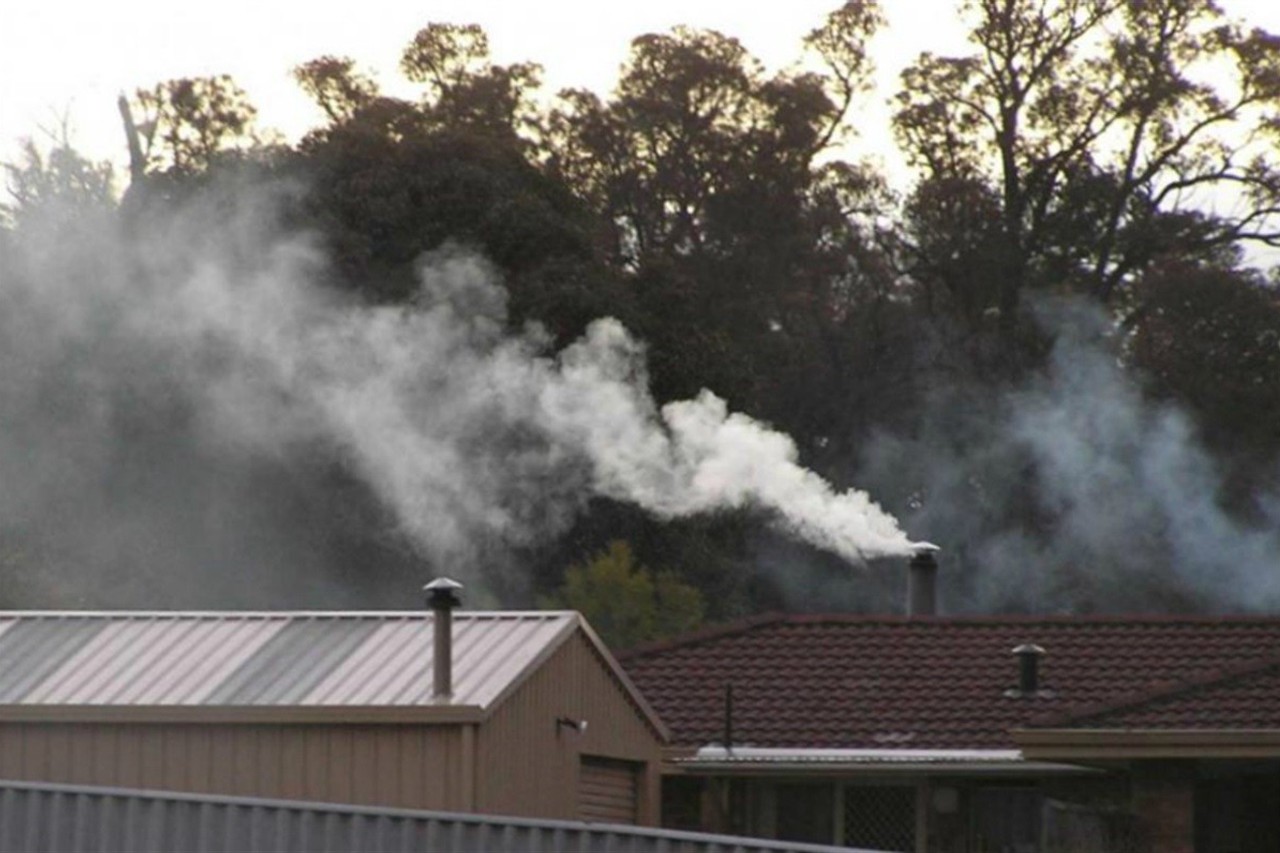
The council report says the consultation drew 1,150 survey responses and 509 written submissions.
It says views were split, with some residents wanting stronger action sooner while others opposed any restrictions as government overreach.
The report notes residents ranked financial help as the second most useful action after education.
But it says the council has dropped direct incentives such as grants or replacement subsidies, pointing to cost and fairness concerns.
If the plan is adopted, the council says early work will focus on education, awareness and building a stronger local evidence base.