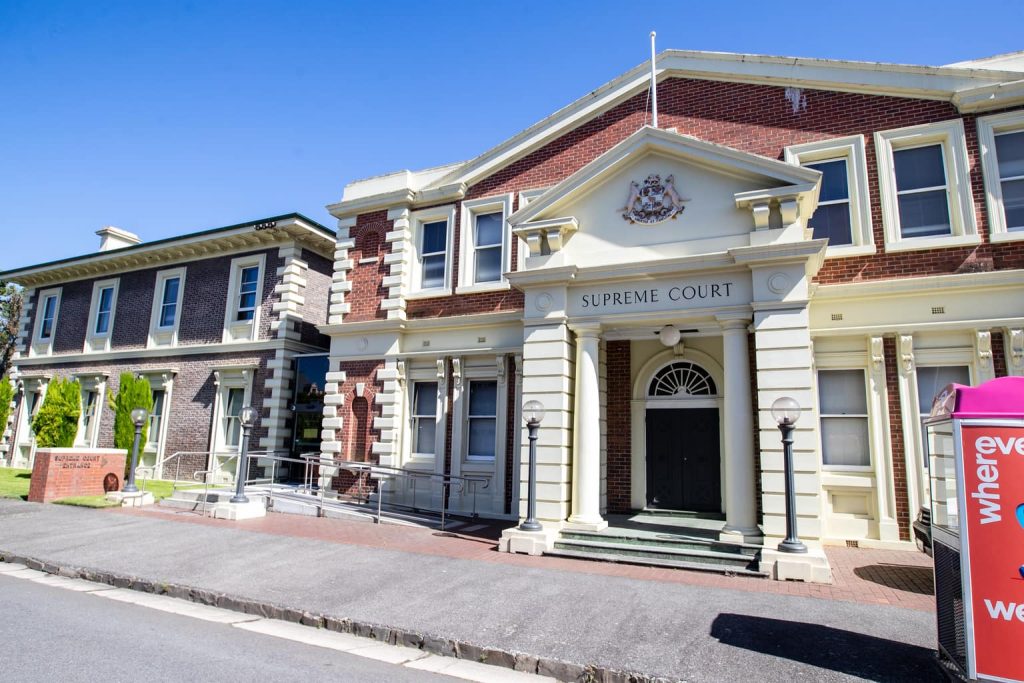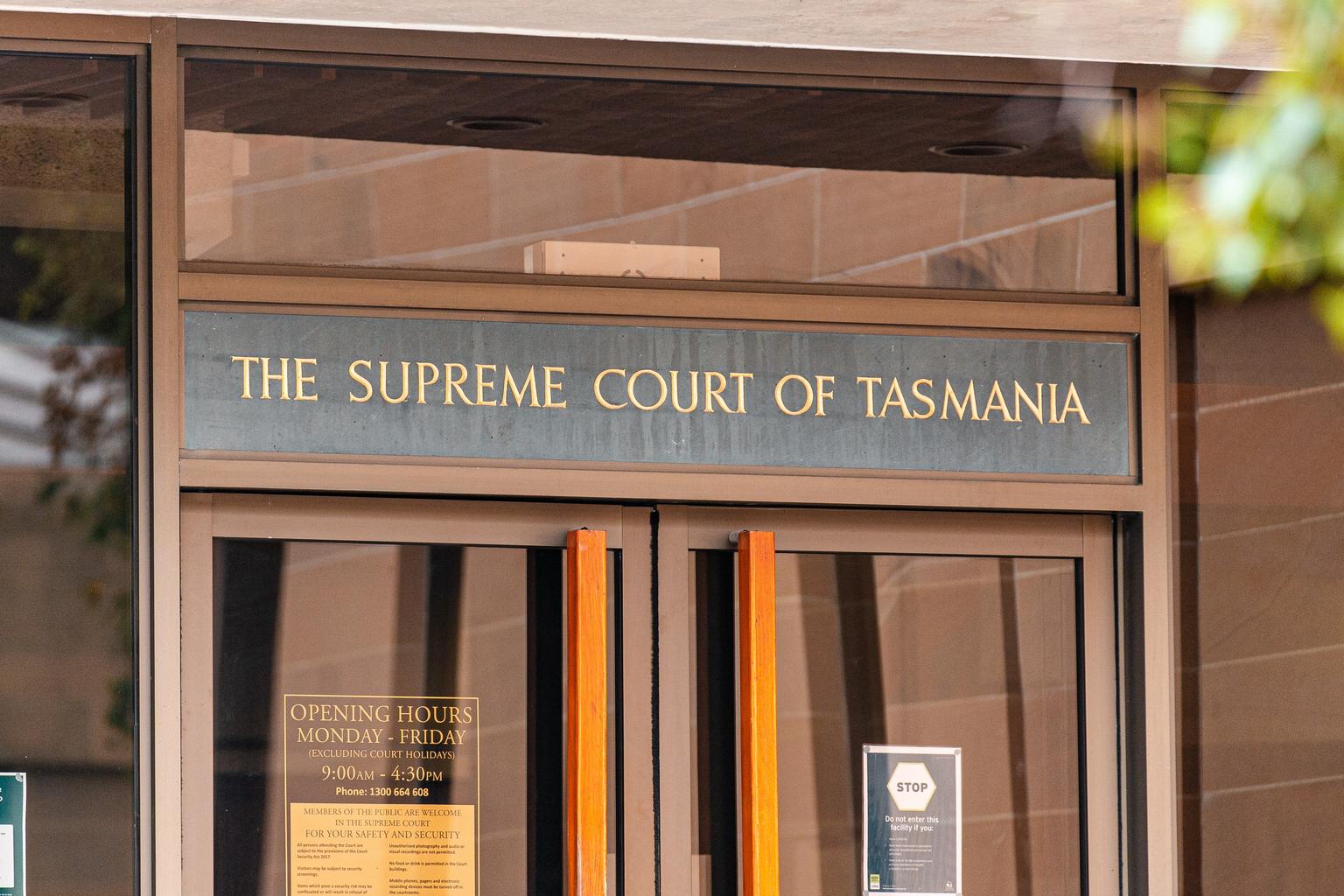
A man with a “short fuse” who left another man unconscious on a Hobart pub floor with a bleed near his brain after a single punch to the head has been sentenced in the Supreme Court.
Mitiele Saula Waqabaca, 47, pleaded guilty to assault over the attack at the Beltana Hotel on November 17, 2024.
Waqabaca had been drinking heavily and playing pool with the victim and two other men when a dispute broke out over the rules of the game.
CCTV showed him growing increasingly agitated. Another man twice tried to calm him down and at one point held his arms.
The victim approached with his arms crossed. Waqabaca pointed at him, then punched him to the head with significant force.
The man was knocked unconscious and fell to the floor. Waqabaca walked out of the hotel without helping.
The victim was unconscious for about three minutes before being taken to the Royal Hobart Hospital.
He suffered a small bleed near his brain, bruising to the frontal lobe and a fracture near his right temple.
He did not need surgery but was unfit for work for a month and has no memory of the incident.
Justice Kate Cuthbertson said hitting someone in the head was an “inherently dangerous” thing to do.
“This was a serious assault. It was unprovoked. The footage of the assault is disturbing. You caused serious injury to the complainant,” she said.
“It is fortunate he was not more gravely harmed.”
A psychologist argued Waqabaca’s PTSD, stemming from a 2017 stabbing, caused him to misperceive a threat and strike pre-emptively.
Justice Cuthbertson rejected that argument, finding the CCTV did not support his account that he had been approached from behind.
“… There is nothing in the footage to justify you perceiving any physical threat,” she said.
She said alcohol and his “short fuse” – as he had described it to his general practitioner – had driven the assault.
Waqabaca, who has prior convictions including family violence offences, was sentenced to six months’ jail, wholly suspended for two years.
Waqabaca was raised in Fiji and holds permanent residency. The court heard a jail term of 12 months or more could have put his visa at risk.
The sentence includes conditions requiring supervision, participation in an aggression program and alcohol treatment.