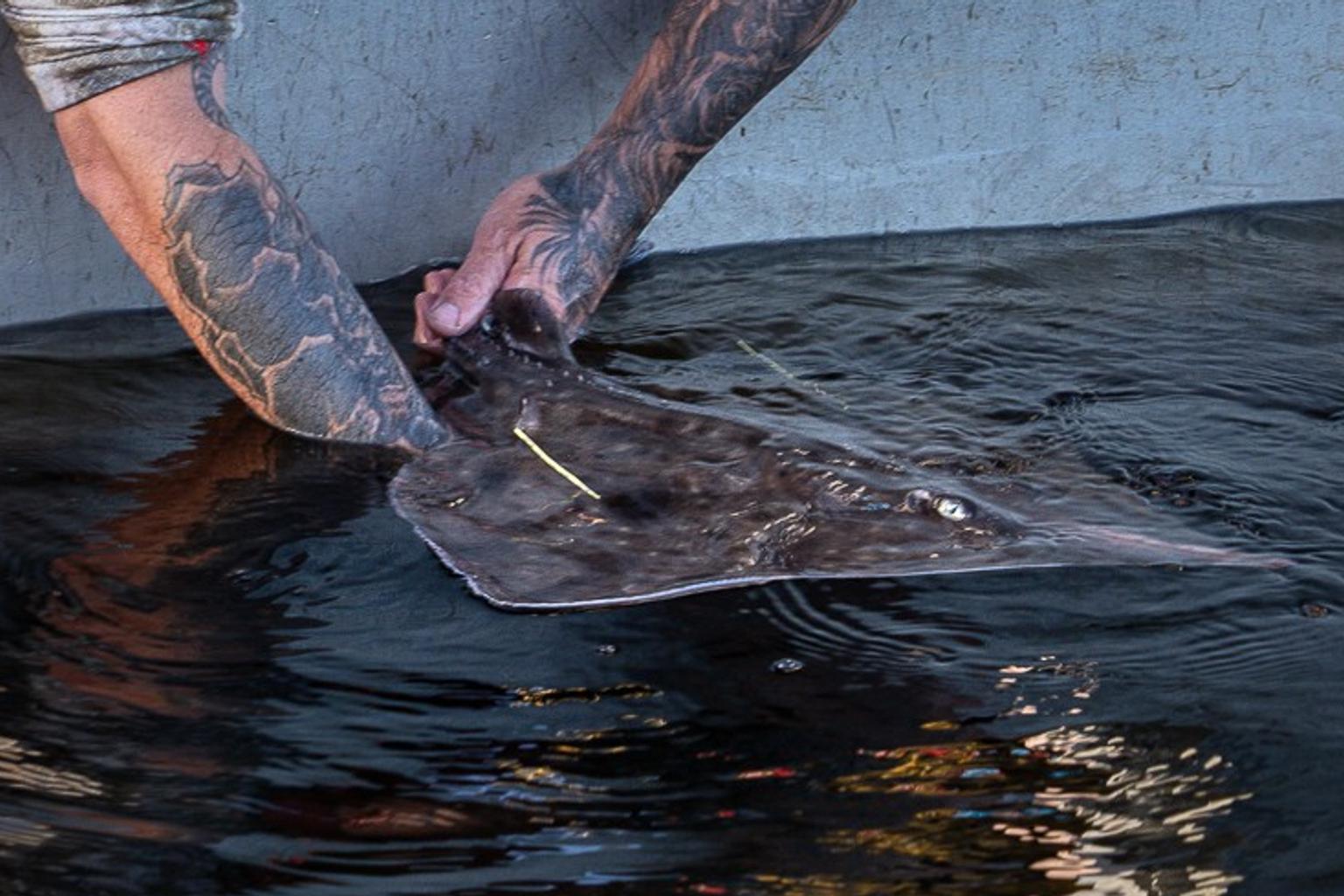
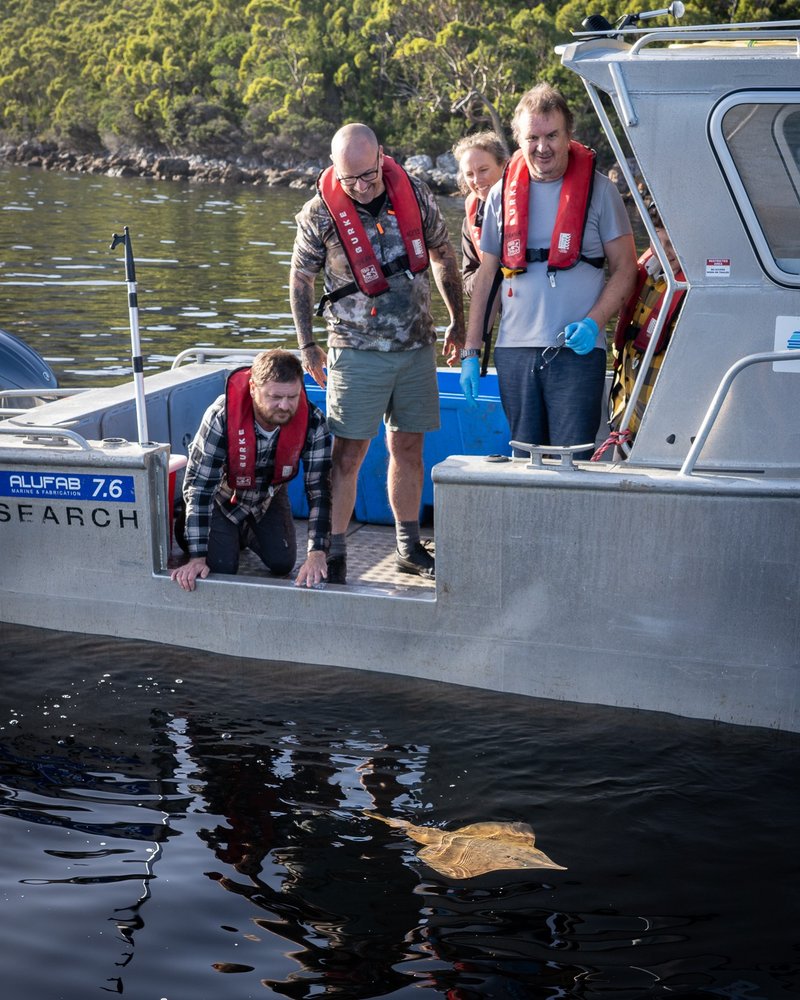
Two adult Maugean skates have been released back into Macquarie Harbour in Tasmania’s west after more than two years in captivity.
The skates were returned to the harbour in late April by researchers from the University of Tasmania’s Institute for Marine and Antarctic Studies and members of the Tasmanian Aboriginal community who helped collect the animals in December 2023.
Jayson Semmens, a marine ecologist and the captive management program leader at IMAS, said the skates are nearing the end of their natural lifespan, making it the right time to return them.
“The data is showing oxygen in the Harbour has currently increased relative to historical low levels and, alongside the broader work undertaken to prepare the skates, it is an appropriate time to put them back,” Semmens said.
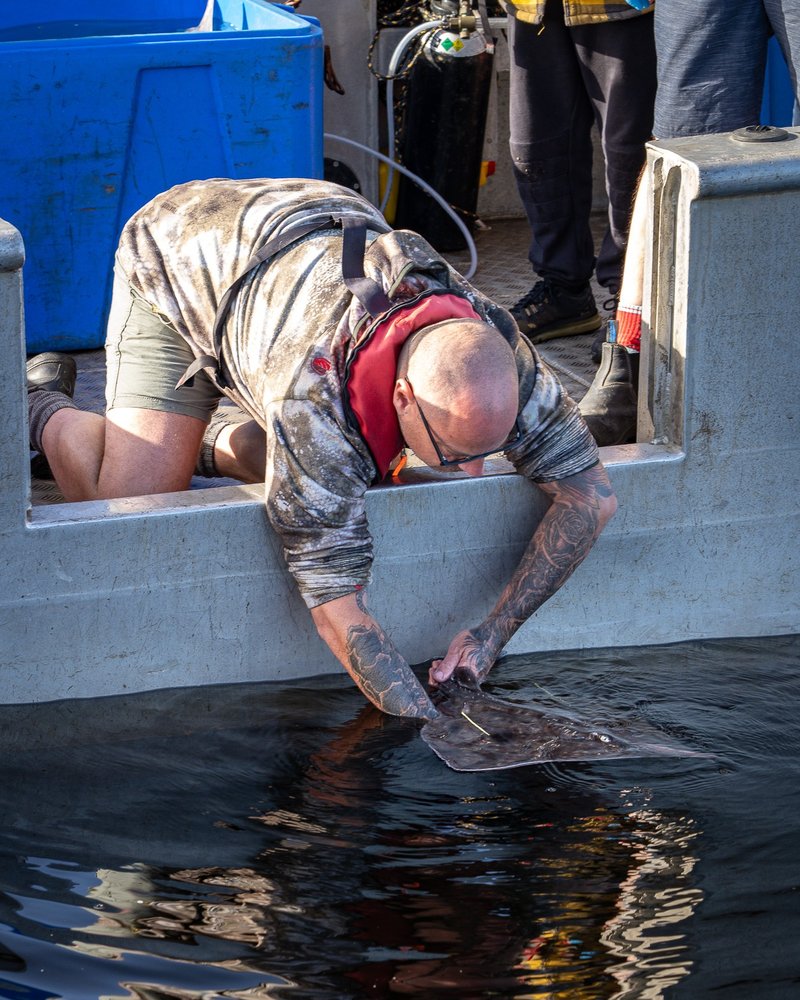
“We have fitted them with tracking devices to monitor their movements, but this release goes beyond survival,” he said.
“It is about honouring the incredible contribution they’ve made to our understanding of their species, and also to our captive population.”
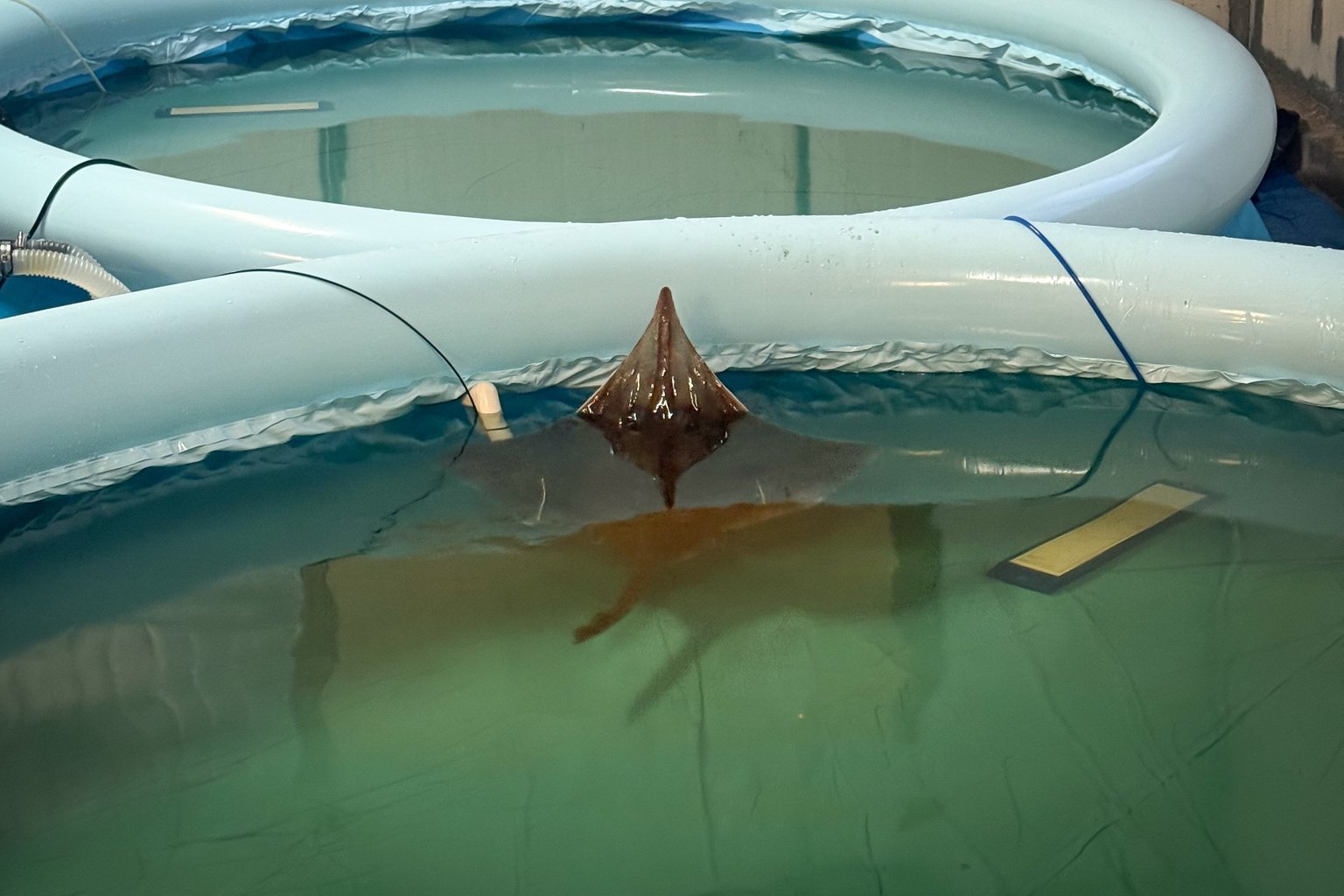
He said the Aboriginal community had provided knowledge and guidance from the start that helped create holding facilities where the captive population could thrive.
IMAS researcher and program co-lead Bailee Woolley said the two skates proved the species can survive in captivity.
“The female skate has laid more than 400 eggs, fertilised with sperm she stored from earlier matings in the wild, and these have produced 79 live hatchlings to date,” she said.
Researchers also collected and preserved sperm from the male for potential future use.
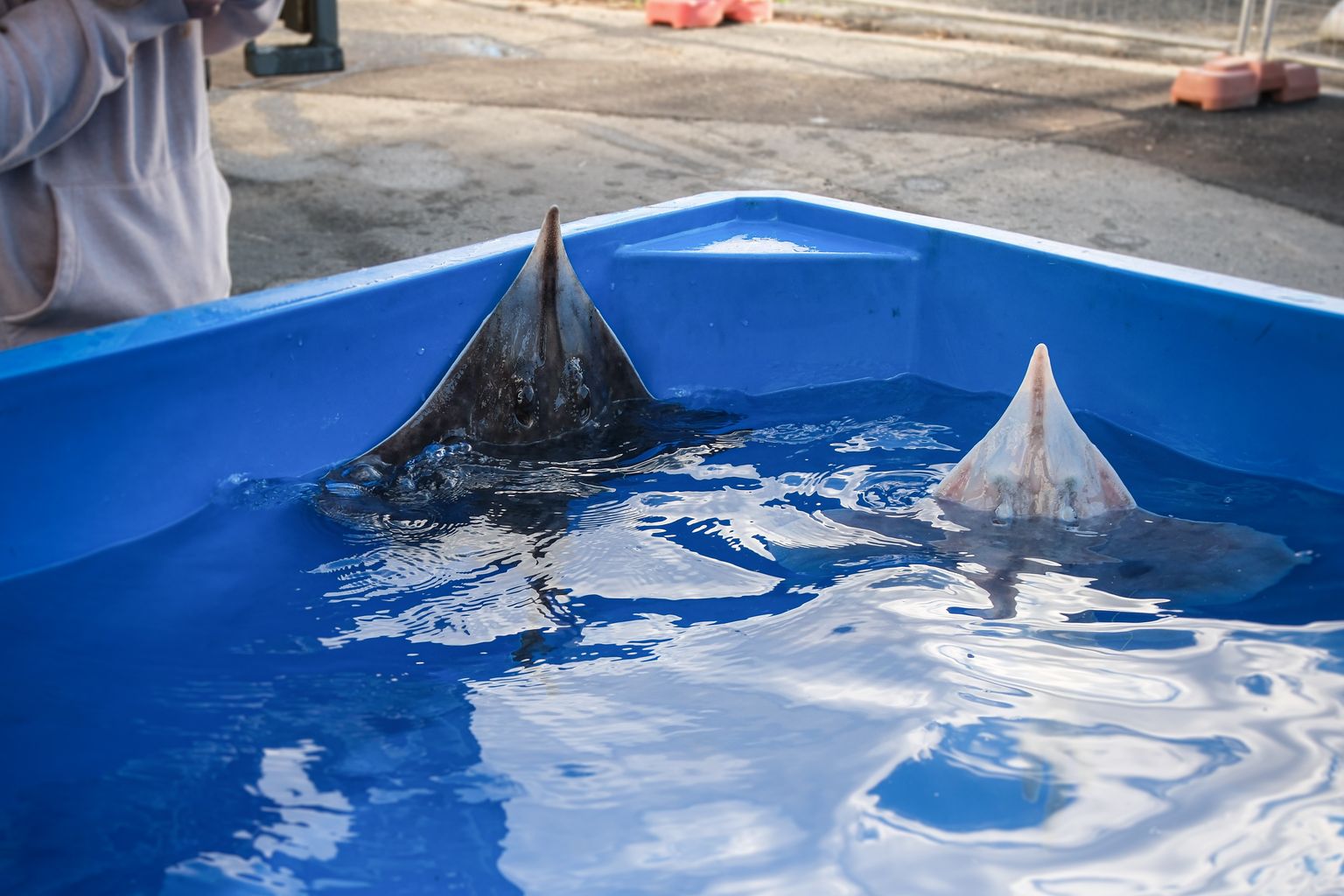
To get the skates ready for the wild, IMAS ran acclimation trials since late last year, gradually lowering oxygen in their tanks and shifting them to a wild diet of mainly crabs.
“This training process has given us such valuable experience, because we now know how to successfully prepare animals for release in the future,” Semmens said.
The program is funded by the Australian Government’s Saving Native Species and Natural Heritage Trust Programs through the Cradle Coast Authority, along with funding from Tasmania’s Department of Natural Resources and Environment.