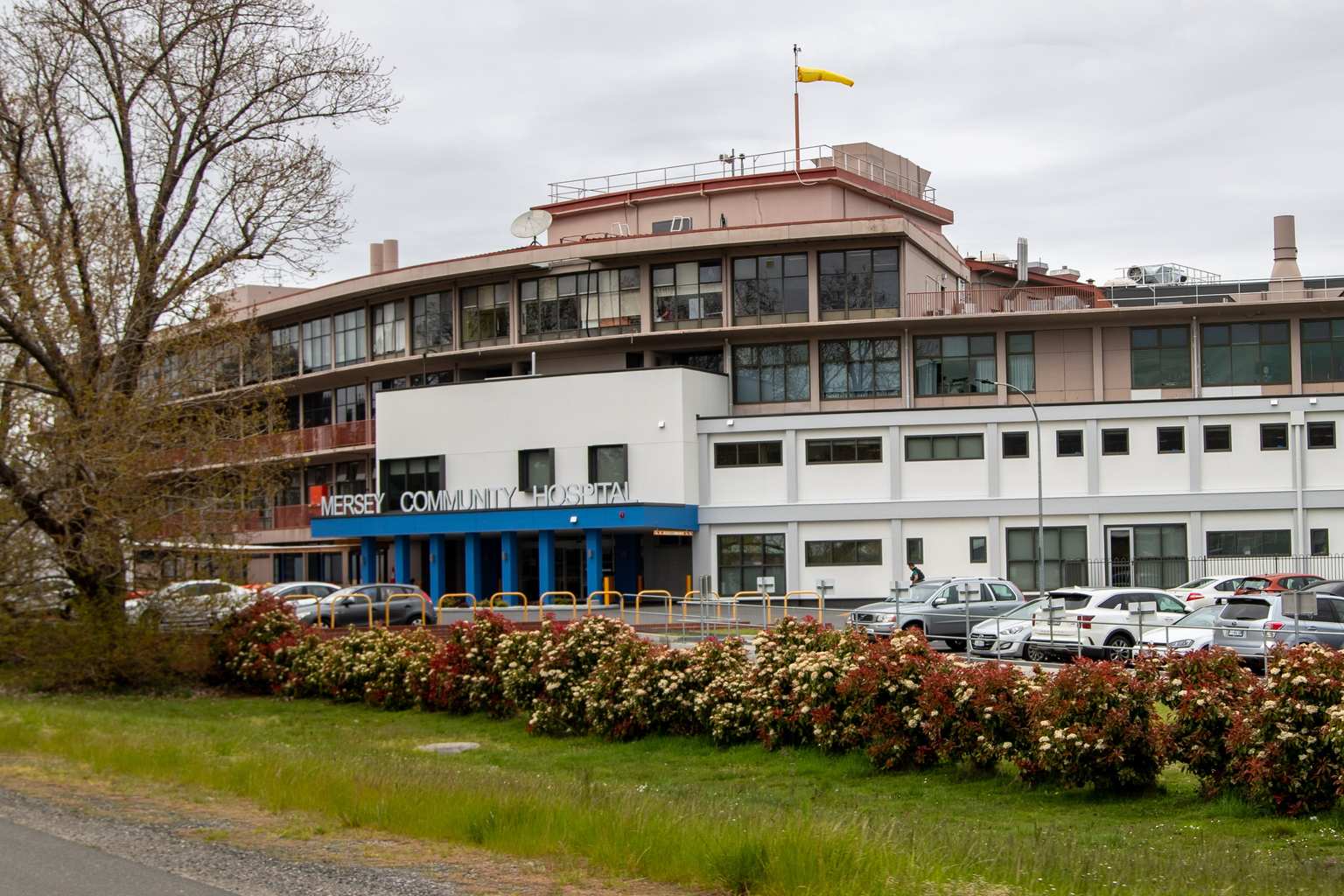
Cardiac patients in Tasmania’s north-west are being diverted by ambulance to the Launceston General Hospital instead of the Mersey Community Hospital under a new pilot.
Labor and the union representing health staff say it was rolled out with little warning and that patients and workers were not properly told why the diversion was happening.
The change means paramedics face hours of extra travel, taking crews out of their local area for extended periods.
Deputy Premier Guy Barnett defended the pilot as a clinical decision.
“This is a decision by the clinicians,” he said. “We put a lot of value in the decision of the health experts and I recommend state Labor do the same.”

When asked why clinicians had recommended the change, he said he did not know.
“That’s a matter for the clinicians. I’m not a health clinician,” he said.
Labor MLC Sarah Lovell said paramedics and nurses raised the alarm and that staff were notified through an email without an explanation.
She said the diversion added hours of travel and ramping time and left discharged patients to find their own way home, because ambulance trips are one-way.
Lovell questioned whether it was linked to cost cutting, noting the government had set $700 million efficiency target in the health budget.

HACSU’s Robbie Moore said the pilot added about two hours of transit per trip and delayed emergency responses on the north-west coast.
He said the LGH had its “worst day ever” on the same day the diversion began.
Moore said the decision appeared to be Health Minister Bridget Archer’s and called on the government to be transparent.
“This is an unacceptable change that staff should have been consulted on and we’re very concerned about this,” he said.

A Department of Health spokesperson said the program reflected “a standard operational approach in networked health systems to optimise appropriate and timely care”.
“The Department of Health has a well-established cardiology network designed to ensure patients receive the right care, in the right place, at the right time,” they said.
“All decisions about the most appropriate setting for patient care are made by clinicians, taking into account clinical capability requirements and service capacity, with the health and wellbeing of Tasmanians front of mind.”